


Edwardian Rosewood Cupboard
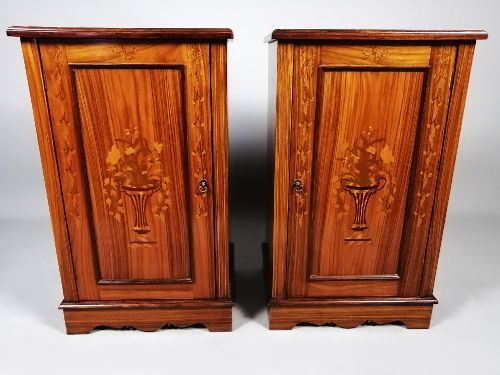
These edwardian rosewood cupboard pieces bring rich timber and refined inlay into a room, offering both display and practical storage.

Edwardian Rosewood Cupboard
An edwardian rosewood cupboard encompasses a range of refined storage forms, from corner cabinets and bedside units to music cabinets and display pieces. The pieces met here frequently date across the Edwardian era and the late nineteenth century, spanning Victorian and Georgian revival styles as well as Anglo-Indian and Regency influences.
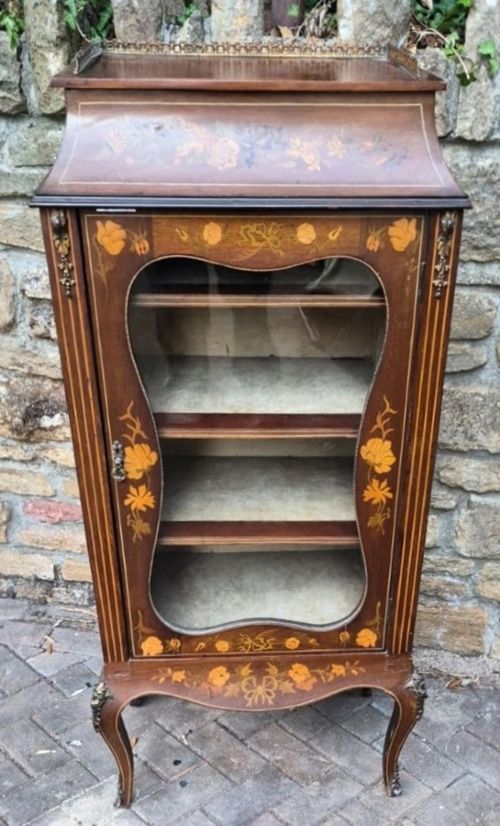
Buyers seeking an edwardian rosewood cupboard typically encounter specialised forms like hanging corner units, music cabinets, and tall display furniture. These are joined by bedside cupboards and side cabinets that reflect the sophisticated tastes of their period.
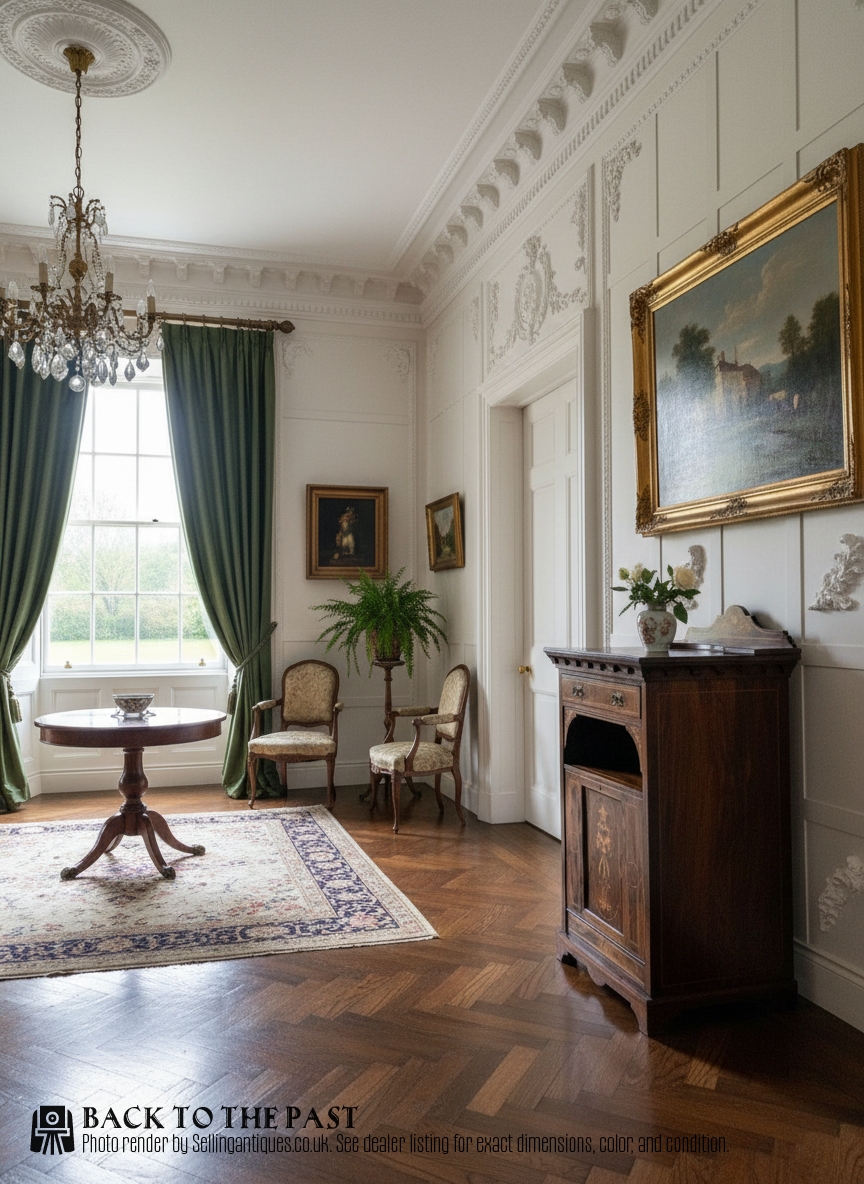
How They Were Made
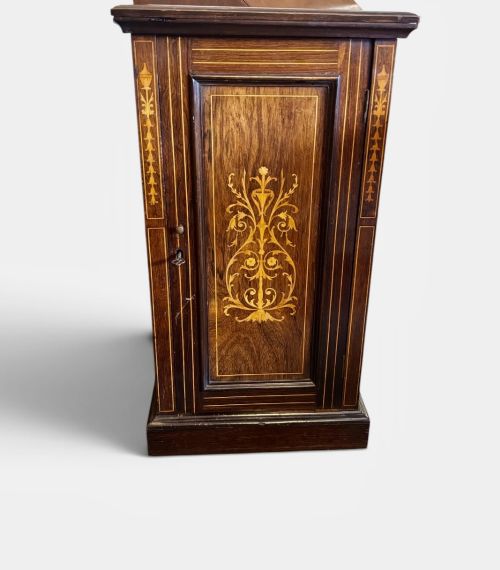
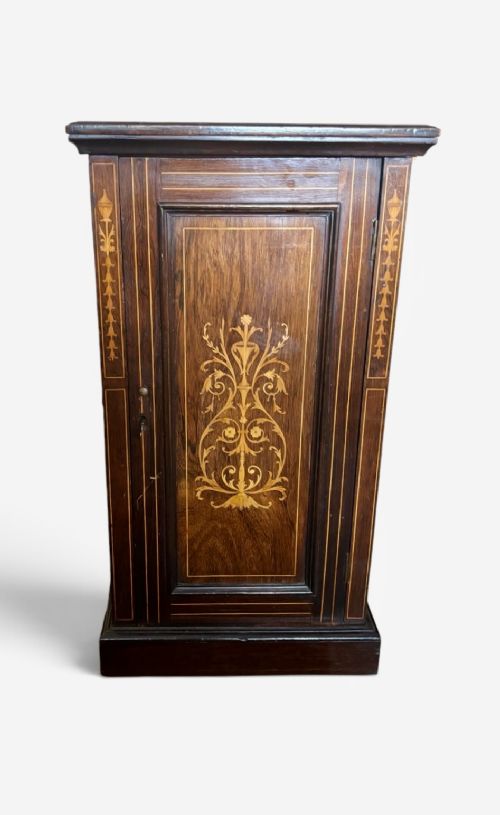
Makers utilised rich rosewood timbers, often enhanced by contrasting satinwood and boxwood inlay or marquetry. Brass hardware and glass panels appear frequently, alongside mirror plates and exotic hardwoods in select pieces.
Construction techniques balanced structural utility with decorative surface work, incorporating detailed marquetry and fine stringing. Cabinet makers shaped corner units, side cabinets, and wardrobes with careful attention to proportion and timber grain.
Former sheet music cabinets occasionally retain their internal wooden dividers, designed to keep household compositions orderly.
What Varies in Quality
The standard of an edwardian rosewood cupboard rests in the crispness of its marquetry and the selection of its timber figures. Finer examples display meticulous satinwood and boxwood inlay that remains sharp and secure within the darker rosewood body.
Construction depth and proportion separate standard output from exceptional work, particularly where specialised forms like music cabinets or breakfront wardrobes are concerned. The integration of quality brass fittings and bevelled glass further distinguishes the upper tier of these pieces.
Edwards and Roberts
The Edwardian Rosewood Cupboard Glossary
- Marquetry
- Decorative veneer work arranged in pictorial or geometric patterns. It uses contrasting woods like satinwood and boxwood set into a rosewood ground.
- Credenza
- A low-standing cabinet or sideboard form. These pieces often incorporate glazed doors and fine inlay work.
- Corner Cabinet
- A storage piece designed to fit neatly into a ninety-degree room angle. They appear in hanging and floor-standing formats.
- Stringing
- Thin lines of contrasting timber inlaid into channels cut into the furniture surface. It provides linear definition to panels and borders.
Edwardian Rosewood Cupboard: Frequently Asked Questions
What is an edwardian rosewood cupboard?
An edwardian rosewood cupboard is a refined storage piece constructed from dark rosewood, frequently decorated with contrasting satinwood inlay and marquetry. These items range from corner units and bedside cupboards to music cabinets and display furniture.
They reflect the sophisticated aesthetic of the early twentieth century and late nineteenth century, combining utility with decorative cabinet work designed for formal reception rooms or private chambers.
How were these cupboards used?
These cabinets served multiple functions within the period home, from housing sheet music and books to displaying decorative porcelain and glassware. Corner units utilised overlooked room angles, while bedside and side cupboards kept personal items concealed.
Their varied forms allowed them to fit into drawing rooms, bedrooms, and music rooms alike, adapting to the specific storage needs of the household.
How do I care for rosewood furniture?
Rosewood furniture requires stable environmental conditions away from direct sunlight and sudden temperature shifts to protect the timber and delicate inlay. Regular dusting with a soft, dry cloth preserves the polished surface without the need for heavy chemical polishes.
Keeping humidity levels steady prevents the wood from moving and protects the intricate boxwood and satinwood stringing from lifting over time.
How can I tell Edwardian from Victorian pieces?
Edwardian pieces often display lighter, airier proportions and refined marquetry influenced by revived Georgian and Sheraton styles. Victorian examples tend to be heavier in build, featuring darker timber tones and denser carving.
Design motifs also offer clues, with Edwardian makers favouring delicate floral and neoclassical inlay patterns compared to the more robust forms seen in earlier nineteenth-century work.