

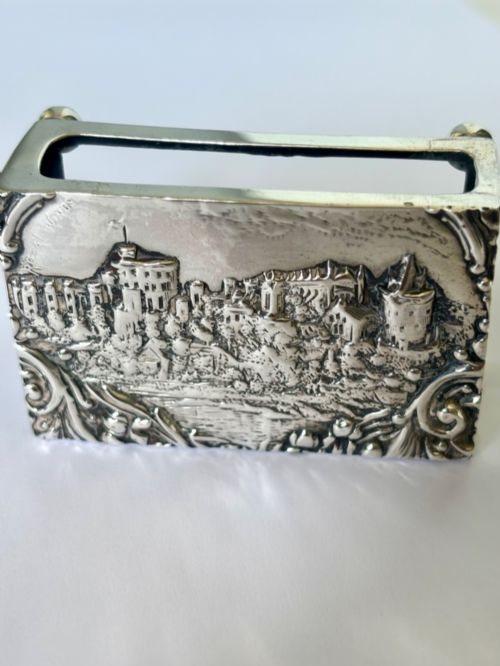
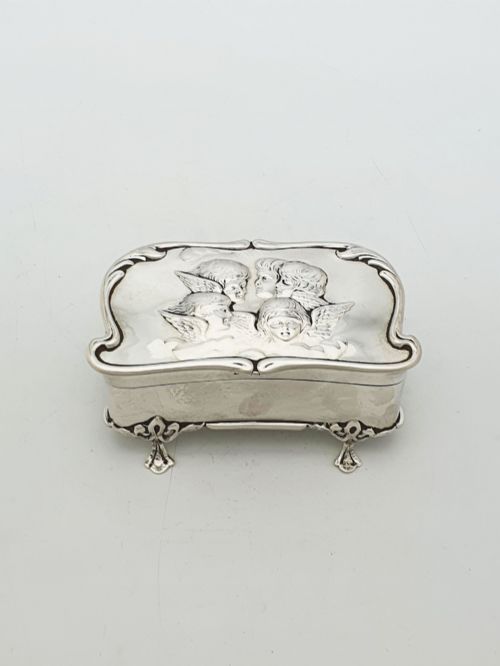

Edwardian Repousse Silver Box
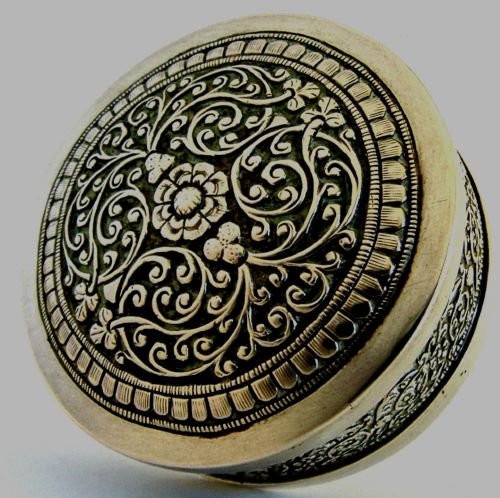
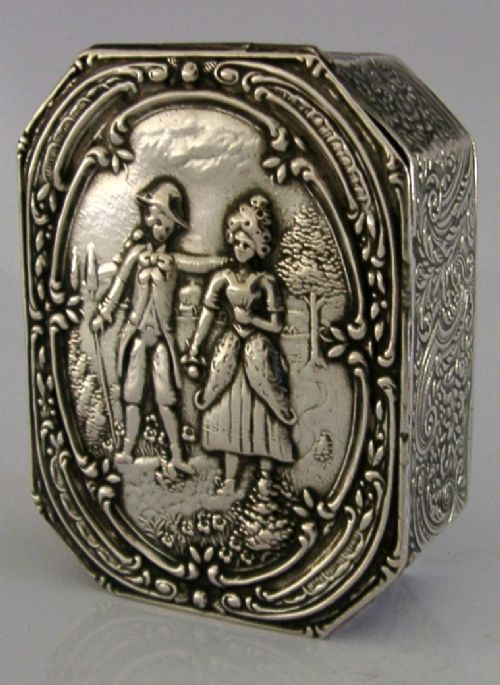
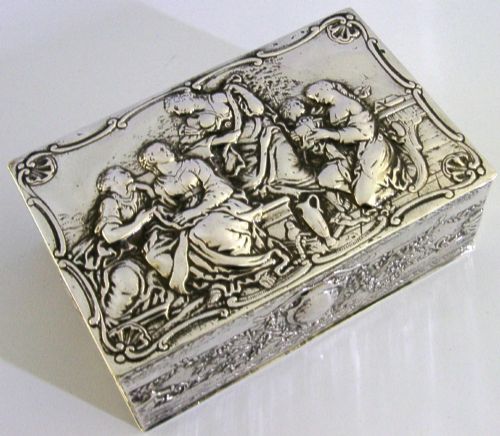
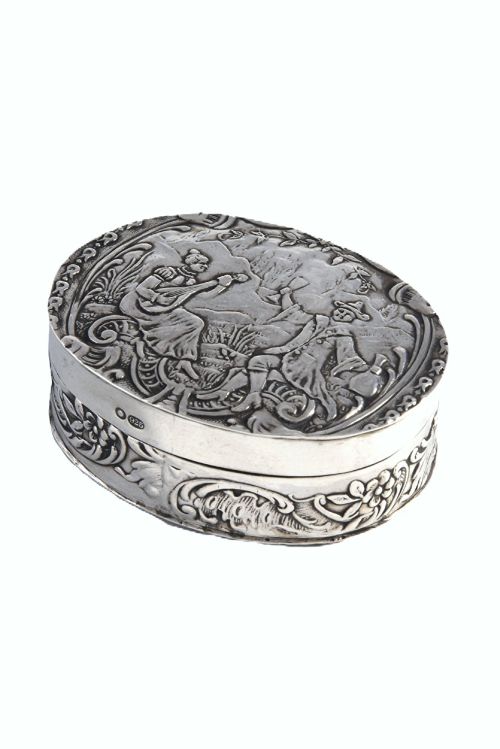
These edwardian repousse silver box pieces combine tactile chased relief surfaces with functional storage, offering a tangible link to early twentieth-century dressing tables.
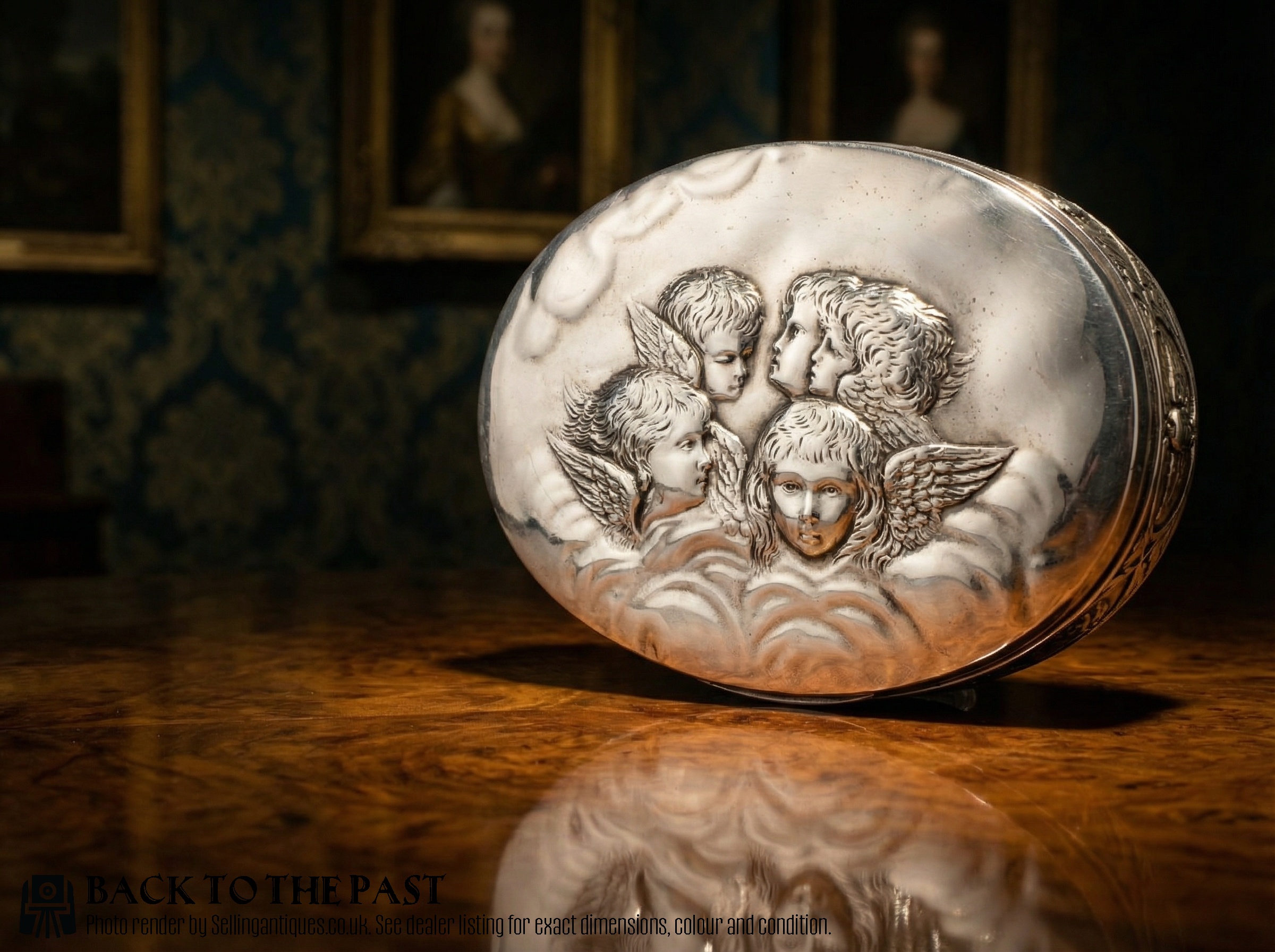
Edwardian Repousse Silver Box
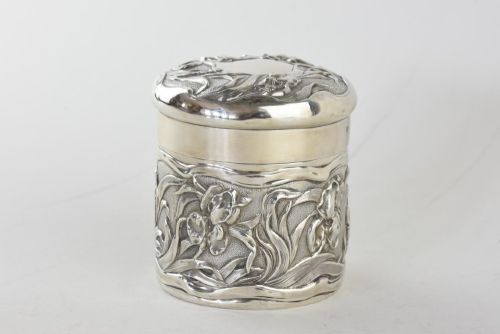
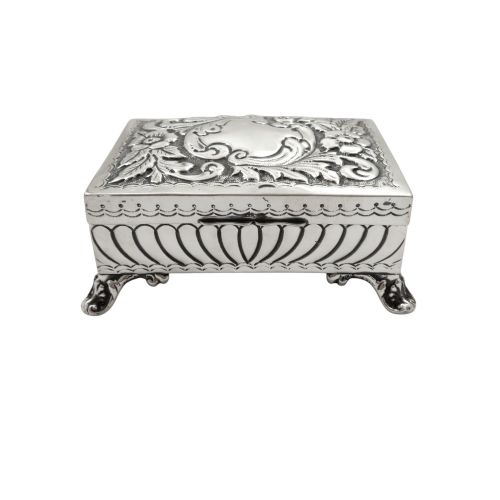
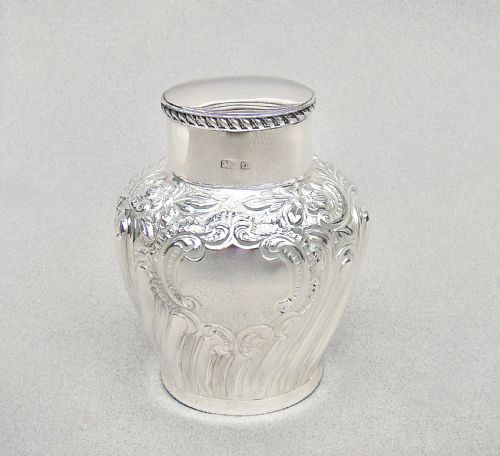
An edwardian repousse silver box primarily takes the form of a small trinket container, jewellery casket, or tea caddy produced during the early twentieth century. Most examples found here originate from British assay offices, featuring hinged lids and raised decorative motifs.
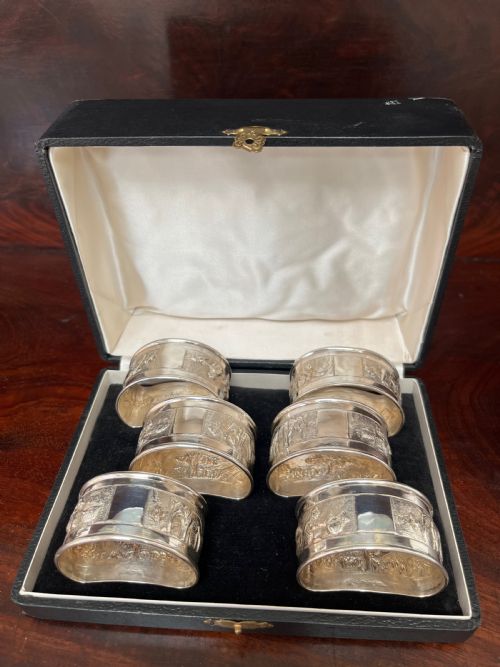
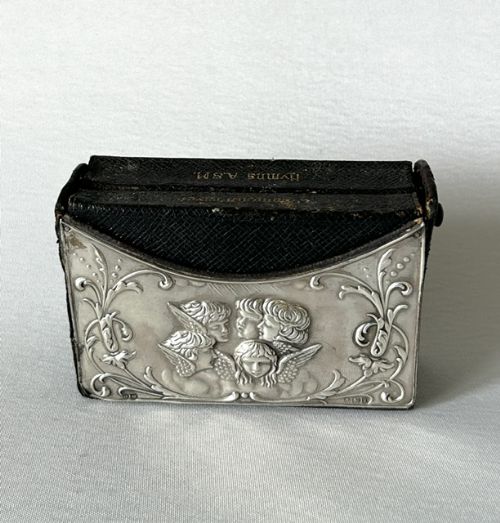
The selection extends to related desk and vanity accessories, including card cases, matchbox covers, and pill boxes. While many date strictly to the Edwardian period, surrounding examples stretch from late Victorian years into the early twentieth century.
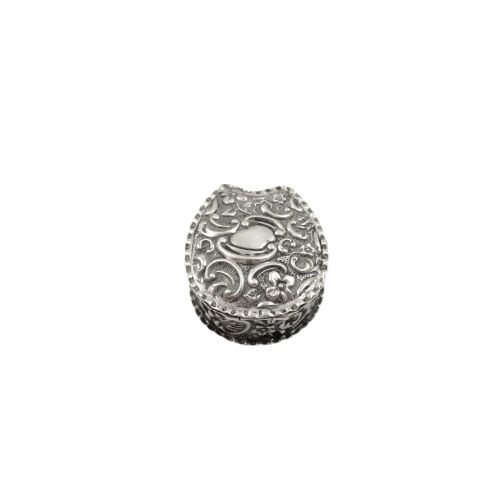
Makers utilised various silhouettes, ranging from simple oval and rectangular vessels to heart shapes and novelty items. Interiors frequently retain original linings of silk, velvet, or gilt wash.
Materials and Technique
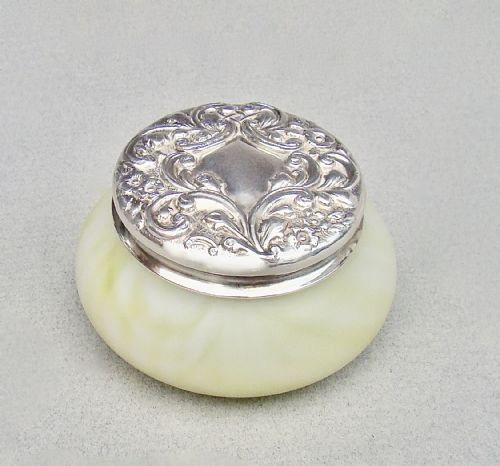
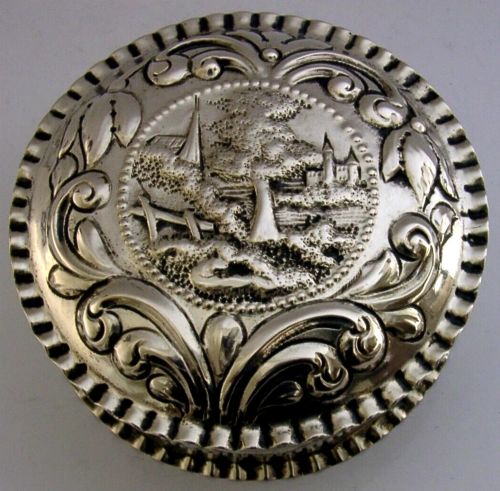
Silversmiths constructed these vessels from sterling silver or solid silver, sometimes combining the metal with cut glass, satin glass, or oak. The primary technique involves repousse work, where craftsmen hammered and punched the metal from the reverse side to create raised pictorial or floral relief.
Detailing was frequently finished by chasing from the front side to sharpen contours and add texture. Makers also incorporated internal elements such as gilded washes and textile linings to enhance the presentation of stored items.
Listings feature items spanning the Edwardian period, late Victorian era, and the nineteen-twenties, constructed from sterling silver, cut glass, and satin glass.
Quality Variations
Quality in an edwardian repousse silver box rests on the crispness and depth of the metal relief work. Superior pieces display sharply defined motifs without thinning of the silver sheet from excessive hammering.
The weight of the metal and the precision of the hinge and clasp mechanism also distinguish finer productions. Well-preserved interior linings and clear hallmarks further separate standard domestic items from exceptional silversmith output.
Goldsmiths and Silversmiths Company·A. Bromet and Co·Thomas Hayes·William Hutton and Sons Ltd·William Comyns and Sons·William Neale and Sons·Walker and Hall·Artificer's Guild
The Edwardian Repousse Silver Box Glossary
- Repousse
- A metalworking technique where the artisan hammers a design from the reverse side to form a raised relief on the front. This method creates tactile, three-dimensional decorative surfaces.
- Sterling silver
- An alloy consisting of ninety-two point five percent silver by mass, with the remainder being other metals such as copper. It serves as the standard material for British silver goods.
- Hallmark
- A series of official marks stamped on items to indicate the standard of purity, the assay office, and the year of production. These stamps provide verifiable historical context.
- Gilt interior
- A thin layer of gold applied to the inside surface of a silver vessel. This treatment protects the silver from tarnishing when in contact with contents.
- Tea caddy
- A small container originally designed to store loose tea leaves securely. Many examples feature tight-fitting lids to preserve the contents.
Edwardian Repousse Silver Box: Frequently Asked Questions
What were these silver boxes used for?
These containers served primarily to hold small personal valuables on dressing tables, including rings, trinkets, pins, and calling cards. Tea caddies fulfilled a specific domestic role for storing loose tea leaves.
Over time, their usage shifted from practical daily items to decorative display pieces and collectible antique objects.
How do I identify an Edwardian silver box?
Identification relies primarily on reading the hallmarks stamped onto the metal, which indicate the specific assay office and date letter corresponding to the Edwardian era. Stylistic clues also help, as many pieces incorporate floral motifs typical of the period.
Comparing the form and construction details against known examples from the same decade confirms the manufacturing timeframe.
How should I clean my silver box?
Maintenance requires gentle cleaning with a specialised silver polishing cloth to remove tarnish without disturbing the delicate repousse relief work. Liquid dips should be avoided, particularly on pieces with fabric interiors or gilt surfaces.
Regular, light dusting prevents the accumulation of grime in the recessed channels of the chased design.
Can I store jewellery inside them daily?
These boxes function well for holding modern trinkets, provided the interior velvet or silk lining remains in suitable condition. Care must be taken with delicate hinges and clasps during regular opening and closing.
For pieces with gilt interiors, avoiding abrasive items preserves the gold wash against premature wear.