


Edwardian Porcelain Decorative Urns
Edwardian porcelain decorative urns bring refined shape and intricate hand painting into a room, spanning delicate floral motifs and rich Imari palettes.
Edwardian Porcelain Decorative Urns
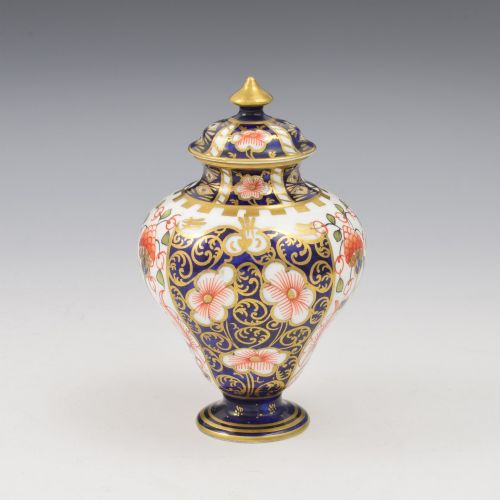
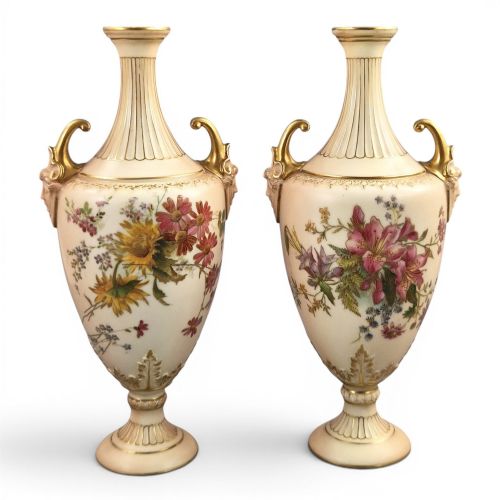
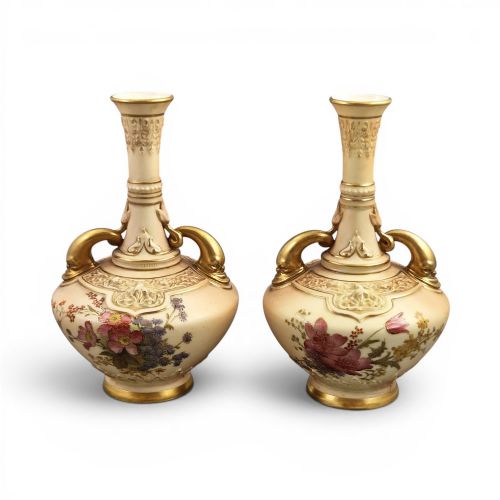
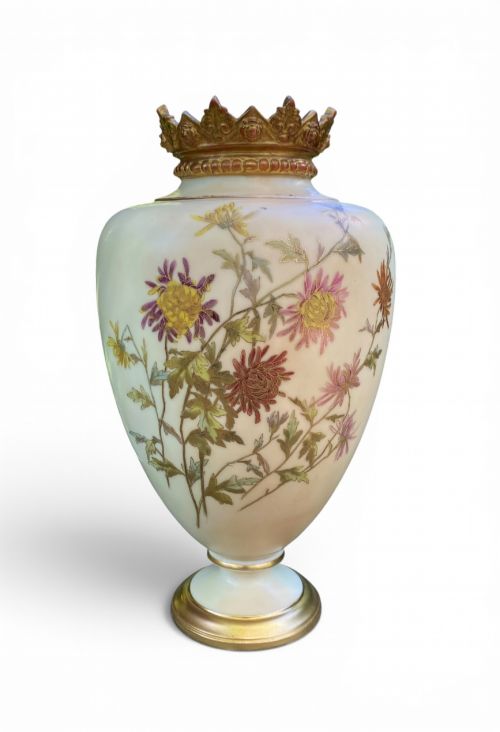
When buyers search for edwardian porcelain decorative urns, they encounter vessels designed primarily for display rather than functional use. The forms range from classical lidded urns and pot pourri jars to twin handled vases and decorative ewers produced around the turn of the twentieth century.
The pieces appearing on this page stretch from late Victorian production through the Edwardian years into the 1920s. Alongside British factory output, visitors find examples executed in Japanese Meiji period styles utilising traditional Imari patterns.
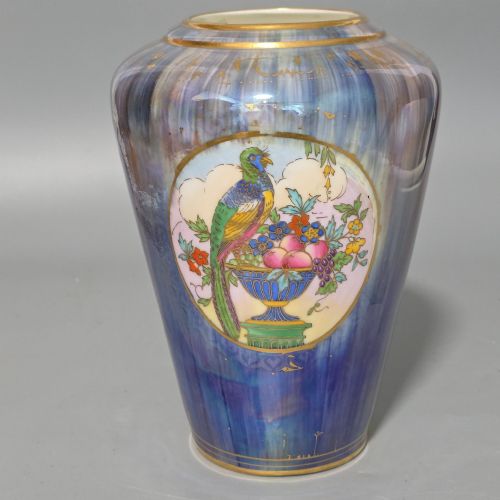
Most items on display sit within the broader family of decorative vases and cachepots. Collectors encounter pairs and individual cabinet pieces bearing hand painted scenes of birds, cattle and floral subjects.
Materials and construction
Pottery bodies receive smooth ceramic glaze providing a clean surface for subsequent decoration. Makers apply enamel colours by hand before firing, fixing the pigments permanently into the glaze.
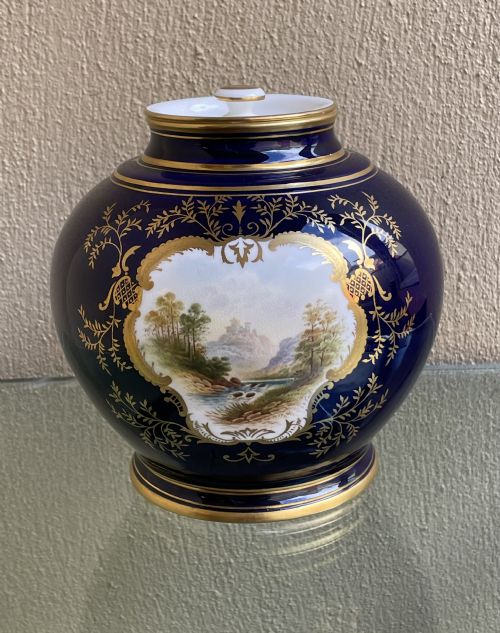
Gilt ornamentation and gold leaf highlights frequently frame the painted panels and accentuate handles, rims and covers. Artisans paint fine details onto blush ivory grounds or deep cobalt blue and iron red Imari palettes.
Listings feature items produced across the 19th Century, Edwardian era, and the 1920s, utilising porcelain, ceramic, and gold leaf.
Assessing quality and execution
The distinction between standard factory output and top tier pieces rests upon the skill of the artist painting the scene. Signed works by recognised painters exhibit superior brushwork, precise anatomical detail in animals and birds, and careful tonal control.
The application of gilding and the crispness of moulded handles also separate ordinary vessels from finer examples. Heavier, more elaborate decorative schemes involving complex enamel work and balanced colour palettes indicate higher workshop ambition.
Royal Crown Derby·Royal Worcester·Minton·Coalport·Royal Doulton
The Edwardian Porcelain Decorative Urns Glossary
- Imari palette
- A traditional decorative scheme employing rich cobalt blue, iron red and gold leaf. This style originates from Japanese porcelain traditions and heavily influences British factories.
- Pot pourri
- A lidded vessel pierced to allow scent to diffuse from dried flower petals inside. These jars often feature intricate hand painted botanical or landscape scenes.
- Blush ivory
- A soft, creamy ceramic ground developed to imitate ivory. It serves as a warm background for delicate floral painting.
- Ewer
- A large jug with a shaped spout and curved handle, often produced purely for decorative display. Many examples stand paired with matching urns or vases.
- Gilding
- The application of gold leaf or gold paint to ceramic surfaces. It highlights rims, handles and structural details on decorative pieces.
Edwardian Porcelain Decorative Urns: Frequently Asked Questions
How do I care for antique porcelain urns?
Dust these decorative pieces gently with a soft dry brush to protect delicate enamel work and gold leaf highlights. Avoid using water or chemical cleaners on antique surfaces.
Keep urns away from direct sunlight to prevent fading in hand painted pigments over time.
Were these urns used for flowers?
Most pieces serve primarily as ornamental cabinet items rather than functional vessels for water and fresh stems. Lidded urns and pot pourri jars function best displayed empty or holding dried botanical materials.
Certain vases and jug forms accommodate small floral arrangements, though collectors generally preserve them for display.
How can I identify Edwardian periods?
Makers often stamp factory marks and pattern numbers on the base of the ceramic body. Date ciphers and registration numbers help narrow down the exact year of manufacture.
Stylistic cues such as blush ivory grounds and signature painting styles align pieces with turn of the century production.