

Edwardian Pocket Silver
Edwardian pocket silver comprises portable personal accessories fashioned from sterling silver, offering a glimpse into the tactile daily habits of the early twentieth century.
Edwardian Pocket Silver
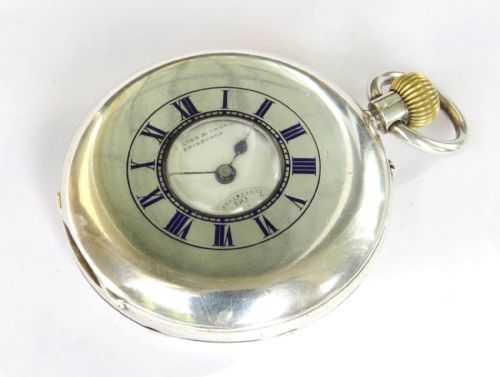
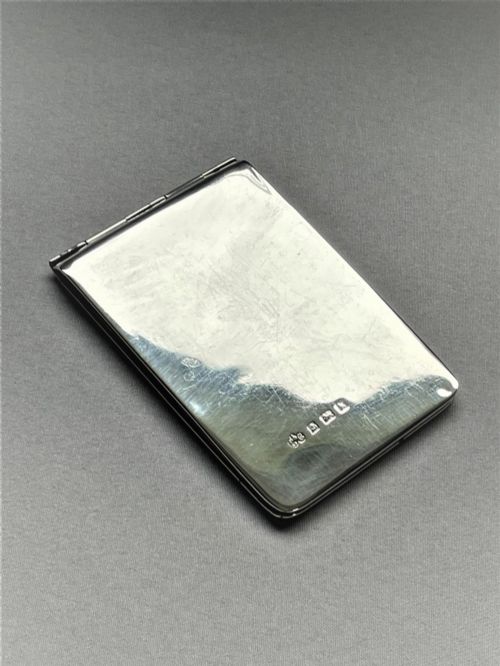
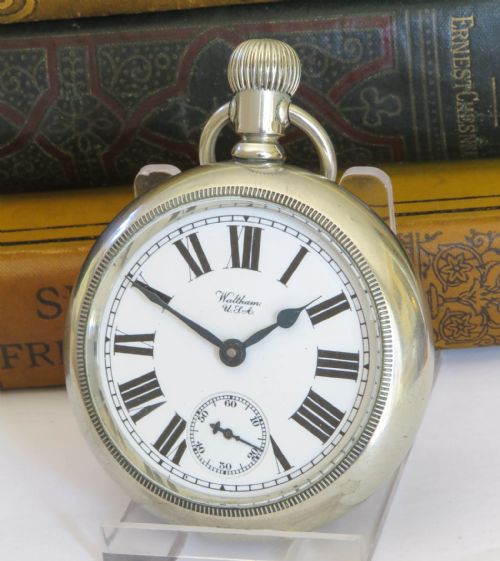
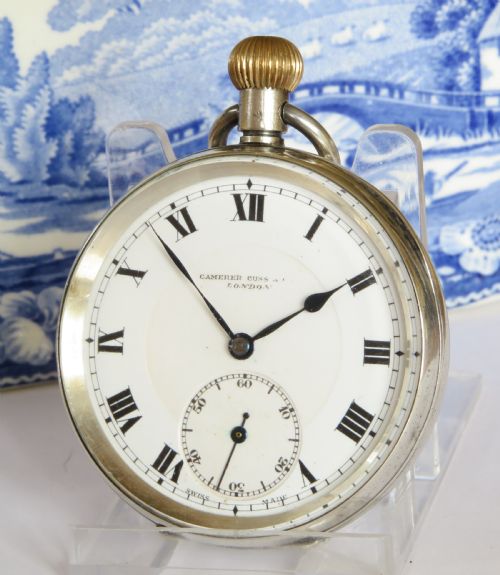
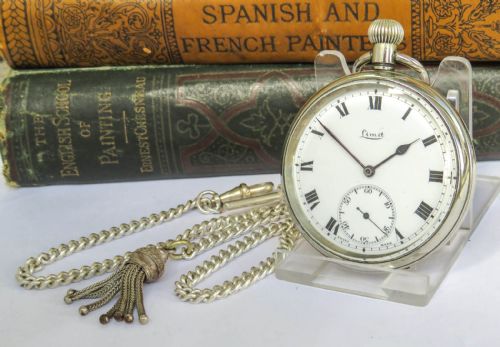
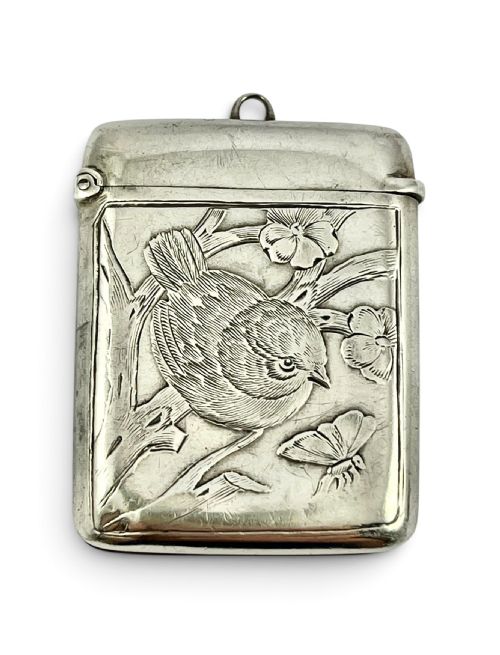
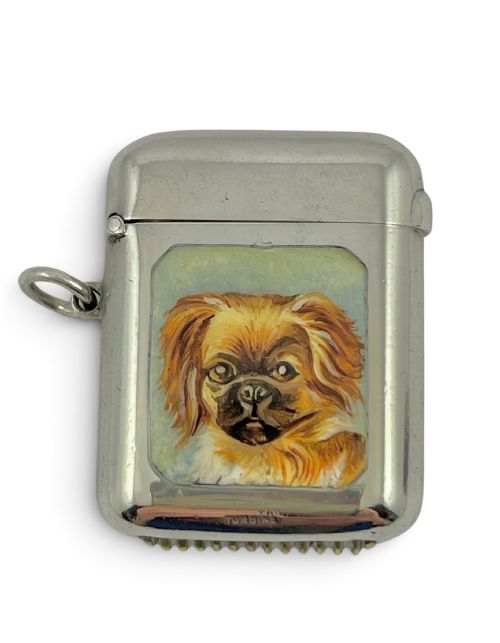
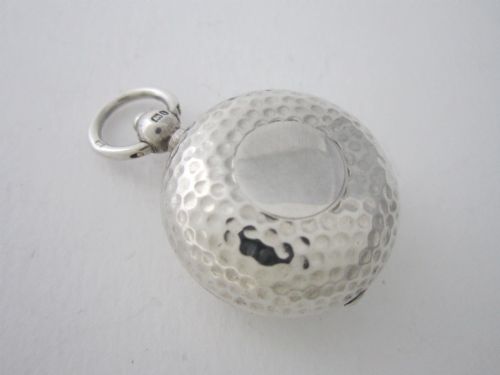
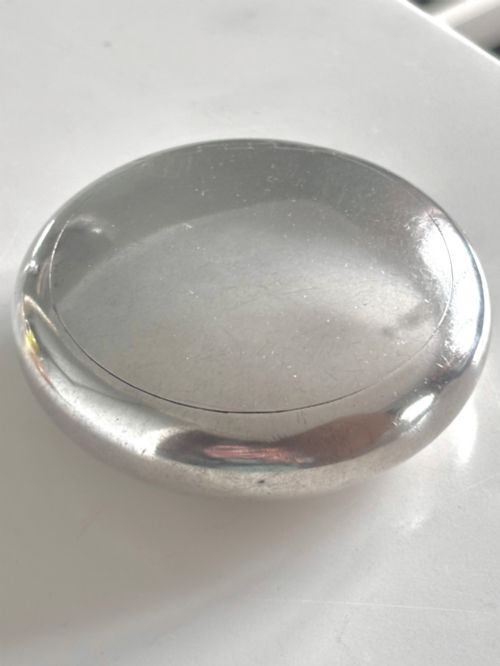
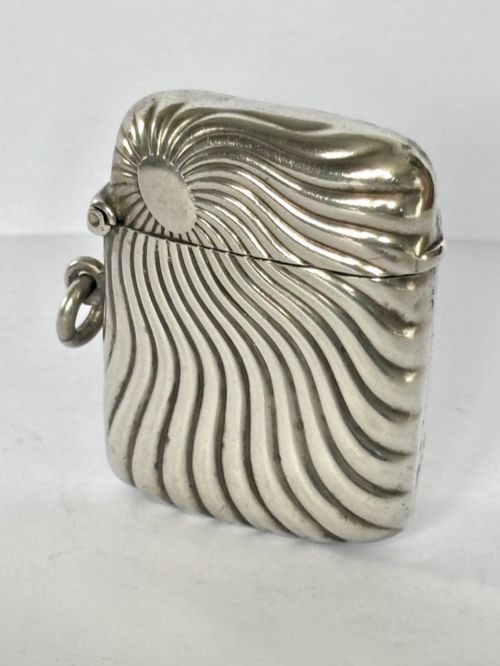
When searching for edwardian pocket silver, collectors encounter a diverse array of items designed for personal use and daily carry during the early twentieth century. The selection ranges from functional timekeeping apparatuses and watch chains to small containers such as vesta cases, sovereign holders, and card cases.
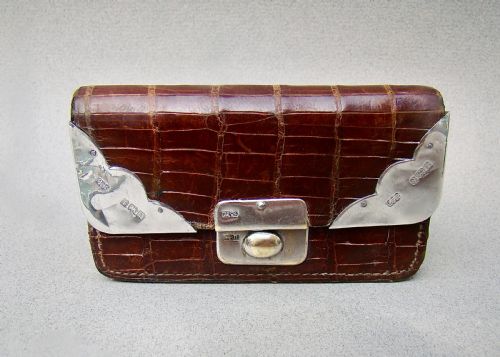
Vesta cases and sovereign holders appear frequently alongside pocket watches and albert chains, reflecting the prevalence of smoking and cash transactions in the period. Other forms include silver-mounted leather purses, aide-mémoires, and portable inkwells intended for travel or desktop utility.
The objects frequently bear hallmarks from British assay offices such as Birmingham, Chester, and London, confirming their origins in the Edwardian era and surrounding decades. These pieces bridge the gap between utility and ornamentation, serving practical roles while displaying contemporary decorative styles.
How they were made
The construction of edwardian pocket silver relies primarily on sterling silver, frequently paired with secondary materials like enamel, glass, brass, steel, and crocodile leather. Metalsmiths utilised techniques such as stamping, planishing, and engraving to shape and texture the surfaces of vesta boxes, match safes, and watch cases.
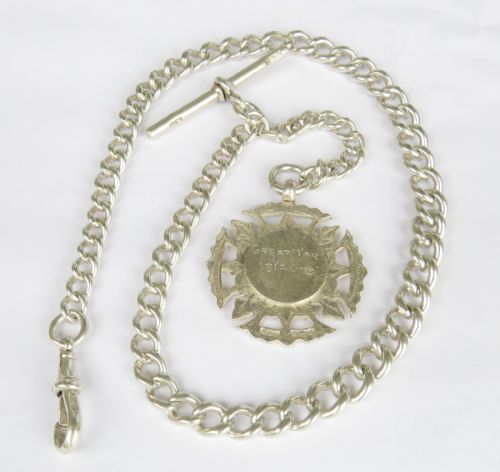
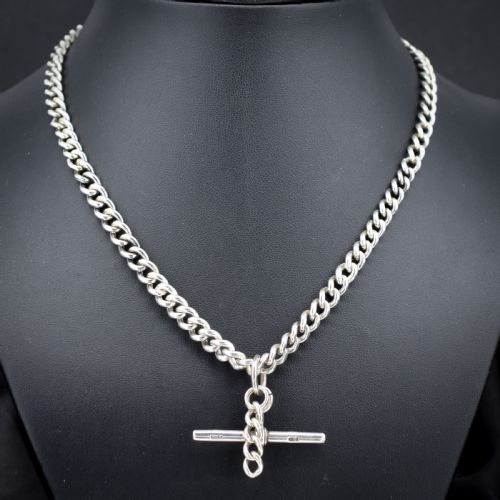
Links for watch chains were formed in uniform curb, trombone, and figaro patterns, assembled by hand and fitted with dog clips and T-bars. Decorative elements ranged from sunburst engravings to applied enamel details and repoussé scenes, combining structural durability with intricate ornamentation.
Listings feature items from the Edwardian period alongside late Victorian and early 20th-century pieces, incorporating materials like crocodile leather and enamel.
What varies in quality
Quality in edwardian pocket silver is determined by the crispness of the hallmarks, the integrity of the hinges and spring-loaded lids, and the depth of any hand-engraved decoration. Pieces featuring specialised maker marks or combined functions, such as dual sovereign and vesta compartments, demonstrate superior craftsmanship.
The survival of original surface textures, planished finishes, and intact enamel or leather mountings distinguishes finer examples from heavily worn or polished pieces. The weight and gauge of the sterling silver used in the construction also dictate the overall substantial feel of the item.
Charles Penny Brown·Aaron Lufkin Dennison·Mappin and Webb·Robert Chandler
The Edwardian Pocket Silver Glossary
- Vesta case
- A small pocket container specifically designed to hold matches and keep them dry. These boxes typically feature a striking surface on the base.
- Albert chain
- A watch chain attached to a pocket watch, worn across the waistcoat and secured with a T-bar. They are named after Prince Albert.
- Half hunter
- A pocket watch featuring a case with a glass or open centre in the front cover, allowing the user to read the time without opening the case.
- Sovereign case
- A small, round pocket container engineered to securely store British gold sovereign coins. They often incorporate internal spring mechanisms.
- Planished
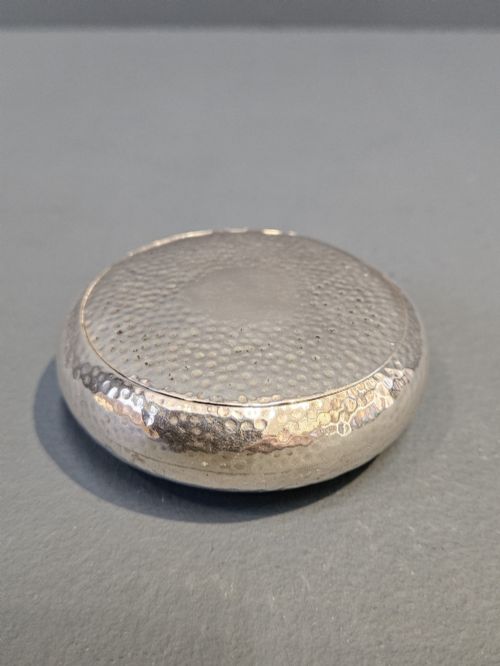
- A metalworking finish achieved by hammering the surface with a polished tool to create subtle, uniform facets and texture.
- Hallmark
- An official stamp applied to precious metals indicating the standard of purity, the assay office, and the year of manufacture.
Edwardian Pocket Silver: Frequently Asked Questions
What is a vesta case used for?
A vesta case served as a portable container for holding matches, commonly known as vestas, before the widespread availability of safety matches. They protected the matches from moisture and accidental ignition in the pocket.
These small boxes were carried daily by both men and women, often featuring a serrated strip at the bottom for striking the match upon removal.
How do you wear an albert chain?
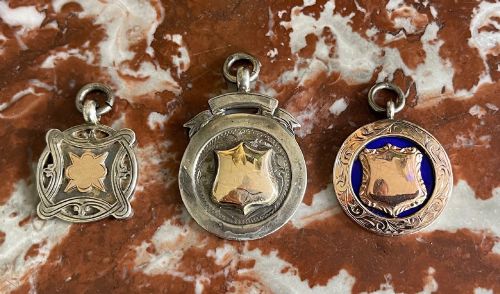
An albert chain was traditionally worn across the front of a waistcoat, with the pocket watch tucked into one pocket and the T-bar passed through a buttonhole to secure it. The opposite end often suspended decorative fobs, seals, or medallions.
Single albert chains connected from a buttonhole to a single pocket, while double albert chains draped across the chest and connected to pockets on both sides.
How do I read silver hallmarks?
British silver hallmarks consist of a series of stamped symbols that identify the purity of the metal, the town of assay, and the year of manufacture. Standard marks include the lion passant for sterling silver and specific town symbols like an anchor for Birmingham or three wheat sheaves for Chester.
Date letters change annually according to specific alphabetic cycles used by each assay office, allowing precise dating of Edwardian pieces.