

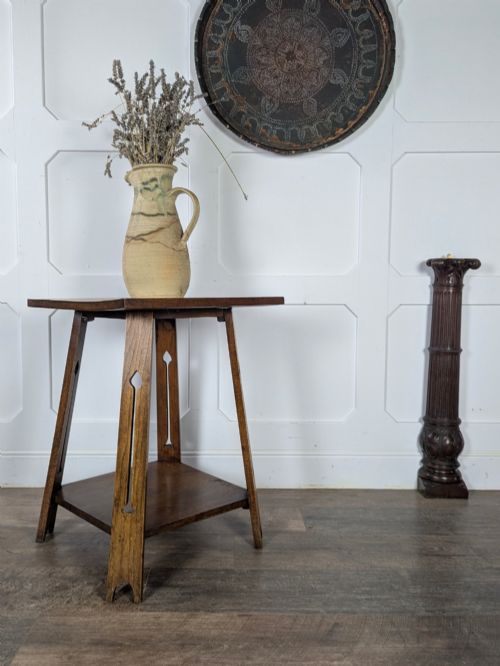
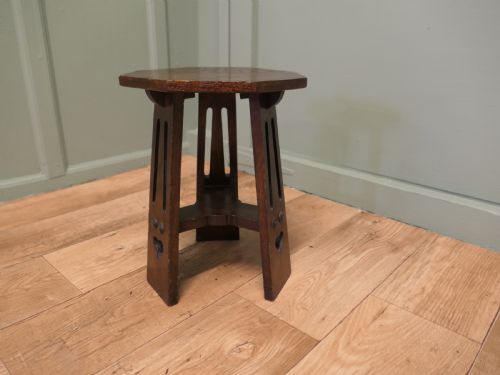

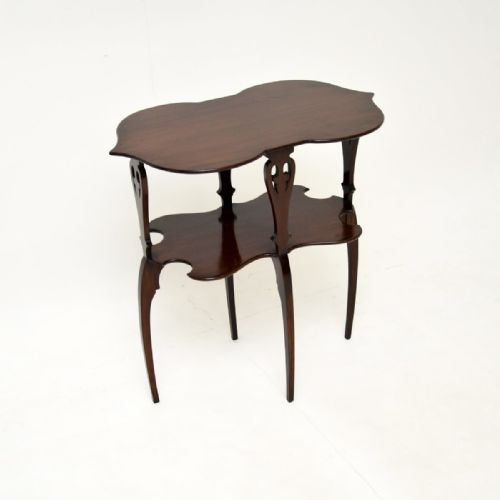
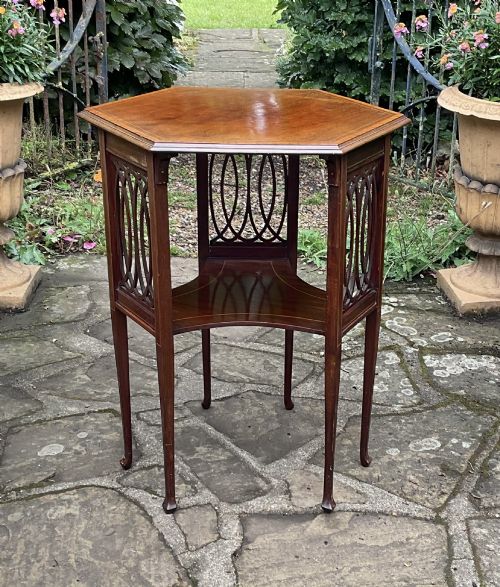


Edwardian Pierced Side Table
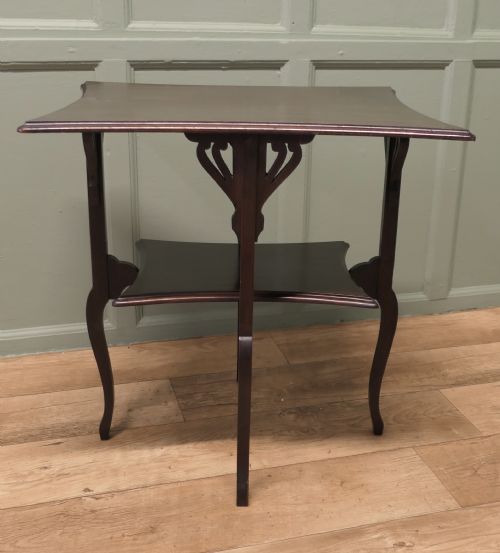
An edwardian pierced side table brings refined proportion and timber warmth into a room, serving as a versatile surface for lamps or books.
Edwardian Pierced Side Table
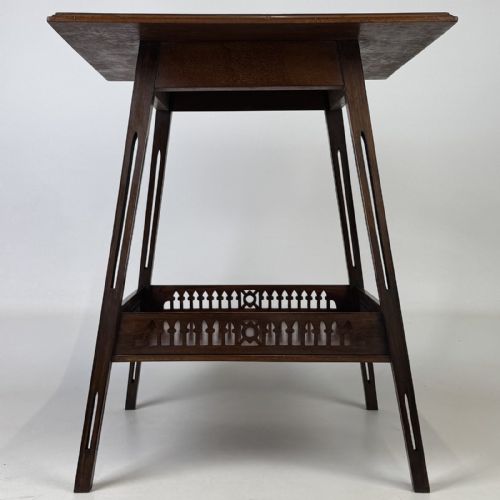
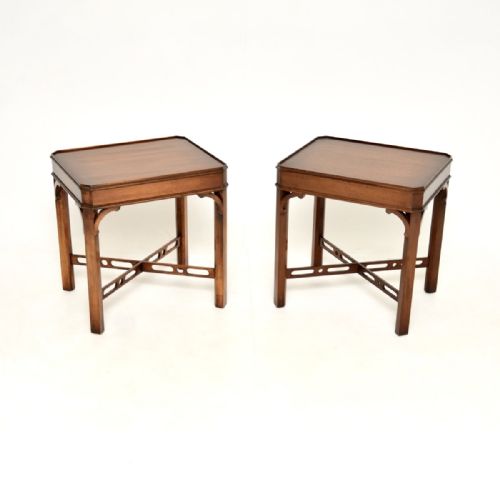
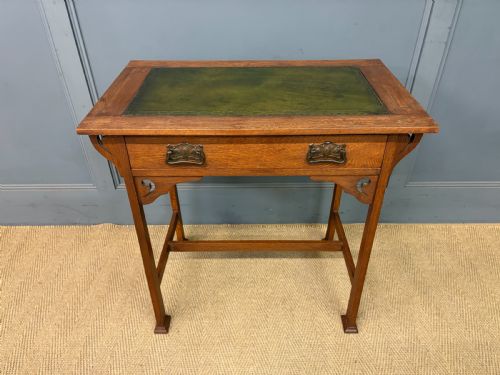
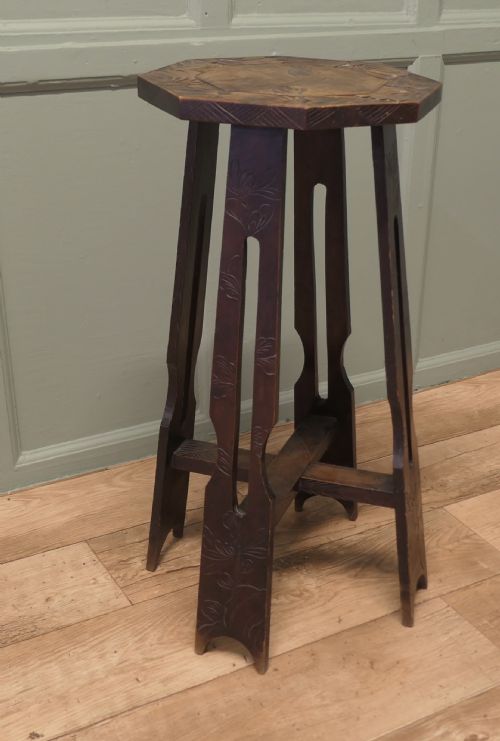
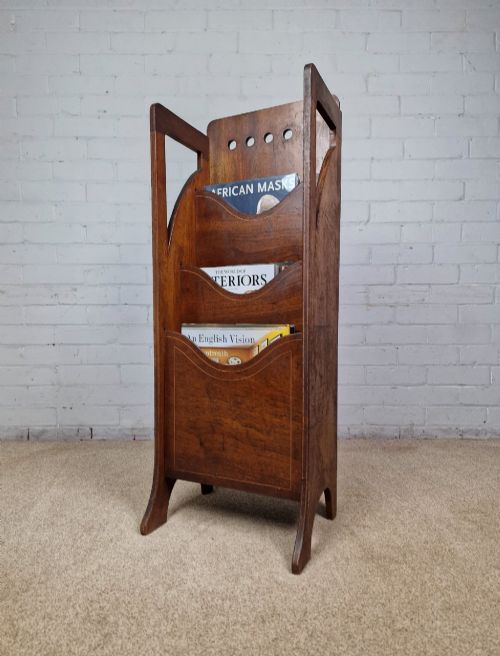
When searching for an edwardian pierced side table, buyers encounter a variety of occasional, lamp, and writing tables dating primarily from the Edwardian period and the late nineteenth century. These items serve functional domestic roles, frequently appearing as compact centre tables, plant stands, or two-tier gallery tables. The forms reflect the prevailing domestic habits of the era, offering convenient placement beside seating or in hallways.
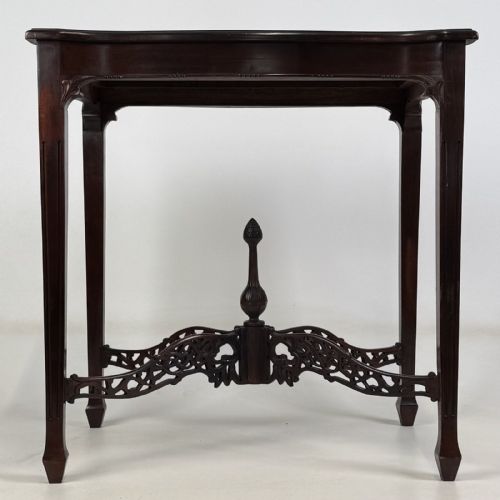
The material palette spans multiple timbers, with mahogany, oak, and satinwood appearing alongside walnut and teak. Stylistic influences vary from straightforward Edwardian designs to Arts and Crafts, Chippendale Revival, and Anglo-Indian traditions. Buyers will find both simple utilitarian pieces and more decorative variants featuring inlay or carved detailing.
How they were made
Cabinet makers utilised solid hardwoods and selected veneers, frequently combining mahogany or oak with contrasting boxwood inlay. Construction methods relied on traditional joinery techniques appropriate to the period, ensuring structural stability for everyday use.
Decorative surfaces often incorporated carved elements, intricate pierced galleries, or specialised inlays such as satinwood and boxwood. Finish application typically involved polishing methods that highlighted the natural grain and colour of the timber.
Edwardian Pierced Side Table Retail Price Guide 2026
Typical asking prices for edwardian pierced side table among the pieces listed under this phrase on Sellingantiques today, from the lower quarter to the upper quarter. They describe what is for sale here now, not the wider market.
Several tables include pierced galleries designed specifically to keep stray teacups from wandering off during lively Victorian parlour discussions.
What varies in quality
Quality differences emerge in the selection of timber and the precision of the joinery and inlay work. Superior examples display carefully matched wood grains and crisp, hand-cut details rather than mass-produced uniformity.
The integrity of the construction, the crispness of any carved piercing or edge moulding, and the retention of original surfaces distinguish finer items from more utilitarian productions.
Liberty
The Edwardian Pierced Side Table Glossary
- Gallery
- A raised ornamental border running along the edge of a table top, often pierced or fret-cut. It prevents items from sliding off the surface.
- Inlay
- A technique where pieces of contrasting timber or material are fitted into depressions within the primary surface to form a pattern. Boxwood and satinwood are frequently used for this purpose.
- Sutherland table
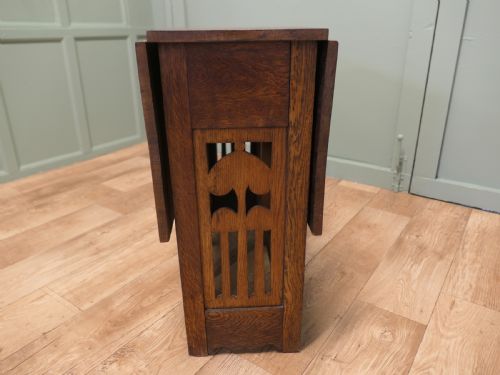
- A narrow drop-leaf table with hinged flaps that fold down steeply on either side. It was designed to occupy minimal floor space when closed.
- Occasional table
- A small, movable table intended for intermittent use around a sitting room or parlour. These pieces often function as lamp or display stands.
Edwardian Pierced Side Table: Frequently Asked Questions
What is an edwardian pierced side table used for?
These pieces function primarily as convenient surfaces for lamps, books, or decorative objects within a residential interior. Their compact proportions allow them to sit easily beside seating or in hallways.
They also serve as display stands or occasional writing surfaces depending on the specific configuration of the table top and lower tiers.
How do I identify an Edwardian table?
Edwardian tables generally date from the period around the turn of the twentieth century and often incorporate lighter timbers and refined inlay work. They frequently show stylistic influences from earlier eras, such as Sheraton or Chippendale revivals.
Construction details and timber choices help distinguish these pieces from earlier Victorian or later mid-century furniture.
What woods were commonly used?
Cabinet makers predominantly utilised mahogany, oak, and walnut for the primary structure of these tables. Finer examples frequently incorporate satinwood veneers and boxwood inlay for decorative contrast.
Alternative materials such as teak and pitch pine also appear within specific regional or stylistic groups.
How should I care for a vintage wooden table?
Maintain the timber by keeping the table away from direct heat sources and strong sunlight, which can dry out or fade the polish. Regular dusting with a soft, dry cloth preserves the finish.
Avoid using silicone-based polishes or excessive moisture, opting instead for traditional furniture wax when the surface requires nourishment.