

Edwardian Pendant Shade
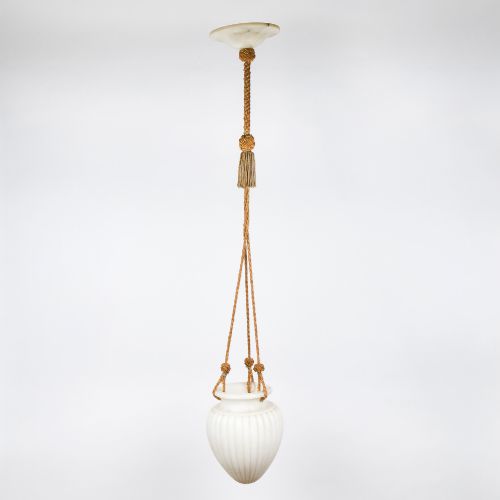
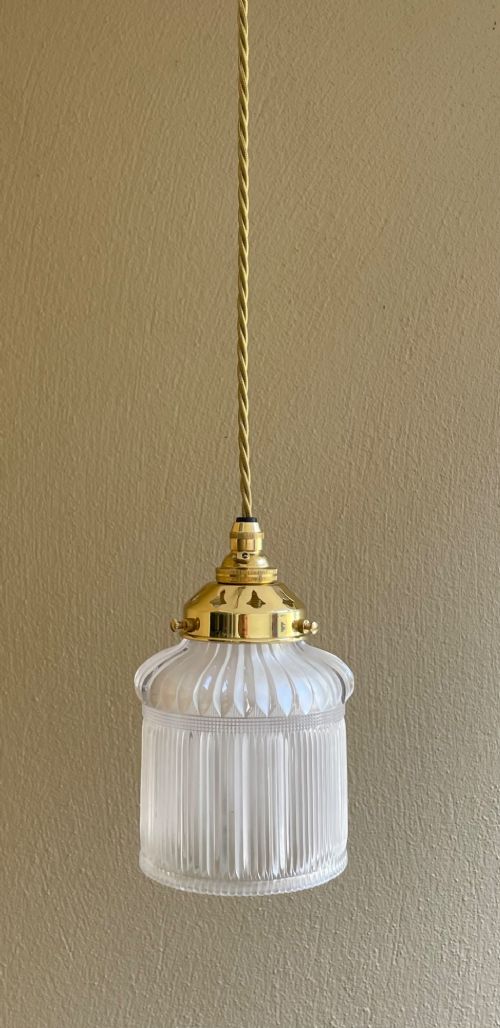
An edwardian pendant shade brings bright, diffuse ceiling illumination into a room, combining moulded glass with polished metal galleries.
Edwardian Pendant Shade
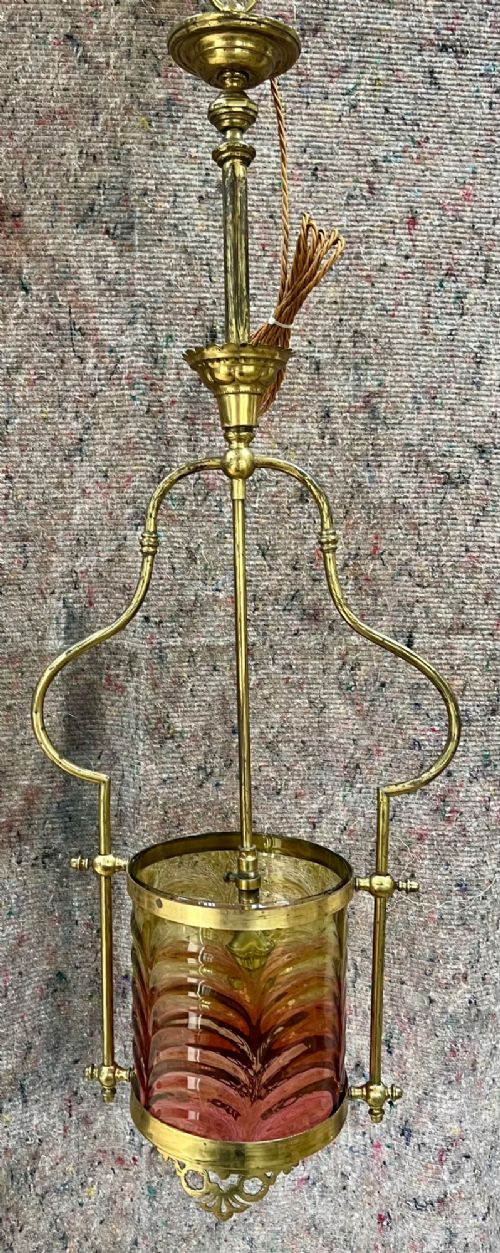
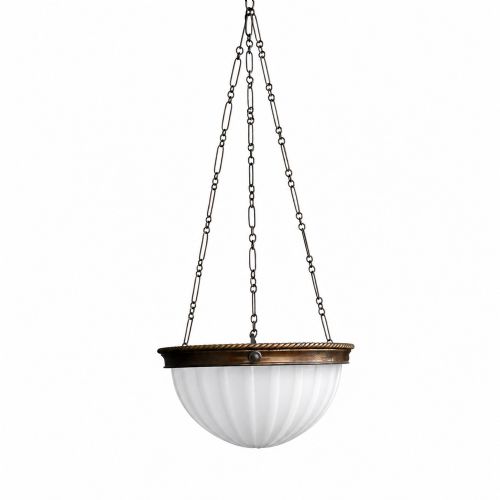
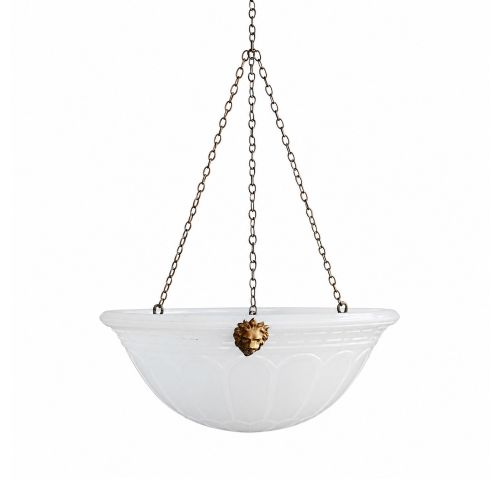
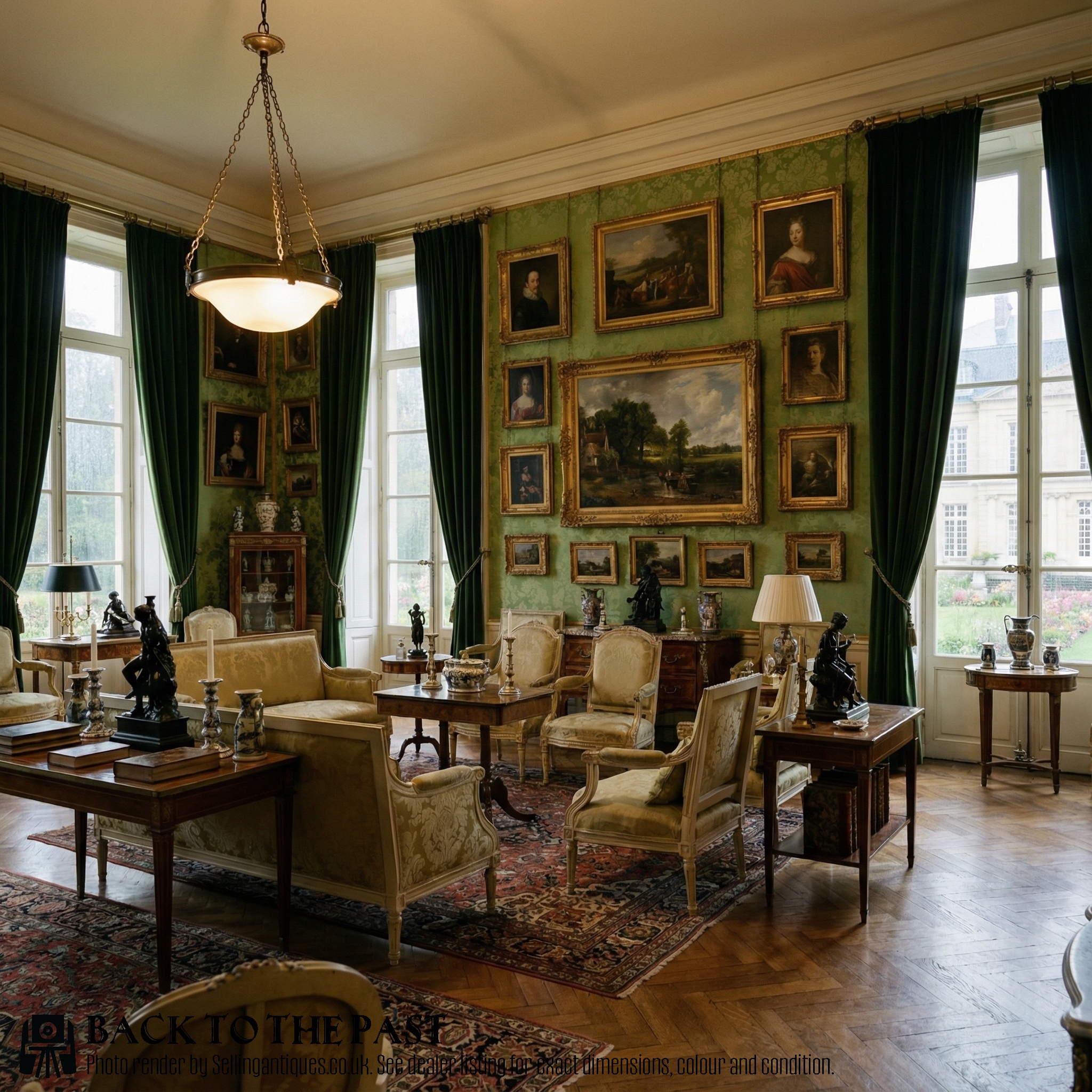
The edwardian pendant shade sits overhead, suspended on brass or silver chains, directing illumination downward into hallways, parlours and dining rooms. These pieces originate from the early decades of the twentieth century, bridging Victorian opulence and later industrial utility.
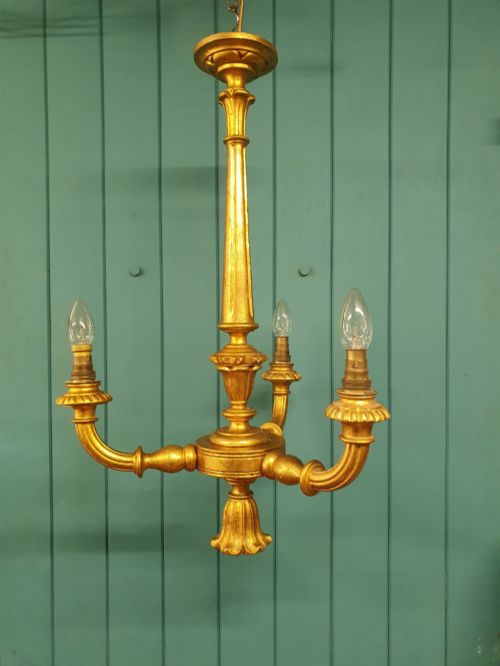
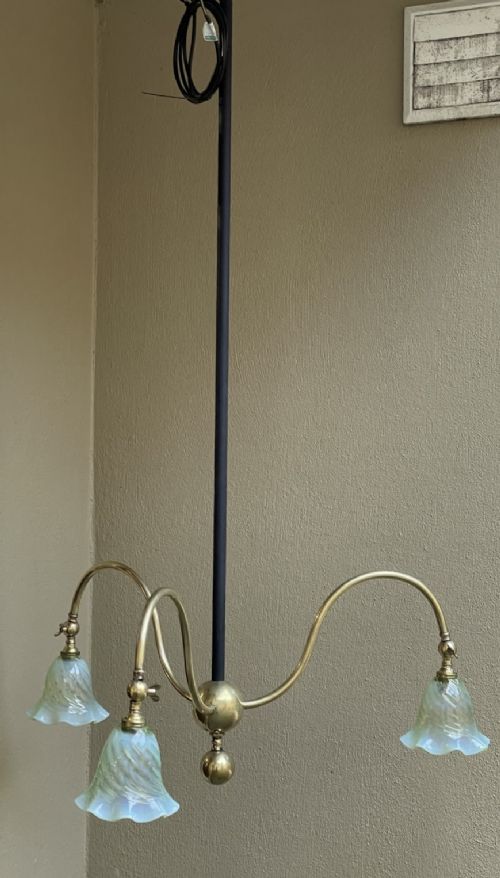
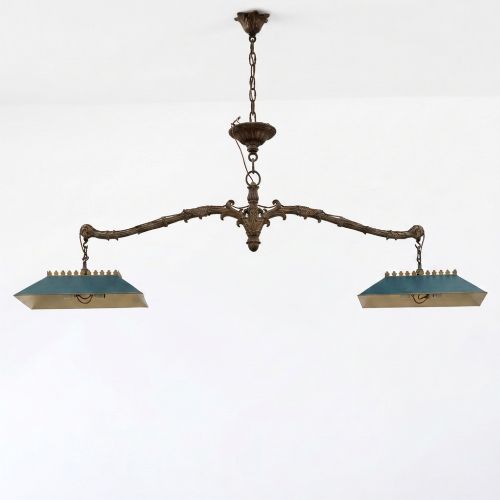
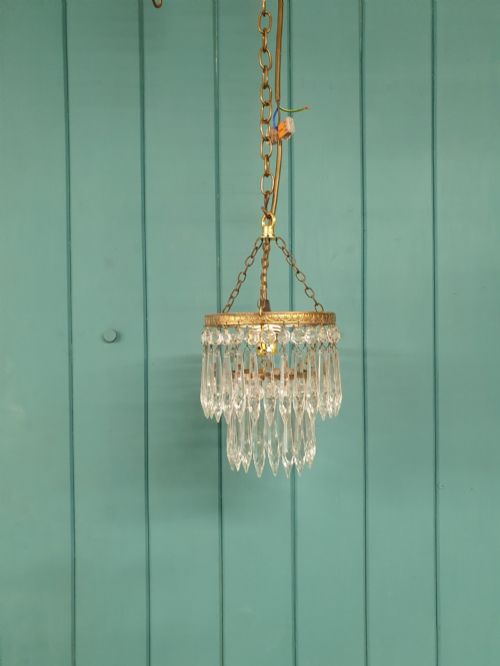
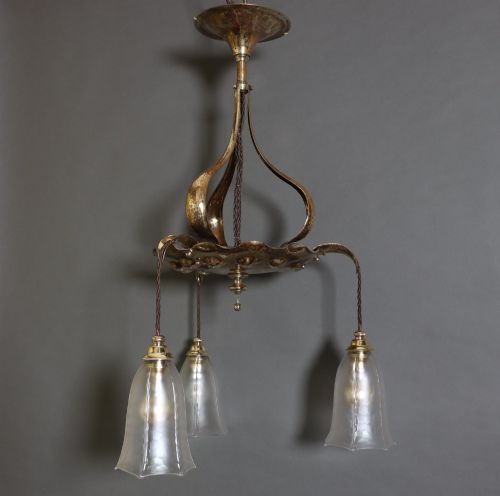
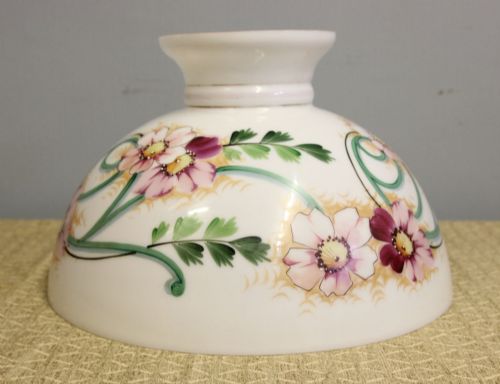
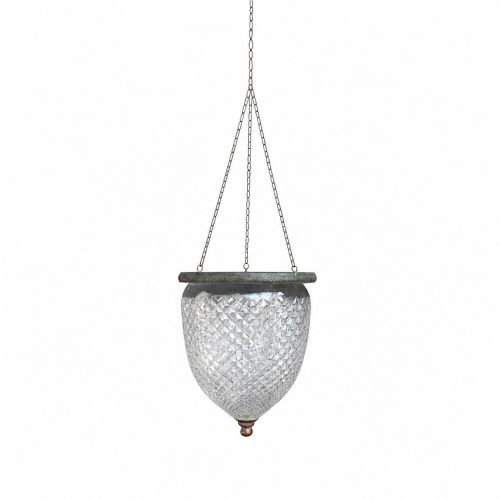
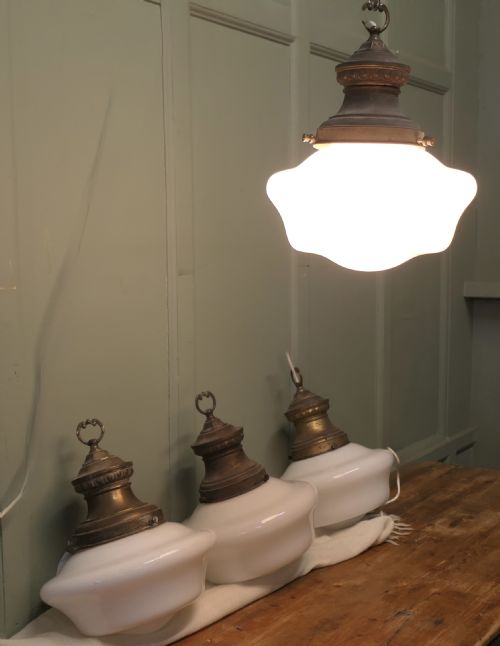
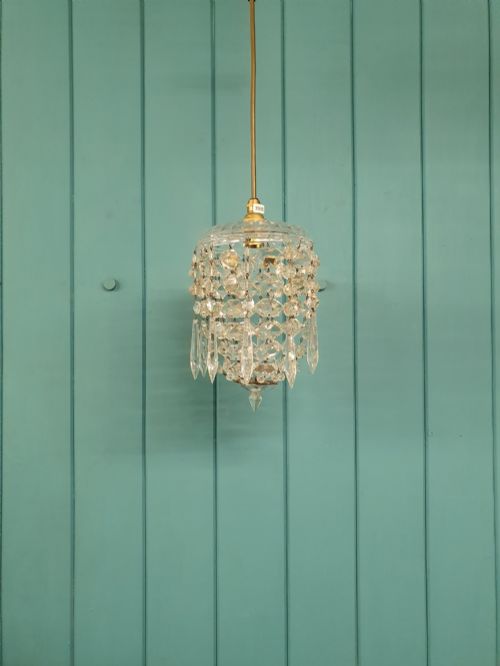
Visitors to this page most frequently encounter moonstone glass shades and prismatic glass bowls, alongside cut glass crystals held in brass frames. Forms range from simple dome shapes and acorn plafonniers to multi-armed chandeliers equipped with original galleries.
Materials and Techniques
Makers utilised pressed and blown glass, creating opaline, moonstone, and prismatic surfaces that softened harsh gas or electric light. Metal components such as brass, copper, and bronze were cast or spun into galleries, holders, and mounting chains.
Interiors relied on leaded construction, etched surface patterns, and cut crystal spikes to refract light. Fixtures frequently incorporated rise and fall mechanisms or brass chains secured with original ceiling roses.
Listings span periods from Victorian and Edwardian to the 1930s and 1940s, utilising brass, copper, opaline glass, and cut crystal.
Grading the Craft
Distinctions in standard rest upon the weight and clarity of the glass, where heavy moulded moonstone or deep-cut crystal outlasts thin pressed alternatives. The presence of matching sets, original metal galleries, and signed or attributed makers elevates certain items above standard domestic fittings.
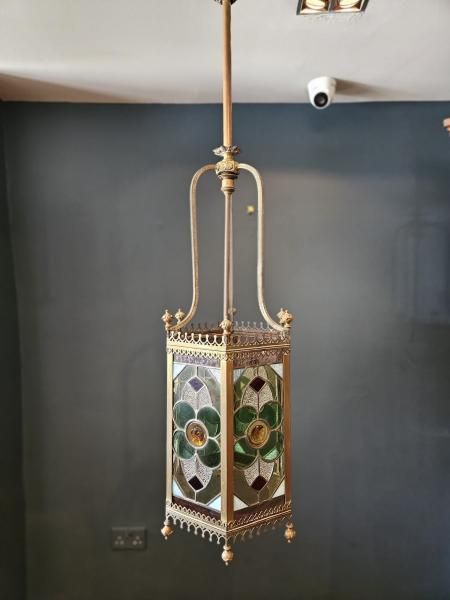
Execution shows in the precision of the brass casting, the integrity of leaded joints in stained glass lanterns, and the retention of original finish on metal parts. Pieces retaining matching brass chains and undamaged rims demonstrate superior preservation.
The Edwardian Pendant Shade Glossary
- Gallery
- The metal ring or collar that grips the top of the glass shade and connects it to the suspension chain.
- Moonstone glass
- An opaque, milky white glass variant that diffuses electric or gas illumination evenly across a space.
- Plafonnier
- A shallow glass bowl or ceiling-hugger light fixture suspended close to the plaster.
- Prismatic glass
- Glass moulded with geometric ribs designed to refract and scatter light efficiently without glare.
Edwardian Pendant Shade: Frequently Asked Questions
How do I hang an edwardian pendant shade safely?
These fixtures suspend from ceiling joists using traditional brass chains and matching roses, requiring proper weight-bearing fixings.
Rewiring with modern electrical cable ensures safety while retaining the original metal gallery and glass shade.
What is moonstone glass?
Moonstone glass is an opaque white material popular during the early twentieth century for its soft, cloud-like diffusion of light.
It was blown or moulded into dome and acorn shapes to reduce glare in domestic interiors.
Are these shades compatible with modern bulbs?
Most fit standard lamp holders contained within the original brass gallery, provided the fitter matches the shade's fitter neck diameter.
Low-heat LED bulbs work well inside antique glass to prevent thermal stress on older materials.
How do I identify an original period fitting?
Authentic pieces exhibit period manufacturing traits such as heavy cast brass galleries, thick moulded glass, and patinated metal surfaces.
Archive examples frequently pair moonstone or cut glass shades with aged brass hardware characteristic of the early nineteen hundreds.