



Vaseline Glass Light
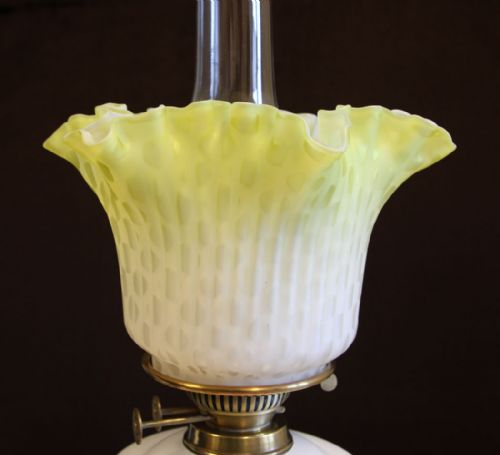
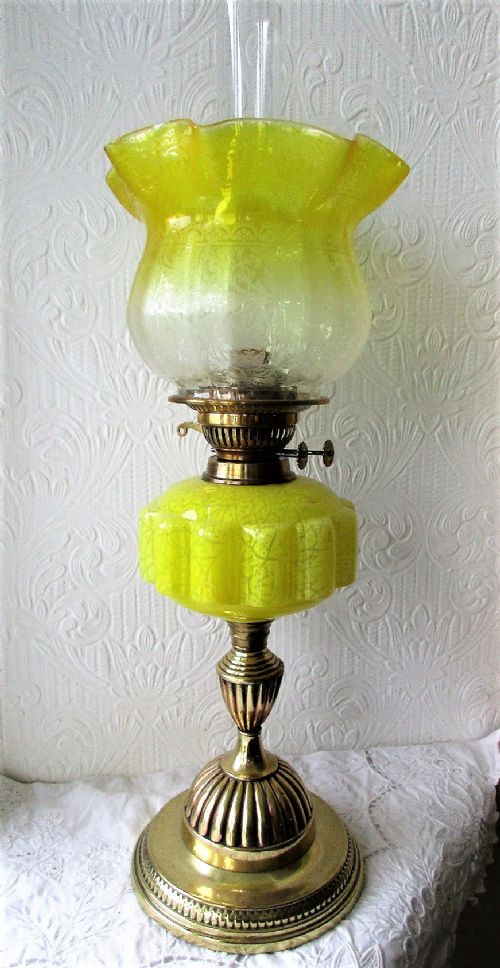
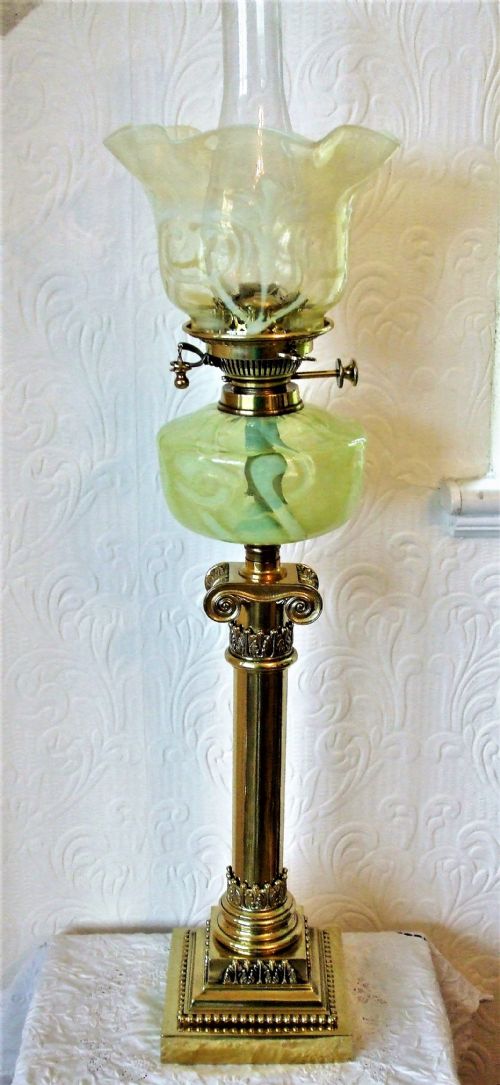
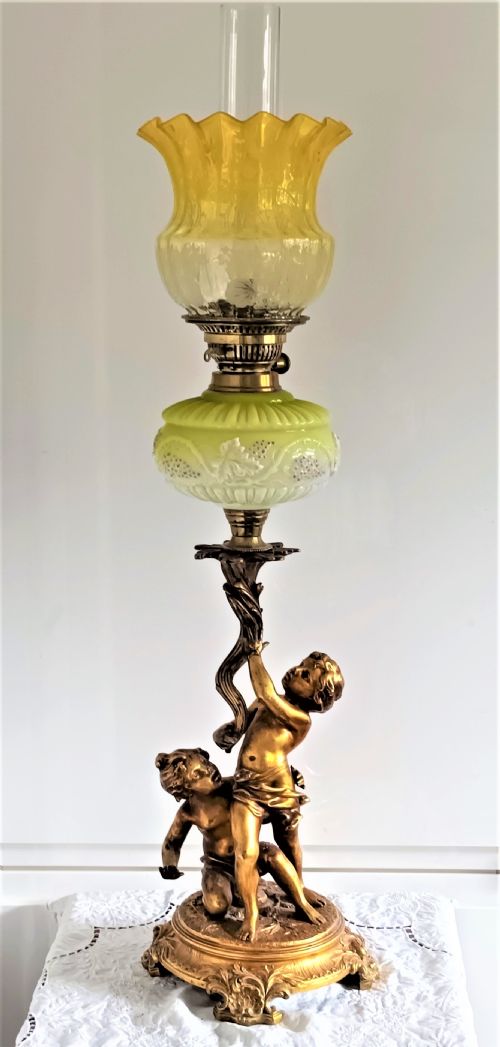
These pieces known as a vaseline glass light combine glowing uranium glass with period metalwork to illuminate a room with unmistakable character.
Vaseline Glass Light
A vaseline glass light brings together distinct yellowish-green uranium glass and functional metal mountings to create a striking period illumination source. When someone searches for a vaseline glass light, they are typically seeking lighting fixtures and lamps that feature these characteristic fluorescent glass components.
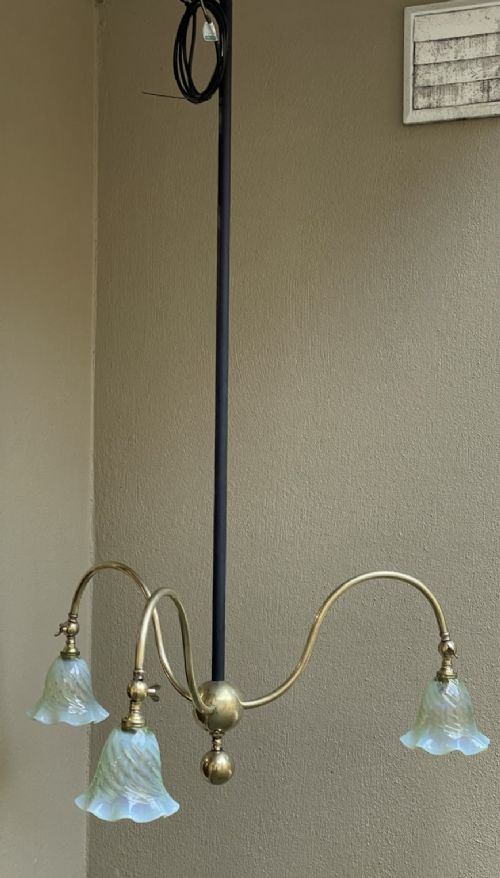
The selections encountered here span several key eras, predominantly featuring Victorian and Edwardian examples alongside specific pieces from the nineteenth century. Common configurations include hanging ceiling lights, pendant lights, and table lamps incorporating brass or copper elements.
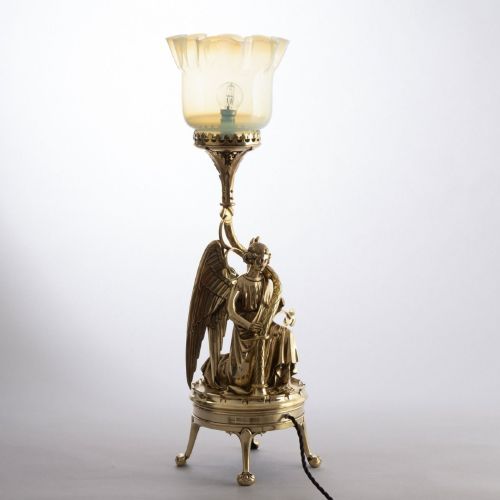
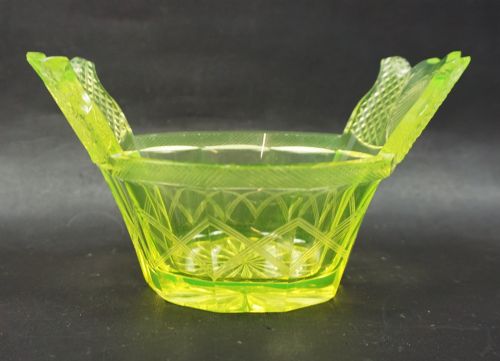
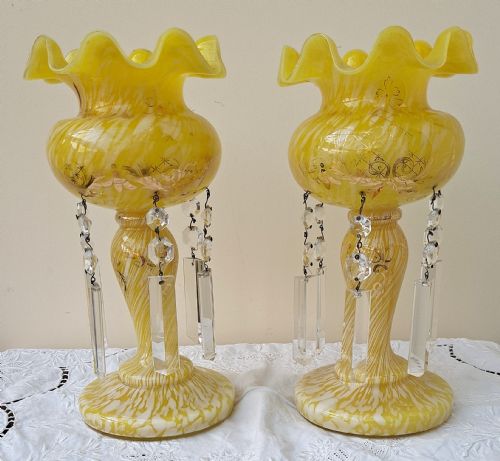
Many items showcase specific design movements such as Arts and Crafts, Gothic Revival, and Art Nouveau. Alongside traditional ceiling lights and table lamps, related forms like glass bowls, dishes, and lustres occasionally appear within the broader grouping.
Materials and construction methods
Makers utilised uranium oxide to impart a distinctive yellow-green tint and reactive fluorescent properties to the molten material. This specialised glass was then blown, moulded, or cut to form lamp shades, bowls, and decorative lustres.
Metal components such as brass, copper, and gilt metal provide the structural support and hanging mechanisms for these fixtures. Artisans frequently combined heavy cast or spun brass with delicate glass shades to achieve a balanced decorative object.
Vaseline Glass Light Retail Price Guide 2026
Typical asking prices for vaseline glass light among the pieces listed under this phrase on Sellingantiques today, from the lower quarter to the upper quarter. They describe what is for sale here now, not the wider market.
Some descriptions explicitly note the absence of ultraviolet light in photographs, proving that the glass glows purely on its own merits.
Assessing quality and craftsmanship
The sophistication of the metalwork sets finer examples apart from simpler utilitarian production. Elaborate brass castings, specific leaf designs, and well-executed Arts and Crafts copper frames indicate a higher grade of manufacture.
The clarity, colour saturation, and surface finish of the glass components also influence the overall standard of a piece. Original matching shades and complete period hardware contribute significantly to the integrity of an assembly.
The Vaseline Glass Light Glossary
- Vaseline glass
- A type of glass containing uranium dioxide that exhibits a yellowish-green colour and glows brightly under ultraviolet light. This material gained popularity during the nineteenth century for decorative household objects and lighting.
- Uranium glass
- The broader classification for glass infused with small amounts of uranium to produce distinct optical properties. It forms the essential material basis for the shades and bowls found in these lighting fixtures.
- Lustre
- A decorative glass ornament featuring hanging crystal prisms designed to reflect ambient light. Victorian examples often incorporate the characteristic yellow glass tones.
- Arts and Crafts
- A design movement prioritising handcraftsmanship, simple structural forms, and honest materials. Fixtures from this style often utilise copper or brass frames paired with utilitarian glass elements.
- Gothic Revival
- An architectural and decorative style drawing inspiration from medieval forms. Lighting fixtures from this period frequently feature heavy brass mountings and ecclesiastical design motifs.
Vaseline Glass Light: Frequently Asked Questions
What is a vaseline glass light?
A vaseline glass light is a period lighting fixture that incorporates uranium glass shades or bowls, typically mounted in brass, copper, or gilt metal frames. These pieces range from hanging ceiling lights and pendant fittings to table lamps.
The defining characteristic is the yellowish-green glass, which reacts to ultraviolet light by emitting a bright green fluorescence. They serve both as functional illumination and decorative examples of nineteenth and early twentieth-century glassmaking.
How do you identify vaseline glass?
Vaseline glass is primarily recognised by its transparent or translucent yellow-green hue, which resembles the petroleum jelly popular in the nineteenth century. Under natural light, the colour can range from pale yellow to a deeper green.
To confirm the identification, collectors use an ultraviolet light source. Genuine pieces will react by glowing with a vivid neon green fluorescence due to the uranium content present in the glass batch.
Which periods do these lights come from?
The lighting fixtures seen in this category date predominantly from the nineteenth century and the Edwardian era. Victorian examples frequently showcase ornate brass mountings and revival styles such as Gothic details.
Later pieces from around nineteen-ten often reflect the simpler, more functional aesthetic of the Arts and Crafts movement. Makers during these decades utilised both standard oil lamp conversions and early electrical fittings.
Were these originally oil lamps?
Many antique examples began life as burning oil lamps before being adapted for modern electrical use. These pieces often retain components like brass columns, burners, and original glass reservoirs.
Ceiling fixtures and pendant lights were typically designed from the outset to burn oil or gas before standard domestic electrification took over. Today, these converted items allow period illumination to be used safely in contemporary interiors.