


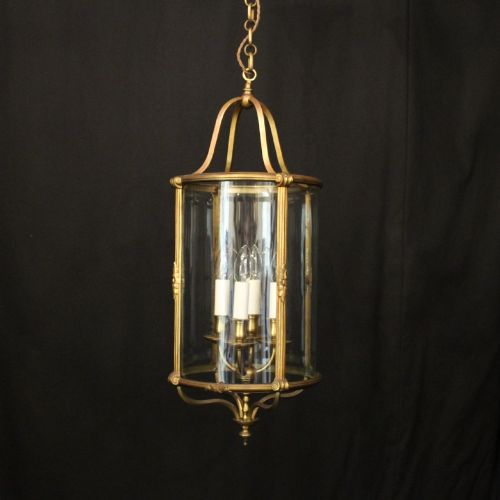
Vintage Ceiling Pendant Lamp
A vintage ceiling pendant lamp brings concentrated overhead illumination and distinct period character to a room.
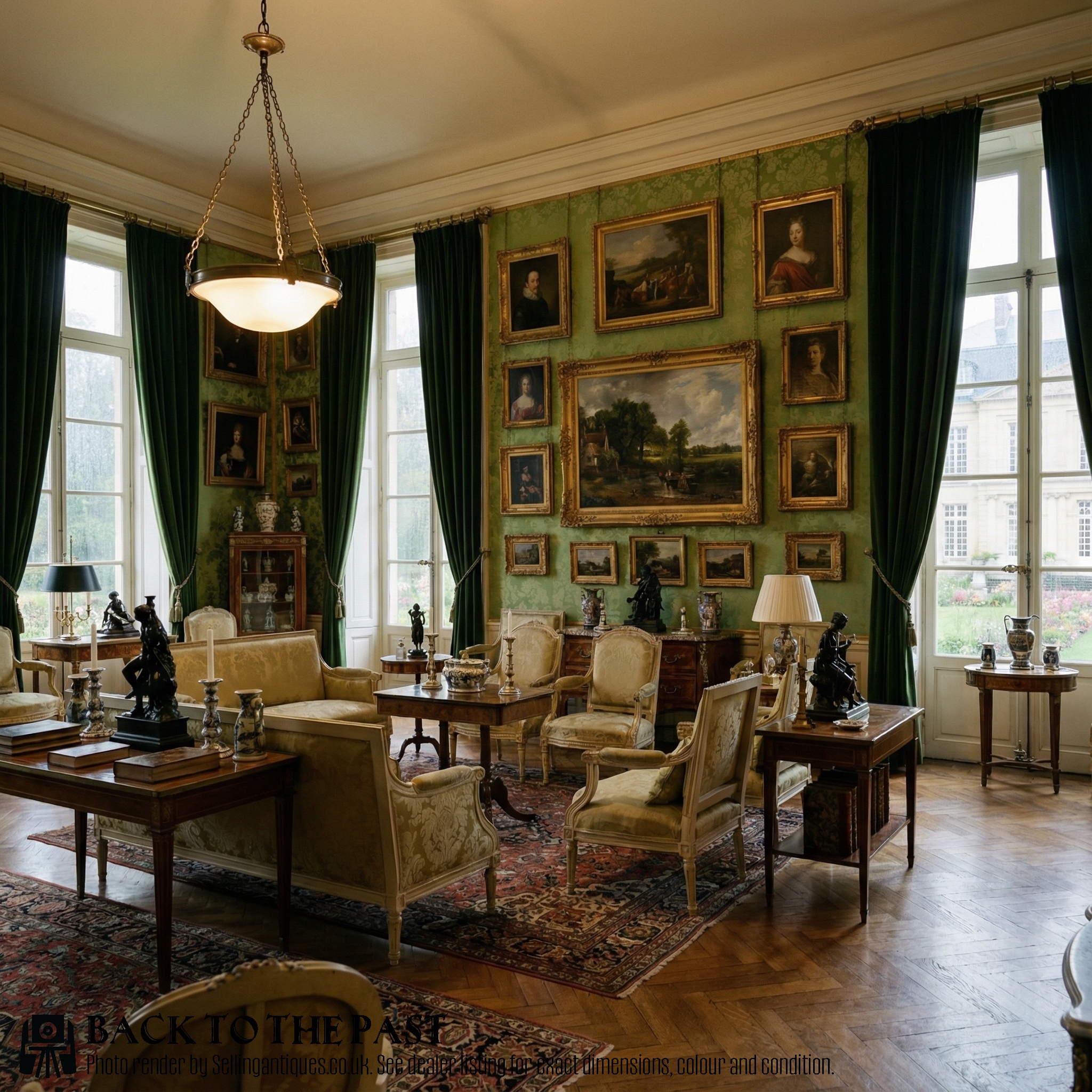
Vintage Ceiling Pendant Lamp
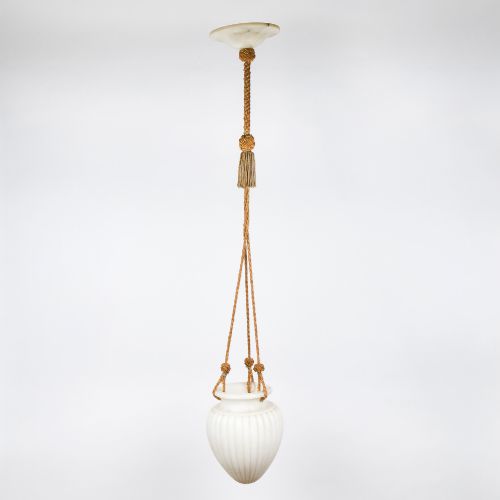
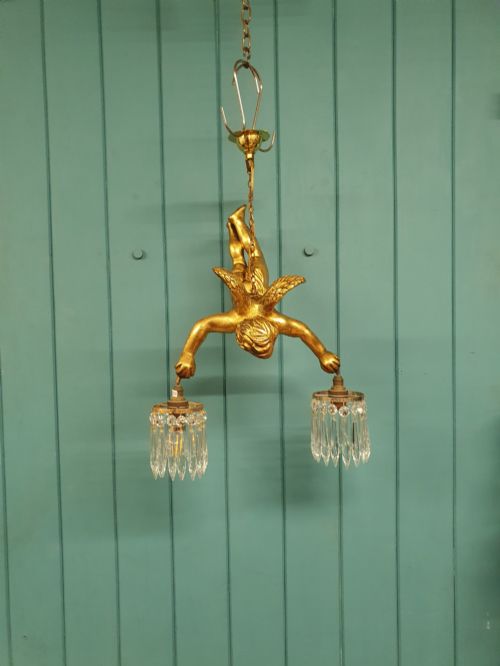
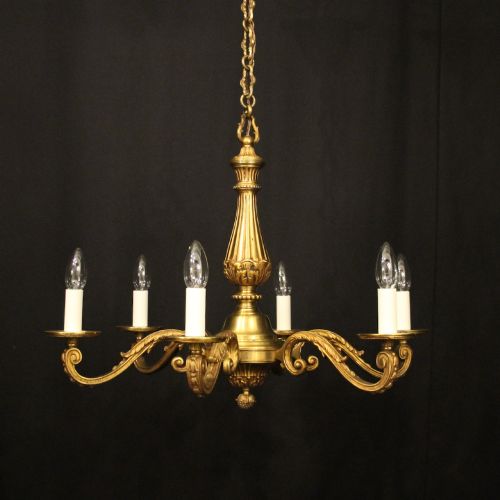
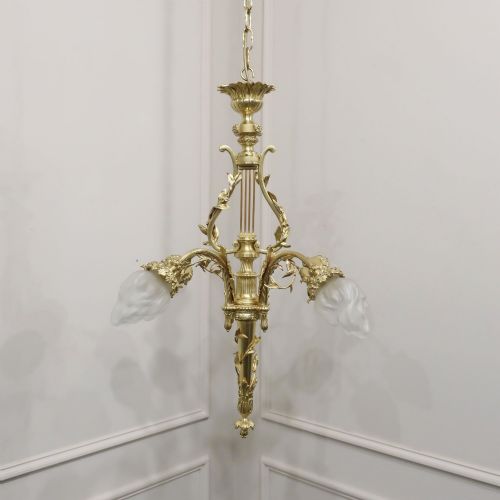
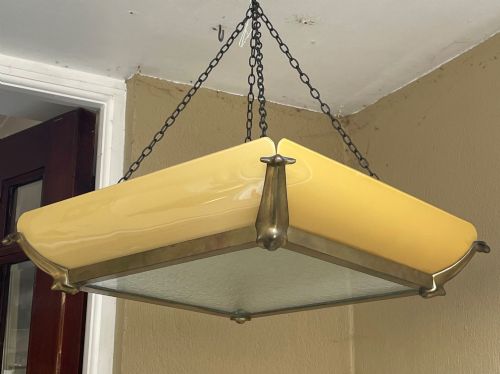
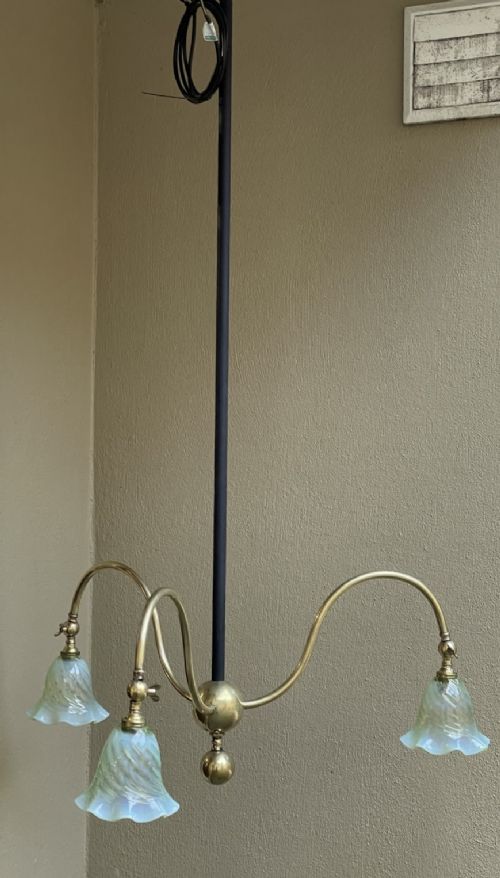
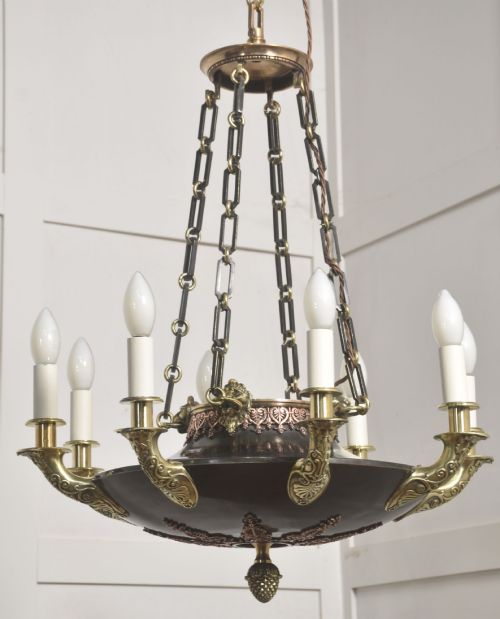
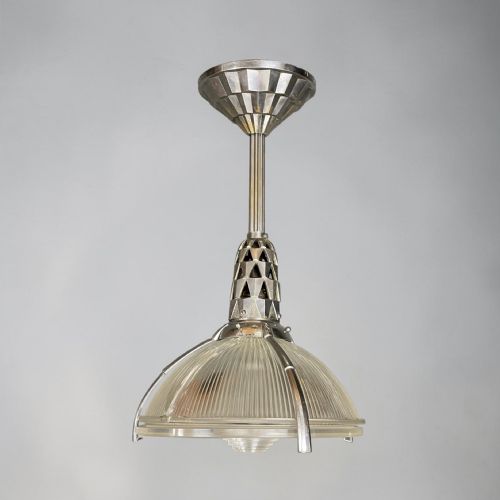
When searching for a vintage ceiling pendant lamp, buyers examine hanging lighting fixtures originating from periods spanning the Victorian era through the 1930s. The selection includes styles such as Art Deco, Edwardian, French Empire, and Industrial designs that suspend from ceilings to light interior spaces.
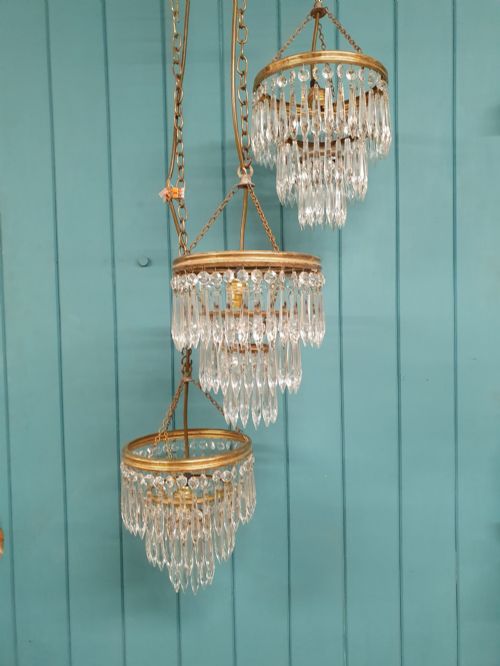
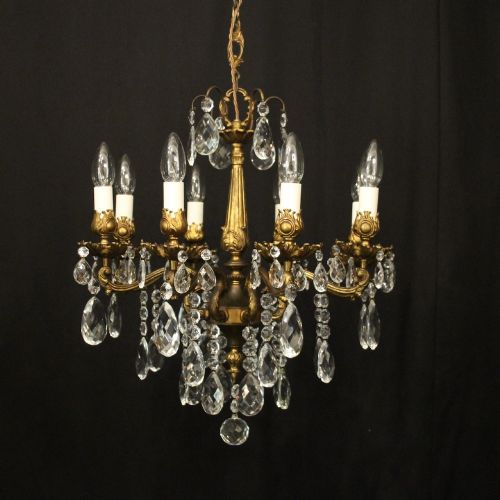
The most common examples on this page comprise brass and glass pendant lights, copper lanterns, and multi-light fixtures dated from the 1900s to 1930. These pieces range from simple glass globes and plafonniers to elaborate bronze and crystal chandeliers intended for halls and principal rooms.
Materials and construction methods
Makers constructed these hanging lights using cast or spun metals such as brass, copper, and gilt bronze, often combining them with pressed, blown, or cut glass. Frames support components like leaded glass panels, crystal spikes, and opaline shades.
Techniques varied from industrial metalwork to ornate French casting and gilding. Fixtures utilise fitted collars, chains, and suspension rods to secure glass bowls, shades, and multi-branched frames.
Illuminating Manchester City Town Hall required sturdy Arts and Crafts brass fixtures.
Distinctions in quality and execution
Quality in these pendant lights depends on the weight and finish of the metalwork, whether gilt bronze, cast brass, or heavy copper. Finer examples display crisp casting details, hand-cut crystal elements, and substantial mountings rather than pressed sheet metal.
The sophistication of the glass components also distinguishes the range. Heavy lead glass, hand-formed slip shades, and intricate cut glass prisms indicate superior craftsmanship compared to standard commercial globes.
Émile-Jacques Ruhlmann·VESTARAY·Holophane
The Vintage Ceiling Pendant Lamp Glossary
- Pendant light
- A hanging lighting fixture suspended from the ceiling by a cord, chain, or rod. These units project light downwards into a space.
- Plafonnier
- A shallow ceiling light fixture that sits close to the surface, often featuring moulded or cut glass bowls. They provide diffuse illumination in rooms with lower ceilings.
- Spike chandelier
- A chandelier featuring upright crystal spikes or glass spears arranged around a central metal frame. They reflect light through numerous faceted glass elements.
- Slip shade
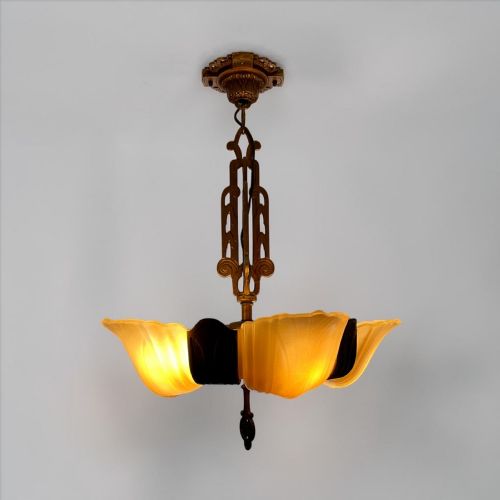
- A moulded piece of glass that slots directly into a metal frame to form the body of the light. These shades are characteristic of Art Deco lighting design.
- Hall lantern
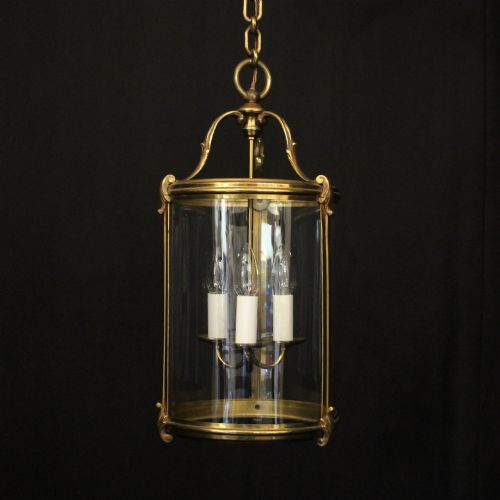
- An enclosed hanging light fixture designed specifically for entrance halls and corridors. They frequently combine glazed panels with brass or copper frames.
Vintage Ceiling Pendant Lamp: Frequently Asked Questions
How do I hang a vintage ceiling pendant lamp?
Most pendant lights suspend from a ceiling hook and connect to standard electrical wiring concealed by a ceiling rose. Professional installation ensures the weight of heavy brass or bronze fixtures is properly supported.
Shorter hall lanterns and plafonniers use fixed rods or short chains, while larger chandeliers require sturdy ceiling joist anchors.
What rooms suit a vintage pendant light?
Smaller glass globes and copper lanterns suit hallways, kitchens, and cloakrooms where direct downward illumination is practical. Multi-branch chandeliers and crystal fixtures fit reception rooms and dining spaces.
Ceiling height determines the choice between a flush plafonnier and a suspended chain pendant.
How are different periods identified?
Victorian and Edwardian pieces frequently feature heavy cast brass, leaded glass, and acorn or globe shapes. Art Deco designs from the 1930s utilise geometric slip shades and streamlined industrial metals.
French styles from the early twentieth century often display gilt bronze mounts, crystal waterfalls, and neoclassical motifs.
Can modern bulbs be used?
Standard modern lamp holders accept contemporary LED bulbs provided the wattage matches the historical wiring capacity. Many fixtures accommodate SES or CES screw fittings.
Careful selection of bulb warmth preserves the visual effect of coloured crystals and opaline glass shades.