


Edwardian Parlour Table
An edwardian parlour table brings light, elegant utility to a room through slender timbers and refined marquetry.
Edwardian Parlour Table
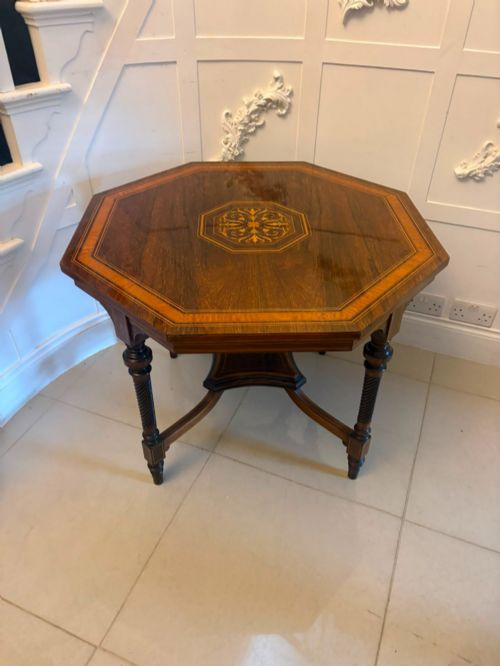
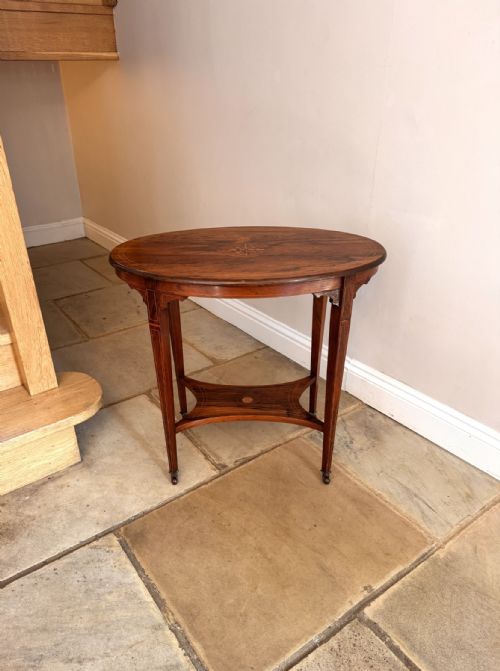
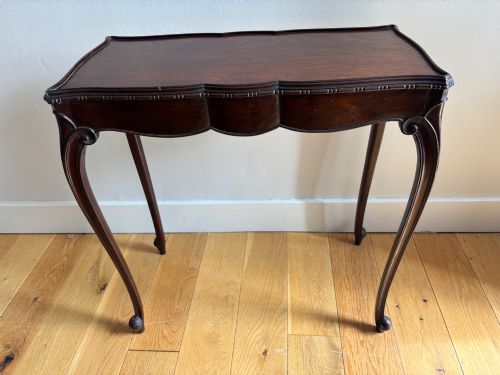
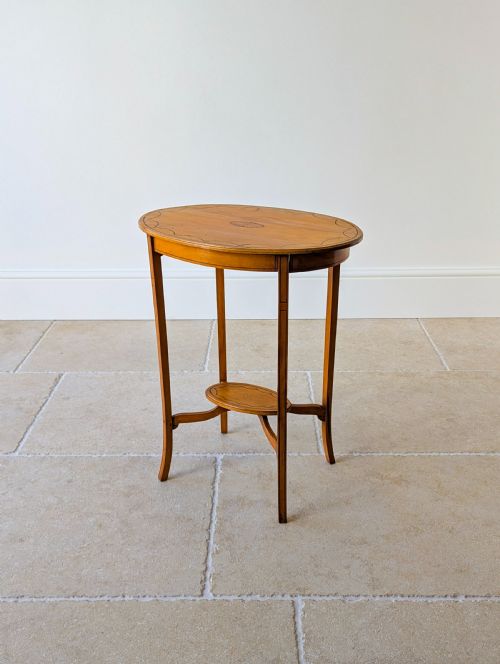
An edwardian parlour table typically appears as a compact occasional, side, or centre table designed for late nineteenth and early twentieth-century domestic life. These pieces serve flexible roles in a room, holding lamps, books, or tea services without dominating the floor space.
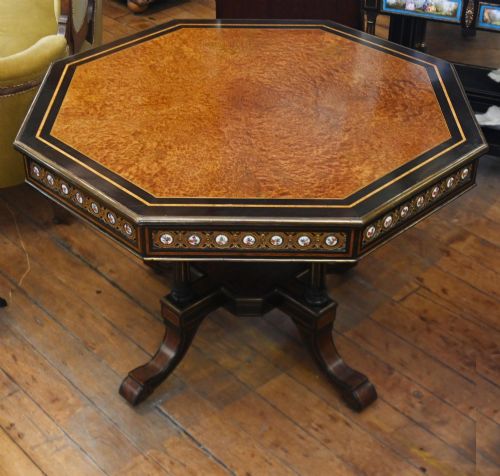
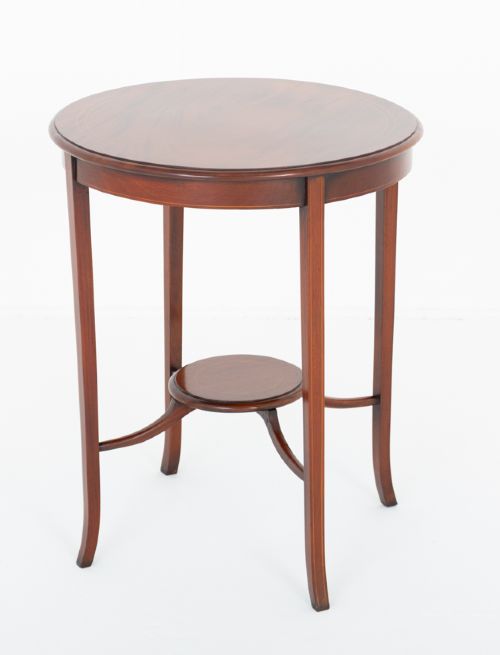
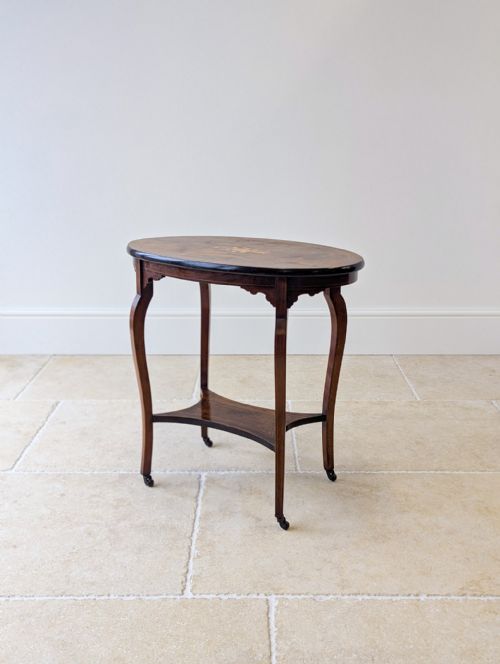
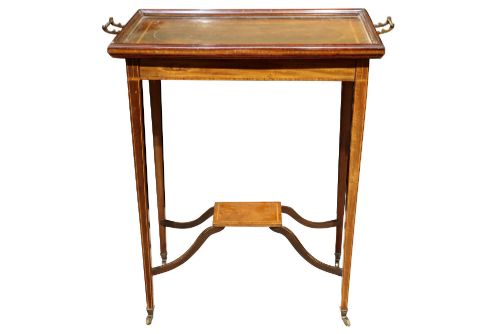
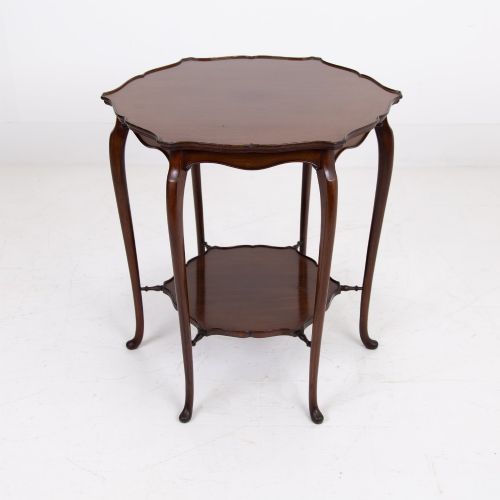
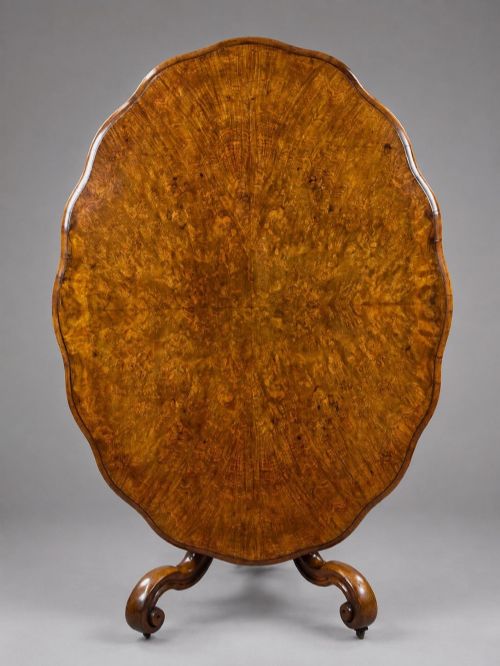
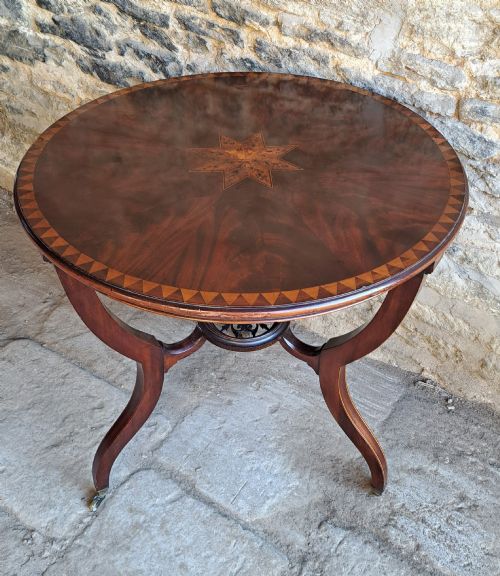
The selections span oval, square, and multi-sided tops, with two-tier variations frequently appearing to offer additional display surface. Walnut, mahogany, and satinwood dominate the construction, often enhanced by decorative boxwood and rosewood inlay.
While many examples belong strictly to the Edwardian period, related Victorian and revival styles such as Sheraton and Chippendale appear frequently alongside them. These tables reflect an era that valued both social entertaining and delicate interior decoration.

How they were made
Cabinetmakers utilised dense hardwoods like mahogany and walnut as the structural foundation, frequently applying fine veneers to achieve smooth surfaces. Satinwood and rosewood provide contrasting colour for intricate marquetry and geometric banding.
Boxwood stringing and delicate brass mounts appear across many surfaces, applied by hand to accent the edges of octagonal and oval tops. Turned legs and tier supports distribute weight evenly while maintaining slender proportions.
Edwardian Parlour Table Retail Price Guide 2026
Typical asking prices for edwardian parlour table among the pieces listed under this phrase on Sellingantiques today, from the lower quarter to the upper quarter. They describe what is for sale here now, not the wider market.
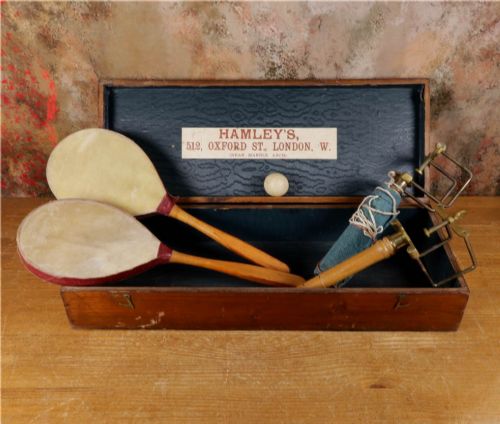
Alongside fine wooden furniture, the selections occasionally include vintage table tennis sets and boxwood game components from the same era.
What varies in quality
The refinement of the timber and the precision of the inlay set individual pieces apart. Finely figured mahogany and meticulously cut satinwood marquetry indicate a higher tier of workshop production.
Structural integrity relies on the tightness of the joinery in the legs and tiered shelves. Tables that retain crisp turning on the legs and secure brass fittings demonstrate superior craftsmanship.
The Edwardian Parlour Table Glossary
- Occasional table
- A small, movable table designed for intermittent use around a principal room. These pieces provide surface space for decorative items or drinks.
- Centre table
- A freestanding table finished on all sides so it can occupy the middle of a room rather than sit against a wall. They frequently feature octagonal or round tops.
- Inlay
- A technique where pieces of contrasting wood, such as boxwood or satinwood, are inserted into depressions in the primary timber to form a pattern.
- Two-tier table
- A piece incorporating a lower shelf beneath the main surface. This addition increases stability and provides extra space for storage or display.
- Marquetry
- Elaborate decorative veneer arranged in pictorial or geometric designs. Craftsmen assemble thin slices of various woods to create intricate surface patterns.
Edwardian Parlour Table: Frequently Asked Questions
What is an edwardian parlour table used for?
These tables provide convenient surface space for holding reading lamps, small ornaments, or tea cups during social calls in the home. Their movable nature allows them to shift easily between different rooms as household needs change.
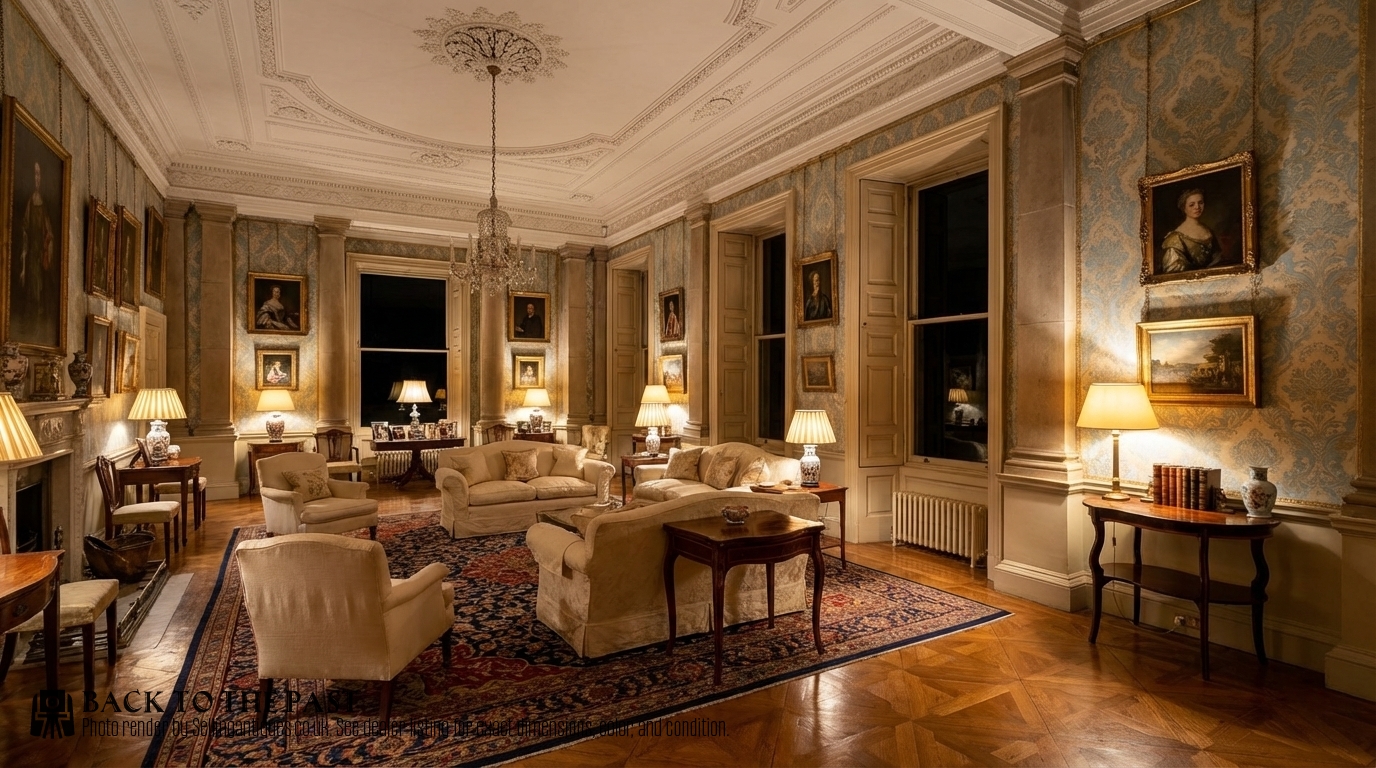
During the Edwardian era, lighter furniture formats replaced heavier Victorian styles to suit more flexible domestic arrangements. An occasional table could sit beside a sofa or occupy the centre of a smaller morning room.
How do I distinguish Edwardian from Victorian tables?
Edwardian tables generally display lighter timbers, slender turned legs, and more restrained geometric or floral inlay. They favour brightness and delicate proportions over the heavier carved forms seen earlier in the nineteenth century.
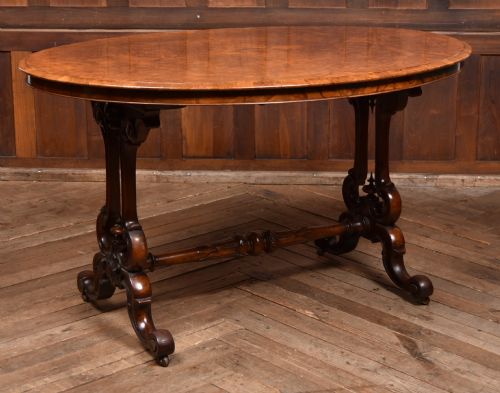
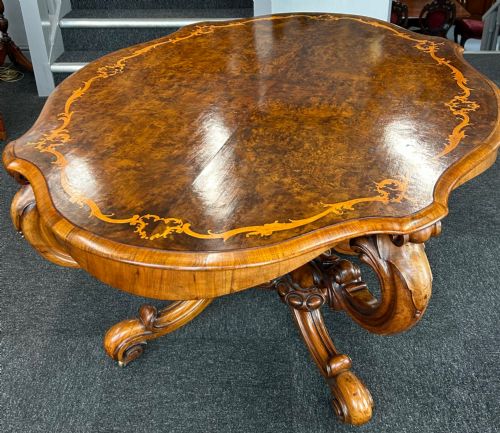
Victorian pieces often utilise darker burr walnut or substantial mahogany with bolder turned supports and simpler edges. Comparing the weight of the timber and the style of the marquetry clarifies the period.
Are two-tier tables practical for daily use?
The lower shelf offers useful extra space for books or small boxes while helping to brace the legs together. This secondary surface adds structural stability without increasing the overall footprint of the furniture.
Owners often place magazines or decorative trays on the lower tier to keep the main surface clear. The design balances everyday utility with compact proportions.
How should I care for polished mahogany surfaces?
Regular dusting with a soft, dry cloth preserves the original polish and prevents abrasive particles from settling into the grain. Avoiding direct sunlight and sudden temperature shifts protects the timber and veneer from splitting.
Applying a quality wax polish occasionally nourishes the wood and maintains its natural sheen. Care must be taken to avoid silicone-based sprays that can damage antique finishes over time.