

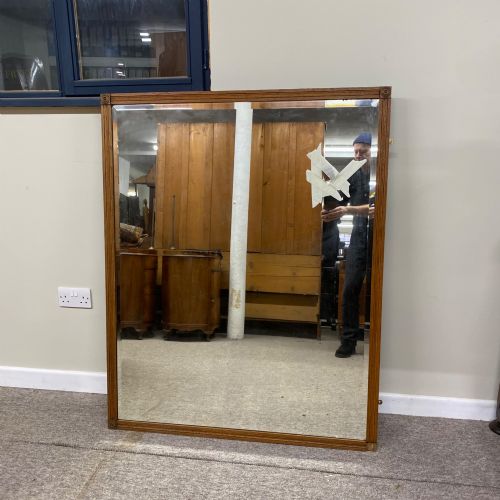
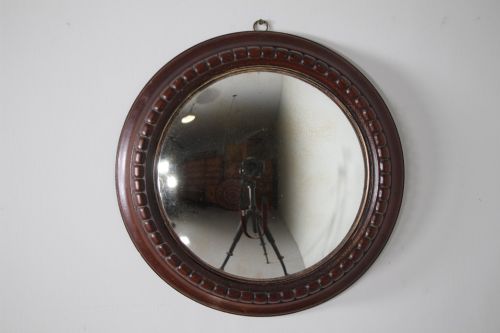
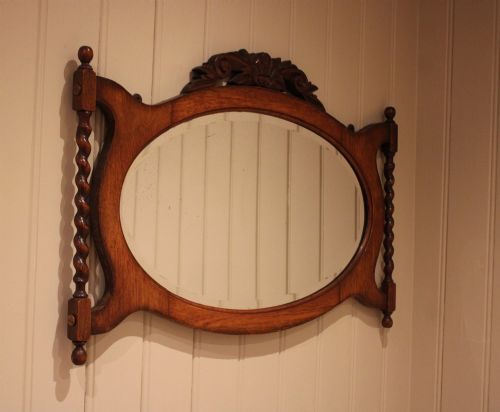
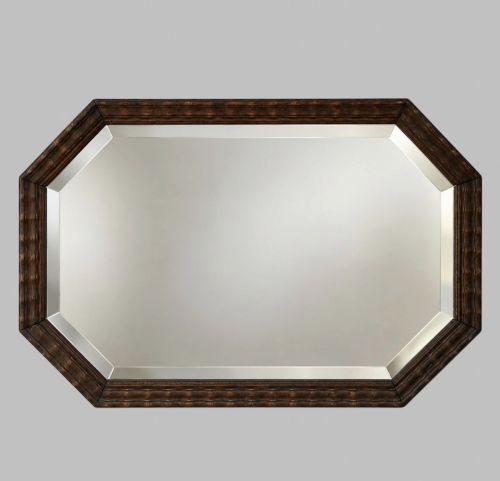

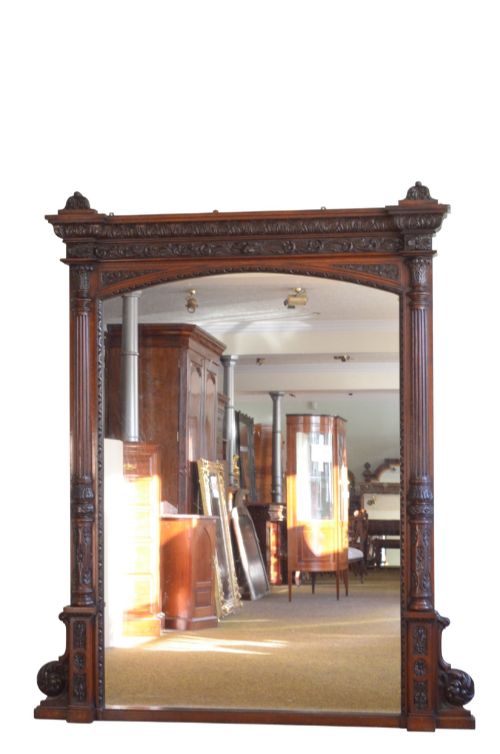
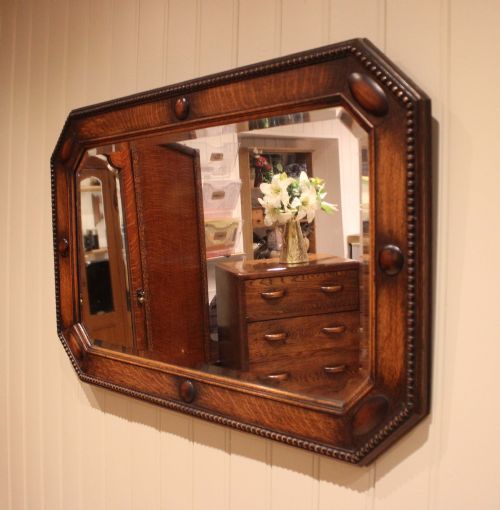
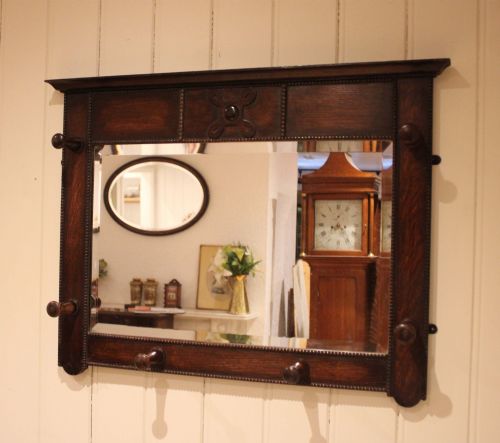


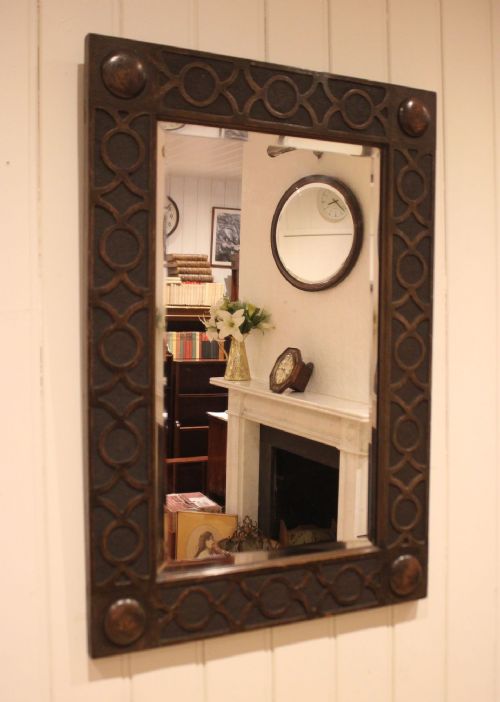
Edwardian Oak Wall Mirror
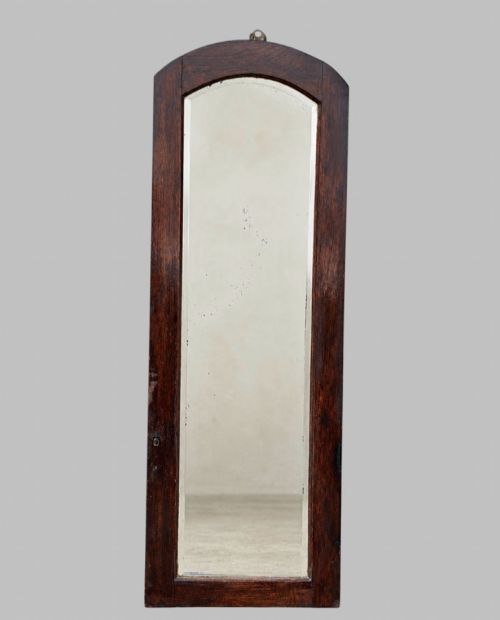
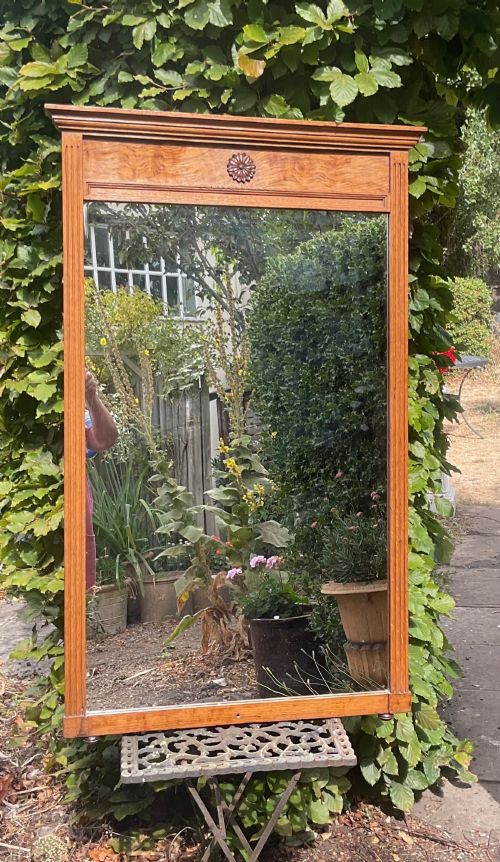
An edwardian oak wall mirror brings substantial timber and clear reflection into a hallway or living space.
Edwardian Oak Wall Mirror
An edwardian oak wall mirror combines domestic utility with the robust cabinet-making traditions of the early twentieth century. These pieces range from simple rectangular frames to complex overmantels fitted with shelves, coat hooks and small cupboards for everyday use.
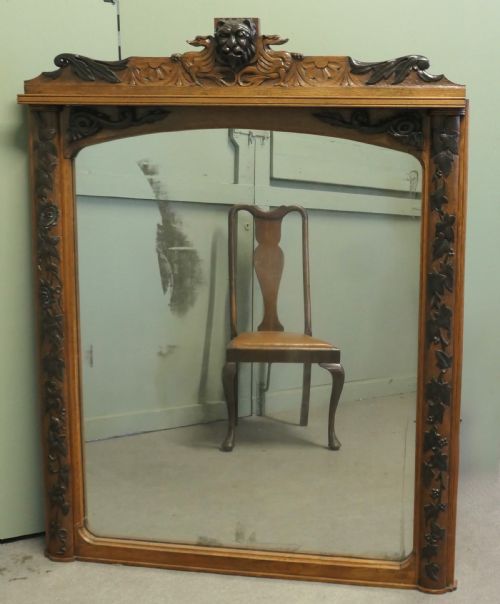
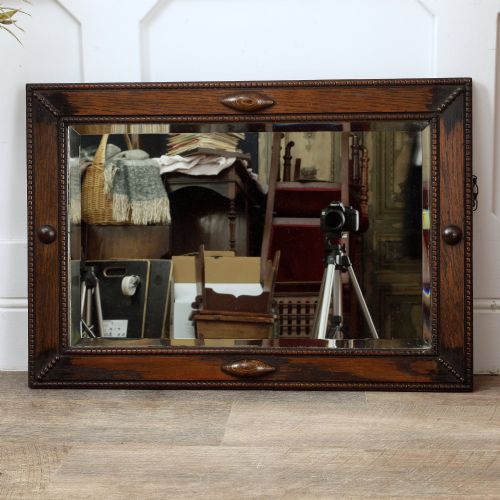
The version you meet most often on this page is a rectangular or oval wall-hanging glass set within a solid oak frame, frequently carrying carved details or copper accents from the Arts and Crafts movement. They serve both functional hallway duties and decorative roles in reception rooms.
Makers working across the Edwardian period and the late nineteenth century produced these mirrors in various formats, incorporating styles from Gothic Revival to Art Nouveau. The timbers span dark English oak to lighter golden tones.
How they were made
Frames are constructed from solid oak, sometimes combined with walnut, gesso or parcel-gilt details, utilising traditional joinery methods to house the heavy glass safely. Carved decorations are executed by hand directly into the timber or applied as separate mouldings.
Glass plates are typically bevelled at the edges, catching the light and requiring thick wooden backing boards to support their weight. Metal elements such as brass coat hooks or copper decorative panels are secured with period-appropriate fixings.
Edwardian Oak Wall Mirror Retail Price Guide 2026
Typical asking prices for edwardian oak wall mirror among the pieces listed under this phrase on Sellingantiques today, from the lower quarter to the upper quarter. They describe what is for sale here now, not the wider market.
Listings feature oak alongside brass, copper, and bevelled glass across Edwardian, Victorian, and Art Deco styles.
What varies in quality
The depth and crispness of the carved details separate standard production mirrors from exceptional examples created by notable firms. Hand-carved cushion frames and integrated furniture elements demonstrate superior joinery and thoughtful proportion.
The quality of the reflective glass plate and the weight of the timber frame dictate the longevity and presence of the piece on the wall. Original backboards and intact brass or copper mountings maintain the integrity of the antique.
Waring and Gillow·Liberty and Co·Rowley Gallery
The Edwardian Oak Wall Mirror Glossary
- Bevelled Glass
- Glass with an edge ground and polished to an angle thinner than the rest of the plate. This technique creates a prismatic border that catches and refracts light.
- Overmantel Mirror
- A large looking glass designed specifically to hang on the wall directly above a fireplace mantelpiece. These often incorporate architectural mouldings or display shelves.
- Gesso
- A plaster-like material applied to wood frames and carved or moulded into decorative relief patterns. It provides a smooth surface for subsequent gilding or painting.
- Arts and Crafts
- A design movement valuing handcraftsmanship, simple forms and medieval or folk ornamentation. Pieces from this tradition frequently display exposed construction and metalwork motifs.
- Cushion Frame
- A convex frame profile curving outward toward the edge. This style gives the mirror a pronounced, substantial presence on the wall.
Edwardian Oak Wall Mirror: Frequently Asked Questions
Were these mirrors meant for halls?
Many Edwardian oak mirrors combined looking glasses with coat hooks, small shelves, or key cabinets to serve busy entrance halls. Their robust construction handled the daily demands of hats, coats, and incoming post.
Other formats, such as overmantels or oval wall mirrors, were designed primarily for reception rooms and bedrooms rather than cloakroom use.
How do I tell Edwardian oak from later oak?
Edwardian oak often displays distinct grain patterns, deeper colouration, and traditional construction methods such as hand-cut joints and original timber backing boards. The weight and density of the wood differ significantly from modern manufactured boards.
Examining the fixings, screw types, and the silvering on the back of the glass helps confirm the period of manufacture.
Can I clean the original glass safely?
Use a gentle glass cleaner applied to a soft cloth rather than directly onto the mirror surface, preventing moisture from seeping behind the bevelled edges. Avoid harsh chemicals that might damage original frames or aged silvering.
Take care around old wooden mouldings and any applied copper or brass decorative elements during the cleaning process.