
Edwardian Oak Sideboard Cabinet
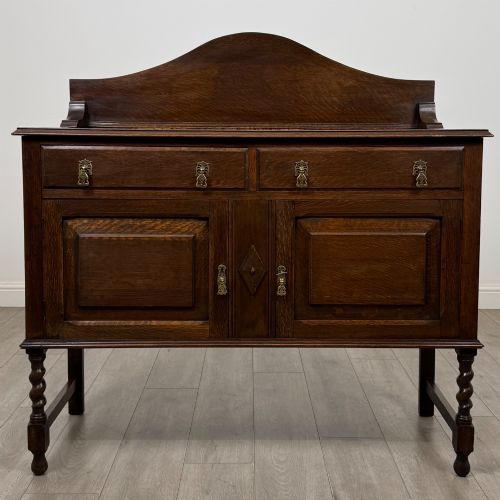
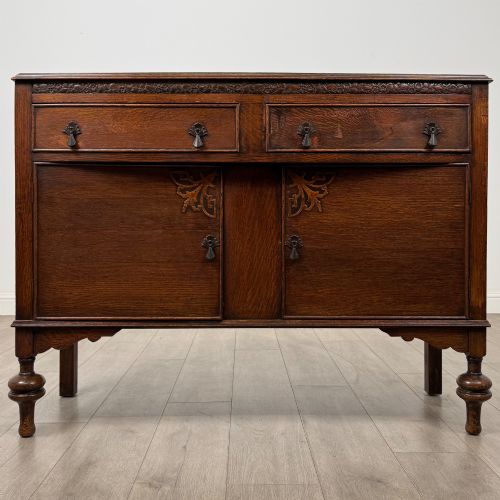
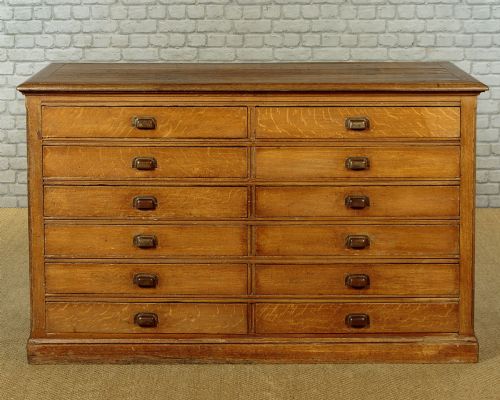
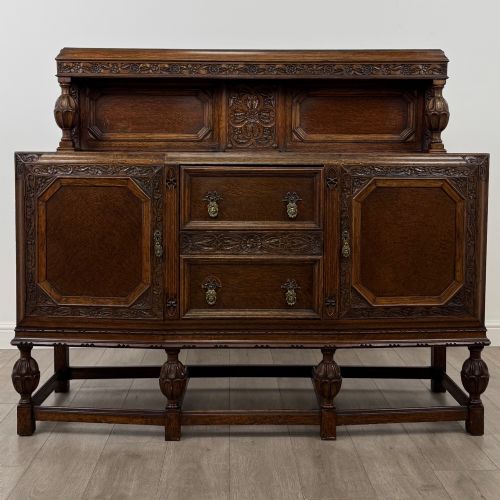
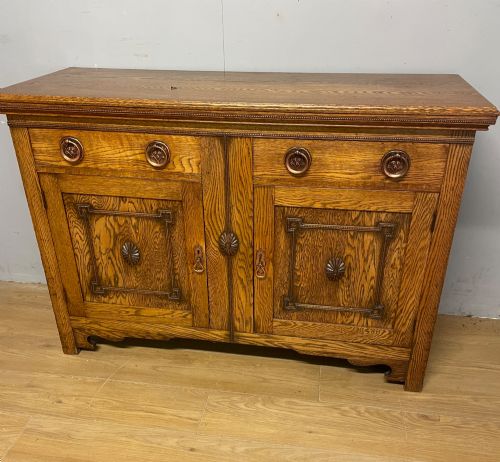
The edwardian oak sideboard cabinet brings solid utility and vernacular charm into a room, offering sturdy storage built to last.
Edwardian Oak Sideboard Cabinet
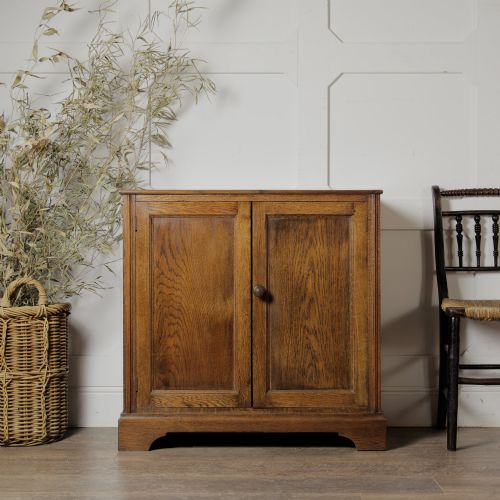
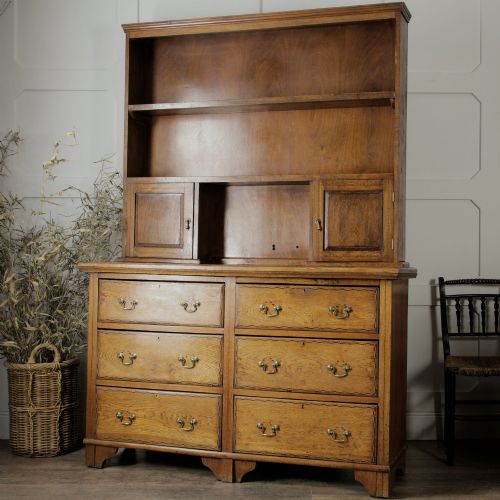
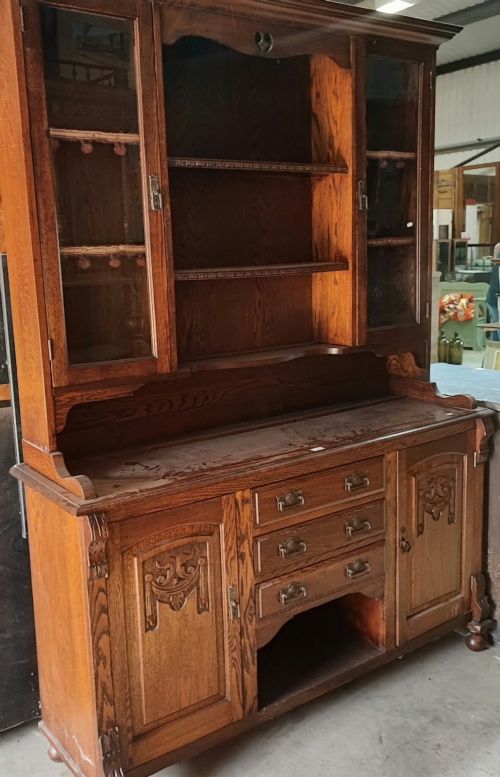
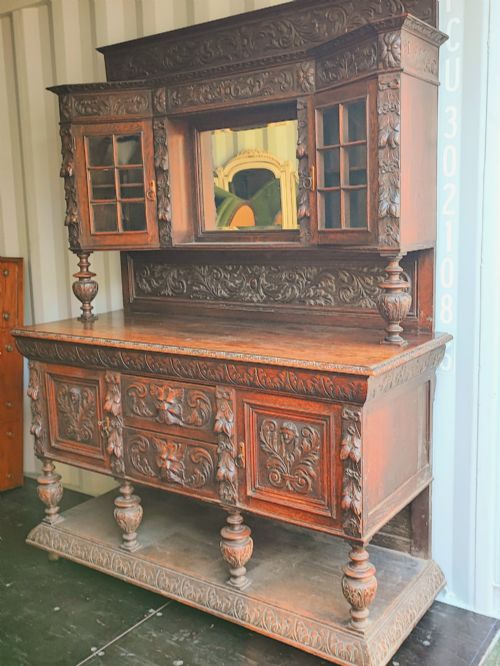
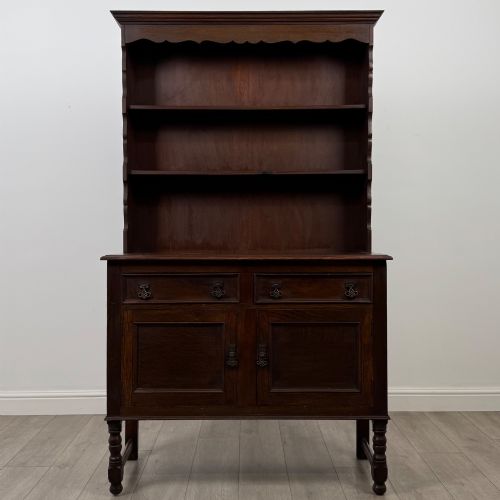
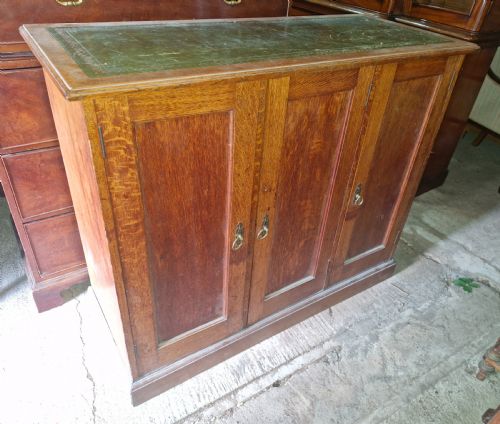
When searching for an edwardian oak sideboard cabinet, buyers look at robust pieces designed for dining rooms, hallways, and living spaces to store china, linen, and household provisions. These items range from low cupboards and tall dressers with plate racks to cocktail display units and buffet sideboards.
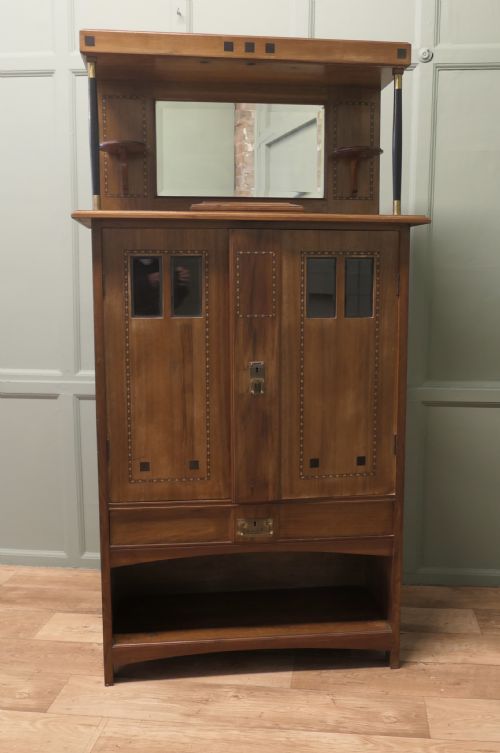
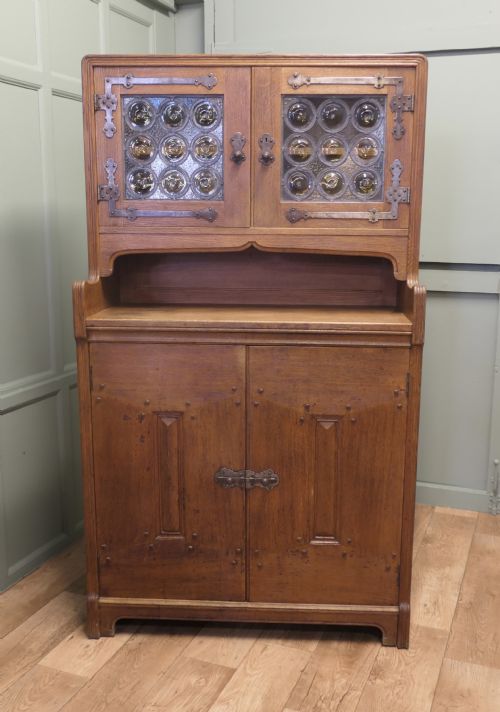
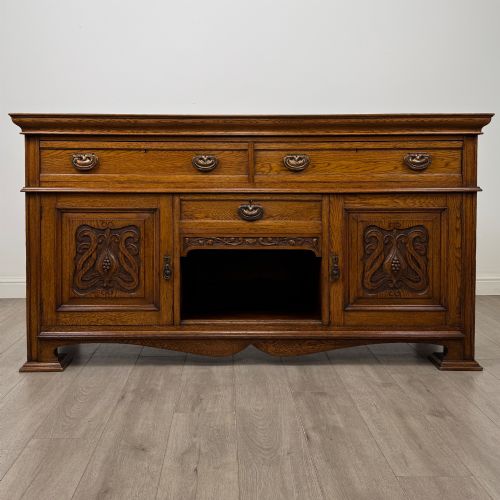
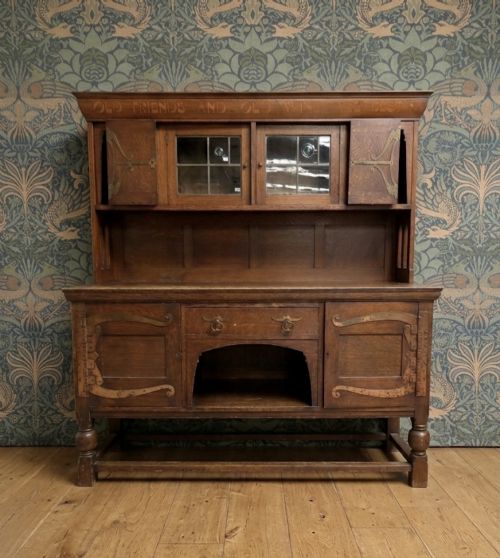
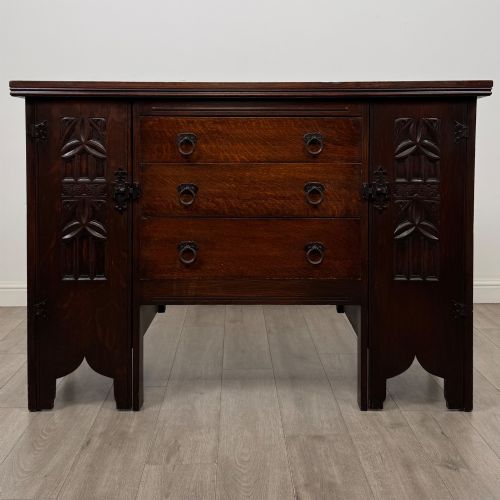
The version most commonly met on this page combines Edwardian practicality with styles such as Arts and Crafts, Jacobean Revival, and Art Nouveau. Pieces often display golden or tiger oak timbers, occasionally paired with glass doors, brass mounts, or ceramic details.
Makers and designers of the period, including names associated with Liberty and Heal, shaped these sideboards to balance functional storage with artistic movement aesthetics. The resulting furniture serves both as a utilitarian storage cabinet and a decorative anchor for the room.
Assessing Quality and Execution
The distinction between standard utility items and finer examples rests on the depth of hand-carved detailing, the selection of figured oak timber, and the integration of stylistic movements like Arts and Crafts or Secessionist design. Master workshops employed superior timber selection, such as burr walnut accents or choice golden oak, alongside thoughtful proportions.
Hardware execution and structural joinery differentiate output from volume producers and celebrated makers or retailers. Original leaded glass, distinct brass or copper fittings, and maker stamps or attribution elevate a cabinet from a simple storage unit to a notable design piece.
Listings span periods from the 17th century through the Victorian era and Edwardian years into the 1930s, uniting oak, brass, glass, and ceramic materials.
Ambrose Heal for Heal and Son·Liberty and Co·Leonard Wyburd·Shapland and Petter·John Moyr Smith·J Cambell and Co Cabinet Makers Glasgow·Peter Waals
The Edwardian Oak Sideboard Cabinet Glossary
- Arts and Crafts
- A design movement prioritising traditional craftsmanship, vernacular forms, and simple materials over industrial mass production. This style heavily influences many cabinets from the period.
- Barley Twist
- A turned wood decoration resembling a spiral rope, frequently found on the legs and supports of sideboards. It adds tactile texture to the furniture frame.
- Plate Rack
- A set of open wooden shelves mounted to the top of a dresser or sideboard, designed for displaying ceramic plates and platters. It forms a traditional upper section on dining room furniture.
- Tiger Oak
- Oak timber exhibiting strong, distinct medullary ray figuring that resembles tiger stripes. Cabinetmakers prized this cut for its decorative visual impact.
- Secessionist
- An artistic style related to Art Nouveau that favoured geometric forms and stylised motifs. Pieces featuring this influence display clean architectural lines.
Edwardian Oak Sideboard Cabinet: Frequently Asked Questions
Where should I place an oak sideboard cabinet?
These cabinets suit dining rooms, large hallways, or living spaces where substantial storage is useful. Their surfaces also accommodate lamps, serving dishes, or displayed ceramics.
Ensure adequate clearance for doors and drawers to open fully within the room layout. Solid oak construction makes them heavy, so placement should be permanent.
How do I care for antique oak furniture?
Maintain the wood by applying natural beeswax periodically to nourish the grain and protect the finish from drying out. Avoid placing the cabinet near direct heat sources or strong sunlight.
Clean surfaces with a soft, dry cloth rather than harsh chemical sprays. Gentle treatment preserves the original patina developed over the decades.
What is the difference between a sideboard and a dresser?
A sideboard typically functions as a low storage cabinet with cupboards and drawers, sometimes featuring a raised back ledge. Dressers frequently incorporate an upper plate rack or shelving unit for display.
Both forms utilise solid oak construction, but dressers offer vertical display space alongside enclosed lower storage.
How can I identify an Arts and Crafts cabinet?
Look for honest construction methods, exposed tenon joints, and minimal ornament that lets the natural golden oak grain stand out. Metal hardware in hammered copper or brass is also common.
Such pieces often feature clean lines and functional proportions rather than heavy Victorian revival carvings.