




Edwardian Oak Shield
Edwardian oak shield pieces bring traditional sporting character and rich timber warmth directly into your interior.
Edwardian Oak Shield
The edwardian oak shield search term encompasses practical wooden items and wall plaques shaped with distinct pointed crests. Pieces on this page span decorative wooden presentation bowls, hinged boxes, stationery cabinets, and heraldic wall plaques alongside carved hall chairs.
Makers utilised solid oak timbers to construct these items, frequently pairing the wood with silver plate, ceramic inserts, or taxidermy mounts. The forms reflect traditional British sporting and domestic interests from the late Victorian era through the interwar period.
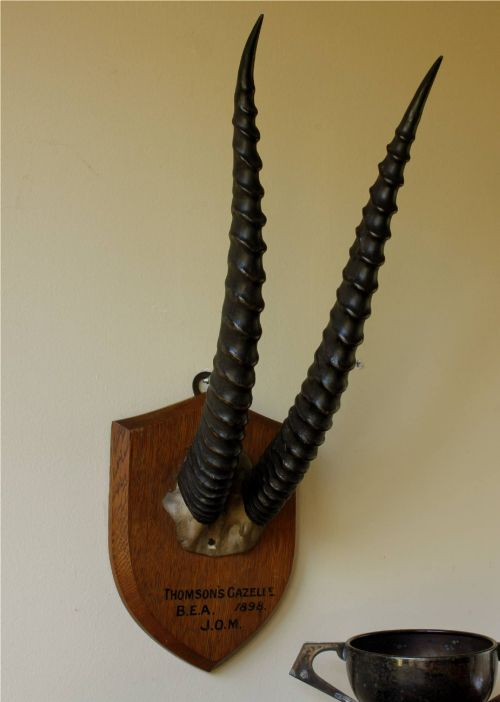
Buyers encounter items ranging from functional desktop humidor boxes to decorative wall shields and mounted horns. Each example relies upon substantial oak construction to establish its physical presence.
Materials and construction methods
Carpenters shaped seasoned oak into robust structural forms, employing carved details, moulded edges, and panel construction for boxes, cabinets, and shield plaques. Timber surfaces display varied grain patterns, often polished to accentuate the natural warmth of the wood.
Metal components including silver, silver plate, and brass provide structural reinforcement and decorative contrast on biscuit boxes, cigar humidors, and crop hooks. Workshops integrated these metal mounts securely into the wooden bodies using traditional fixings.
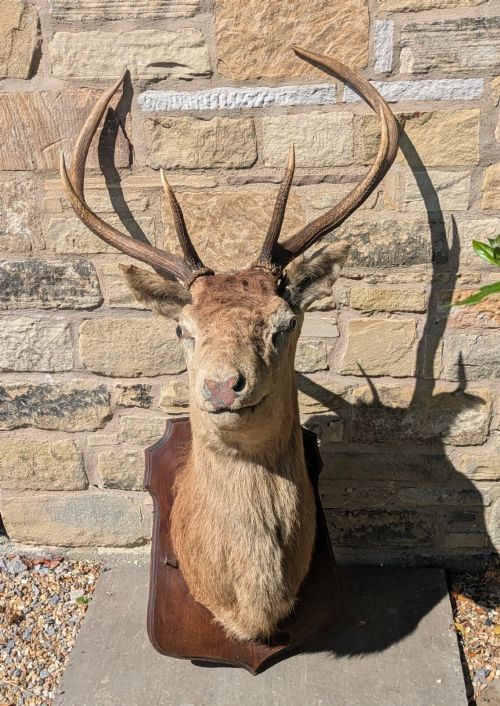
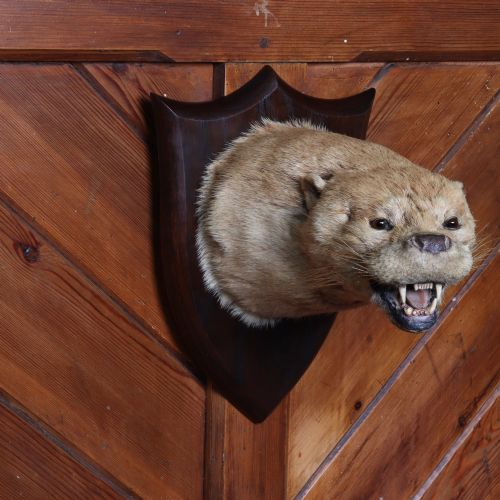
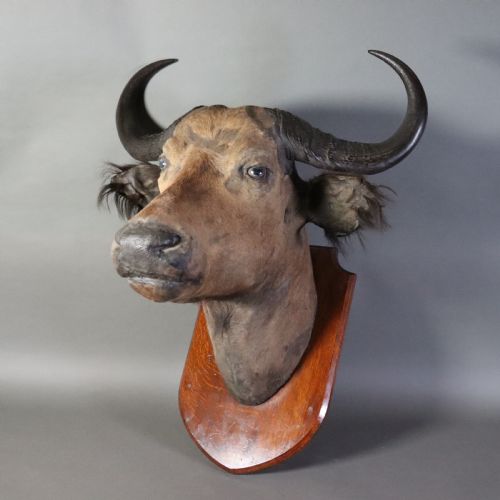
Taxidermy elements incorporate natural hide, horn, bone, and fur mounted onto wooden backings to create sporting trophies and wall displays. Artisans prepared these animal specimens with glass eyes and detailed taxidermy techniques typical of prominent British sporting establishments.
Listings feature oak items spanning the Victorian era through the 1950s, incorporating glass, horn, and silver plate.
Determining quality and craftsmanship
Quality separates objects through the precision of the woodwork and the crispness of any carved detailing on the oak shield forms or chair backs. Superior examples display tight joinery, unblemished timber surfaces, and well-balanced proportions.
The refinement of incorporated metalwork and taxidermy preparation dictates the distinction between standard production and masterwork pieces. Skilled taxidermists and silversmiths achieved anatomical accuracy and secure integration that elevates the overall execution of the object.
Peter Spicer and Sons·Gerrard and Sons London·John Grinsell and Sons
The Edwardian Oak Shield Glossary
- Oak
- A hard, durable timber native to Britain, valued for its prominent grain and strength in furniture and box making. Craftsmen selected quarter-sawn boards for stability and decorative ray fleck patterns.
- Shield plaque
- A flat mounting board shaped like a heraldic shield, traditionally used for displaying sporting trophies or commemorative inscriptions. These wooden backs provide a structured silhouette for wall placement.
- Taxidermy mount
- The art of preparing and preserving animal skins and antlers over a form to create a lifelike display. Specimens frequently include fox masks, stags heads, and antelope horns mounted on wooden shields.
- Humidor box
- A specialised wooden container designed to store cigars in controlled humidity conditions. Lined interiors and tight-fitting wooden lids help maintain internal moisture.
- Silver plate
- A thin layer of silver applied to a base metal object, commonly utilised for decorative mounts and hardware on boxes and biscuit barrels. This technique offered the visual appeal of solid silver at a lower production cost.
Edwardian Oak Shield: Frequently Asked Questions
How were these wooden items used?
Historical uses varied widely depending on the specific form, ranging from sporting trophies displayed on walls to desktop boxes storing stationery or cigars.
Many examples functioned as presentation pieces, commemorating sporting events or achievements with mounted shields and silver plaques.
How do I care for oak and silver items?
Maintain the timber surfaces by applying appropriate furniture wax sparingly and buffing with a soft cloth to preserve the natural grain of the oak.
Keep silver and silver plate components polished with a non-abrasive cleaner while avoiding direct contact between cleaning agents and the surrounding wood.
How do I identify the period of a piece?
Dating relies upon examining construction methods, hardware styles, and any accompanying hallmarks or inscriptions associated with the maker.
Late Victorian and Edwardian items often display characteristic joinery techniques, distinct brass or silver mounts, and traditional sporting motifs unique to those decades.