

Edwardian Oak Lamp Table
When searching for an edwardian oak lamp table, one finds sturdy timber pieces built to hold domestic lighting during the early twentieth century.
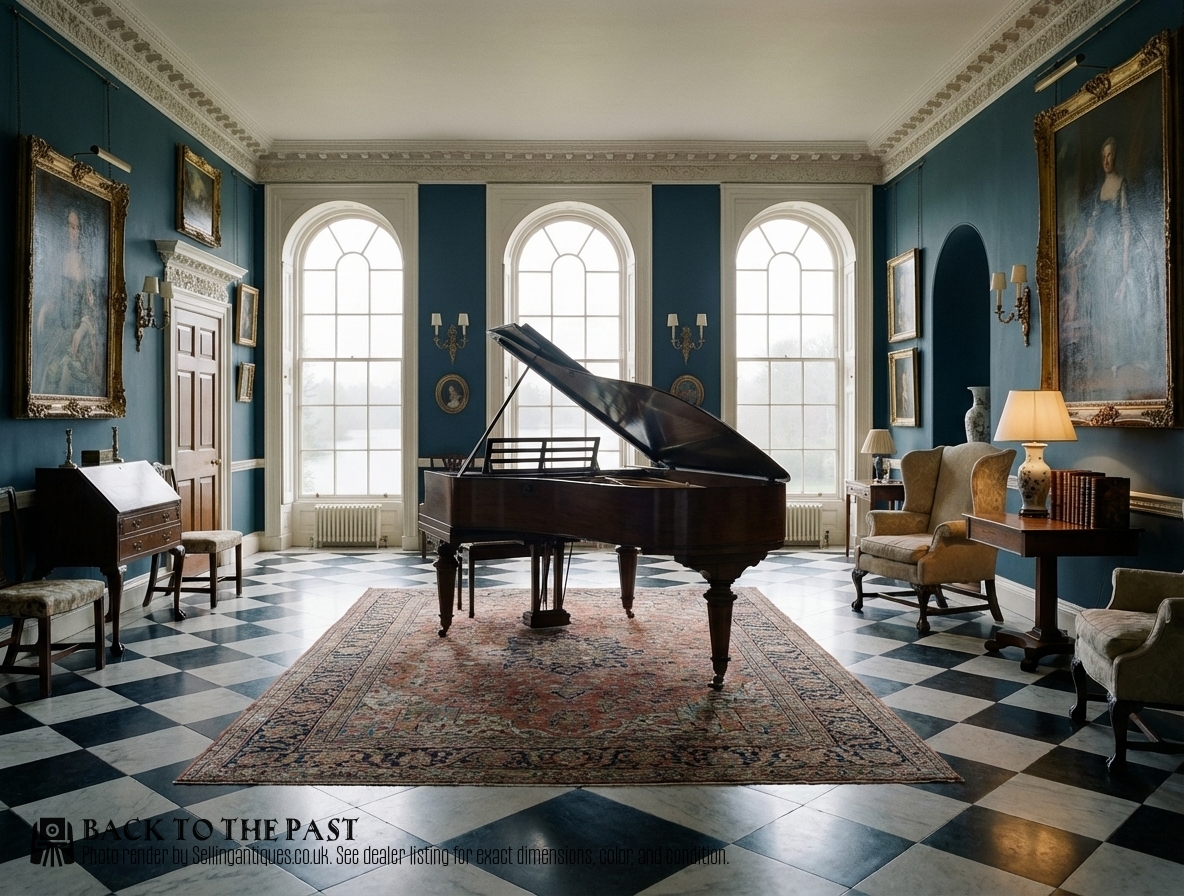
Edwardian Oak Lamp Table
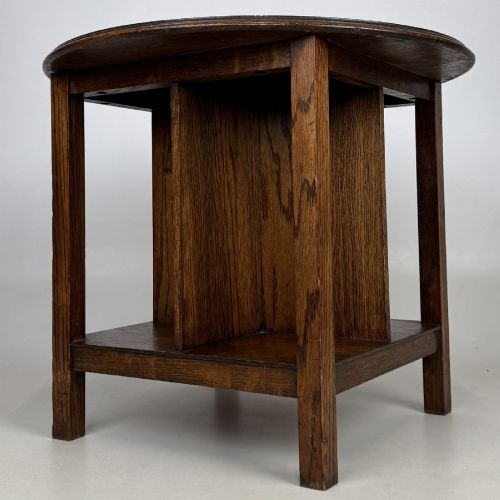
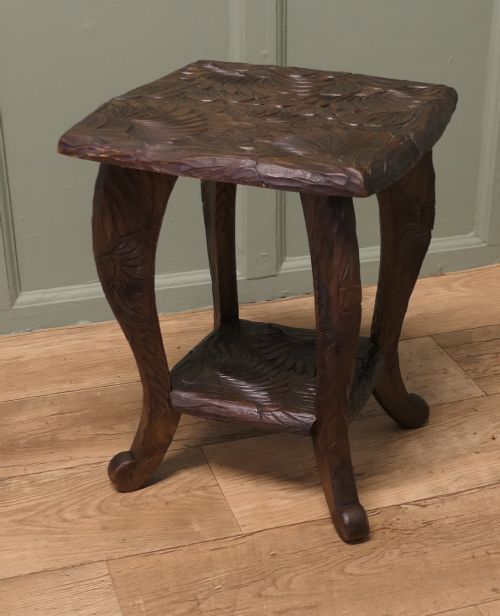
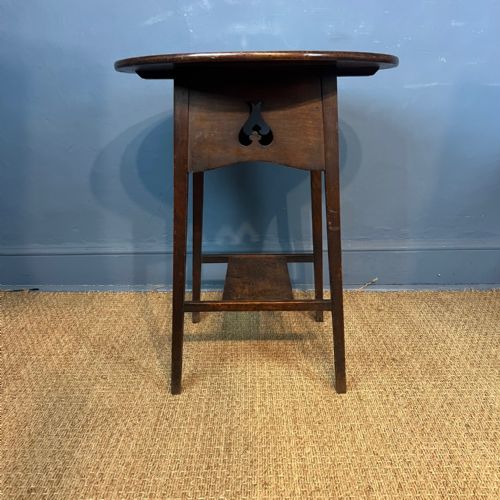
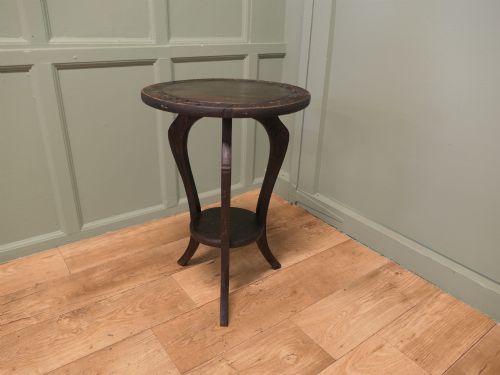
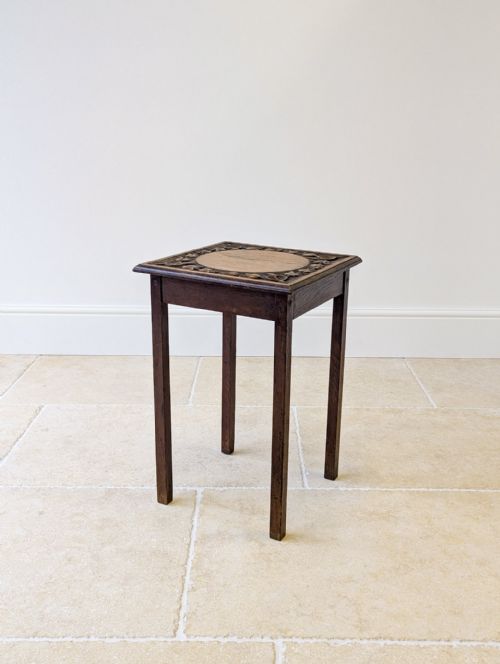
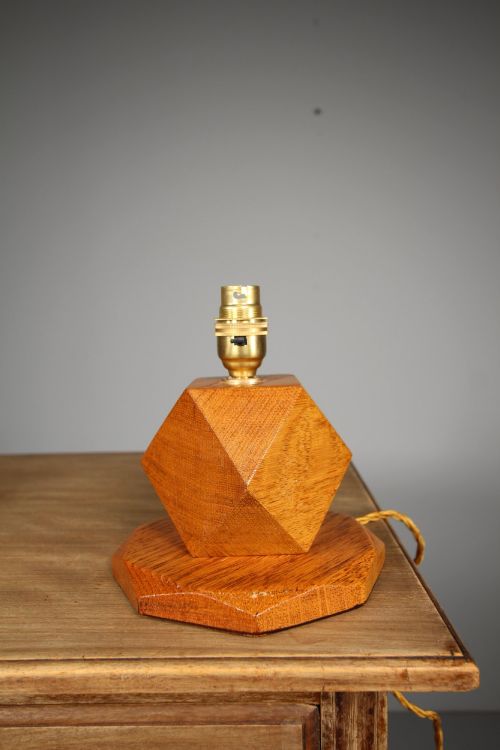
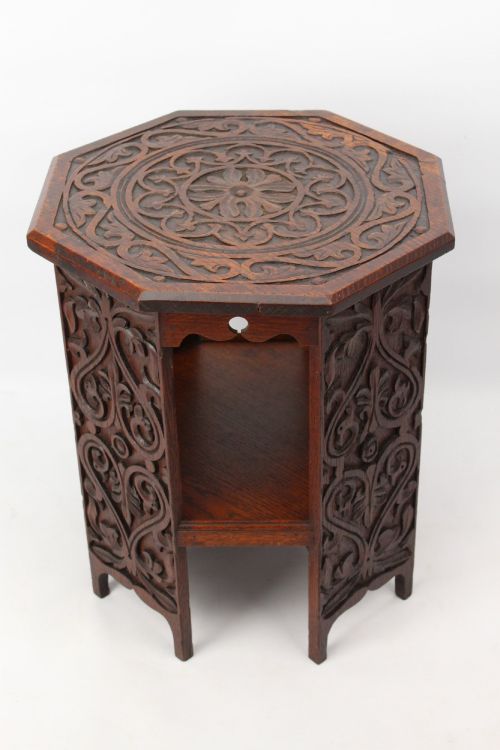
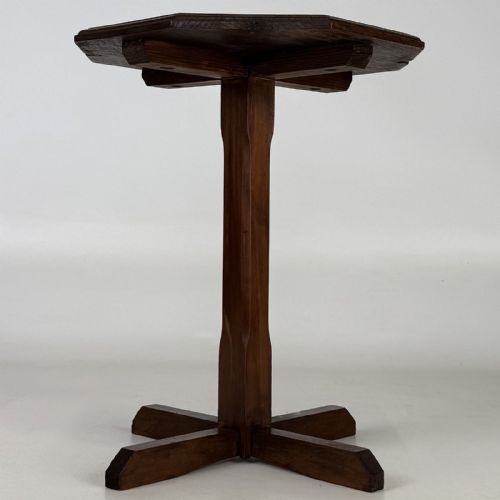
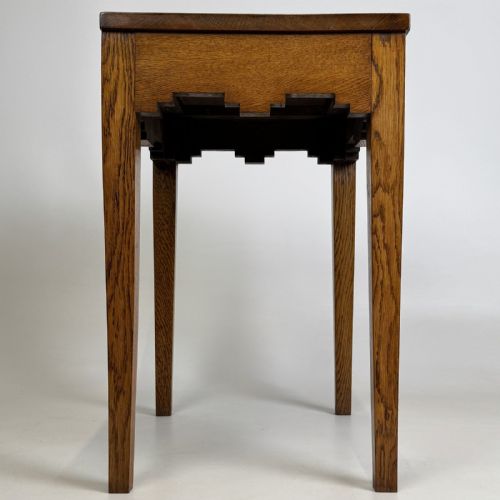
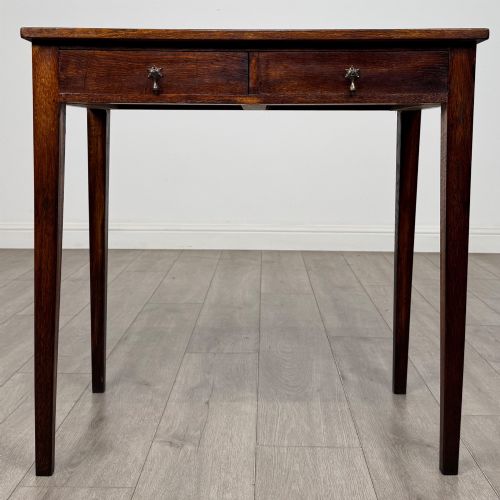
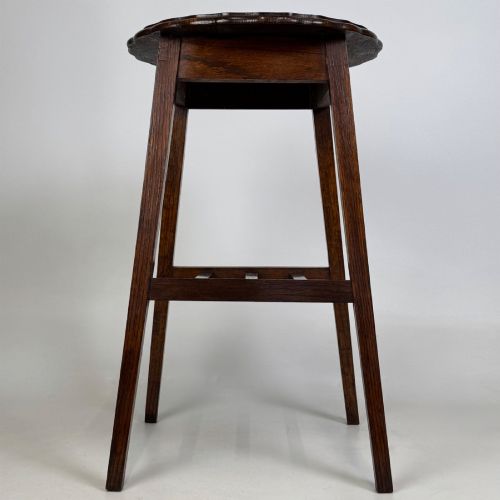
An edwardian oak lamp table primarily takes the form of a compact occasional table, side table, or plant stand designed for domestic interiors. Most examples date from the Edwardian period and the early twentieth century, drawing heavily on Arts and Crafts design principles.
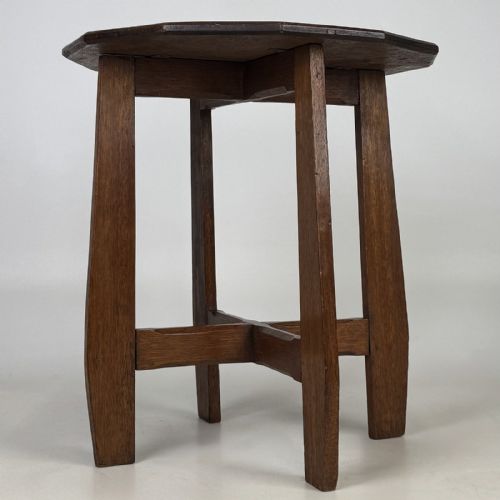
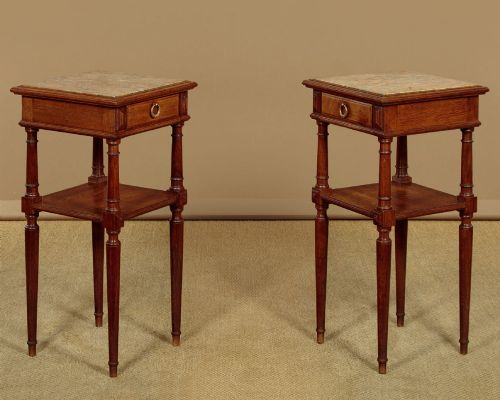
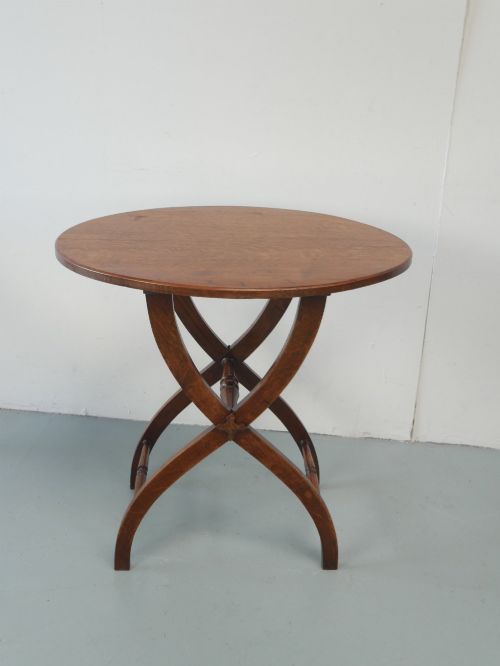
The selection includes circular, square, and octagonal formats, frequently featuring multiple tiers, drop leaves, or barley twist supports. These functional surfaces served as sturdy platforms for heavy oil or early electric lamps beside seating.
Makers and designers associated with the wider movement, such as Liberty and Co, Heals, and Baillie Scott, heavily influenced the straightforward construction and utility of these tables. Regional expressions like the Cotswold School and Glasgow School appear alongside standard domestic production.
How they were made
Solid oak serves as the primary structural material, often paired with secondary woods and supported by brass hardware, copper tops, or ceramic tiles set into the surface. Wood inlay, specimen wood, and chequered banding provide subtle decorative contrast without obscuring the natural grain.
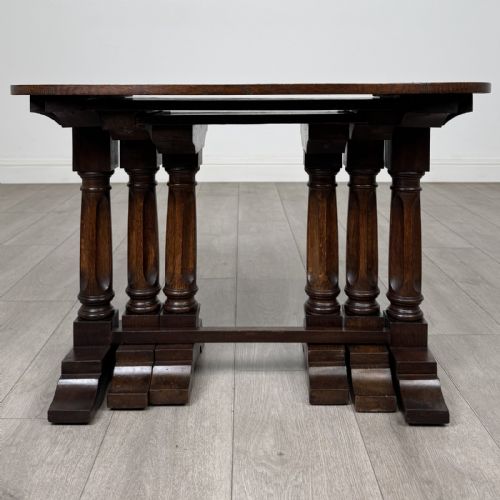
Joinery relies on traditional methods suited to domestic furniture production, including pegged mortise and tenon joints visible on Arts and Crafts examples. Turning lathes produced structural elements like barley twist legs and column supports for both tables and lamp bases.
Edwardian Oak Lamp Table Retail Price Guide 2026
Typical asking prices for edwardian oak lamp table among the pieces listed under this phrase on Sellingantiques today, from the lower quarter to the upper quarter. They describe what is for sale here now, not the wider market.
Listings feature solid oak, brass, ceramic tile, and wood inlay across Edwardian, Victorian, and Arts and Crafts styles.
What varies in quality
Quality rests upon the selection of solid timber, the integrity of the joinery, and the restraint shown in carved or inlaid decoration. Superior pieces display thoughtful grain matching and robust construction that withstands daily use as a lamp stand.
Attribution to notable workshops or specific design movements elevates certain tables above standard commercial output. Refined proportions and functional details, such as multiple tiers or drop leaves, distinguish better examples from simpler utility furniture.
Liberty and Co·William Birch·Baillie Scott·Hubert Simpson of Kendal·Waring and Gillow·Heals
The Edwardian Oak Lamp Table Glossary
- Arts and Crafts
- A design movement prioritising traditional craftsmanship, simple forms, and visible construction methods over mass-produced ornamentation.
- Barley Twist
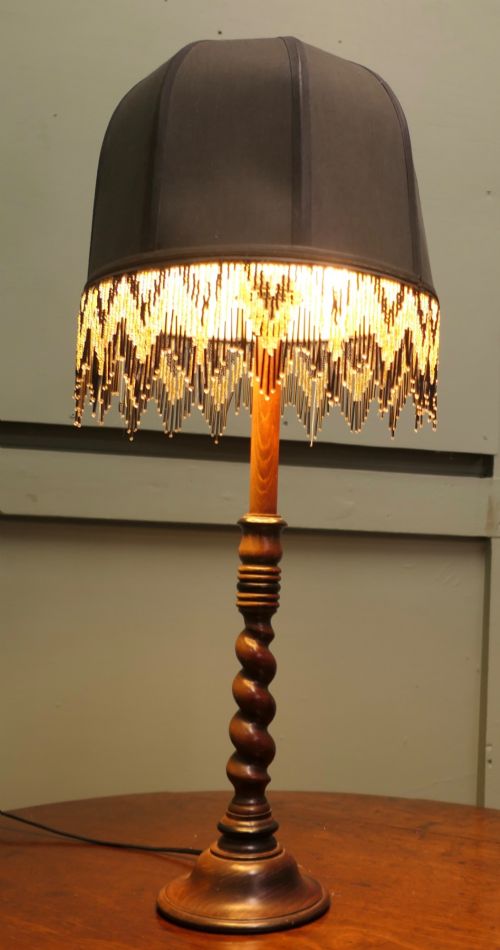
- A type of wood turning resembling a spiralling rope, frequently utilised for table legs and lamp columns.
- Cricket Table
- A small, three-legged occasional table with a round top, traditionally designed for uneven cottage floors.
- Tile Top
- A tabletop inset with ceramic tiles, often decorated with floral or geometric motifs to resist heat from lamps or vessels.
- Occasional Table
- A portable, multi-purpose small table intended for transient use around a principal living space.
Edwardian Oak Lamp Table: Frequently Asked Questions
What distinguishes an edwardian oak lamp table from a standard side table?
Lamp tables generally feature compact square, circular, or octagonal tops sized specifically to hold early lighting apparatus safely.
Many examples incorporate lower tiers or shelves to store books and magazines near seating areas.
How can one identify Arts and Crafts influences on these tables?
Arts and Crafts pieces emphasise exposed construction, honest materials like solid oak, and simple geometric forms without excessive carving.
Details such as chamfered edges, pegged joints, and occasional copper or tile inserts point directly toward this design philosophy.
Were these tables originally built exclusively for lamps?
While frequently employed as lamp stands, these versatile occasional tables served multiple domestic functions including plant stands, sewing tables, and corner supports.
Their robust solid oak construction allowed them to carry heavy oil lamps safely before widespread domestic electrification.
How do period details help date an oak lamp table?
Characteristics like barley twist turning, multi-tiered shelving, and integrated ceramic tiles align closely with Edwardian and late nineteenth-century production.
Attributions to specific regional groups or known retailers provide further chronological markers within the broader Arts and Crafts era.