



Edwardian Oak Drop Leaf Table
An edwardian oak drop leaf table brings versatile, space-saving timber craftsmanship to dining rooms and compact spaces alike.
Edwardian Oak Drop Leaf Table
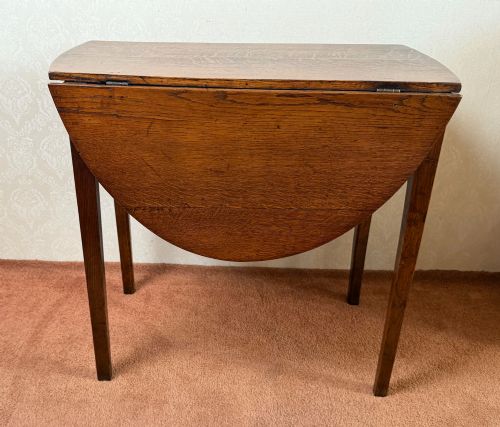
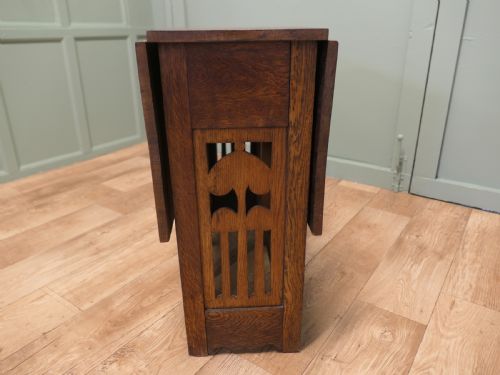
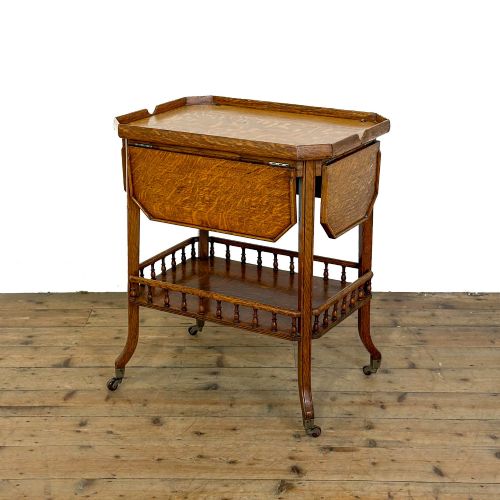
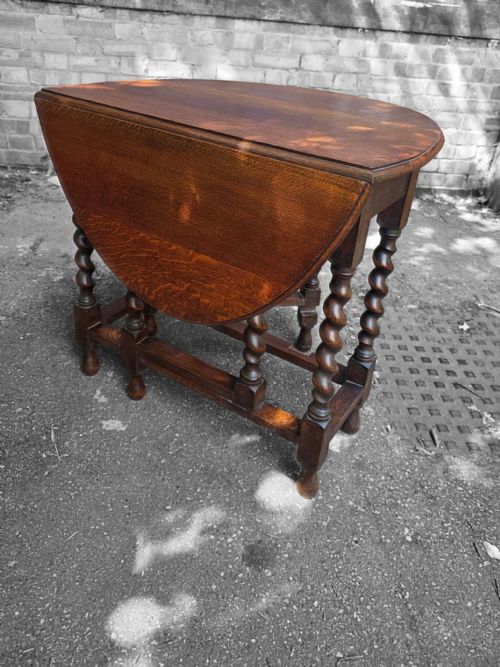
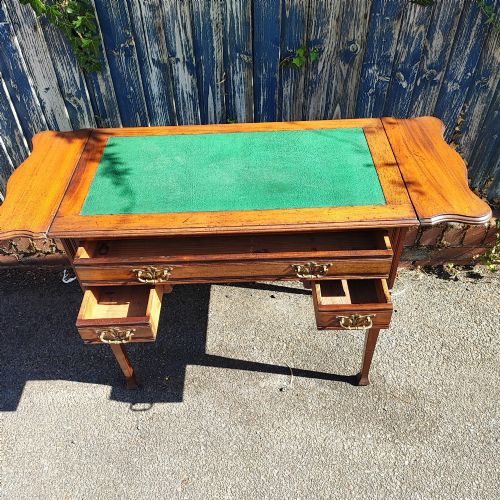
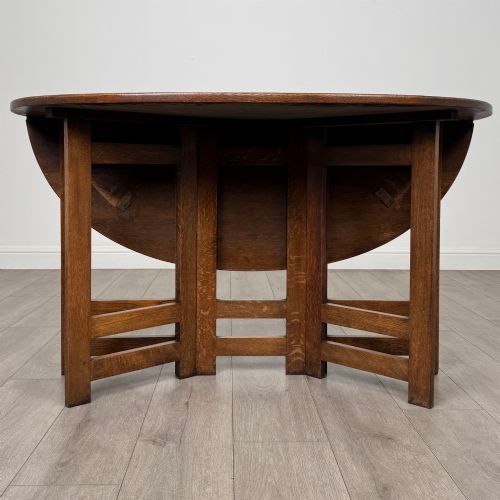
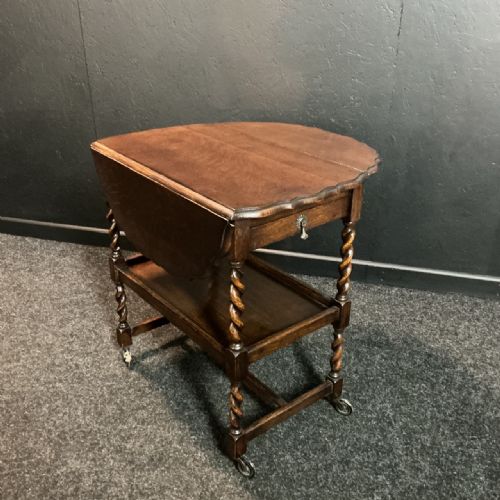
An edwardian oak drop leaf table is fundamentally a space-saving furniture piece designed with hinged side flaps that raise or lower as needed. Buyers seeking this phrase typically encounter gateleg dining tables, tea trolleys, coffee tables, and occasional writing desks originating primarily from the Edwardian era, alongside pieces spanning from 1890 to the 1930s.
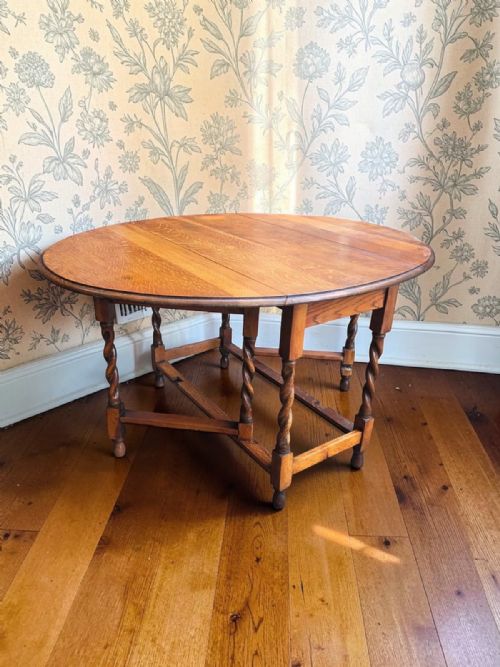
The selection ranges from large gateleg dining tables seating four to six people down to small occasional tables and narrow coffee tables. Styles lean heavily into Edwardian, Arts and Crafts, and Jacobean Revival aesthetics, often utilising barley twist legs to support the folding leaves.
While most examples date securely from the early twentieth century or late nineteenth century, variations include Victorian country pieces and occasional tables incorporating elm or brass fittings. The core function remains identical across forms: providing a wide surface that collapses compactly when floor space is at a premium.
Materials and construction
These tables are constructed predominantly from solid oak, sometimes referred to as golden oak, chosen for its durability and strong grain pattern. Metal components such as brass and cast iron appear on castors, hinges, and occasional fittings to support mobility and movement.
Makers utilised traditional joinery techniques combined with turned timber elements, notably barley twist legs that provide sturdy support for the hinged drop leaves. Secondary timbers such as elm occasionally appear in country pieces, while leather inserts feature on writing desks.
The listings show oak as the dominant material, accompanied by brass, iron, and leather across dining and tea trolley forms.
Craftsmanship and distinction
Quality in these tables rests upon the selection of timber and the execution of the structural frame, particularly where the drop leaves meet the fixed centre section. Superior examples display dense, well-figured solid oak with crisp turning on the legs rather than simpler, machine-produced lines.
The smoothness of the drop leaf mechanism and the stability of the gateleg action differentiate finer workshop production from standard utility pieces. Original hardware, such as brass hinges and castors, also elevates the integrity of an individual table.
The Edwardian Oak Drop Leaf Table Glossary
- Drop leaf table
- A table featuring a fixed central section and hinged flaps on either side that can be folded down to save space or raised to expand the surface area.
- Gateleg table
- A table with hinged legs that swing out like a gate to support the raised drop leaves.
- Barley twist
- A type of decorative timber turning shaped like a spiral or screw, common on legs of this period.
- Arts and Crafts
- A design movement emphasising handcraftsmanship, simple forms, and visible oak grain rather than heavy factory ornamentation.
- Occasional table
- A small, lightweight table intended for specific, intermittent use around a room rather than permanent dining.
Edwardian Oak Drop Leaf Table: Frequently Asked Questions
What is an edwardian oak drop leaf table used for?
These tables served primarily as flexible dining surfaces or everyday household furniture that could be tucked away against a wall when not in use.
Smaller variants functioned as tea trolleys, writing desks, or lamp tables, adapting easily to changing room layouts.
How do I identify an edwardian piece?
Look for characteristic construction methods, timber tones, and stylistic markers such as barley twist turnings or Arts and Crafts influences.
Dates generally centre around the early twentieth century, drawing on late Victorian sturdiness while leaning toward lighter domestic proportions.
Are drop leaf tables sturdy enough for daily dining?
Solid oak construction and stout gateleg frames provide considerable strength when the leaves are fully extended.
The hinged joints require proper alignment of the supporting legs to ensure the flaps bear weight safely during meals.
How do I care for antique oak furniture?
Maintain the timber by keeping it away from direct heat sources and sudden humidity changes that can split the wood or warp the leaves.
Apply occasional appropriate wax polish to nourish the oak grain and protect the surface from everyday wear.