
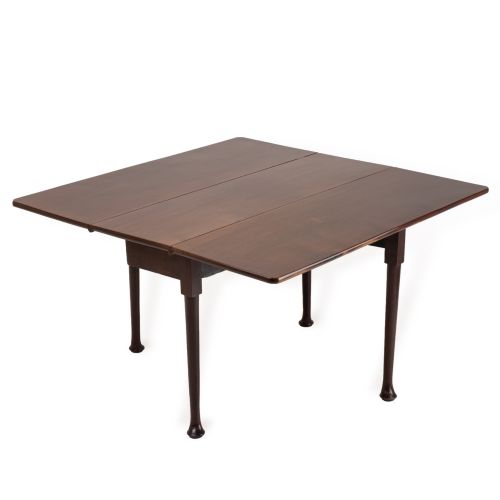
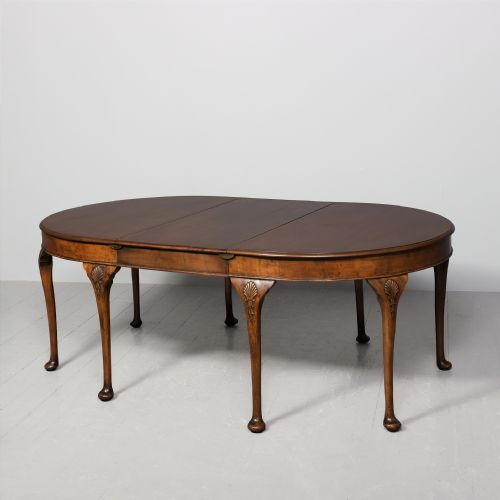


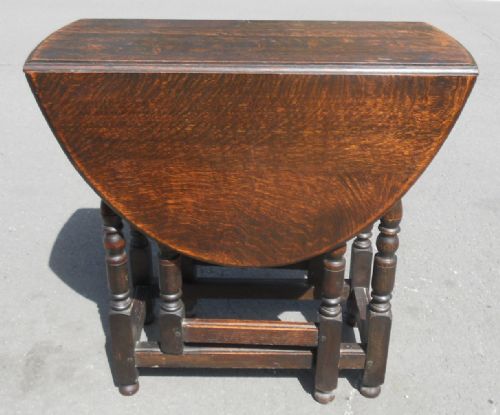
Traditional English Drop Leaf
These traditional English drop leaf tables combine centuries of cabinet-making skill with practical design, offering expandable surfaces for dining and everyday living.
Traditional English Drop Leaf
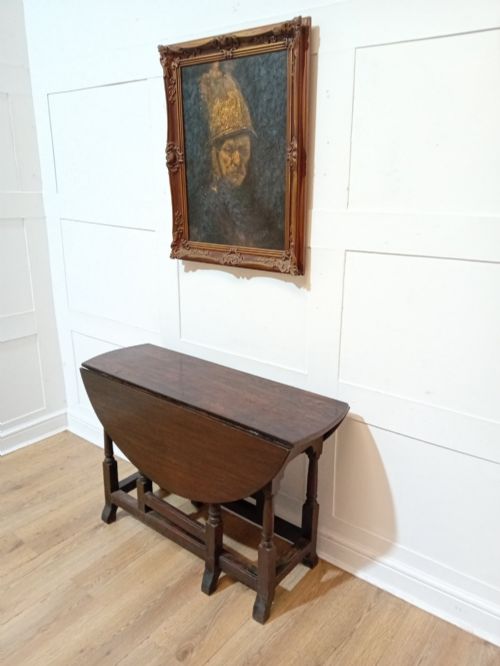
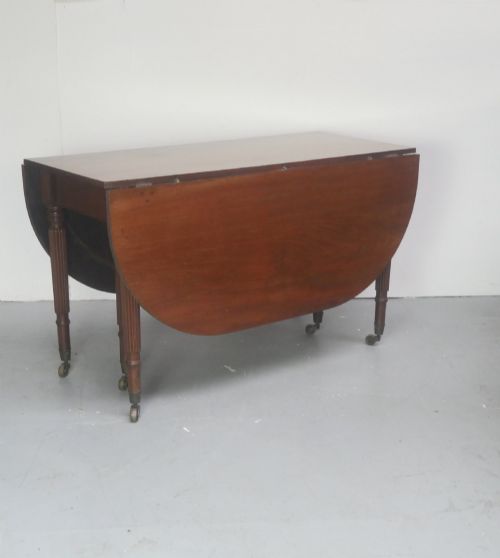
When you search for traditional english drop leaf, you encounter versatile tables designed with hinged flaps that fold down to save space when not in use. These pieces span multiple centuries, ranging from seventeenth-century oak gateleg designs to nineteenth-century mahogany versions and later revival periods.
The selection on this page centres primarily on sturdy oak and rich mahogany dining and occasional tables. Buyers frequently find substantial gateleg configurations alongside more compact occasional pieces and specific regional forms.
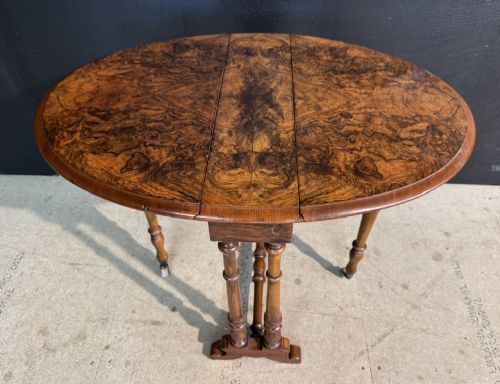
Earlier examples display deep patination on native timber, whilst subsequent periods bring refined veneers such as burr walnut and lighter proportions suited to smaller domestic spaces.
How they were made
Cabinet-makers constructed traditional English drop leaf tables predominantly from solid oak and mahogany, often incorporating walnut and burr walnut for decorative surfaces. Joinery relied on traditional methods such as mortise and tenon frames, ensuring the hinged flaps and pivoting legs could support daily weight.
Hardware played a functional role in supporting the drop leaves, with brass hinges and swinging gateleg mechanisms engineered to bear the load of the extended leaves without sagging. Finishes were typically built up using traditional waxes and oils that protected the timber while enhancing the natural grain.
Periods represented span from the seventeenth century through the Georgian and Victorian eras into early twentieth-century revival pieces.
What varies in quality
The standard of a traditional English drop leaf table is determined by the selection of timber and the precision of the underlying joinery. Superior examples retain their original hinges, timber patination, and structurally sound gateleg actions that operate smoothly without binding.
Proportion and wood figure also distinguish finer pieces from standard utilitarian items, particularly where matched veneers or selected hardwoods were employed by the maker. Altered surfaces or replaced structural elements detract from the historical integrity and long-term durability of the piece.
The Traditional English Drop Leaf Glossary
- Gateleg table
- A table with hinged leaves supported by one or more legs that swing out like a gate. This clever design allows the surface area to double when fully opened.
- Drop leaf
- A table top configuration featuring a fixed centre section and movable flaps on either side. These flaps drop down vertically when supported brackets or legs are tucked away.
- Spider table
- A delicate occasional table featuring slender turned legs connected by stretchers. The term describes the spindly, lightweight appearance of the underframe.
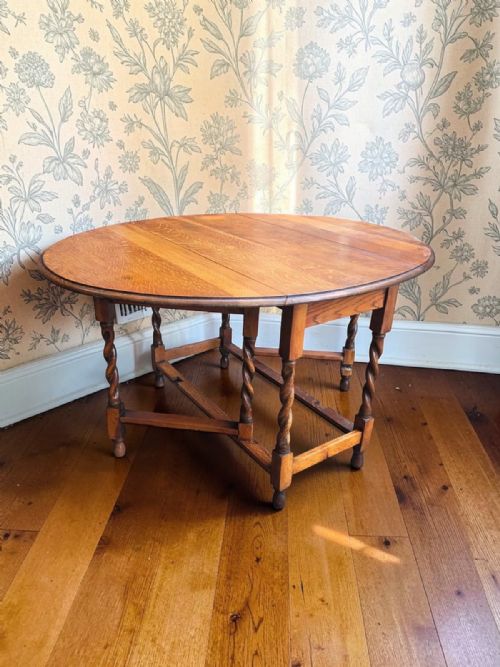
- Barley twist
- A decorative turning style resembling a spiralling rope or helix. This technique appears frequently on the legs and stretchers of seventeenth-century and revival furniture.
- Patina
- The deep, lustrous surface sheen developed on timber over decades of use and polishing. It serves as a visual indicator of age and careful maintenance.
Traditional English Drop Leaf: Frequently Asked Questions
How do I use a drop leaf table daily?
These tables function brilliantly in compact spaces by remaining folded against a wall until extra surface area is needed. Simply swing the supporting gate legs outward and lift the hinged leaves into place for dining or working.
Dropping the leaves instantly frees up floor space when the table is not in use. This flexibility makes them ideal for modern rooms that require adaptable furniture arrangements.
How can I tell the age of my table?
Dating relies heavily on examining the timber species, construction marks, and hardware fixings used in the frame. Seventeenth and eighteenth-century examples typically feature solid native oak or early mahogany with hand-cut joinery.
Revival pieces from later periods often show uniform machine milling and different internal construction methods. Comparing the turning styles on the legs to established historical periods also aids identification.
Are oak and mahogany tables cared for differently?
Both timbers benefit from regular dusting with a soft cloth and occasional applications of traditional beeswax to nourish the finish. Avoid placing solid wood furniture in direct sunlight or near heat sources to prevent timber splitting.
Mahogany generally requires gentle cleaning to preserve its deep reddish hue, whilst oak appreciates wax that enhances its open grain. Promptly wiping up moisture prevents water marks on the polished surface.
What rooms suit a gateleg table best?
Dining rooms and kitchens benefit enormously from the expandable surface area provided by larger gateleg configurations. They offer generous seating capacity during meals while collapsing into narrow consoles afterward.
Smaller occasional and spider tables find natural homes in living rooms or hallways as lamp tables. Their slim folded profiles allow them to tuck neatly into awkward corners without crowding the space.