
Edwardian Neoclassical Table
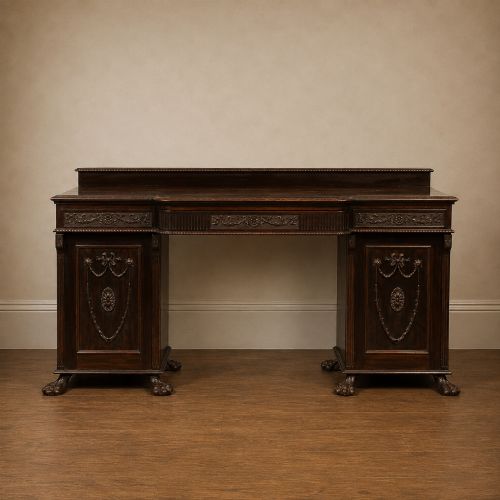
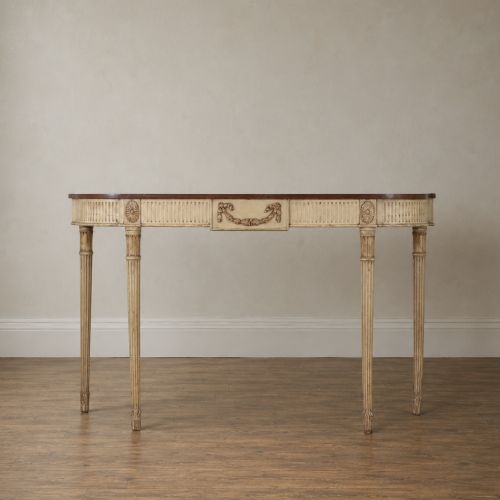
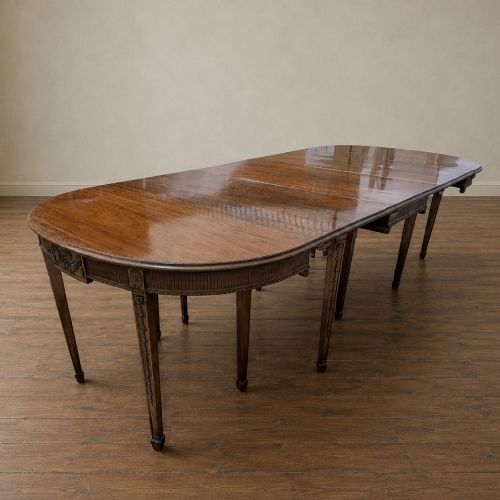
These edwardian neoclassical table pieces bring balanced classical geometry and restrained ornament to a room, offering both practical surface space and refined period lighting.
Edwardian Neoclassical Table
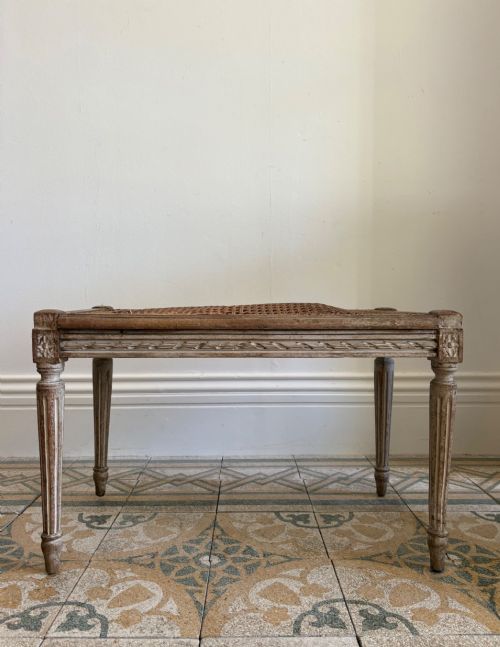
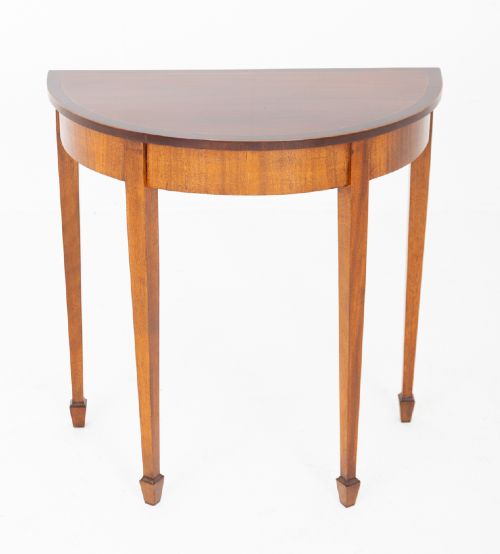
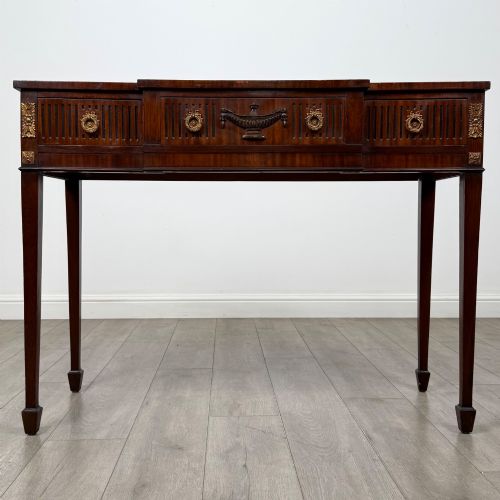
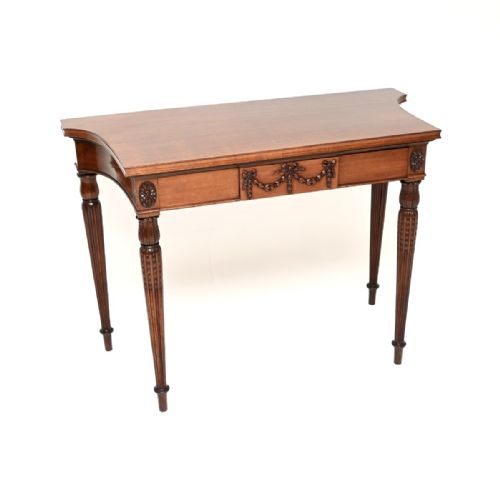
When you search for an edwardian neoclassical table, you encounter a selection of occasional tables, console tables, and related furnishings rooted in the early twentieth century and the Edwardian period. The forms lean heavily on classical revival vocabulary, incorporating symmetrical lines and balanced proportions derived from eighteenth-century models.
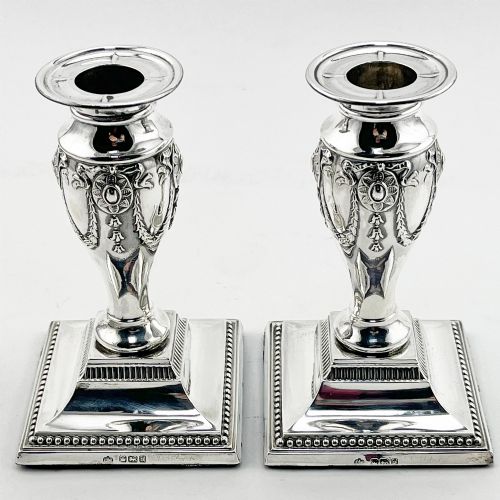
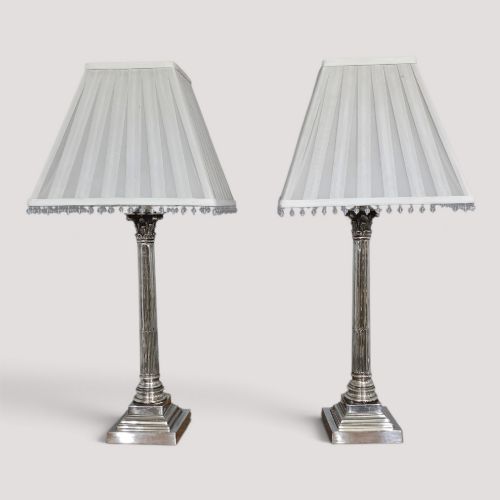
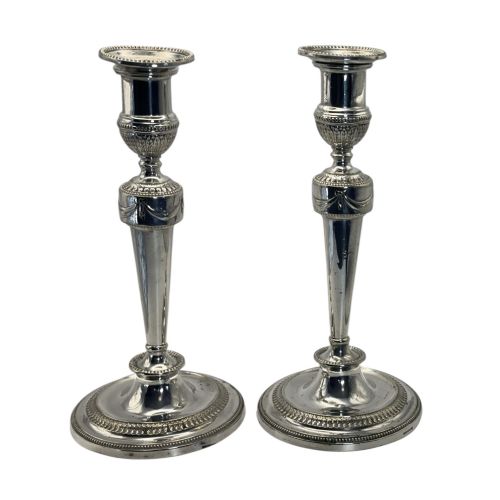
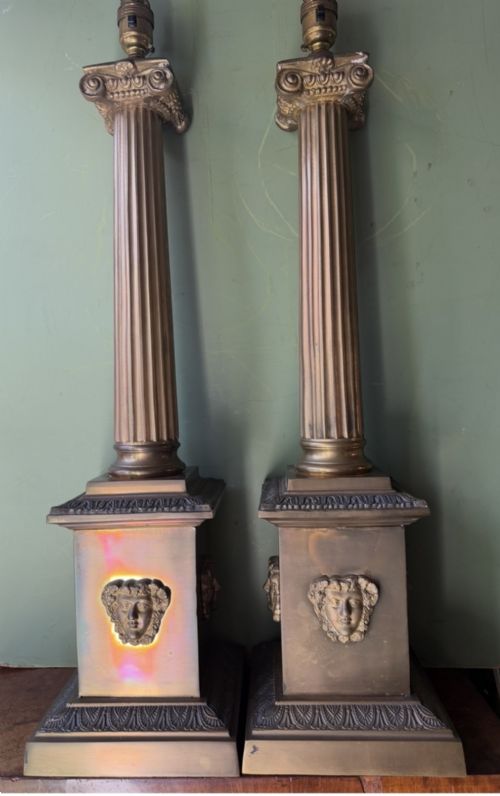
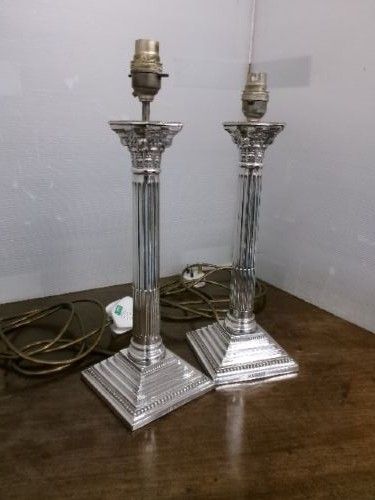
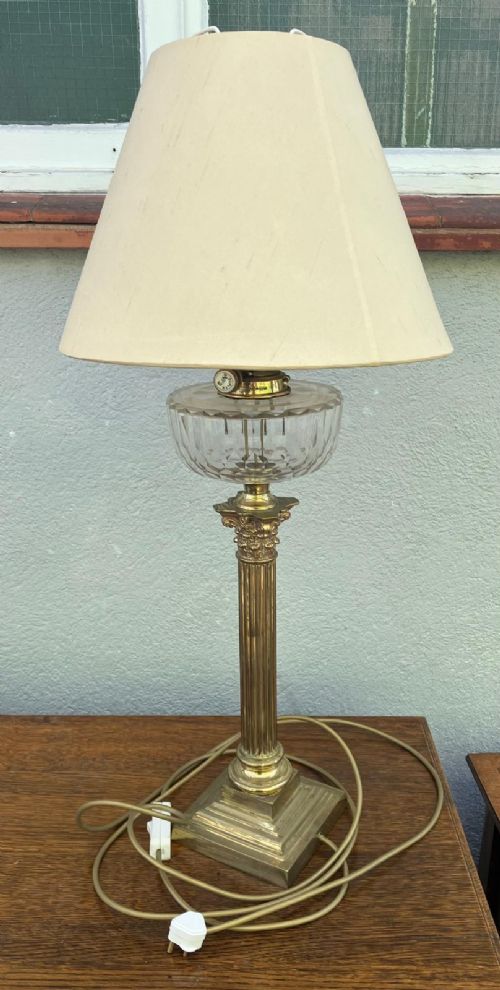
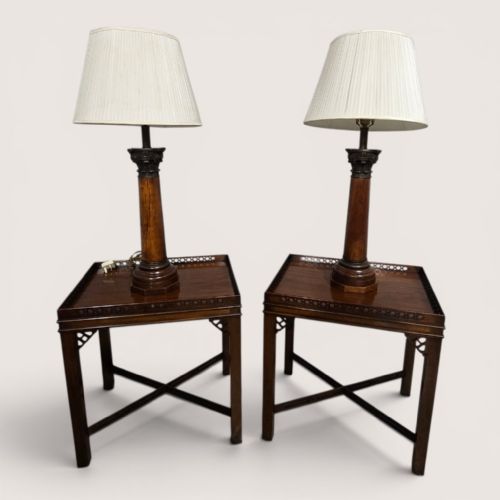
Alongside dedicated side and console pieces, the category frequently extends to table lamps and candlesticks utilising classical architectural motifs. These items cross paths with revival styles spanning from the late Victorian era into the nineteen-twenties, uniting formal restraint with domestic utility.
Materials and Construction
Makers utilised timber such as mahogany and satinwood for furniture bodies, often pairing them with boxwood stringing and marquetry. These wooden surfaces rely on traditional joinery and careful veneer selection to achieve a smooth, planar finish.
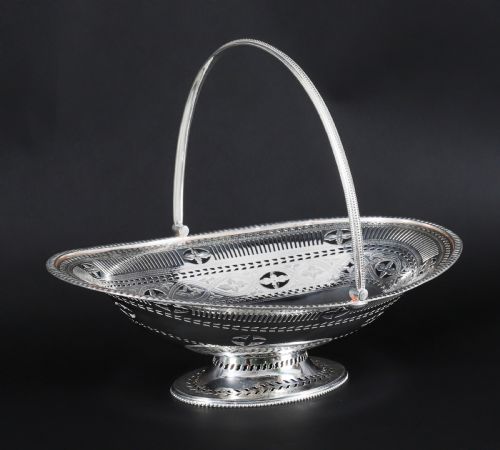
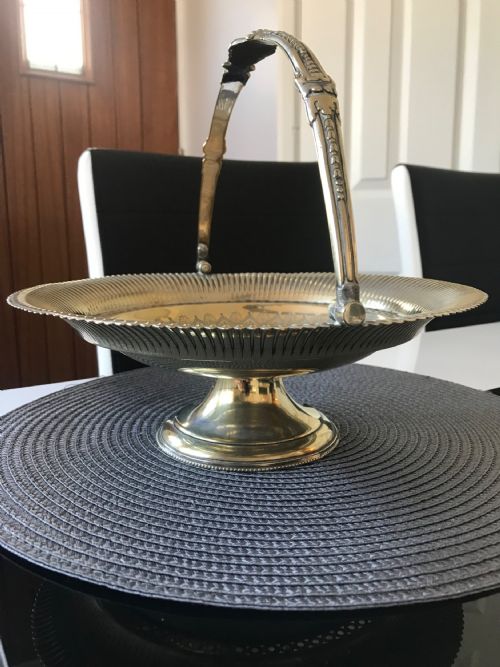
Metalwork forms the foundation of the lighting pieces, with brass and silver plate shaped into columns and decorative mounts. Alabaster, marble, and glass also appear, providing contrasting textures and weight to bases and tops.
Listings feature mahogany, satinwood, brass, and alabaster across various table and lighting forms.
Assessment of Standard
Quality rests upon the crispness of execution in both woodwork and metal casting. Sharp detailing on brass capitals and fine precision in inlaid satinwood distinguish superior examples from simpler production.
Material selection dictates longevity and visual depth, particularly in the figuring of mahogany grains and the weight of cast metal components. Balance and proportion remain central, where well-resolved symmetry elevates a piece.
Mappin and Webb·Royal Worcester
The Edwardian Neoclassical Table Glossary
- Neoclassical
- A style inspired by the classical architecture and art of ancient Greece and Rome. It prioritises symmetry, straight lines, and restrained ornamentation.
- Satinwood
- A durable, yellowish timber prized for its lustrous grain. It is frequently employed in fine revival furniture for veneering and decorative banding.
- Corinthian Column
- A classical column type featuring an ornate capital decorated with acanthus leaves. It appears frequently on the stems of period table lamps and candlesticks.
- Ormolu
- Gilded bronze or brass applied as mounts to furniture and lamps. The technique provides metallic highlights against timber or marble surfaces.
- Console Table
- A wall-mounted or freestanding table designed to stand against a vertical surface. These forms often feature marble tops or painted finishes.
Edwardian Neoclassical Table: Frequently Asked Questions
What defines an edwardian neoclassical table?
These pieces draw upon classical architectural principles, featuring straight tapered legs, symmetrical geometry, and restrained decorative motifs. They reflect the Edwardian revival of earlier eighteenth-century designs.
The category encompasses small occasional tables, console surfaces, and related decorative furnishings designed to bring formal balance to domestic interiors.
How do I identify the period?
Examination of timber construction, finishing methods, and metal casting provides clues to age. Edwardian examples often blend classical revival motifs with early twentieth-century manufacturing techniques.
Looking closely at secondary woods, fixings, and wear patterns helps separate genuine period items from later revival pieces.
Where should I place a console table?
Console tables function effectively in hallways, living rooms, or dining spaces against a flat wall. Their shallow depth allows them to provide surface space without obstructing walkways.
Pairing them with a mirror or placing a lamp upon the top surface completes the traditional arrangement seen in period interiors.
What materials are most common?
Mahogany and satinwood dominate the wooden furniture, often enhanced with boxwood stringing or painted details. Brass and silver plate appear extensively in the lighting and metalware.
Marble and alabaster also feature frequently, providing durable tops for console tables and solid weighted bases for table lamps.