

Edwardian Music Furniture
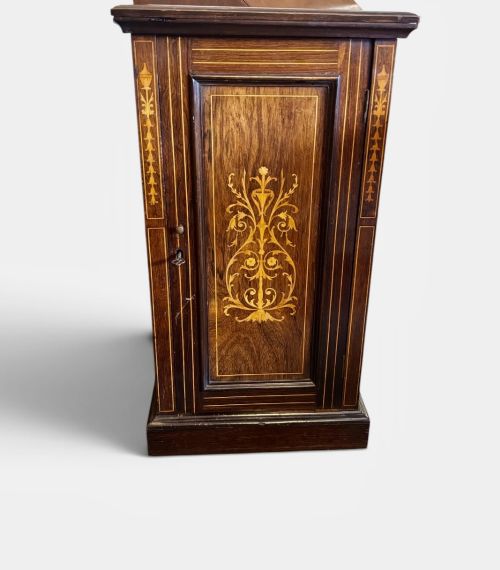
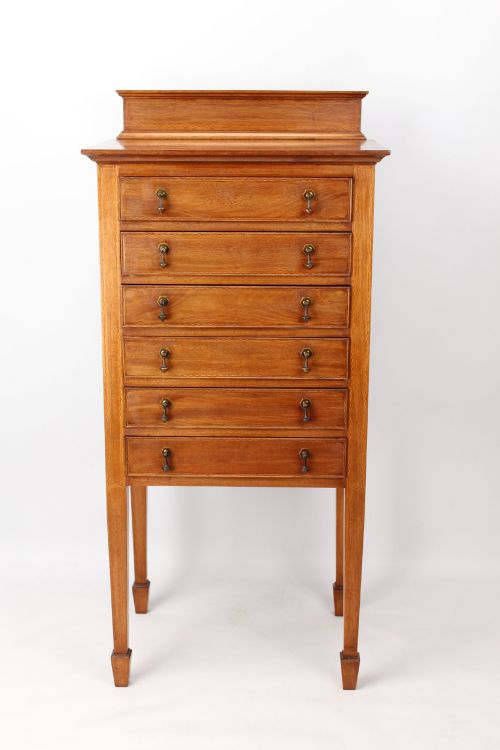
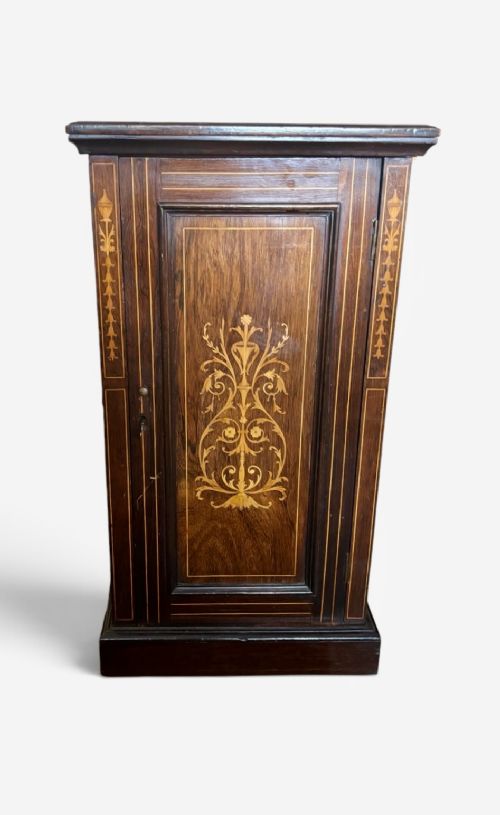
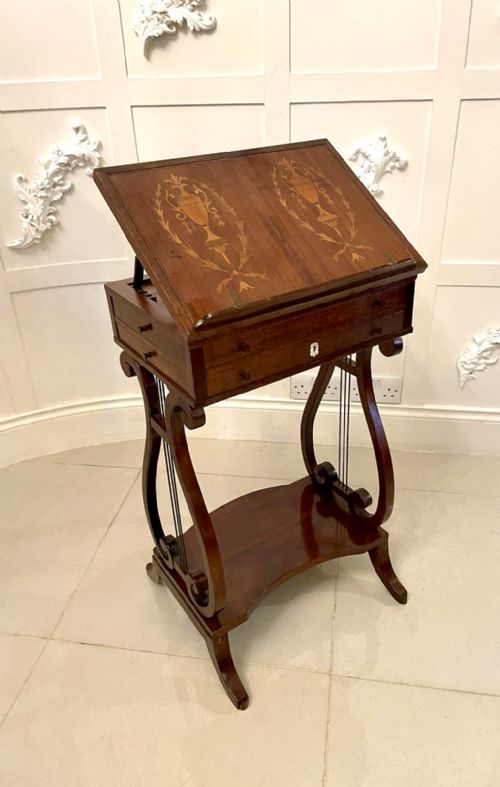
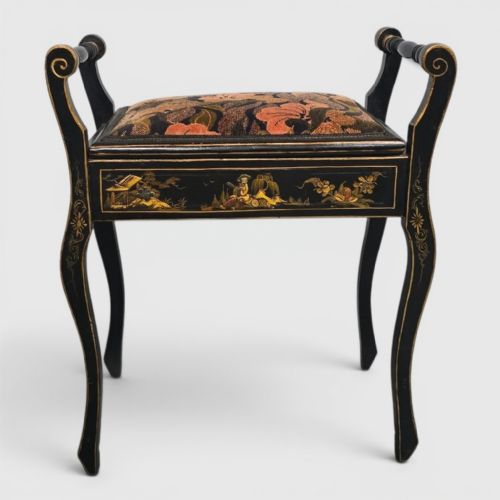
Edwardian music furniture brings together mahogany cabinets, walnut canterburys and inlaid piano stools made to hold sheet music in the drawing room.
Edwardian Music Furniture
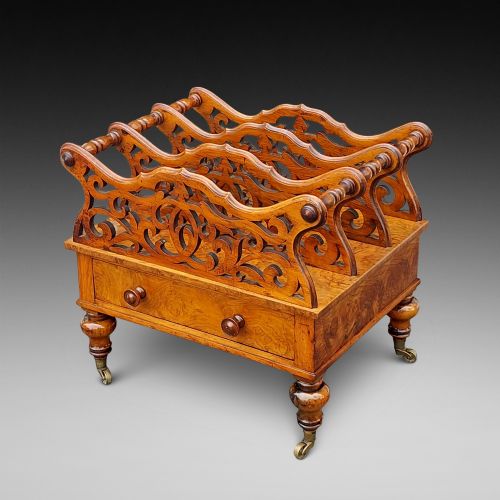
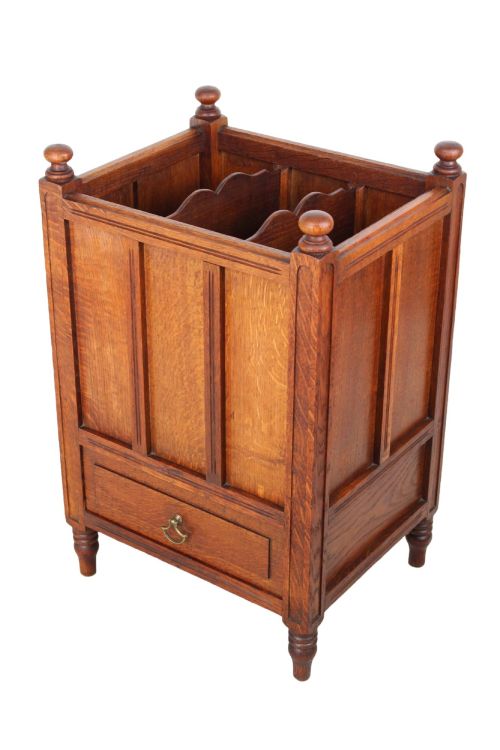
Edwardian music furniture encompasses dedicated sheet music cabinets, multi-tiered canterburys, magazine racks and piano stools designed for domestic musical entertainments. These pieces emerge predominantly from the Edwardian era and the late Victorian period, reflecting the popularity of the parlour piano.
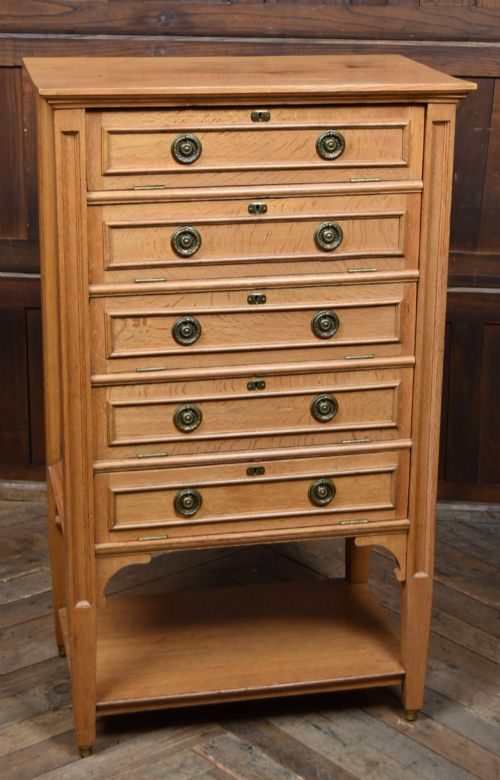
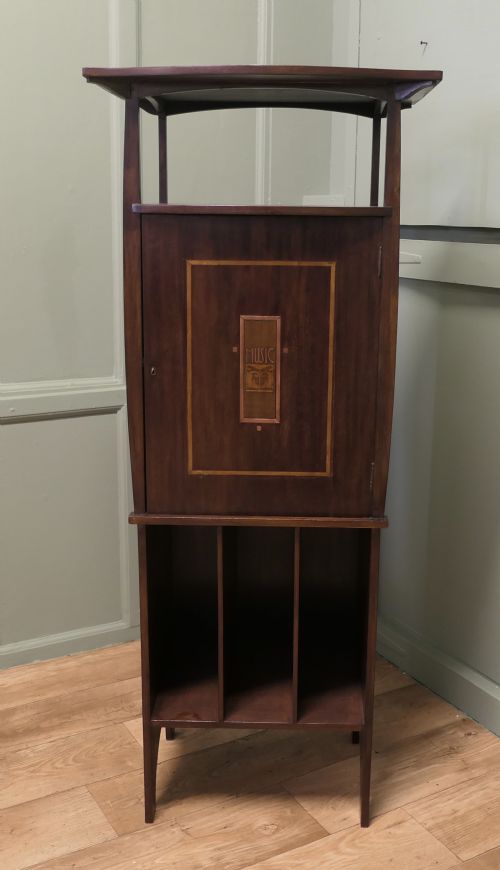
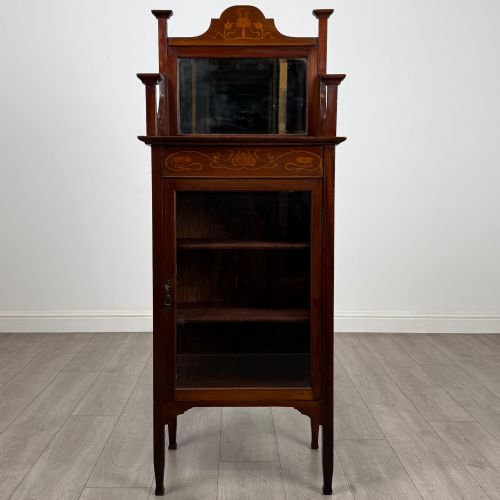
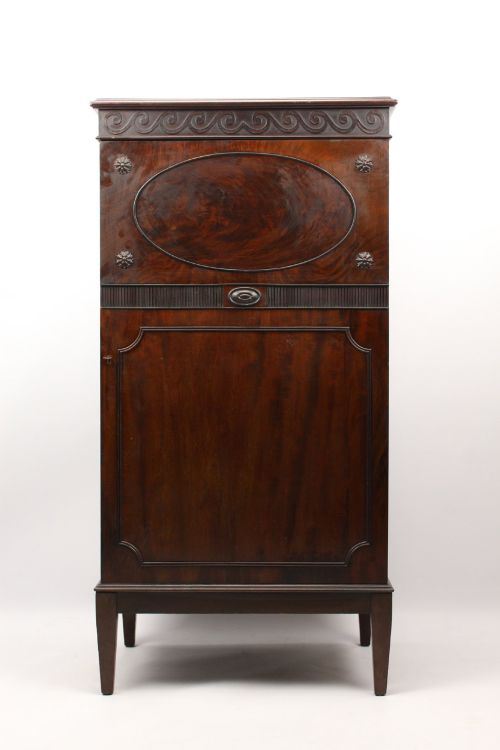
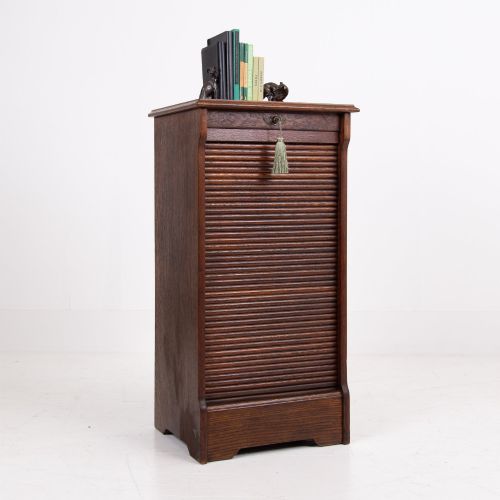
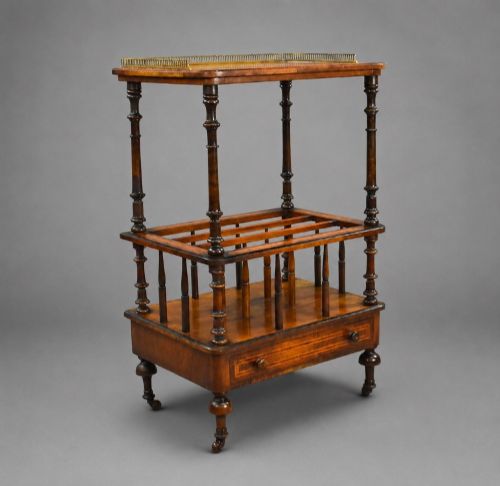
The buyer meets upright mahogany music cabinets with drop-front or multiple drawers alongside walnut canterburys fitted with open partitions. Origins span British workshops and cabinet makers working in styles from straightforward Edwardian design to Arts and Crafts and French Art Nouveau.
Materials and Construction
Craftsmen built these pieces using solid timbers and decorativeveneers, principally mahogany, walnut, burr walnut and rosewood. Inlays of satinwood and delicate brass hardware frequently accent the primary woods.
Joinery methods include dovetailed drawers, turned legs with castors, and tambour doors. Cabinet makers combined structural integrity with refined surface finishes to suit formal reception rooms.
Some pieces included specialised compartments for dampening the enthusiasm of overly energetic pianists.
Evaluating Quality
Quality rests upon the selection of timber veneers, such as richly figured burr walnut or dense mahogany, and the precision of inlaid marquetry. Better examples display crisp carving and thoughtful proportions rather than plain, utilitarian construction.
Original brass handles, functional internal dividers and intact tambour doors or drop-front mechanisms separate superior pieces from standard workshop output.
GM Elwood for JS Henry·Denby and Spinks·U Phone of Leeds·Keeble London
The Edwardian Music Furniture Glossary
- Canterbury
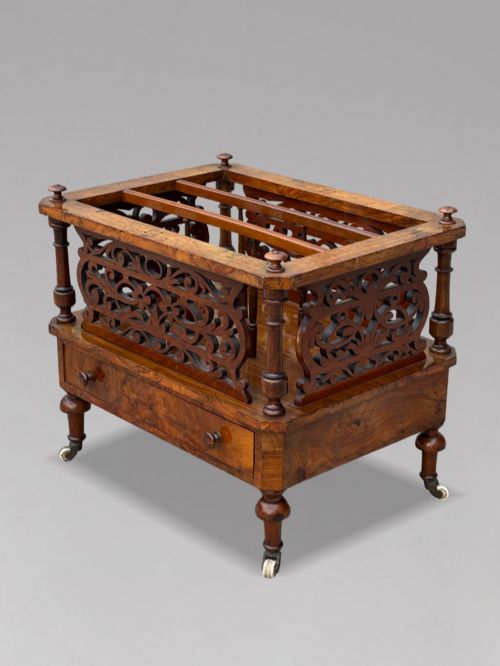
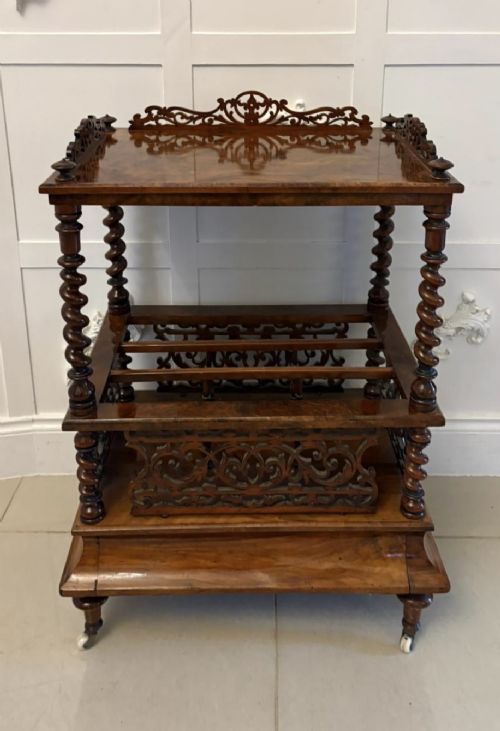
- A low stand with vertical partitions designed to hold sheet music, folios or magazines, often mounted on castors. These pieces frequently feature one or more drawers beneath the open sections.
- Inlay
- A technique where contrasting woods, brass or satinwood are inserted into recesses within the primary timber surface to create decorative patterns. This work is common on Edwardian mahogany cabinets.
- Marquetry
- Elaborate decorative wood veneers arranged to form pictorial or geometric designs across cabinet doors and table tops. Victorian makers applied this technique to rosewood and walnut side cabinets.
- Tambour door
- A flexible door constructed from narrow vertical strips of wood glued to a canvas backing, allowing it to slide smoothly around a curved track. It appears on mid-to-late period cabinets.
- Burr walnut
- Timber taken from the wart or burl of a walnut tree, yielding a swirling, highly figured grain pattern. Cabinet makers used burr walnut veneers on high-status Victorian and Edwardian furniture.
Edwardian Music Furniture: Frequently Asked Questions
What is Edwardian music furniture?
Edwardian music furniture comprises specialised cabinets, canterburys and piano stools built to store sheet music and scores in domestic parlours.
These pieces reflect the central role of home piano playing during the period, combining practical internal shelving with decorative woodwork.
How were music cabinets used?
Music cabinets stored loose sheets of piano music, bound scores and musical accessories in organised drawers or vertical slots.
Drop-front doors and specialised internal partitions kept paper flat and sorted for evening musical recitals.
How do I identify an Edwardian piece?
Edwardian pieces generally feature lighter mahogany timbers, delicate satinwood inlay and simpler, more restrained lines than heavy Victorian furniture.
Makers working in this era often embraced Edwardian styles or influences from the Arts and Crafts movement.
Where should I place a canterbury?
Canterburys suit living rooms and studies where their open partitions can hold current magazines, books or sheet music.
Their compact footprints and castors allow them to sit easily beside armchairs or pianos.