

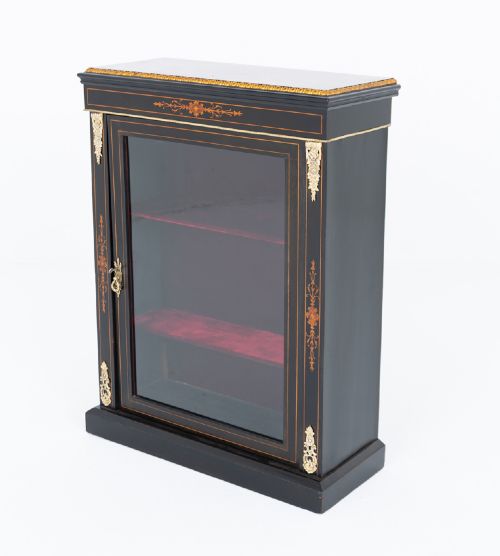


Edwardian Music Cabinet Glass
These edwardian music cabinet glass pieces combine timber and transparency to hold scores while showing off curated interiors.
Edwardian Music Cabinet Glass
An edwardian music cabinet glass piece is a refined home for sheet music and small display items, typically encountered in Edwardian and Victorian forms.
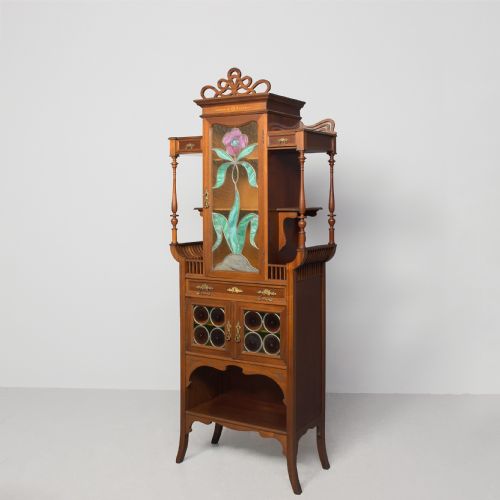
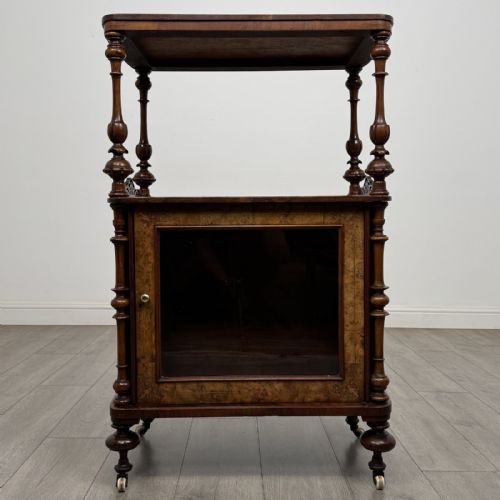
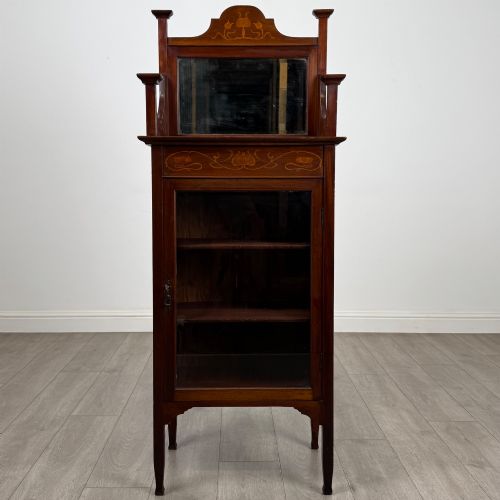
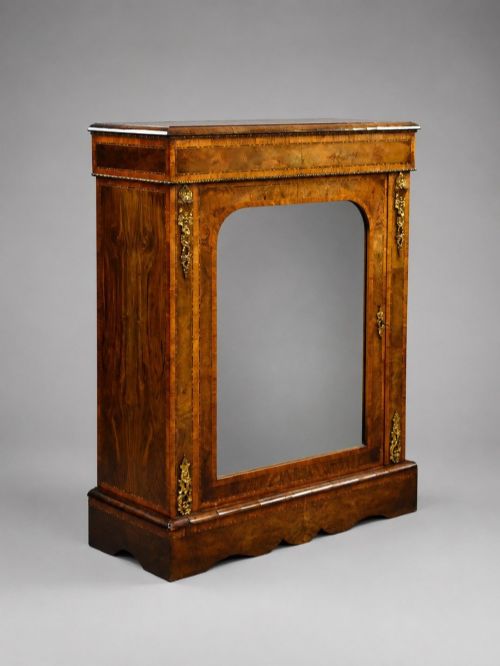
These items range from dedicated music cabinets with glazed doors to broader display cabinets and pier cabinets incorporating glass panels.
Origins span the nineteenth century through the early twentieth century, drawing on Edwardian and Victorian aesthetic traditions.
How they were made
Cabinet makers utilised fine timbers including burr walnut, mahogany, satinwood, and burr yew wood, often enhanced with inlay work.
Glass panels were fitted into doors and sides to protect contents while allowing visibility, complemented by brass and ormolu mounts.
Edwardian Music Cabinet Glass Retail Price Guide 2026
Typical asking prices for edwardian music cabinet glass among the pieces listed under this phrase on Sellingantiques today, from the lower quarter to the upper quarter. They describe what is for sale here now, not the wider market.
Sheet music once lived a surprisingly glamorous life behind these very panes.
What varies in quality
The choice of primary timber and decorative veneer, such as burr walnut or figured mahogany, largely determines the visual presence of the piece.
Refinement in inlay work, quality of brass hardware, and the clarity and setting of the glass separate standard examples from finer workshops.
The Edwardian Music Cabinet Glass Glossary
- Pier cabinet
- A low cabinet designed to stand against a narrow pier of wall between windows. These pieces often feature glazed doors to display collectibles.
- Burr walnut
- A prized wood grain obtained from the wart-like growths on walnut trees. It creates intricate, swirling patterns across cabinet doors and tops.
- Inlay
- A technique where contrasting woods or materials are set into the surface of the primary timber to form decorative motifs.
- Ormolu
- Gilt bronze mounts applied to furniture for decoration. This material provides metallic contrast to the polished timber surfaces.
Edwardian Music Cabinet Glass: Frequently Asked Questions
What fits inside an edwardian music cabinet glass?
These cabinets were originally built to organise and store sheet music, keeping paper scores flat and protected behind glazed doors.
Today, the internal shelving suits the display of small ceramics, books, and collections while keeping dust at bay.
How do I date an edwardian music cabinet glass?
Dating relies on identifying stylistic markers from the Victorian and Edwardian periods, such as specific inlay patterns and timber choices.
Earlier pieces from the 1870s often favour heavy burr walnut, whereas later examples from 1900 to 1910 lean towards lighter mahogany and satinwood.
Are these cabinets purely for music?
While designated as music cabinets in period records, their internal depth and glass fronts made them versatile for general display.
They function equally well as slender bookcase units or showcase cabinets in modern drawing rooms.
How do I care for the timber and glass?
Polished mahogany and walnut surfaces benefit from occasional waxing with traditional products to maintain the sheen of the grain.
Glass panels require standard cleaning agents, taking care to avoid moisture seeping into the surrounding wood framework.