

Edwardian Mechanical Watch
An edwardian mechanical watch is a precision timepiece driven by intricate springs and gears, offering a tangible connection to early twentieth-century engineering.
Edwardian Mechanical Watch
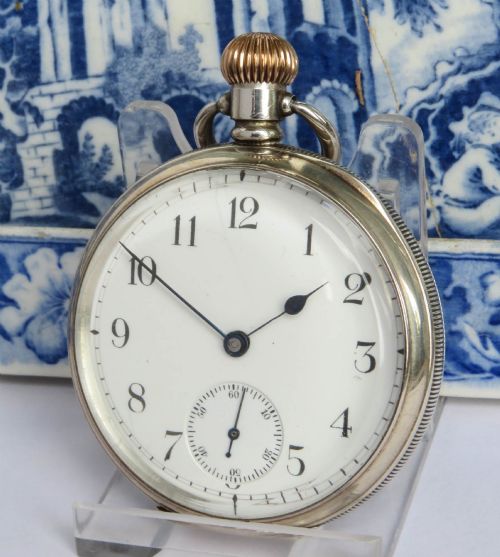
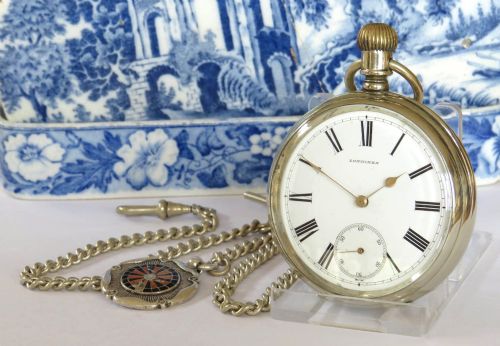
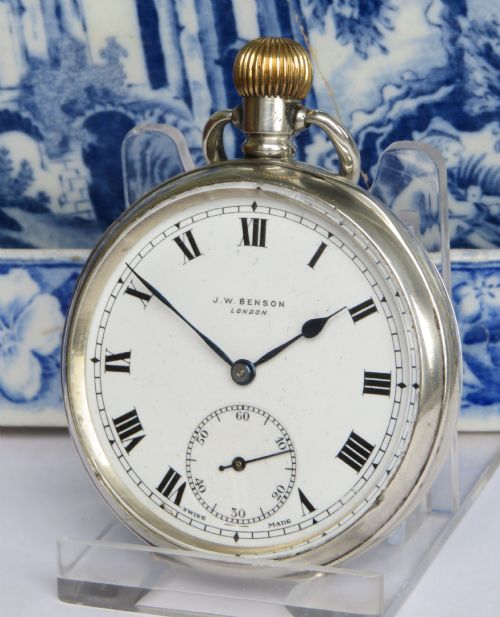
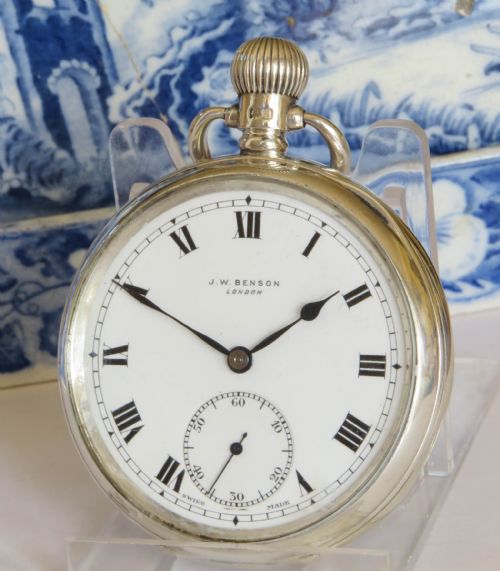
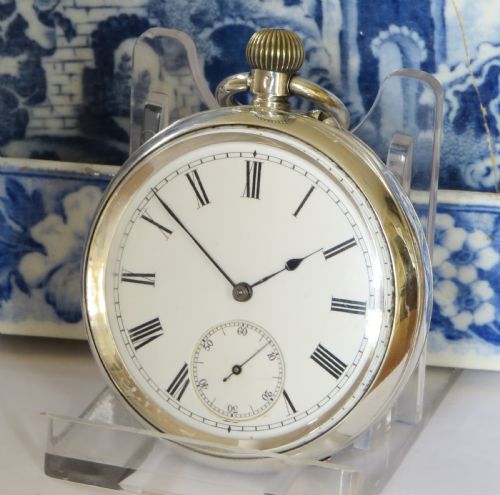
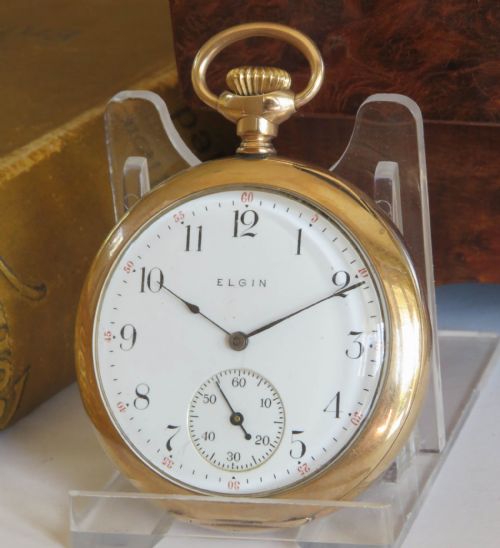
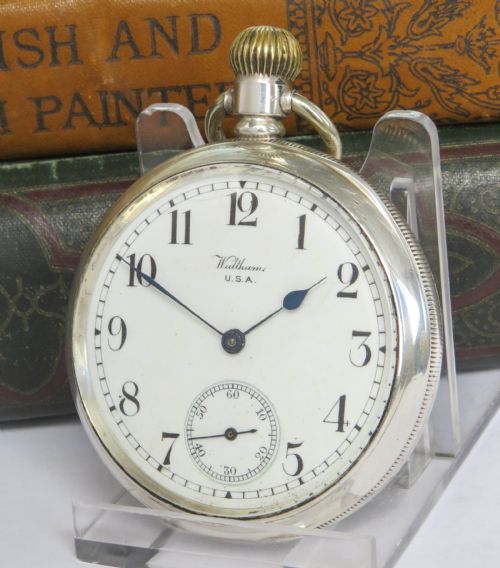
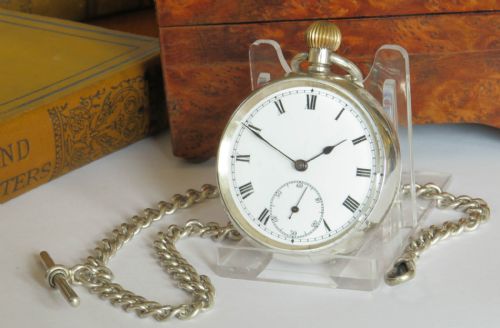
An edwardian mechanical watch encompasses pocket watches and early wristwatches driven by intricate wound springs and gear trains rather than batteries. When searching for this category, buyers encounter diverse forms ranging from traditional pocket pieces to early wristborne designs.
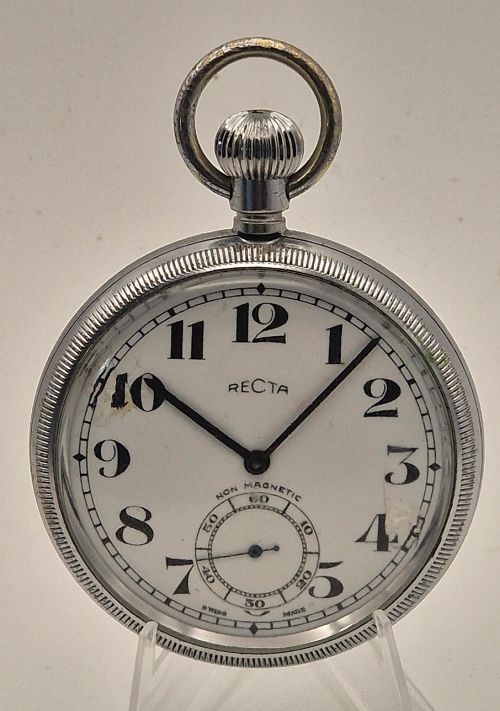
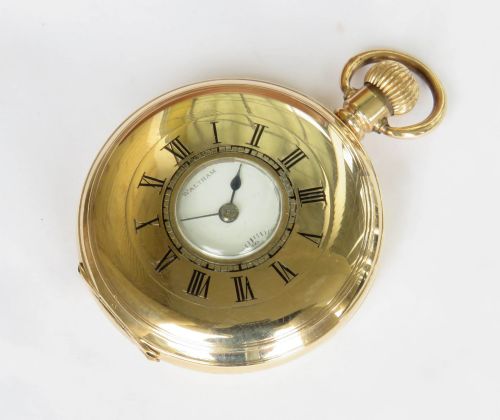
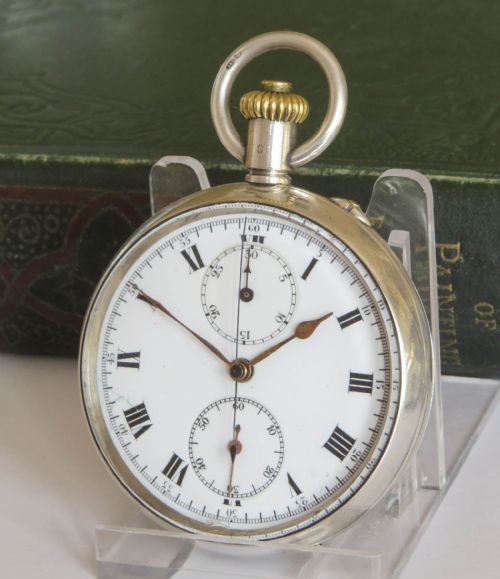
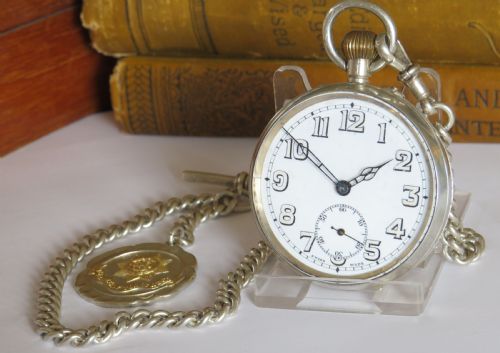
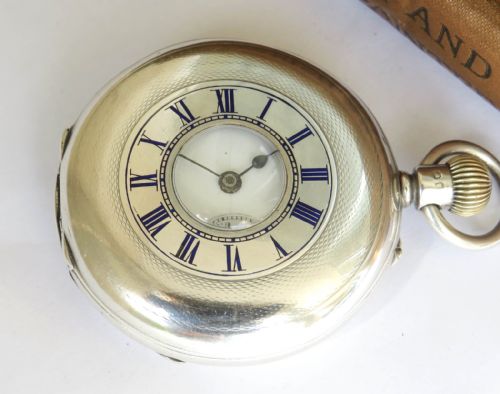
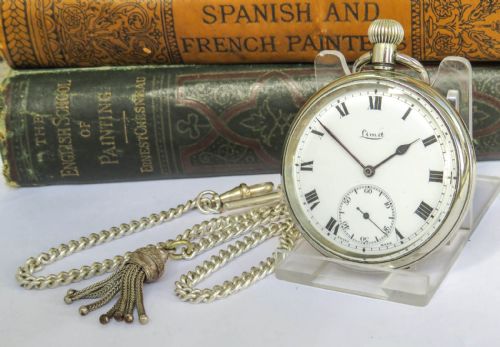
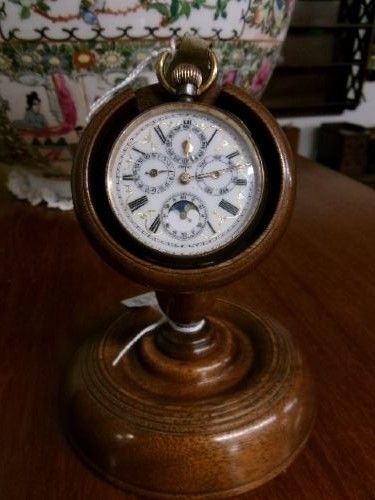
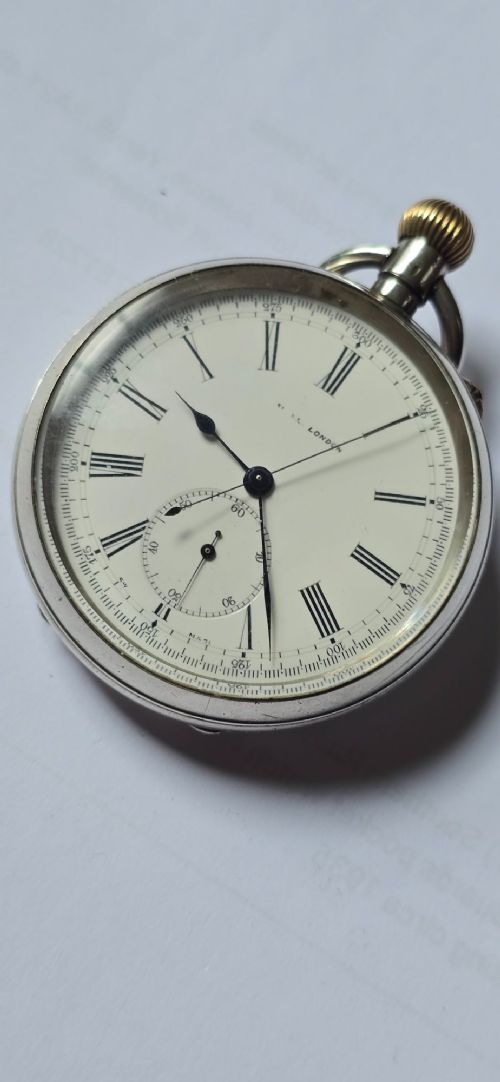
The selections span standard open-face pocket watches, half hunters with protective front covers, and specialised deck or railway timepieces. Materials include sterling silver, gold, gold plate, gun metal, and brass casings enclosing delicate dials.
Periods represented stretch across the Edwardian era alongside late Victorian and interwar overlaps. These items originate from British, Swiss, and American makers, reflecting global manufacturing standards of the early twentieth century.
How they were made
Casings were forged from sterling silver, solid gold, gold plate, gun metal, and brass, often paired with protective glass crystals and enamel dials. Metal components were cast, stamped, and hand-finished by skilled watchmakers.
Edwardian Mechanical Watch Retail Price Guide 2026
Typical asking prices for edwardian mechanical watch among the pieces listed under this phrase on Sellingantiques today, from the lower quarter to the upper quarter. They describe what is for sale here now, not the wider market.
Railway editions were built robustly to withstand the vibrations of steam locomotives while keeping strict time for train crews.
What varies in quality
Quality rests upon the precision and complexity of the internal movement, from standard lever escapements to specialised eight-day reserves and split-seconds chronograph mechanisms. Finer examples display superior adjustment and jewelled bearings that reduce friction within the gear train.
The grade of materials and the crispness of casework finish dictate overall excellence. Solid gold and heavy silver cases with well-preserved enamel dials and maker signatures represent the upper tier of surviving horology.
Elgin·Omega·Longines·Hamilton and Inches·Waltham·Rolex Wilsdorf and Davis·Tavannes·Hebdomas·Cyma·JW Benson
The Edwardian Mechanical Watch Glossary
- Hunter pocket watch
- A timepiece featuring a spring-loaded metal cover that protects the glass dial from scratches. The cover springs open via a push-button mechanism on the crown.
- Half hunter pocket watch
- A case design incorporating a small glass window or aperture in the outer metal cover, allowing the wearer to check the hands without opening the watch.
- Chronograph
- A watch equipped with an independent sweep-second hand that can be started, stopped, and reset to zero for precise timing intervals. Some variations include split-seconds functionality.
- Full hunter fob watch
- A smaller portable timepiece attached to a short chain or ribbon, designed to be carried in a waistcoat pocket by individuals.
- Lever escapement
- A mechanical linkage that transmits energy to the balance wheel and maintains the oscillation of the watch. It became the standard regulator for accurate portable timekeeping.
Edwardian Mechanical Watch: Frequently Asked Questions
How do I wind an edwardian mechanical watch?
Most pieces require turning the crown clockwise until firm resistance is felt, indicating the mainspring is fully tensioned.
Avoid over-winding to prevent internal strain on the delicate components within the movement.
How should I store my mechanical watch?
Keep the timepiece in a dry, stable environment away from direct sunlight, magnetic fields, and excessive humidity.
Resting the piece on a soft cloth or dedicated watch stand prevents accidental scratches to the metal case.
Can I wear an edwardian wristwatch daily?
Early wristwatches and pocket watches lack modern shock-absorbing technology and water resistance.
Gentle, occasional wear helps preserve the antique components while keeping the mechanical oils distributed.