
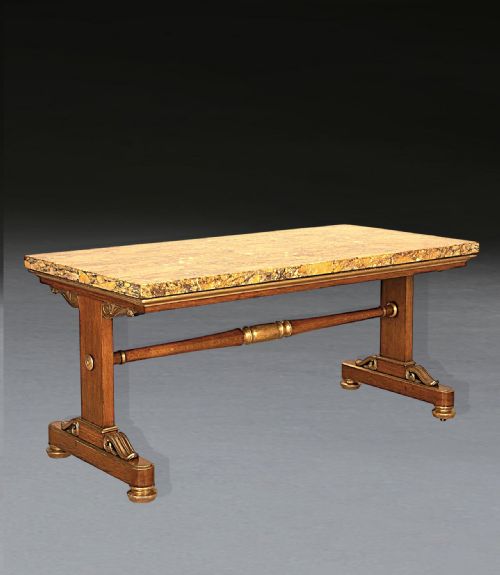


Edwardian Marble Top Table
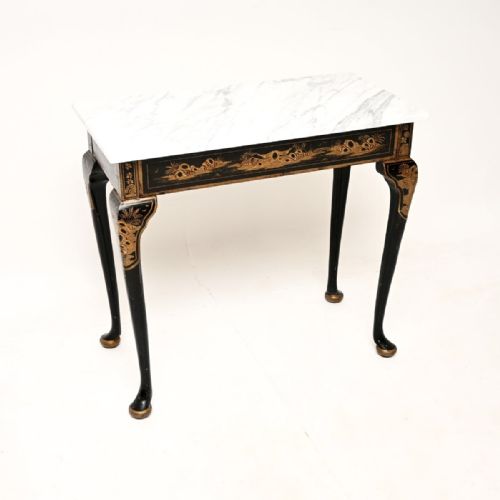
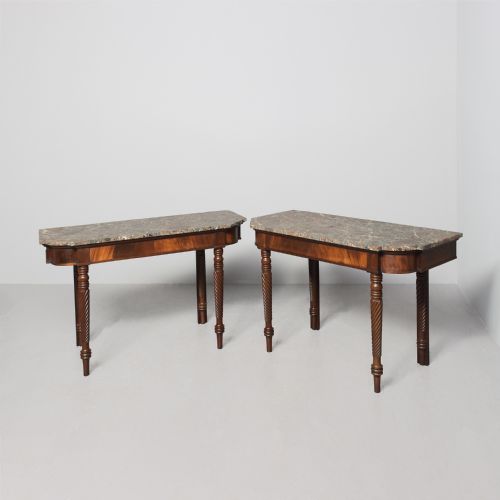
An Edwardian marble top table brings solid stone surfaces and warm timber frames together, serving as a durable washstand, console or bedside cabinet.
Edwardian Marble Top Table
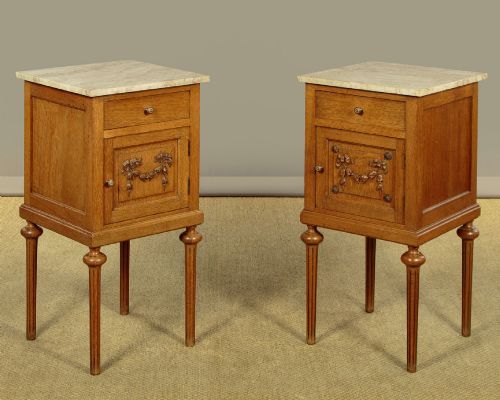
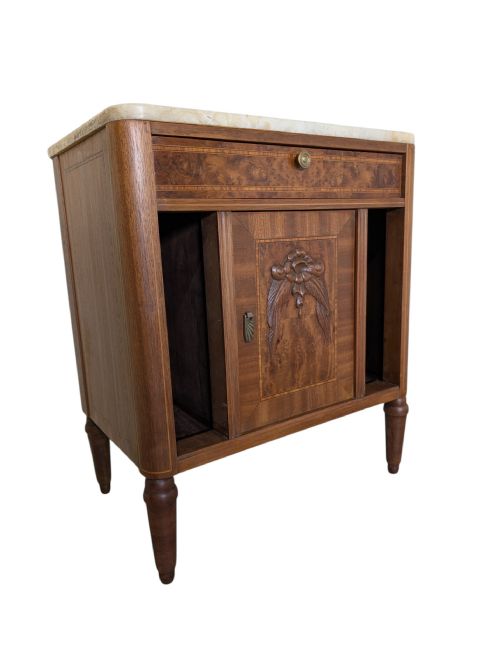
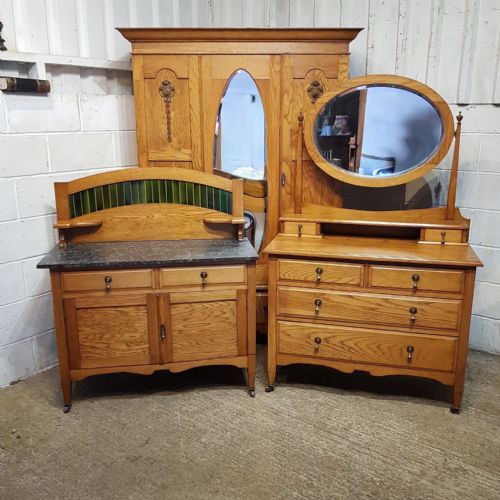
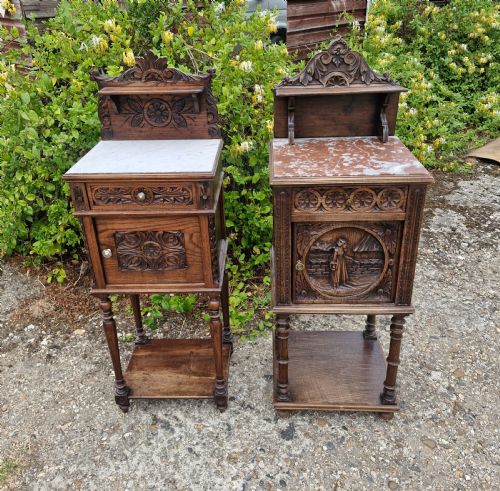
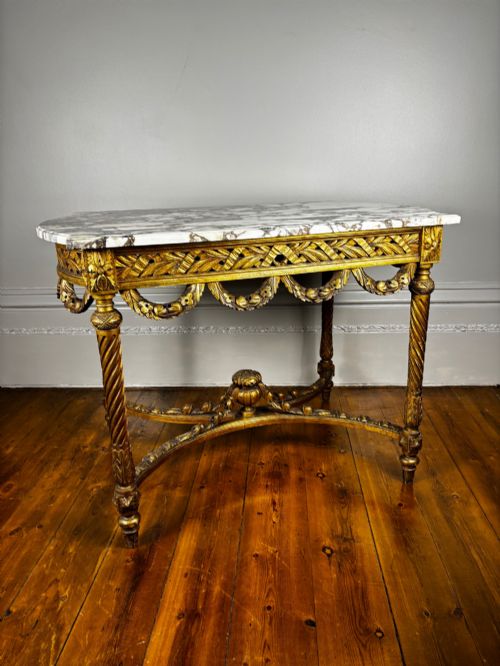
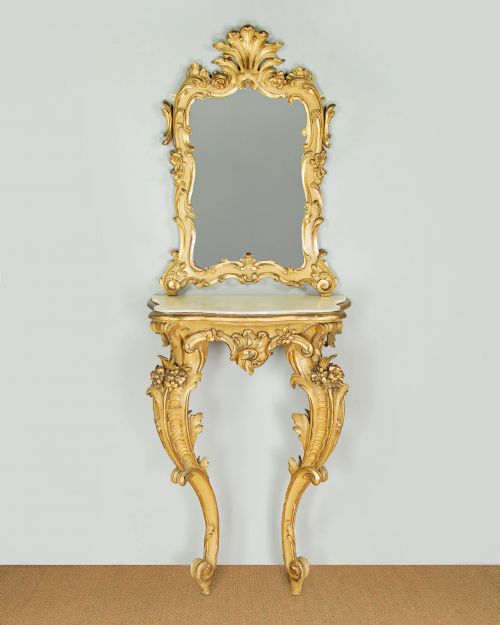
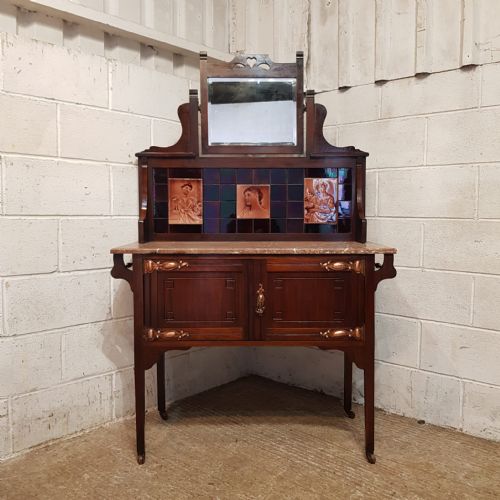
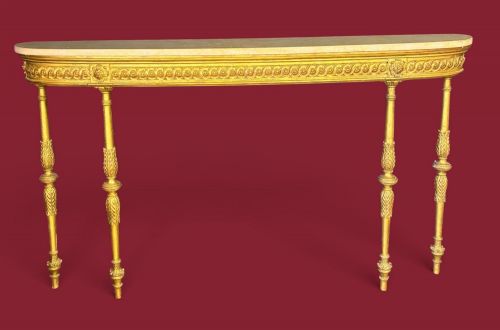
An edwardian marble top table most commonly appears on this page as a washstand, bedside cabinet, or console table dating from the early twentieth century or the late nineteenth century. These utilitarian pieces combined hygienic stone surfaces with timber frames of mahogany, walnut, oak, and pine to withstand daily domestic use.
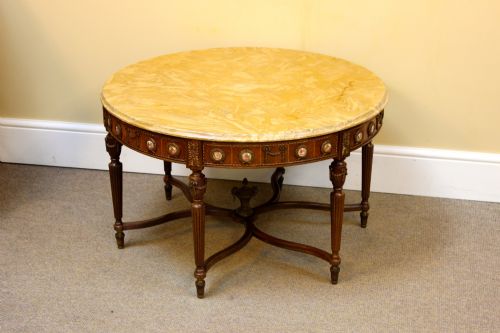
Beyond standard washstands, the selection encompasses occasional tables, plant stands, and side tables influenced by styles ranging from the Arts and Crafts movement to Louis XVI Revival and Art Nouveau. Pieces span the Victorian era, the Edwardian period, and specific decades such as nineteen hundred and nineteen ten, drawing on English and French cabinet-making traditions.
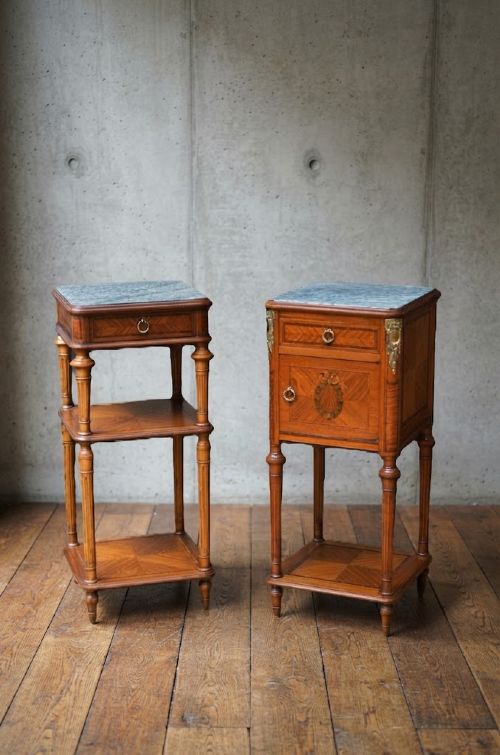
Buyers will encounter both compact bedside cupboards with inset marble slabs and larger hall or console tables designed for reception rooms. The integration of stone into bedroom and living furniture reflects a period preference for practical, easily cleaned surfaces combined with decorative woodwork.
Materials and Construction
Makers set polished marble slabs into timber frames constructed from mahogany, satinwood, walnut, oak, and pine, occasionally incorporating cast iron or giltwood supports. Timber components often utilised solid construction alongside fine veneers, parquetry, marquetry, and painted finishes to achieve distinct period styles.
Stone tops ranged from standard white and coloured marble to specialist varieties like Derbyshire Fossil marble and onyx, fitted directly into rebated wooden table frames. Structural joints relied on traditional cabinet-making techniques, pairing sturdy leg frames with brass hardware and ceramic tile splashbacks where the form required water resistance.
Listings feature oak, mahogany, walnut, and satinwood timber frames paired with marble, onyx, and Derbyshire Fossil stone tops.
Gradations in Quality
Quality rests upon the selection and matching of the timber veneers, the thickness and figuration of the marble slab, and the crispness of any carved or inlaid details. Superior examples display tight grain patterns in woods like satinwood and walnut, alongside carefully fitted stone tops that sit flush within the surrounding woodwork.
Construction methods also separate standard utility items from finer commissions, visible in the precision of the joinery and the presence of secondary timbers inside drawers and cabinets. The integration of stylistic elements, such as marquetry inlay, giltwood carving, or brass mounts, determines the overall refinement of the piece.
Lamb of Manchester
The Edwardian Marble Top Table Glossary
- Washstand
- A bedroom table designed to hold a basin and jug, typically fitted with a marble top and a tiled or wooden back. These pieces often include lower shelves or small cupboards for chamber pots and washing accessories.
- Gueridon
- A small French round table, frequently supported by a central pillar or three legs. They often feature inset marble tops and served as lamp or side tables in Edwardian interiors.
- Demi-Lune
- A half-moon or semicircular shape common in console and side tables. This design allowed furniture to sit flush against a wall while projecting minimally into the room.
- Parquetry
- A geometric mosaic of wood pieces used for decorative veneer on tabletops and cabinet doors. Craftsmen arranged contrasting timbers to create repeating patterns across the surface.
- Derbyshire Fossil marble
- A dark limestone native to Derbyshire, filled with fossilised crinoid fragments that appear as light markings when polished. It provided a distinctive, patterned surface for nineteenth-century tables.
Edwardian Marble Top Table: Frequently Asked Questions
What rooms suit an Edwardian marble top table?
These pieces fit naturally into hallways, bedrooms, and living spaces where a sturdy, water-resistant surface is useful. Console variants work well in narrow entryways, while bedside cabinets and washstands adapt easily to bedroom settings.
The cool stone surface also makes them practical as lamp tables or plant stands in reception rooms. Their diverse stylistic influences allow them to complement both traditional and contemporary interiors.
How do I care for a marble tabletop?
Marble requires gentle cleaning with mild, pH-neutral soap and warm water to avoid dulling the polished finish. Acidic substances like vinegar, citrus, or wine can etch the stone surface and should be wiped away immediately.
Using coasters and mats prevents scratching and staining over time. Periodic application of a specialised stone sealer helps protect the marble from moisture absorption.
Were these tables originally used for washing?
Many examples on this page were built as washstands to hold ceramic basins and water jugs before indoor plumbing was common in every bedroom. The marble top provided a waterproof, hygienic surface that could withstand daily splashes.
Over time, many of these washstands lost their original wash sets but retained their durable stone tops, making them versatile for modern decorative use.