
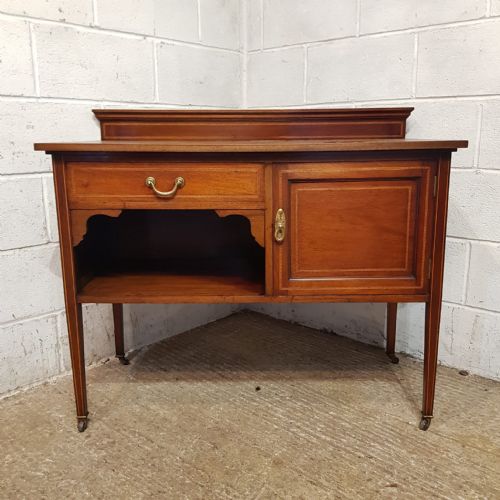
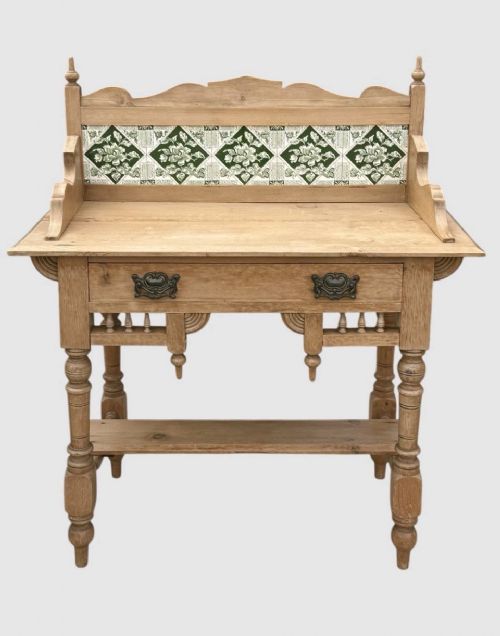


Vintage Bathroom Vanity Unit
A vintage bathroom vanity unit brings period character to a modern room, offering sturdy timber and cool stone that outlasts any flat-pack alternative.
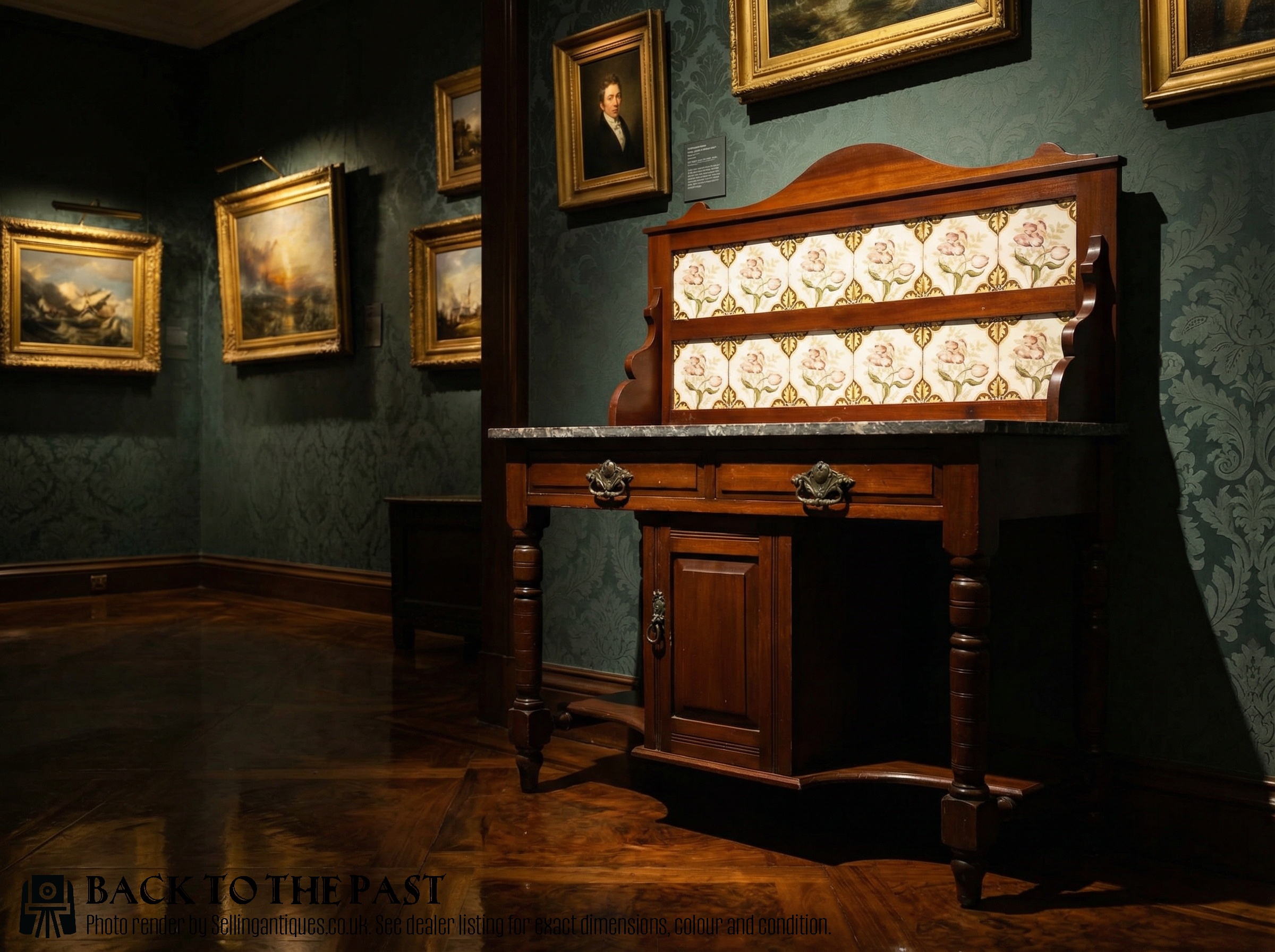
Vintage Bathroom Vanity Unit
A vintage bathroom vanity unit usually starts life as a washstand from the Victorian, Edwardian, or early twentieth-century periods. These pieces were originally made for bedrooms before indoor plumbing moved washbasins downstairs, and they now serve brilliantly for modern bathroom conversions.
Washstands and wall mirrors form the primary selection here, representing the functional domestic furniture of the nineteenth and early twentieth centuries. Adapting these timber frames allows homeowners to mount modern basins and taps while retaining authentic period craftsmanship.
How they were made
Makers relied on solid hardwoods like oak, mahogany, and walnut, alongside practical painted or polished pine, to build frames capable of supporting heavy stone tops. Joinery was traditionally executed by hand, using robust framing to bear the weight of water jugs and basins.
Marble slabs and decorative ceramic tiles formed hygienic, waterproof surfaces that resisted splashing during daily washing routines. Inlays of satinwood and carved details added refinement to bedroom furniture intended for affluent homes.
Materials represented across the collection include marble, brass, ceramic, glass, and timbers such as oak, mahogany, pine, and walnut.
What varies in quality
Quality rests primarily on the choice of materials and the ambition of the design, distinguishing simple utilitarian pine washstands from grander walnut or mahogany pieces. Elaborate carving, fine satinwood inlay, and thick marble slabs indicate a higher tier of original manufacture.
The integrity of the timber frame and the condition of the original stone or tile surfaces determine how well a piece adapts to contemporary plumbing. Simpler country items rely on charming rustic utility, whereas urban cabinetmaking showcases superior proportion and finish.
Gillows
The Vintage Bathroom Vanity Unit Glossary
- Washstand
- A piece of bedroom furniture designed to hold a basin, jug, and washing accessories before plumbed bathrooms became standard. These sturdy frames now provide the ideal structure for modern vanity conversions.
- Marble top
- A polished stone slab fitted to the upper surface of a washstand to provide a waterproof and durable area for washing. It adds considerable weight and elegance to the piece.
- Satinwood inlay
- A decorative technique where lighter contrasting timber is inserted into the primary wood surface in geometric or floral patterns. This detail marks out finer cabinetwork from the Edwardian and Victorian eras.
- Arts and Crafts
- A design movement prioritising traditional craftsmanship, visible construction, and simple utility over mass-produced ornamentation. Pieces from this style often feature honest timber joinery and minimal fuss.
Vintage Bathroom Vanity Unit: Frequently Asked Questions
Can I fit a modern basin into these?
Most wooden washstands and cabinets can be adapted by a competent plumber or joiner to accept modern undermount or countertop basins. The solid timber tops and internal shelf spaces provide ample room for waste pipes.
Careful planning is required to ensure the original drawer placements or frame structures accommodate modern plumbing without compromising the vintage aesthetic.
How do I protect the wooden surfaces?
Applying appropriate water-resistant sealants or waxes helps guard vulnerable timber against splashes and bathroom humidity. Maintaining good room ventilation prevents excessive moisture absorption.
Wiping down marble and wood surfaces promptly after use preserves the finish and stops water marks from settling into the antique grain.
Are marble tops sealed against stains?
Historic marble tops are porous and can absorb oils, cosmetics, or acidic liquids if left sitting on the stone. Applying a suitable stone sealer adds a protective barrier against everyday bathroom use.
Gentle, pH-neutral cleaners should be used for routine maintenance to avoid damaging the polished surface of the marble.