
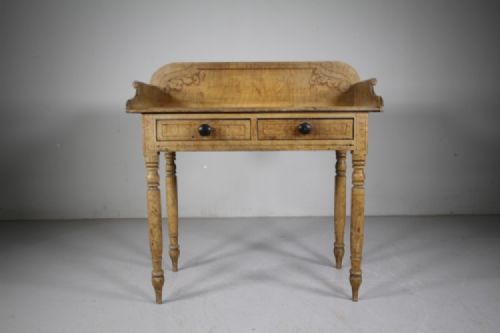


Painted Pine Washstand
A painted pine washstand brings genuine utility and soft, historic colour to a bedroom.
Painted Pine Washstand
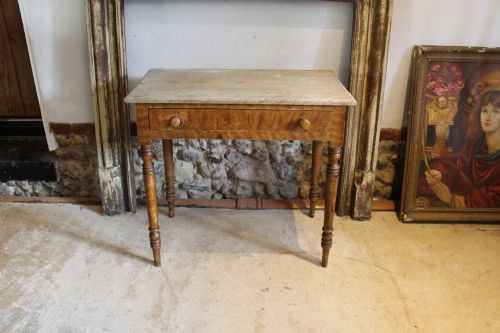
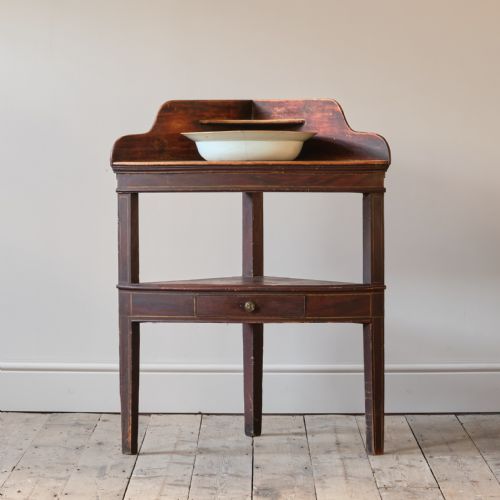
A painted pine washstand is a practical domestic fixture designed for morning ablutions, constructed primarily from softwood and finished with decorative coatings. Buyers searching this phrase will find pieces spanning the Regency, Victorian, and Edwardian eras, with nineteenth-century examples dominating the selection.
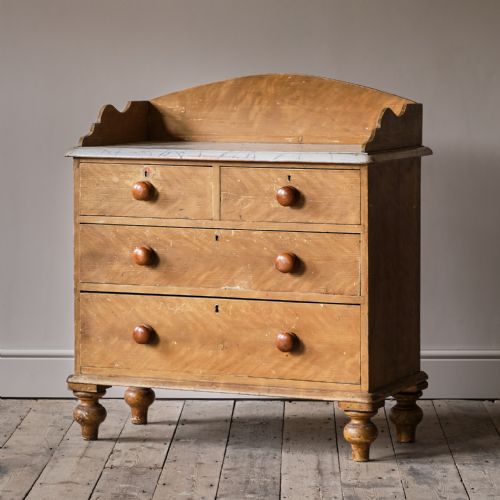
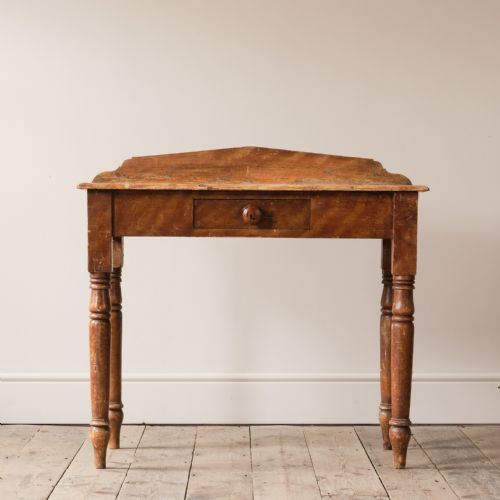
The forms vary from simple utilitarian tables to more substantial chests of drawers, console tables, and corner designs. Many retain their early surface treatments, including original scumble glazes, grain finishes, and faux marble tops intended to mimic more expensive stones.
How they were made
These pieces are constructed from pine wood, chosen for its accessibility and workability during the nineteenth century. Artisans applied various paint techniques to protect the softwood and elevate its appearance, utilising scumble glaze to create decorative wood graining or flat layers of pigment.
Functional elements incorporated other materials suited to daily use with water. Tops occasionally featured marble, ceramic, zinc, or iron to resist moisture, pairing the humble wooden structure with durable surfaces.
Listings for this phrase feature materials such as pine, paint, wood, scumble glaze, zinc, iron, marble, and ceramic across the nineteenth century.
What varies in quality
The distinction between tiers of quality rests largely upon the integrity of the original surface and the sophistication of the finish. Examples retaining untouched scumble glazes, authentic graining, or early decorative paint hold greater interest than those stripped or subjected to later repainting.
Construction details also separate standard domestic items from finer work. Better specimens display thoughtful joinery, well-integrated auxiliary materials like marble or zinc, and proportions that balance utility with period character.
The Painted Pine Washstand Glossary
- Scumble glaze
- A translucent pigmented coating manipulated with combs or brushes while wet to imitate finer wood grains. This technique allowed humble pine to mimic expensive hardwoods.
- Faux marble
- A painted surface finish designed to simulate the veining and appearance of genuine stone. It often appeared on the tops of washstands to protect the wood from water splashes.
- Scumble
- A thin layer of opaque or semi-opaque paint dragged over a lighter base colour to create texture and depth. It forms the foundation of many nineteenth-century decorative paint finishes.
- Regency
- An architectural and decorative style spanning the early nineteenth century, characterised by classical restraint and elegance. Pieces from this period often display clean lines and refined proportions.
Painted Pine Washstand: Frequently Asked Questions
How do I clean a painted pine washstand?
Dust the surface gently with a soft, dry cloth to remove everyday debris. Avoid harsh modern chemical cleaners that might strip historic paint or degrade the scumble glaze.
For stubborn marks, use a barely damp cloth with mild soap, drying the wood immediately afterwards. Preserving the original finish requires a conservative approach to maintenance.
Were these washstands used for washing?
Yes, these items served as the primary washing station in bedrooms before plumbed bathrooms became common. They held basins, jugs, and soap dishes for morning routines.
Today, their flat tops and lower shelves make them adaptable as side tables or console surfaces in modern hallways and bedrooms.
How can I tell the period of a washstand?
Examine the construction methods, hardware, and stylistic cues present in the woodwork. Regency pieces often show classical restraint, while Victorian examples lean towards heavier forms or decorative graining.
Paint analysis and surface wear also offer clues to age, though many pieces combine vernacular traditions with transitional styles.
What is scumble glaze?
Scumble glaze is a specialised pigmented medium applied over a base coat and manipulated with tools to create decorative patterns. It was widely used on pine furniture to simulate exotic timbers.
This technique provided an affordable way to achieve a decorative finish in nineteenth-century homes.