


Edwardian Washstand Marble Top
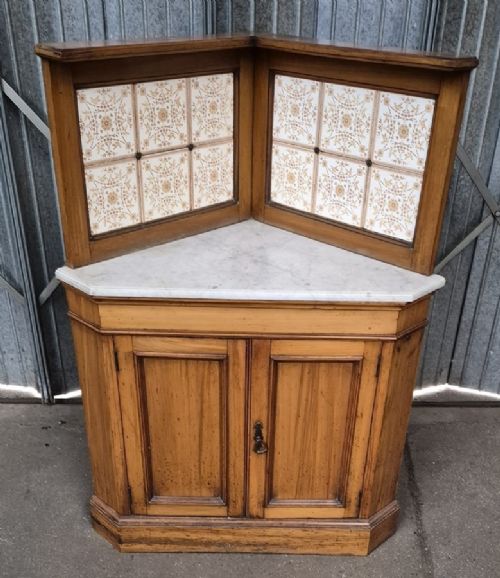
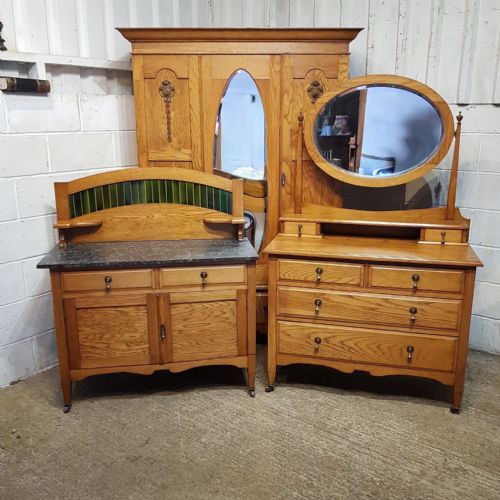
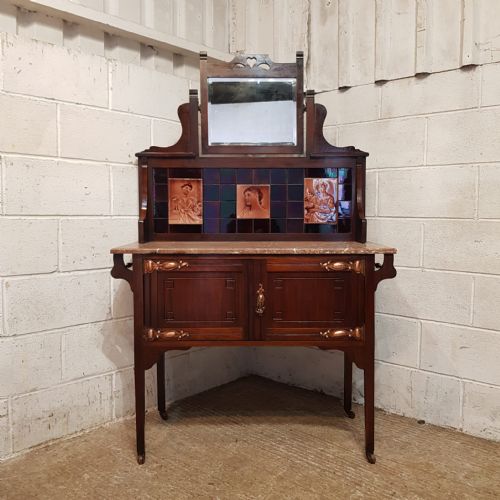
An edwardian washstand marble top provides a sturdy stone surface paired with period woodwork, serving as a practical bedroom basin stand that now functions well as a compact console.
Edwardian Washstand Marble Top
An edwardian washstand marble top combines functional timber framing with a heavy stone slab designed to withstand daily ablutions in turn-of-the-century bedchambers. These pieces frequently appear in mahogany, walnut, or oak, often incorporating tiled splashbacks or low wooden galleries to protect bedroom walls.
Surviving examples span late nineteenth century styles into the early twentieth century, drawing on Edwardian, Victorian, Arts and Crafts, and Aesthetic movement traditions. The form serves buyers seeking a durable surface for hallways, bathrooms, or living spaces where traditional cabinet work adds character.
Materials and Construction
Cabinet makers utilised dense hardwoods such as mahogany, walnut, oak, and satinwood alongside softer painted pine for the structural framing and cabinetry. These timbers were frequently polished, inlaid with contrasting woods, or paired with ceramic tiles and brass hardware.
The defining stone element consists of a fitted marble slab, sometimes in rouge or standard white varieties, chosen for its water-resistant properties. Joinery traditions of the period ensure sturdy carcasses, occasionally mounted on castors for mobility within the bedchamber.
Listings demonstrate construction across Edwardian, Victorian, and Arts and Crafts periods, utilising mahogany, marble, oak, and walnut.
Judging the Standard
Quality rests upon the selection of timber figures, the intricacy of any satinwood inlay, and the heft of the marble top. Pieces exhibiting refined proportions, matched wood veneers, and integrated ceramic tile panels demonstrate higher workshop standards than simpler utility variants.
The integrity of the structural joinery and the original pairing of the marble slab to the timber base dictate the overall merit of the piece. Subtle details such as brass pulls, gallery rails, and fitted cupboard doors separate standard production furniture from superior examples.
Walker and Sons·Gillows
The Edwardian Washstand Marble Top Glossary
- Gallery
- A raised wooden border along the back or sides of the washstand top designed to prevent items from sliding off. It often incorporates decorative fretwork or holds tiled splashbacks.
- Aesthetic movement
- A late nineteenth century design style emphasising visual beauty over narrative subject matter, often reflected in Japanese-inspired motifs, ebonised details, or simplified geometric furniture lines.
- Arts and Crafts
- A design philosophy originating in the late nineteenth century promoting handcraftsmanship, simple forms, and visible construction methods over mass-produced ornamentation.
- Satinwood
- A pale, lustrous timber native to India and Sri Lanka, highly prized for its golden sheen and used primarily for veneers and delicate string inlay work on Edwardian cabinetry.
- Rouge marble
- A decorative limestone variety featuring deep red, grey, and white veining, selected for high-status furniture tops to provide a striking contrast against dark hardwoods.
Edwardian Washstand Marble Top: Frequently Asked Questions
What was a washstand used for?
These pieces held basins, ewers, and washing accessories in bedrooms before the widespread installation of indoor plumbing.
The stone top provided a waterproof surface that resisted splashes during morning routines, while lower cupboards and shelves stored chamber pots and linens.
How do I care for the marble top?
The stone requires gentle cleaning with warm water and mild, pH-neutral soap to preserve the polish and prevent staining.
Avoid acidic cleansers or vinegar, which can etch the marble surface over time and dull the natural finish.
Are these washstands suitable for modern bathrooms?
Many buyers adapt these sturdy wooden cabinets for modern use by plumbing them to hold modern vanity basins.
The water-resistant stone top and lower storage make them practical alternatives to contemporary bathroom cabinetry.
How do I distinguish Edwardian from Victorian examples?
Victorian washstands generally feature heavier proportions, darker woods like walnut, and more ornate carving or Aesthetic movement details.
Edwardian pieces tend to display lighter mahogany or satinwood frames, simpler lines, and occasional Sheraton Revival inlay work.