





Edwardian Log Store
Edwardian log store options bring solid craftsmanship and heavy metalwork to the hearth, offering a practical way to hold fuel near the fire.
Edwardian Log Store
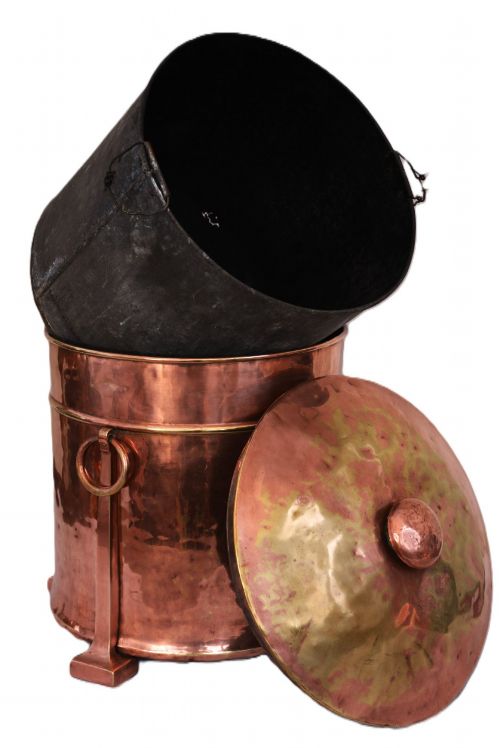
When searching for an edwardian log store, buyers encounter robust fireside containers designed to hold wood, coal, and peat by the hearth. These pieces function as heavy storage bins, buckets, and purdoniums that keep fuel organised beside the fireplace.
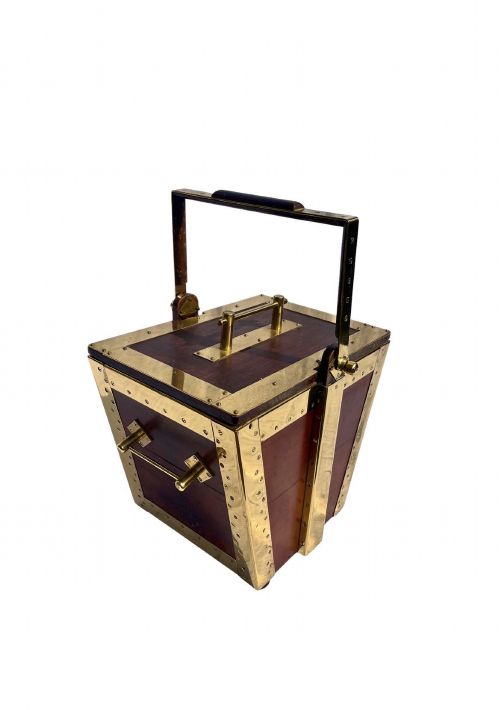
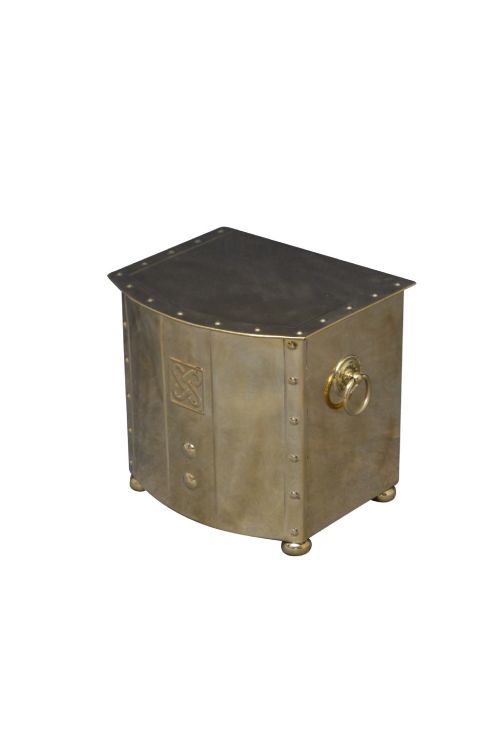
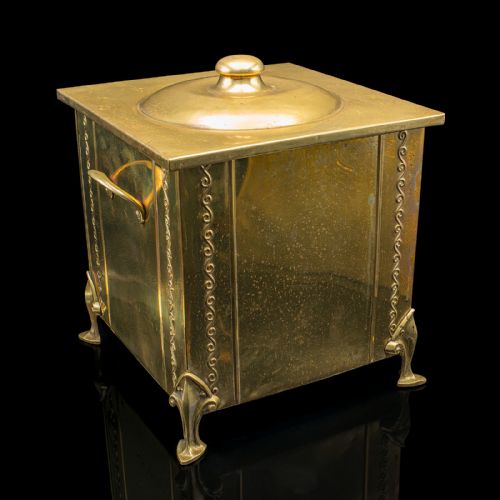
The most common examples on this page are metal buckets and wooden boxes dating from the late nineteenth and early twentieth centuries. Makers constructed these items using timber such as oak and mahogany alongside sheet metals like copper and brass.
Makers also produced specialised vessels including coopered peat buckets, lidded scuttles, and inlaid cabinets with built-in fuel storage. Each form reflects the domestic heating needs of period households before central heating became standard.
Materials and construction methods
Wood construction relies on solid oak and mahogany, frequently shaped through traditional coopered stave techniques or joined with crisp corners and carved panels. Cabinet versions often incorporate decorative wood inlay and hinged lids to conceal the fuel inside.
Metal vessels utilise sheet copper and brass, frequently finished with hand-hammered surfaces, riveted seams, and embossed details characteristic of the period. Iron and wrought iron provide sturdy frames, handles, and strapwork for bins and log baskets.
Makers combined these elements by mounting wooden lids on metal bodies or fitting timber boxes with heavy brass handles and shovels. Riveting secures the metal sheets together, while internal linings protect the wood or metal from damp fuel.
Some copper bins carry a galleon design stamped into the metal, letting your firewood travel by imaginary sea.
Distinctions in construction and design
Quality separates simple utility items from pieces that display deliberate aesthetic ambition through their ornamentation and joinery. Finer examples show careful metal hammering, precise wood inlay, and substantial gauge brass or copper that resists bending.
The treatment of surfaces and hardware dictates the visual strength of the piece, with hand-riveted seams and figured timber marking out superior craftsmanship. Lesser pieces rely on plain machine-stamped sheet metal and basic unadorned boxes.
Liberty London
The Edwardian Log Store Glossary
- Purdonium
- A dedicated fireside cabinet or scuttle designed to store coal or logs within a hinged compartment. These often include a matching interior metal liner and a shovel stored in a side rack.
- Coopered
- A method of construction where narrow staves of wood are joined edge-to-edge and bound with metal hoops, traditionally used for buckets and barrels.
- Arts and Crafts
- A design movement prioritising hand craftsmanship, visible construction methods, and motifs drawn from nature, frequently seen in hammered copper and brass bins.
- Inlay
- A decorative technique where contrasting pieces of wood or other materials are inserted into depressions flush with the surface of the main timber body.
- Scuttle
- A metal or wooden vessel with a wide mouth and a handle, used for carrying solid fuel to the hearth.
Edwardian Log Store: Frequently Asked Questions
What is an edwardian log store?
An edwardian log store is a fireside container built to hold wood, coal, or peat near a fireplace. These pieces range from metal buckets to wooden cabinets designed for domestic fuel storage.
Craftsmen built them from materials like oak, mahogany, copper, and brass to combine everyday utility with decorative domestic style.
How do I identify an edwardian log store?
Identification relies on examining the materials, decorative styles, and construction techniques typical of the early twentieth century. Look for Arts and Crafts copper work, Edwardian mahogany inlay, and Victorian brass hardware.
Makers frequently utilised hand-riveted seams, coopered wooden staves, and carved oak panels which help date each piece accurately.
How were these stores used originally?
These vessels sat beside the hearth to keep a supply of dry fuel ready for open fires and coal grates. Lidded scuttles and purdoniums contained the dust and debris associated with solid fuel.
Some designs included internal metal liners and dedicated slots for fireside shovels to keep the hearth area tidy.
Can I use an antique log store today?
These containers hold modern logs, kindling, and magazines beside contemporary wood burners and open fireplaces. Their sturdy metal and wood construction handles daily domestic use.
Placing logs inside a protective inner bag helps prevent any residual dust or moisture from marking antique timber or metal surfaces.