
Edwardian Library Cabinet
An edwardian library cabinet brings substantial timber storage and glazed display space into a room, offering a practical home for books and papers.
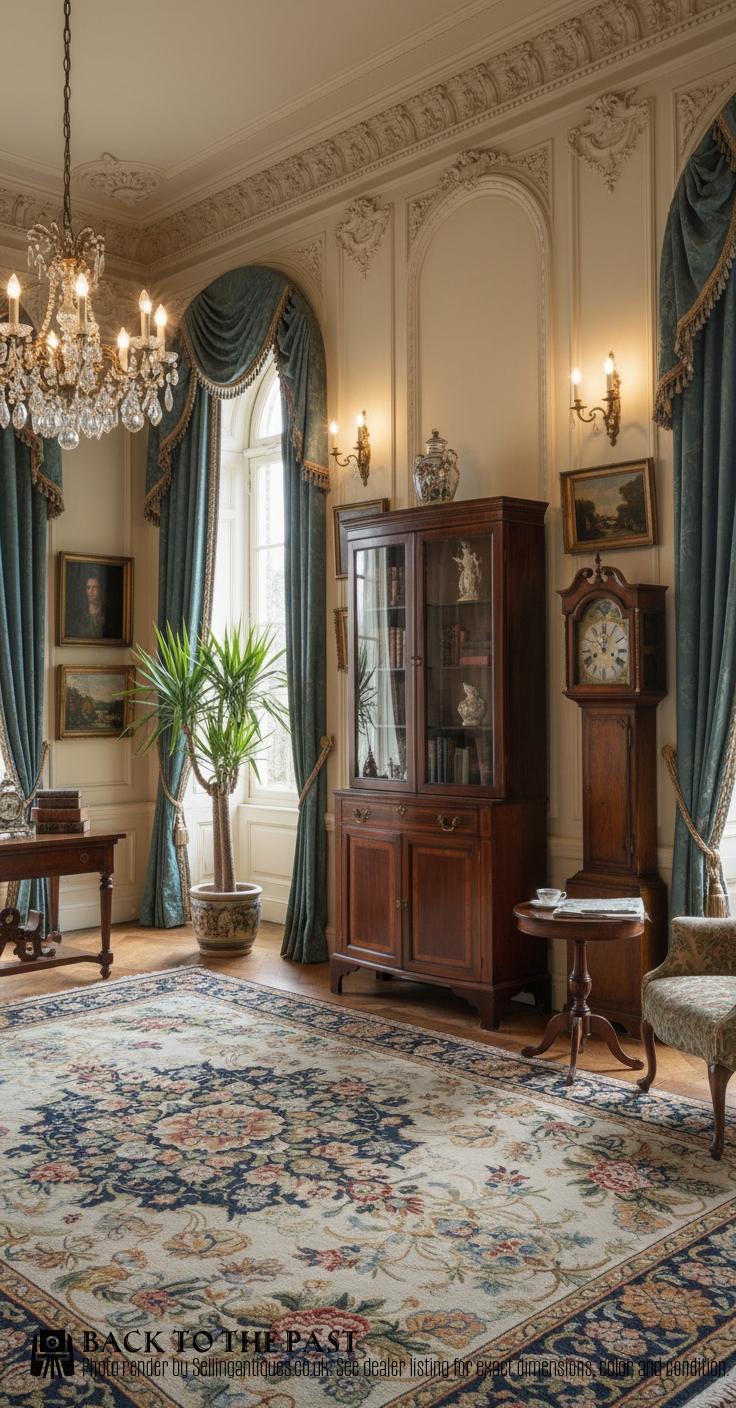
Edwardian Library Cabinet
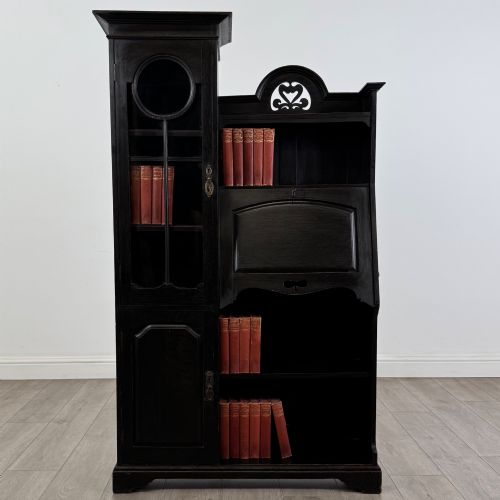
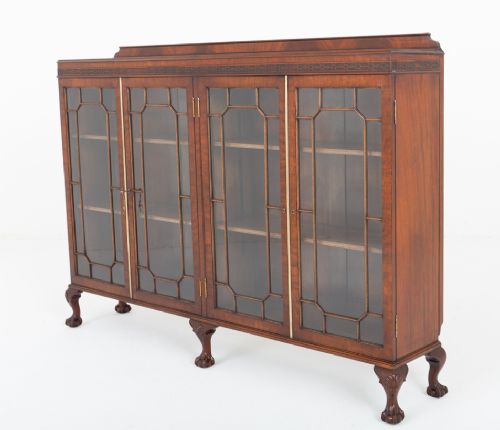
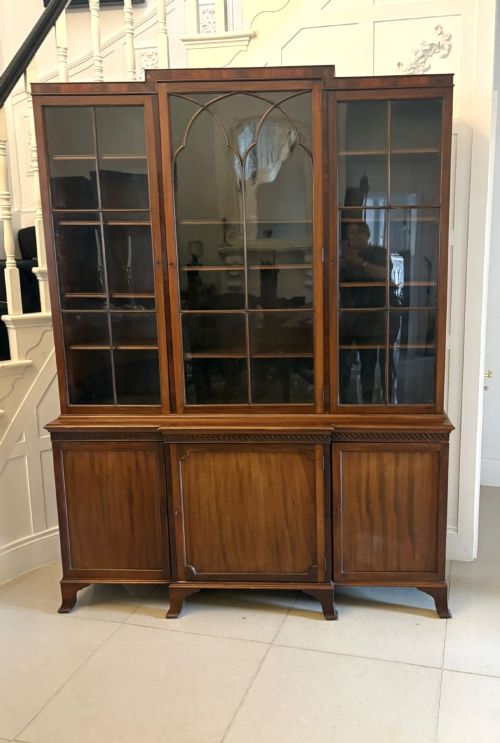
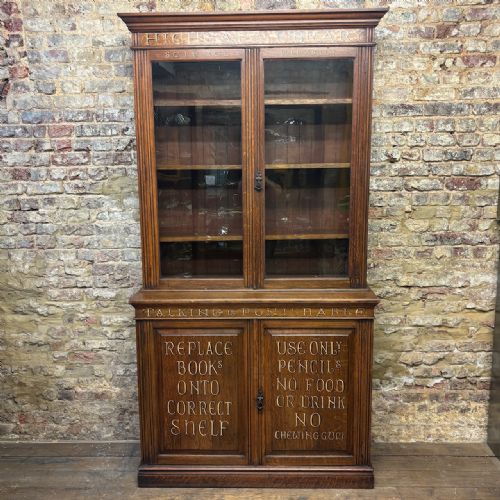
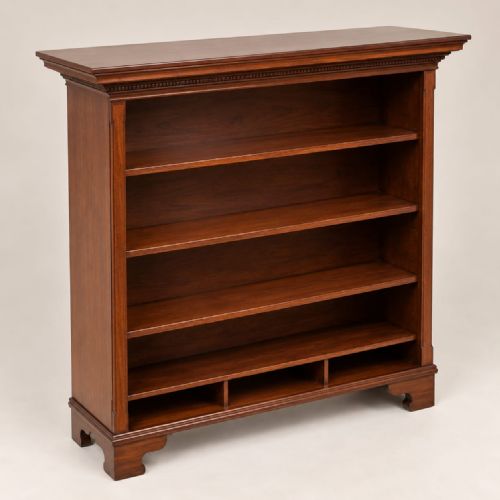
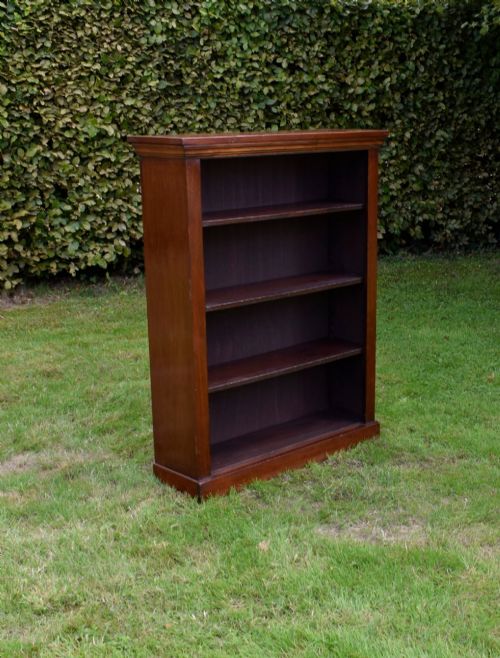
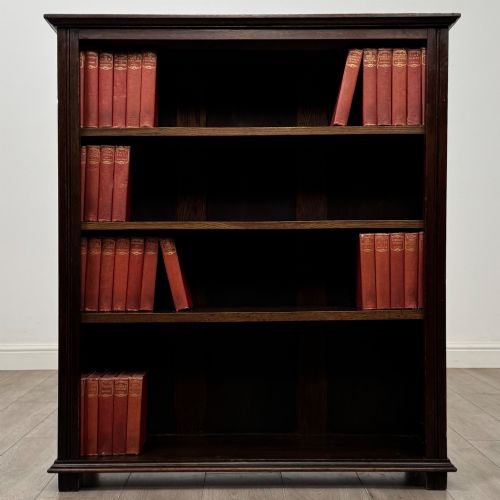
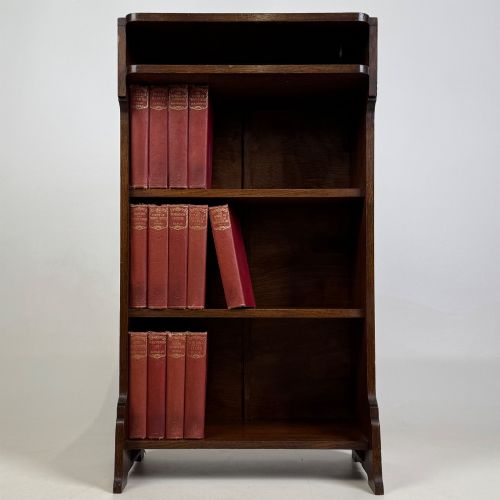
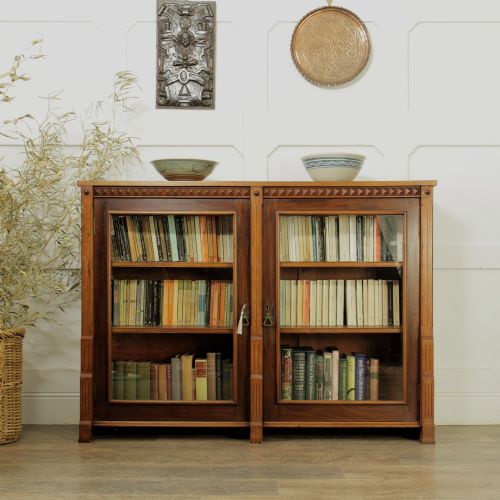
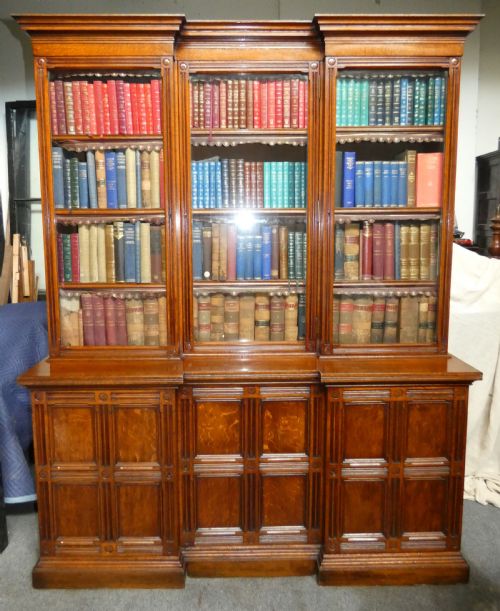
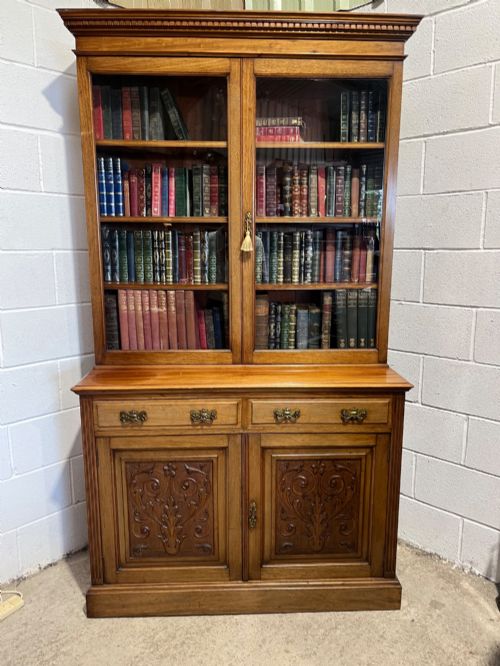
An edwardian library cabinet is primarily a tall or wide storage piece designed for books, often combining open shelving with glazed doors to protect volumes from dust. Many examples on this page date from the early twentieth century, reflecting the domestic library habits of the period.
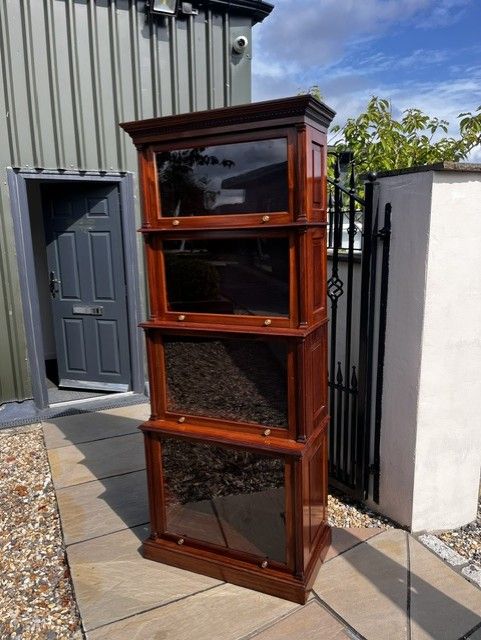
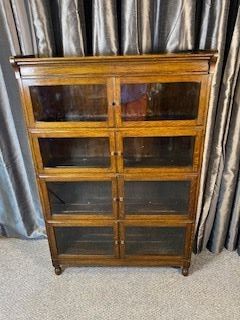
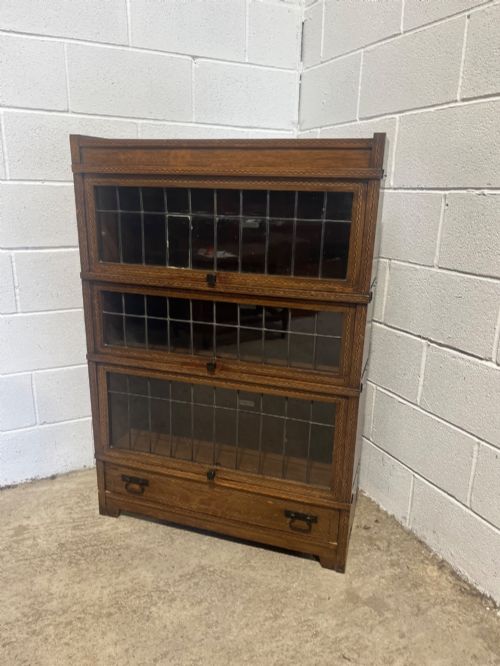
The form stretches from breakfront glazed display cases to sectional stacking bookcases and open oak shelving units. You will frequently encounter mahogany and oak pieces that echo Sheraton Revival lines or heavier Arts and Crafts sensibilities.
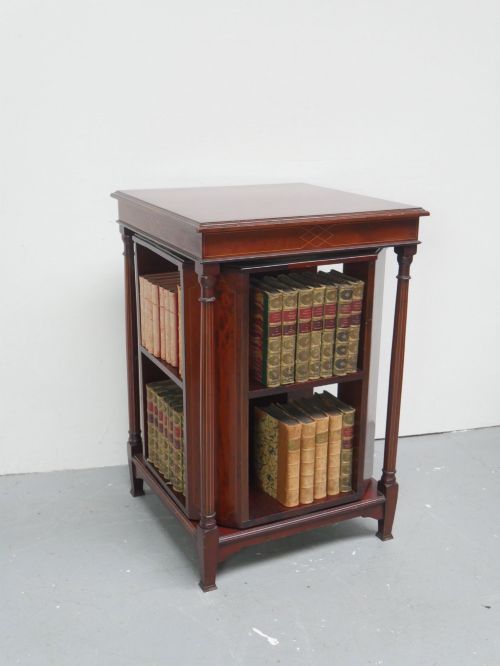
Beyond standard bookcases, the evidence reveals variants like revolving rotary cabinets, folio cabinets in satinwood, and bureau hybrids. These pieces served scholarly households, offices, and studies where organisation of texts was paramount.
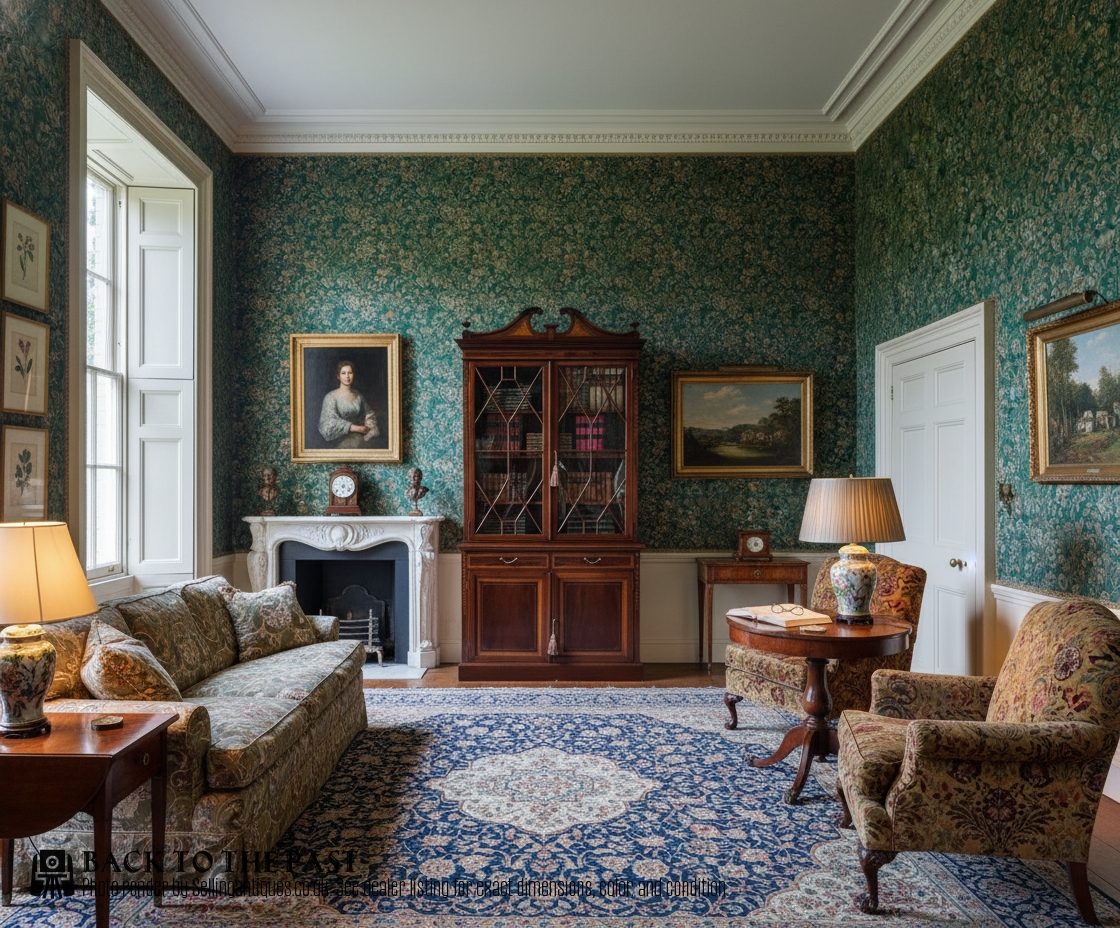
Construction and materials
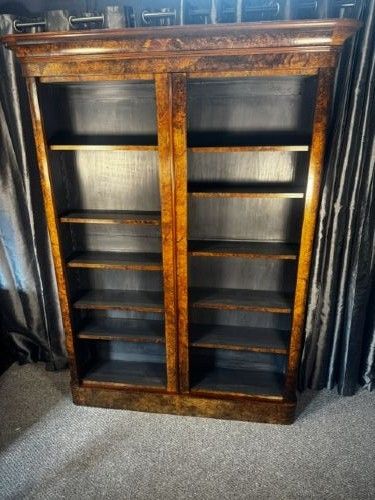
Cabinetmakers relied heavily on solid oak and mahogany as the primary structural timbers, frequently applying veneers such as walnut or burr walnut for decorative effect on prominent surfaces. Brass fittings, lead in glazed window sections, and castors appear as functional hardware.
Joinery techniques ranged from traditional dovetailing in drawer construction to specialised mechanisms for sectional stacking bookcases and revolving units. Glass panels were secured within wooden frames to create dust-proof display areas for valuable editions.
Edwardian Library Cabinet Retail Price Guide 2026
Typical asking prices for edwardian library cabinet among the pieces listed under this phrase on Sellingantiques today, from the lower quarter to the upper quarter. They describe what is for sale here now, not the wider market.
The documented pieces span from mid-nineteenth-century walnut items to early twentieth-century sectional oak stacking units.
Judging the standard
Quality rests in the selection of timber figures, such as figured walnut or rich mahogany, and the precision of inlaid details like satinwood banding or marquetry. The crispness of carved mouldings and the structural integrity of internal shelving dictate the tier of the piece.
Hardware choice and mechanical execution separate standard utility pieces from finer commissions. Original brass mounts, smooth-action doors, and branded sectional stacking systems indicate superior workshop origin.
Globe Wernicke·Morison and Co·Wylie and Lochhead·Lebus
The Edwardian Library Cabinet Glossary
- Breakfront
- A piece of furniture featuring a central section that projects forward from the flanking wings. This architectural arrangement creates depth and visual weight in larger library furniture.
- Glazed
- Fitted with glass panels to enclose shelving. This protects delicate book bindings from atmospheric dust while maintaining visibility of the library contents.
- Sectional bookcase
- A modular shelving unit comprising independent stacked tiers with up-and-over glass doors. Often associated with makers like Globe Wernicke.
- Marquetry
- Decorative veneer work formed by fitting together small pieces of different coloured woods or other materials to create pictorial patterns. It surfaces on refined Edwardian cabinet doors and friezes.
- Revolving bookcase
- A small, low cabinet mounted on a concealed rotating mechanism designed to sit beside a chair or desk for immediate access to reference books.
Edwardian Library Cabinet: Frequently Asked Questions
How were library cabinets used?
These cabinets housed personal libraries, ledgers, and folio volumes in domestic studies and professional offices. The enclosed glass sections preserved valuable leather-bound editions from soot and dust.
Open shelving variants provided immediate access to frequently consulted reference books. Some specialised formats held periodicals or served dual writing and storage functions.
Where should I place mine?
Position your cabinet against a sturdy interior wall away from direct sunlight and strong heat sources. Timber veneers and solid hardwoods react poorly to extreme humidity fluctuations and thermal shock.
Allow sufficient floor clearance around revolving or breakfront formats to operate doors and access internal shelving comfortably. Ensure the weight of heavy book collections is distributed evenly across the shelves.
How do I spot Edwardian style?
Edwardian library pieces often exhibit lighter proportions and brighter timber tones than their Victorian predecessors. Inlaid satinwood lines and Sheraton Revival motifs appear frequently across the period's output.
Construction frequently incorporates quarter-sawn oak with characteristic medullary rays, aligning with Arts and Crafts ideals. Simpler rectilinear forms sit alongside revivalist cabinetry.