


Edwardian Leather Seat
When searching for an edwardian leather seat, collectors encounter sturdy oak swivel chairs, deep chesterfield sofas, and brass-trimmed club fenders designed for period interiors.
Edwardian Leather Seat
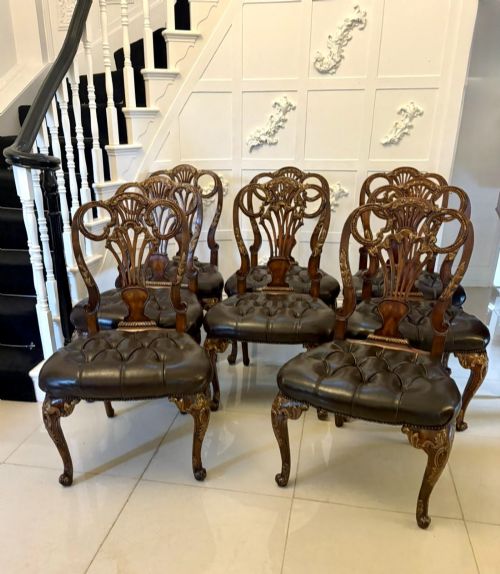
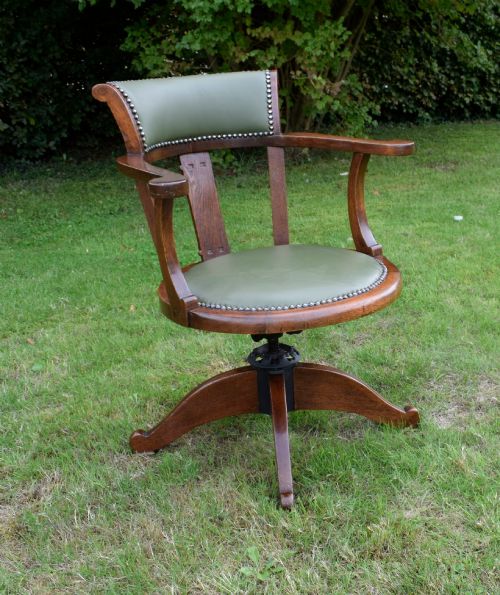
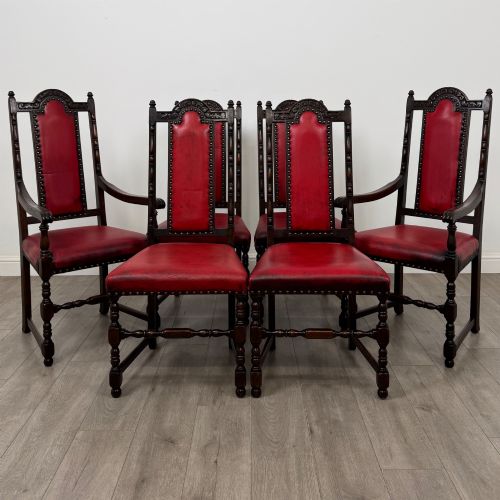
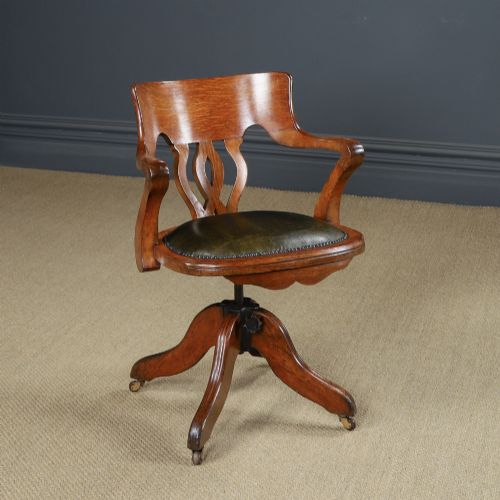
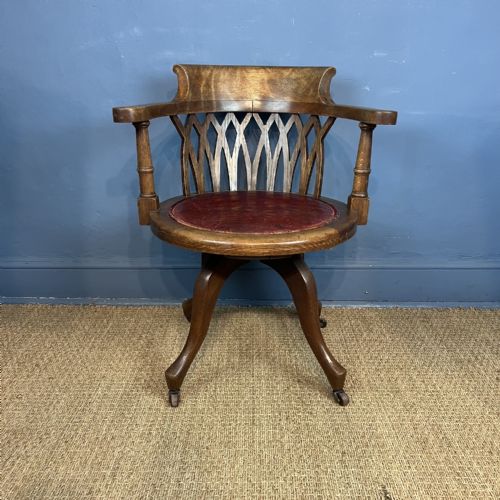
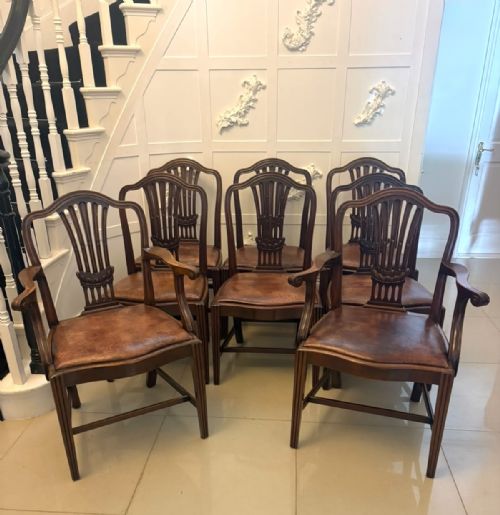
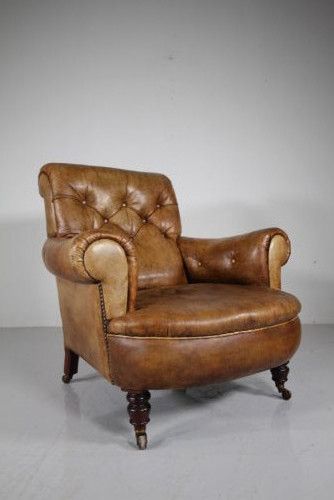
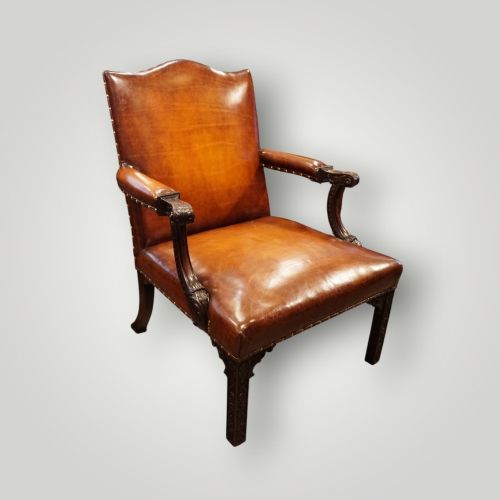
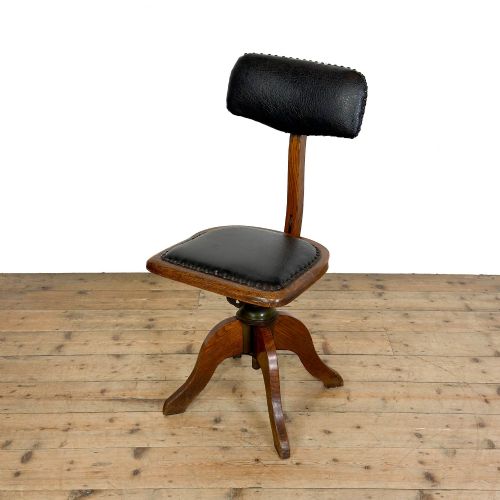
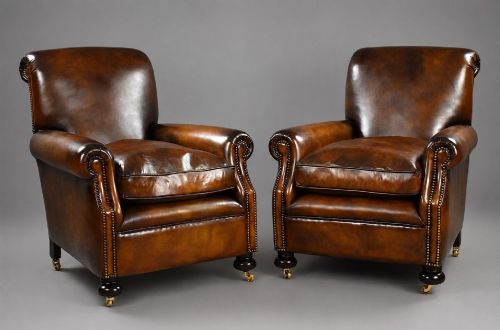
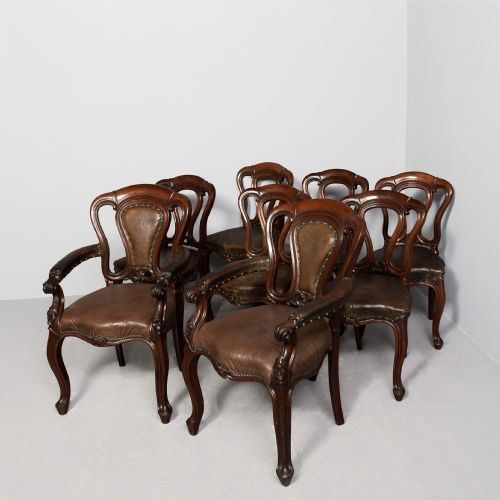
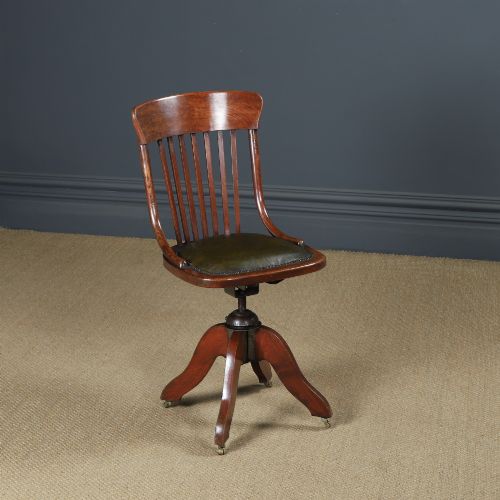
An edwardian leather seat encompasses a diverse range of domestic furniture, most commonly appearing as revolving desk chairs, office armchairs, and dining sets upholstered in hide.
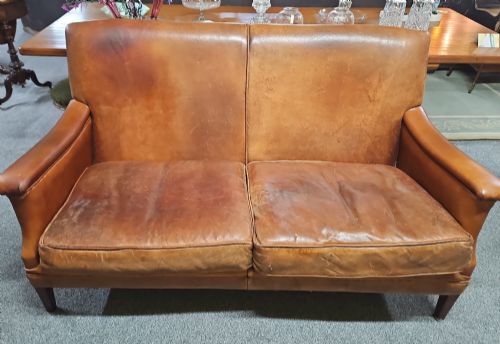
The material record also yields larger forms, including two-seater and three-seater chesterfield sofas, window seats, and brass or steel club fenders fitted with leather squabs.
While formal dining chairs utilise mahogany, walnut, or beech frames, working and library seats lean heavily towards durable oak frames paired with green, tan, or burgundy leather.
How they were made
Makers constructed frames primarily from solid oak and mahogany, often incorporating turned or carved details in styles ranging from Arts and Crafts to Jacobean Revival.
Upholstery relies on traditional hide or leather, secured using brass studs and sometimes finished with deep buttoning on chesterfield sofas and club fenders.
Swivel desk chairs utilise iron and steel mechanisms beneath wooden seats, combining mechanical utility with traditional cabinetmaking.
Edwardian Leather Seat Retail Price Guide 2026
Typical asking prices for edwardian leather seat among the pieces listed under this phrase on Sellingantiques today, from the lower quarter to the upper quarter. They describe what is for sale here now, not the wider market.
Some fireside pieces doubled as coal stores.
What varies in quality
Quality rests in the integrity of the timber framework and the treatment of the leather, with hand-dyed hides and substantial oak or mahogany frames marking out superior examples.
The complexity of the joinery and carving distinguishes standard production pieces from finer revival items, while working swivel mechanisms on office chairs require robust iron and steel components to hold their grade.
The Edwardian Leather Seat Glossary
- Club Fender
- A low upholstered metal frame placed around a fireplace opening to provide extra seating. These typically combine polished brass or steel bases with leather-topped seats.
- Chesterfield
- A large upholstered sofa characterised by deep buttoning and rolled arms of equal height. These appear in multi-seater formats upholstered in leather.
- Revolving Desk Chair
- An office seat mounted on a central swivel and tilt mechanism. They are frequently framed in oak or mahogany with adjustable height functions.
- Squab
- A loose, cushioned seat pad placed upon a rigid base or fender. They are usually covered in leather and stuffed to provide comfort during fireside use.
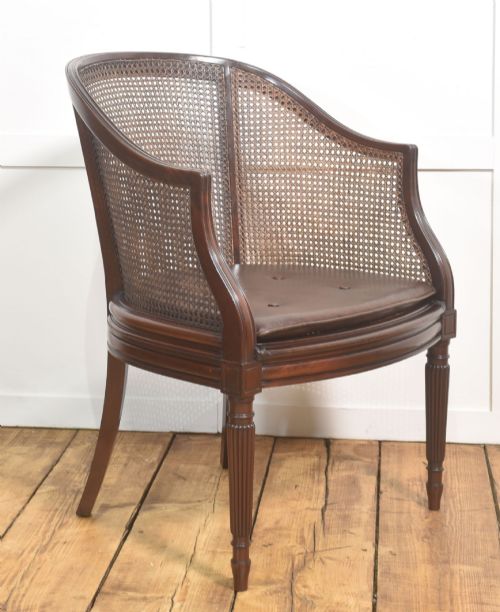
- Bergère
- An enclosed armchair with upholstered sides and back panels. Frames are traditionally constructed from polished hardwoods.
Edwardian Leather Seat: Frequently Asked Questions
What rooms suit an edwardian leather seat?
These pieces integrate naturally into home offices, studies, and libraries, particularly revolving desk chairs and large armchairs. Their robust construction also suits living rooms and fireside settings.
Sofa variants and club fenders serve social spaces and hearths, anchoring period rooms with traditional materials like oak, brass, and hide.
Were club fenders used for seating?
Club fenders are specifically designed with perimeter seats upholstered in leather, allowing people to sit close to the hearth. The metal frames provide a protective barrier around the fireplace.
These structures combine brass or steel frames with comfortable leather squabs, functioning simultaneously as furniture and fireplace accessories.
What woods were used for these chairs?
Oak is the predominant timber found in working office chairs, side chairs, and arts and crafts seating. Mahogany and walnut appear more frequently in formal dining sets and revival armchairs.
Beech also surfaces in smaller desk chairs and auxiliary seating, often stained to resemble darker hardwoods alongside iron and steel structural elements.