


Edwardian Leaded Window
Edwardian leaded window designs bring historic glass and timber into modern spaces through architectural salvage.
Edwardian Leaded Window
An edwardian leaded window is a piece of architectural salvage, typically framed in timber, pine, or pine wood, designed to let light through coloured and textured panes. The selections here include stained glass panels, architectural glass, and window panels spanning periods such as Victorian, Edwardian, 1900, 1910, 1890, and 1920.
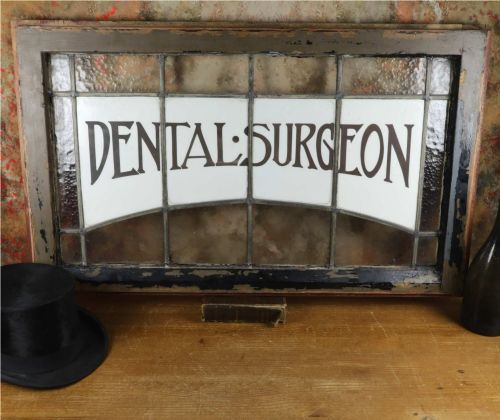
You are most likely to encounter windows featuring hand-painted scenes of the countryside, birds on branches, floral motifs with amber bullseyes, and geometric styles influenced by Art Nouveau, Arts and Crafts, and Gothic Revival movements. These objects originate from domestic houses as well as commercial premises, including dental surgeon practices and confectionary shops.
The variety ranges from simple leaded glass panels to large painted windows split into multiple sections. Many examples combine traditional lead cames with hand-painted details depicting castles, knights in armour, farmhouses, and winter landscapes.
What distinguishes finer examples
Quality in these pieces depends on the complexity of the glasswork and the artistic ambition of the painted imagery. Hand-painted pictorial details, such as figurative knight scenes, castle landscapes, or detailed bird designs, demand a higher level of skill than plain geometric leaded patterns.
The integration of special glass elements, including amber bullseyes, textured panels, and multi-section formats, separates standard utility glazing from more decorative architectural commissions. The condition of the original timber frame and the stability of the lead matrix also influence the overall character of the piece.
Several windows feature painted knights in armour and confectionary shop displays, proving that Edwardian tradesmen appreciated a dramatic view.
The Edwardian Leaded Window Glossary
- Came
- A slender strip of cast lead with a grooved channel on either side, used to hold pieces of glass together in a window.
- Bullseye
- A small, circular centre piece of blown glass showing a concentric ripple pattern, often used to add texture and amber tones.
- Architectural Salvage
- Building materials and decorative elements rescued from older structures for reuse in interior or exterior restoration.
- Stained Glass
- Glass that has been coloured by the addition of metallic oxides during its manufacture or painted and fired onto the surface.
- Art Nouveau
- A decorative style characterised by flowing, organic lines and floral motifs, prominent in the late nineteenth and early twentieth centuries.
Edwardian Leaded Window: Frequently Asked Questions
How do I install an edwardian leaded window?
These pieces can be mounted inside an existing aperture or hung against a lit wall as a decorative feature. Many buyers use custom timber frames to secure the salvage safely.
Ensure the weight of the timber and glass is supported correctly by brackets or a structural recess rather than relying on the lead cames alone.
Can these windows be used outdoors?
Most surviving pieces function best as interior dividers or wall art because historic lead and timber degrade when exposed to continuous weather. Re-leading and specialist framing are usually required for exterior reinstatement.
Consult a restorer if you intend to place an antique panel in an external wall where it will face wind and rain.
How do I date an edwardian leaded window?
Dating relies on stylistic clues such as Art Nouveau curves, Arts and Crafts simplicity, or Victorian Gothic Revival motifs. The type of timber used in the frame also offers context.
Listings often group these by periods like 1900, 1910, or Victorian, reflecting the design trends and manufacturing techniques of those decades.