


Antique Glass Window Panel
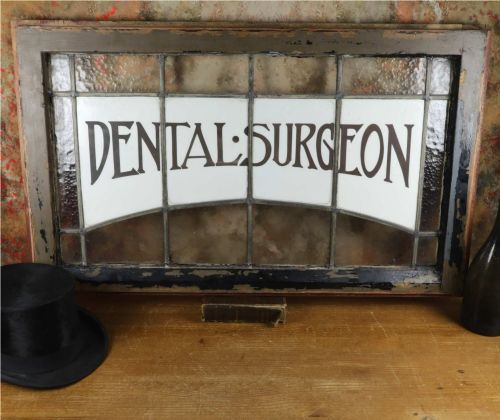
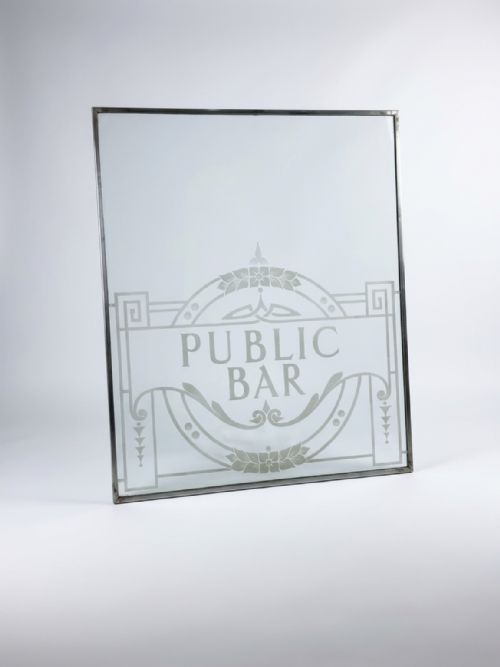
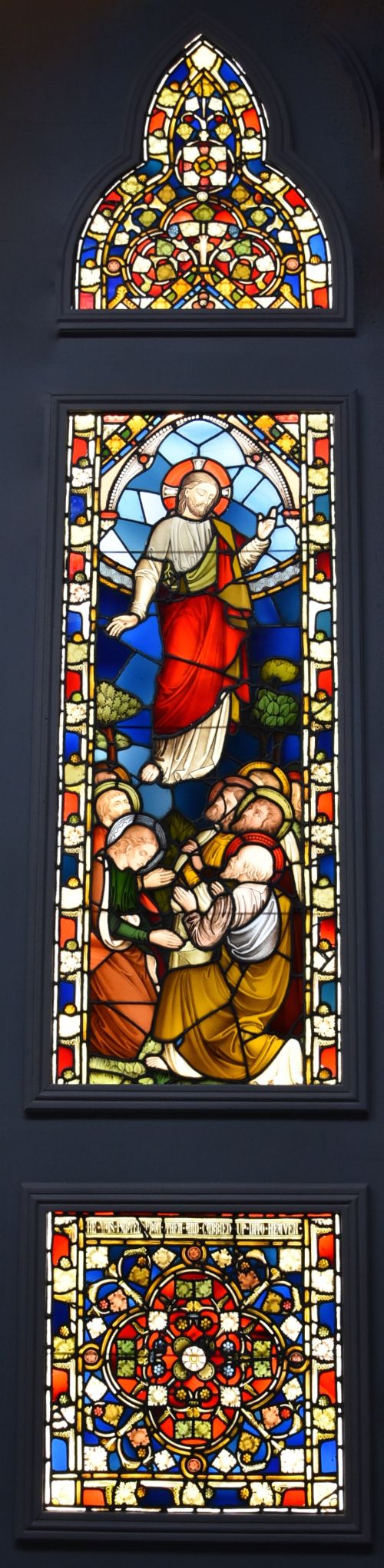
An antique glass window panel brings historic colour and architectural character to a room, ranging from domestic shop signs to church triptychs.
Antique Glass Window Panel
An antique glass window panel takes several forms, spanning domestic stained glass windows, architectural salvage, and commercial shop signage. Buyers searching for an antique glass window panel commonly encounter pieces originating from the nineteenth and early twentieth centuries, including Edwardian and Victorian examples.
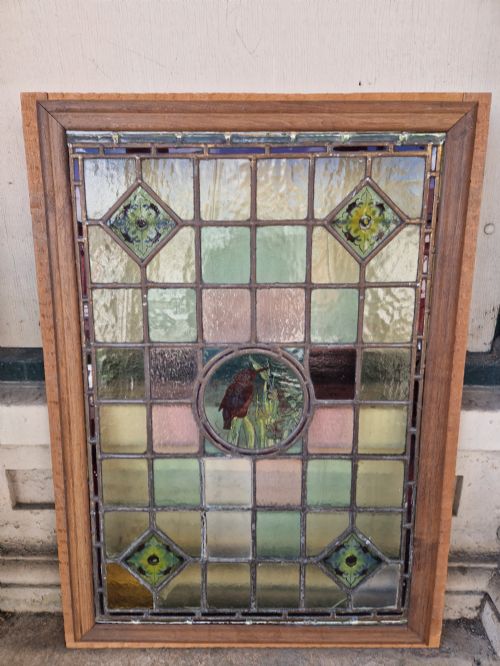
The selection includes church windows with square panes, architectural glass, and decorative panels bearing hand-painted countryside scenes, heraldic emblems, or figurative subjects. Domestic and commercial panels often feature leaded construction alongside timber or pine frames.
How they were made
Maker workshops combined coloured glass with lead came to hold the individual pieces together in intricate geometric and pictorial designs. Artisans applied hand-painted details, etching, and reverse cutting onto the glass surface to depict figures, birds, and floral motifs.
Finished glass panels were frequently set into wood, timber, or pine frames for structural support. These architectural elements originated from trade premises, churches, and residential properties alike.
Listings feature leaded glass, etched glass, and stained glass panels framed in timber or pine from the Victorian, Edwardian, and early twentieth-century periods.
What varies in quality
The sophistication of the hand-painted details and pictorial execution separates standard decorative panels from finer works of art. Narrative complexity, such as detailed countryside scenes or historic figures, elevates the visual standard of a piece.
The integrity of the leadwork and the complexity of the glass cutting determine the overall calibre of construction. Original timber framing and intact bullseyes add significant architectural interest to surviving examples.
The Antique Glass Window Panel Glossary
- Lead came
- The soft lead channel used to hold individual pieces of glass together in a window panel. It forms the structural grid of the design.
- Bullseye
- A circular centre piece of blown glass showing a concentric ripple pattern. These appear frequently as decorative accents within leaded panels.
- Etched glass
- Glass treated with acid or abrasive materials to create opaque decorative designs. This technique was popular for Victorian and Edwardian commercial windows.
- Architectural salvage
- Building components rescued from demolition or renovation for reuse. Window panels salvaged in this manner retain historic fabric.
- Triptych
- A picture or panel composition divided into three sections. In church windows, these large-scale pieces form connected pictorial narratives.
Antique Glass Window Panel: Frequently Asked Questions
How do I date an antique glass window panel?
Dating relies upon stylistic markers, subject matter, and framing materials associated with specific periods like the Victorian or Edwardian eras. Architectural details and painting techniques also provide clear indications of age.
Nineteenth-century pieces often feature heavier timber surrounds and Gothic revival motifs, whereas later Edwardian panels incorporate lighter leaded bird and floral designs.
Can these glass panels be hung as wall art?
Yes, many collectors mount window panels against interior walls or in front of light sources to replicate their original illumination. Proper hanging requires robust fixings to support the weight of the lead and glass.
Placing a panel near a natural light source allows the hand-painted colours and etched details to be fully appreciated indoors.
What subjects appear on these panels?
Common subjects include pastoral countryside scenes, birds on branches, floral swags, and historical figures such as knights in armour. Commercial panels frequently display trade-specific imagery or lettering.
Religious subjects and heraldic emblems also appear, particularly on ecclesiastical salvage originating from nineteenth-century churches.