


Edwardian Leaded Glass Panel
Edwardian leaded glass panel selections bring architectural colour and pattern into interiors through traditional leadlight and painted glass construction.
Edwardian Leaded Glass Panel
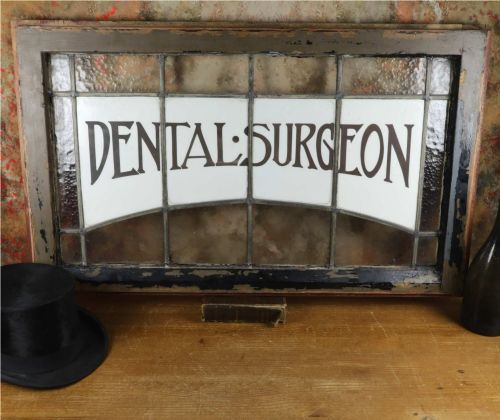
An edwardian leaded glass panel forms a decorative architectural insert constructed with soldered lead cames holding individual pieces of glass. Buyers searching this phrase meet architectural salvage windows, fire screens, and cabinet doors originating from the late nineteenth century through to the nineteen twenties.
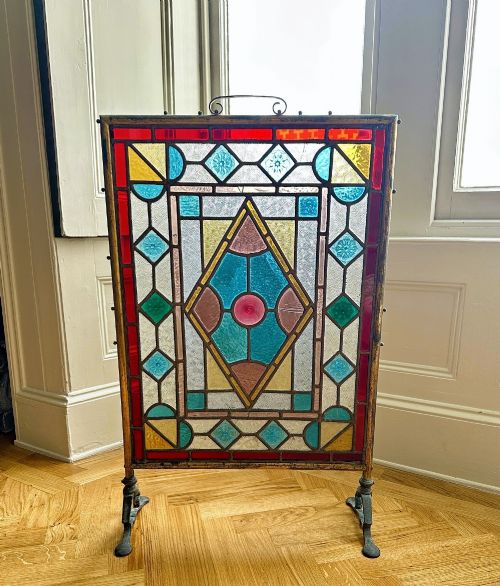
Makers integrated these panels into diverse domestic furnishings, mounting them inside pine wardrobes and oak cabinets alongside traditional freestanding iron fire screens. The core of the inventory comprises architectural windows salvaged from period properties.
Materials and Construction Techniques
Craftsmen joined individual panes of clear and coloured glass using flexible lead cames soldered together at the intersections to form rigid pictorial or geometric designs. Artisans frequently added hand-painted details depicting landscapes, flora, and fauna directly onto the glass surface.
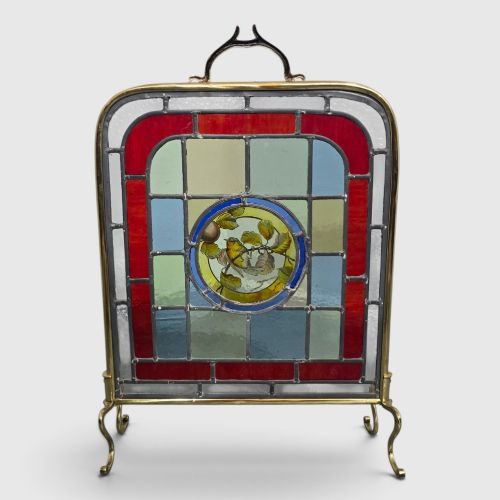
Timber frames constructed from pine and oak provided structural support for larger architectural windows and fitted cabinet doors. Brass and iron hardware frequently supplemented the wooden framework, particularly on freestanding fire screen assemblies and hinged panels.
Hand-painted motifs across the listings include winter scenes, sailing boats, and botanical flower studies.
Evaluating Design and Execution
The distinction between standard production and superior work rests on the intricacy of the hand-painted pictorial elements and the complexity of the leaded geometry. Panels featuring detailed avian subjects, architectural landscapes, or knightly figures demonstrate greater artistic ambition than repetitive floral motifs.
Structural integrity relies upon the rigidity of the soldered lead matrix and the preservation of the original glass panes without replacement sections. The inclusion of specialty components such as amber bullseyes and reverse cut glass adds stylistic depth to the piece.
Maple & Co
The Edwardian Leaded Glass Panel Glossary
- Lead came
- A slender channel of lead used to hold individual pieces of glass together in a window or panel. These flexible strips are soldered at the joints to create a complete geometric or pictorial matrix.
- Bullseye
- A small, circular centre piece of glass formed during the glassblowing process that leaves a prominent pontil scar. These textured discs frequently appear as decorative accents within larger leaded designs.
- Stained glass
- Glass that has been coloured during its manufacture by the addition of metallic oxides. The term also encompasses clear glass that has received surface enamel painting and subsequent kiln firing.
- Architectural salvage
- Building components removed from older structures for reuse or display. This category includes windows and doors rescued from period houses and commercial premises.
- Fire screen
- A movable furnishing designed to shield a room from the radiant heat of an open hearth. Many incorporate decorative glass panels mounted within metal or timber stands.
Edwardian Leaded Glass Panel: Frequently Asked Questions
How were edwardian leaded glass panels originally installed?
Makers integrated these panels into exterior window openings, interior partition walls, and furniture doors using timber frames.
Builders secured the leaded sections within rebates using putty or wooden beads to ensure weather resistance and structural stability.
Can these glass panels be hung as wall art?
Many collectors adapt architectural windows for interior wall display by suspending them securely from structural fixings.
Placing the panels in front of natural light sources replicates their original architectural function and highlights the painted details.
What motifs appear on painted glass panels?
Designers utilised natural subjects including birds on branches, floral swags, and pastoral countryside scenes.
More elaborate commissions featured historical figures such as knights in armour alongside architectural elements like castles.
How do you distinguish between Victorian and Edwardian panels?
Victorian examples frequently display denser, heavier painted decoration and darker colour palettes influenced by revivalist aesthetics.
Edwardian and Arts and Crafts pieces tend towards lighter pastel tones, stylised floral motifs, and simplified geometric compositions.