

Edwardian Jewellery Casket
An edwardian jewellery casket holds small treasures securely, uniting utility with the fine craftsmanship of the early twentieth century.
Edwardian Jewellery Casket
An edwardian jewellery casket typically serves to store rings, trinkets, and small valuables on a dressing table or desk. The pieces meeting this search phrase range from compact trinket boxes to larger fitted chests designed for personal adornment.
Most examples found in the current inventory date from the early nineteen hundreds, reflecting the styles popular during the Edwardian era and the reign of George V. Makers from this period often employed traditional forms alongside emerging Art Nouveau and Arts and Crafts aesthetics.
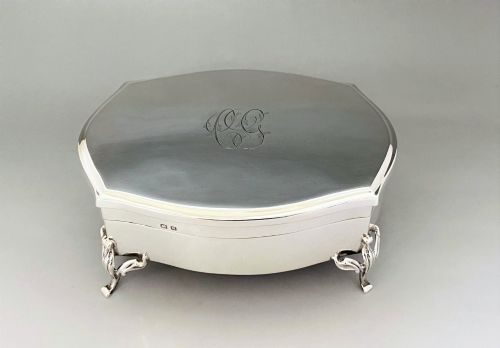
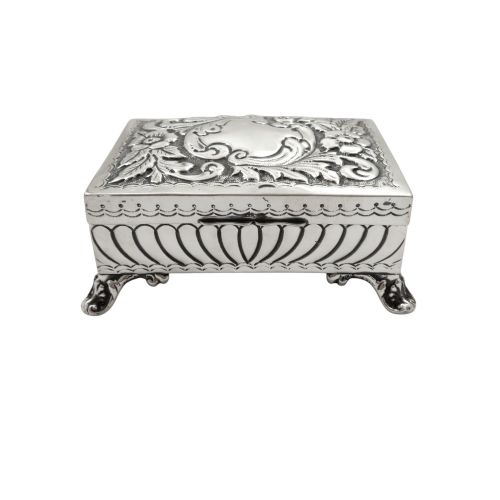
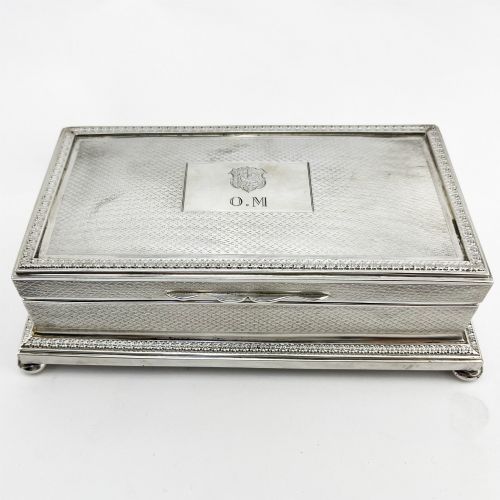
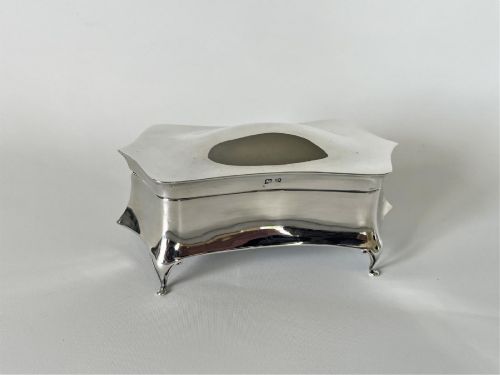
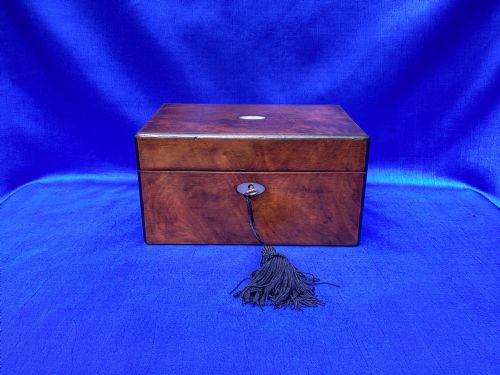
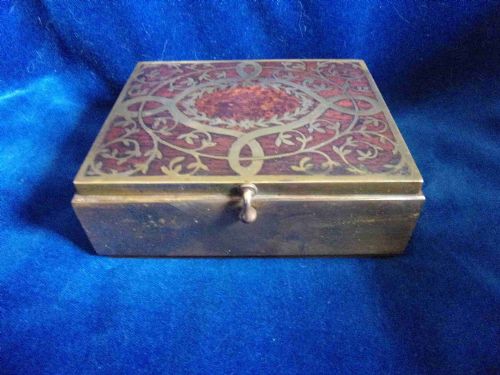
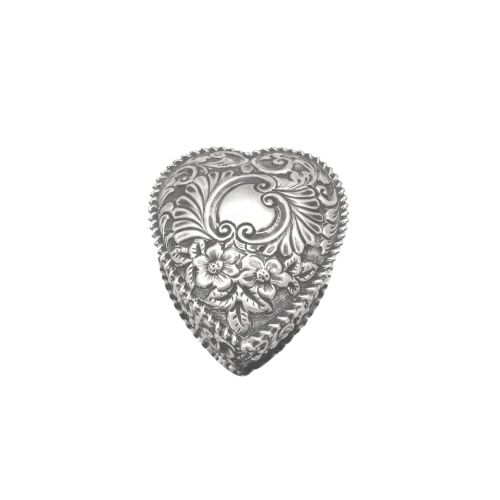
Buyers will encounter these caskets in various formats, including rectangular table boxes, heart-shaped trinket containers, and domed cases. The object types span simple decorative boxes to elaborate hinged caskets lined with velvet or silk.
Materials and construction
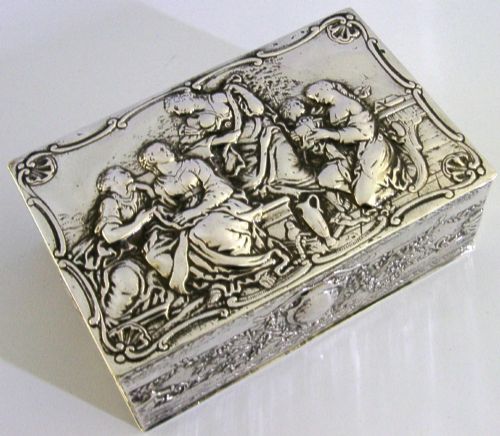
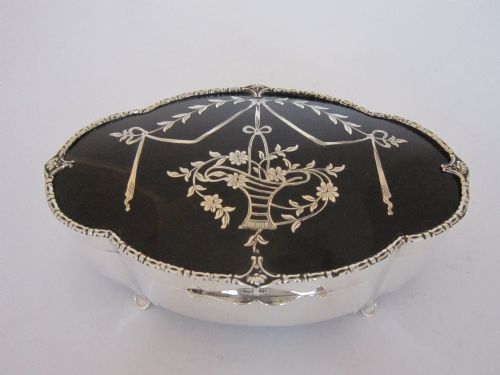
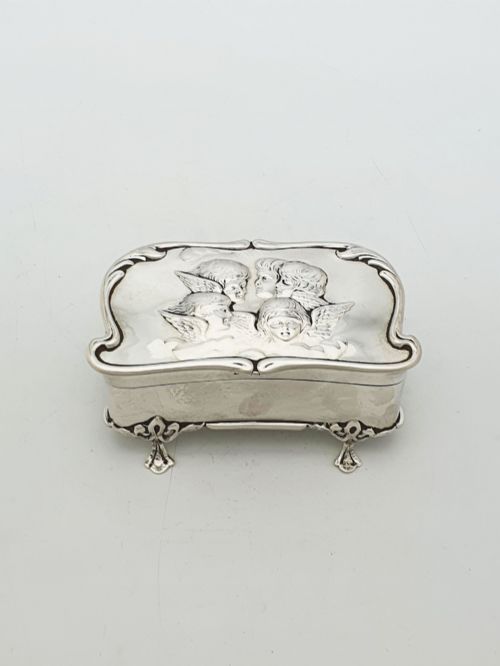
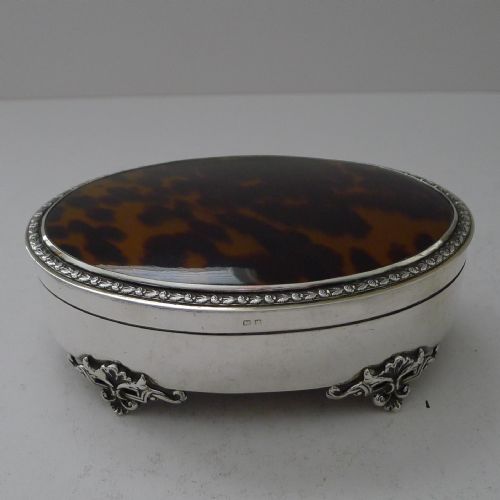
Sterling silver dominates the construction of these caskets, frequently paired with tortoiseshell lids, gilt interiors, or porcelain enamel panels. Silversmiths utilised stamping, chasing, and repousse techniques to create relief ornamentation featuring cherubs or floral motifs.
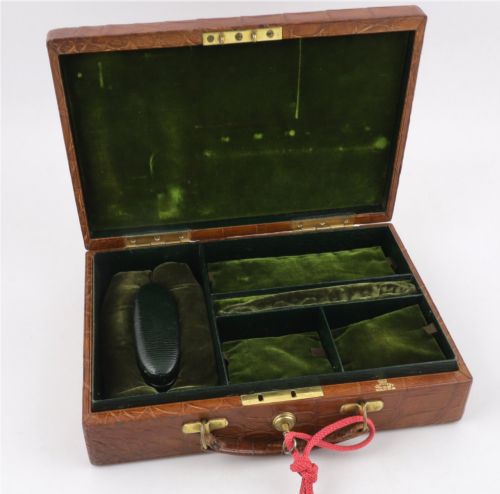
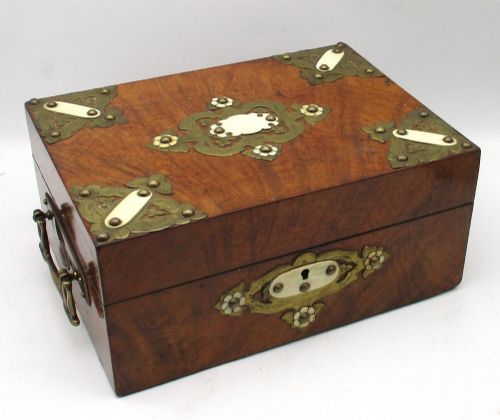
Woodwork forms another substantial category, utilising timbers such as walnut, mahogany, coromandel, and laburnum. Artisans constructed wooden caskets using precise joinery and often incorporated marquetry inlay or leather coverings.
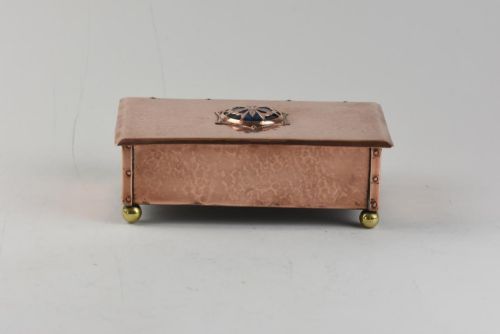
Metalwork from the Arts and Crafts movement introduces copper and pewter into the selection, sometimes embellished with central enamel cabochons or overlaid butterfly designs.
One unusual survivor is a porcupine quill box, proving that Victorians would turn almost anything into a place to store trifles.
Assessing quality and execution
The distinction between standard boxes and superior examples rests upon the execution of the decorative elements and the weight of the materials used. Solid silver caskets with thick gauge walls and crisp hallmarks demonstrate higher production standards than lighter, plated alternatives.
Internal appointments significantly influence overall quality, particularly the presence of original fitted velvet linings and intact silk cushions. Superior wooden boxes exhibit tight grain matching, precise hinge alignment, and complex marquetry or oyster veneer work.
The involvement of known makers or specific retail houses elevates a piece, as seen in items bearing discernible hallmarks from silversmiths like William Comyns or H. Matthews.
J C Vickery·Erhard and Sohne·William Comyns·William Neale and Sons·H. Matthews
The Edwardian Jewellery Casket Glossary
- Sterling silver
- A silver alloy containing ninety-two point five percent pure silver and seven point five percent other metals, typically copper. This standard alloy provides the necessary durability for detailed repousse work on trinket boxes.
- Tortoiseshell
- The mottled brown and amber shell of certain turtle species historically applied as an overlay to silver boxes. Artisans valued this organic material for its rich translucent warmth.
- Repousse
- A metalworking technique where the artisan hammers the design from the reverse side to form a raised relief on the front. This method creates the dimensional cherubs and floral patterns seen on many silver caskets.
- Cabochon
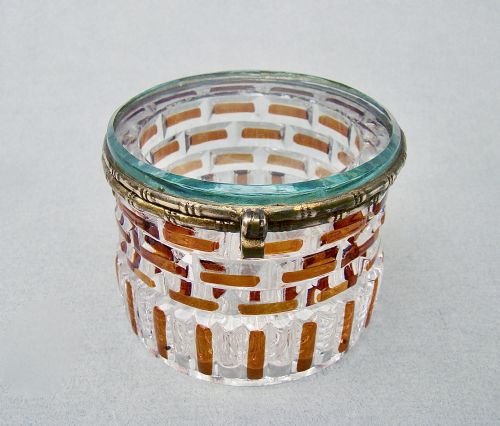
- A gemstone or piece of glass shaped and polished with a smooth convex surface rather than faceted. These elements frequently serve as central focal points on metalwork boxes.
- Gilt interior
- A thin layer of gold applied to the inside of a silver box to prevent tarnishing from cosmetics or jewellery. This technique enhances the visual contrast when the lid is opened.
Edwardian Jewellery Casket: Frequently Asked Questions
What were these boxes used for?
These caskets functioned as secure containers for rings, brooches, pins, and other personal ornaments kept on a dressing table. They kept delicate items protected from dust and loss while offering an attractive display.
Wealthy households utilised them daily for organising the smaller components of a wardrobe or dressing table set. Many included specialised compartments or velvet pin pads designed for specific types of jewellery.
How do I distinguish Edwardian pieces from Victorian ones?
Edwardian caskets generally feature lighter, more delicate ornamentation influenced by neoclassical revival styles and early Art Nouveau curves. They often incorporate brighter sterling silver work and refined tortoiseshell panels compared to earlier decades.
Victorian pieces tend to utilise heavier dark woods like mahogany and coromandel with robust brass hardware. Examining the hallmarks on silver mounts provides the definitive date of manufacture.
Are these caskets suitable for daily use?
Most antique caskets remain sturdy enough to hold modern jewellery on a dresser or desk. The original velvet and silk linings provide a soft bed for storing rings and earrings safely.
Care should be taken with fragile materials like tortoiseshell, porcelain enamel, and antique hinges. Gentle handling preserves the delicate mechanics and surface finishes over time.
How should I care for silver and tortoiseshell?
Silver components require periodic polishing with a non-abrasive cloth to maintain their lustre without wearing down hallmarks or raised details. Tortoiseshell should be kept away from direct sunlight and excessive moisture to prevent warping.
Cleaning internal velvet linings is best done with dry brushing to remove dust. Avoiding harsh chemical cleaners protects the historical integrity of both metal and organic surfaces.