




Brown Leather Jewellery Box
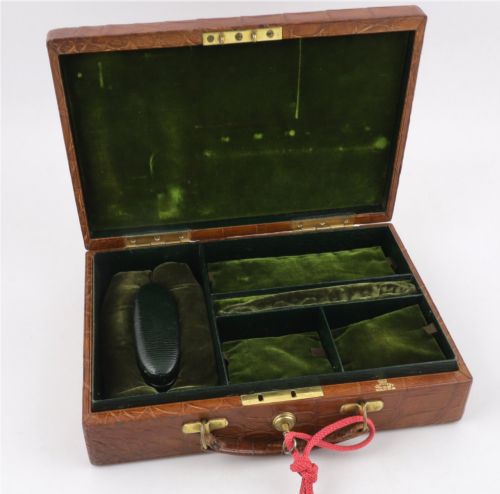
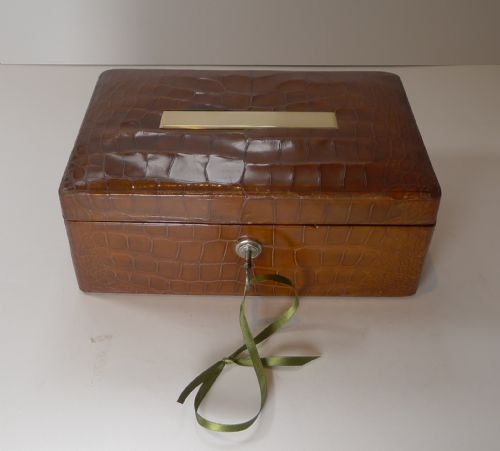
A brown leather jewellery box holds small treasures while bringing tactile warmth and history to a dressing table.
Brown Leather Jewellery Box
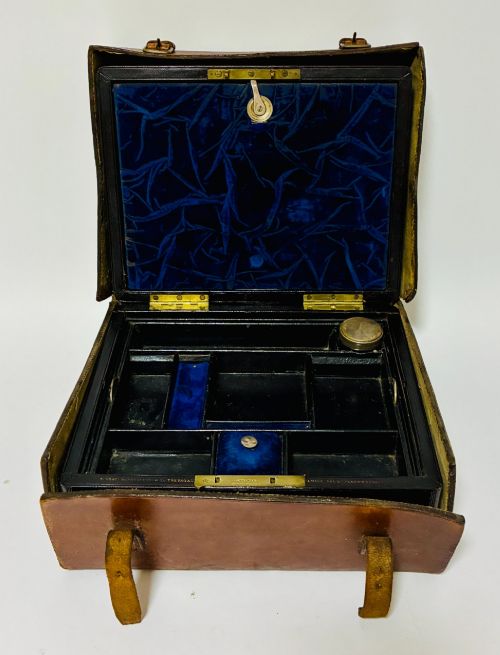
A brown leather jewellery box combines practical storage with period craftsmanship, spanning formats from simple caskets to elaborate dressing cases. When searching for a brown leather jewellery box, buyers encounter examples ranging from early nineteenth century Regency caskets to twentieth century pieces.
The selection includes specialised forms such as writing slopes, sewing boxes, and faux book safes alongside traditional jewellery boxes. Materials extend beyond standard leather to incorporate crocodile skin, alligator skin, and pig skin.
Origins represented in the inventory stretch from seventeenth century specimens to interwar designs, showing considerable variety in scale and interior layout. Most pieces rely on a sturdy wood foundation beneath the outer leather skin.
Materials and Construction
Maker construction methods depend heavily on applying treated animal hides over rigid wood carcases, often secured with brass hardware. Tooling and embossing appear frequently on the exterior surfaces, creating decorative borders and patterns.
Interiors typically feature soft linings of velvet or fabric designed to protect delicate items from friction and damage. Mounts, feet, and hinges utilise brass components, whilst specialised pieces incorporate integrated locking mechanisms.
Brown Leather Jewellery Box Retail Price Guide 2026
Typical asking prices for brown leather jewellery box among the pieces listed under this phrase on Sellingantiques today, from the lower quarter to the upper quarter. They describe what is for sale here now, not the wider market.
Distinctions in Quality
Quality reveals itself in the selection of the hide and the precision of the exterior tooling. Finer examples display superior leather integrity, whether smooth calf skin or heavily scaled crocodile skin.
The execution of brass mounts, handles, and claw and ball feet indicates the level of ambition in the original workshop. Interior fittings that remain intact and functional elevate the standing of a piece.
J C Vickery·F. West
The Brown Leather Jewellery Box Glossary
- Dressing Case
- A comprehensive box fitted for grooming and jewellery storage, often containing multiple compartments and glass bottles. These larger containers served travellers and the home alike.
- Casket
- A decorative box designed for valuables, frequently featuring a hinged lid and secure lock. They often sit on raised feet or feature elaborate metal mounts.
- Writing Slope
- A desk accessory that folds open to provide an angled writing surface alongside storage for stationery and small items. Many include secret compartments or velvet lined trays.
- Tooling
- The decorative impression of patterns or gold leaf onto leather surfaces using heated metal tools. This technique defines the exterior ornamentation of many period boxes.
- Crocodile Skin
- A textured exotic leather utilised for luxury goods during the nineteenth and early twentieth centuries. The distinctive scale pattern provides natural durability and visual impact.
Brown Leather Jewellery Box: Frequently Asked Questions
How are these boxes dated?
Dating relies on stylistic markers, construction methods, and materials recorded across different eras, from Regency brass mounts to twentieth century skin textures. Hardware styles and interior fabrics also offer chronological clues.
Comparison with documented examples helps establish the likely period of manufacture when explicit maker marks are absent.
What materials were used?
Outer surfaces utilise various leathers including standard hide, pig skin, and exotic crocodile or alligator skin. These materials cover a solid wood carcase.
Interiors are lined with soft fabrics or velvet, while brass provides the structural mounts, locks, and decorative feet.
How do I care for leather boxes?
Leather requires stable humidity and protection from direct sunlight to prevent drying and cracking over time. Gentle dusting maintains the surface without stripping historical patination.
Internal velvet should be kept dry and free from moisture to protect stored metal items from tarnishing.
Were these used for travel?
Many examples, particularly dressing cases and writing slopes, were built for transport by carriage or train. Sturdy leather construction and secure locks protected contents on journeys.
Smaller caskets remained stationary on dressing tables to hold everyday ornaments and keepsakes.