
Edwardian Jardiniere
When you search for an Edwardian jardiniere, you are looking at plant stands and decorative indoor planters designed to bring living greenery into period interiors.
Edwardian Jardiniere
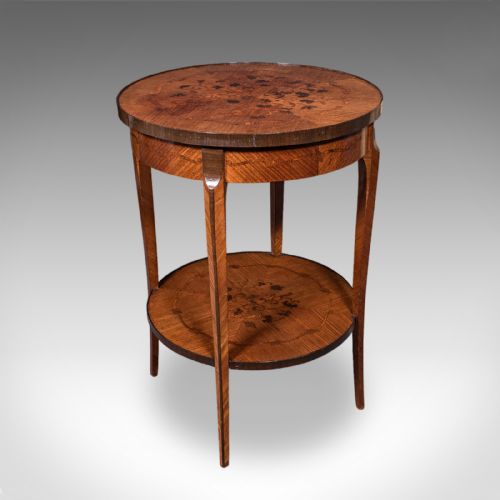
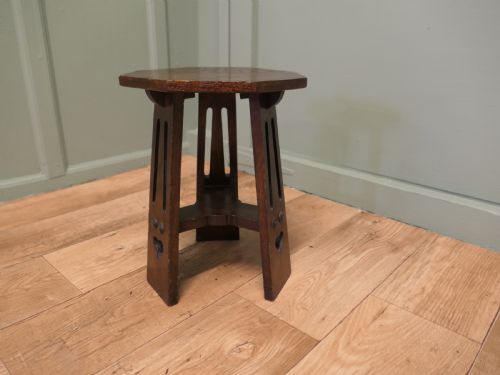
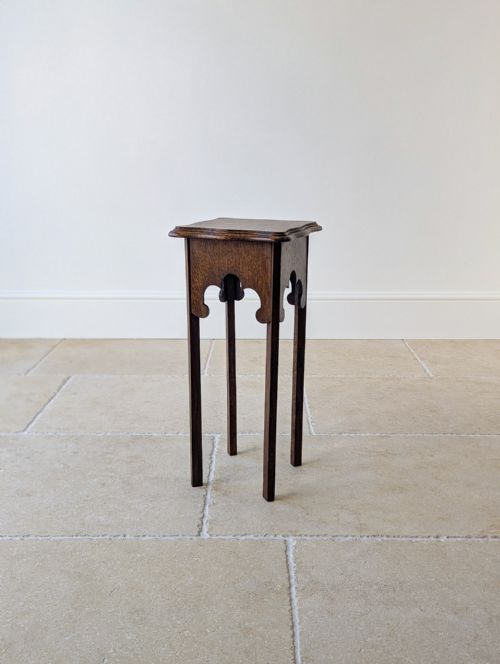
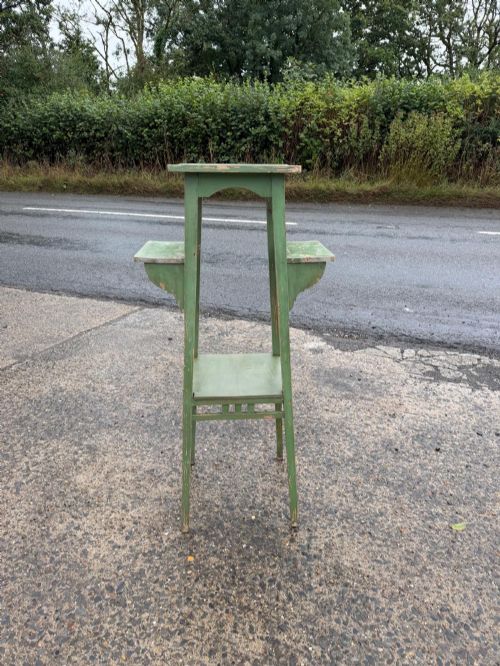
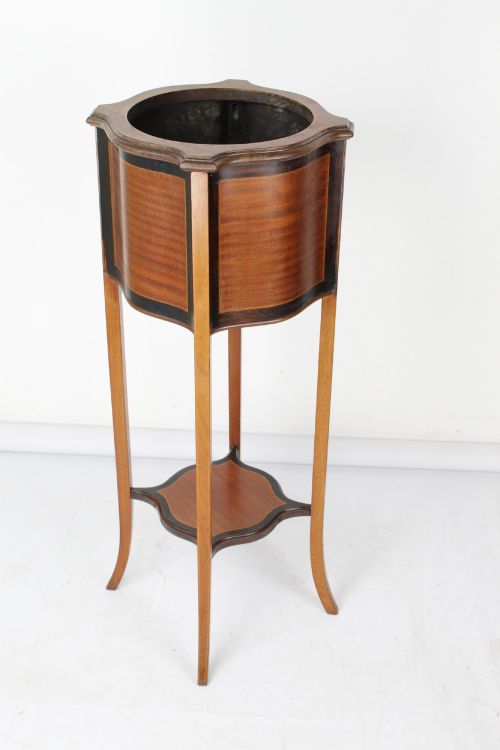
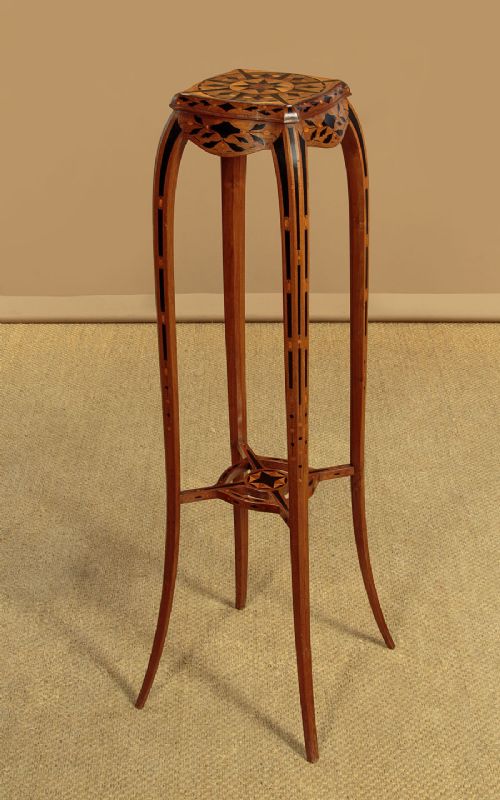
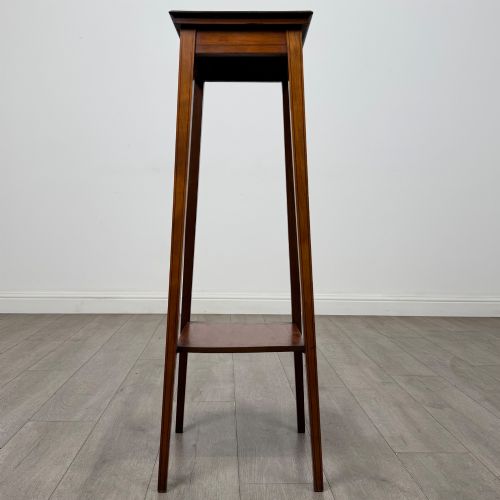
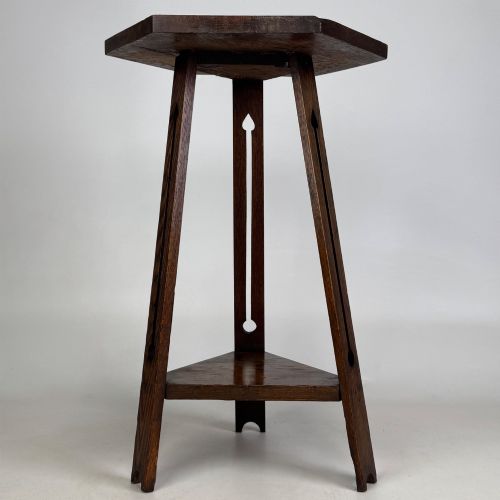
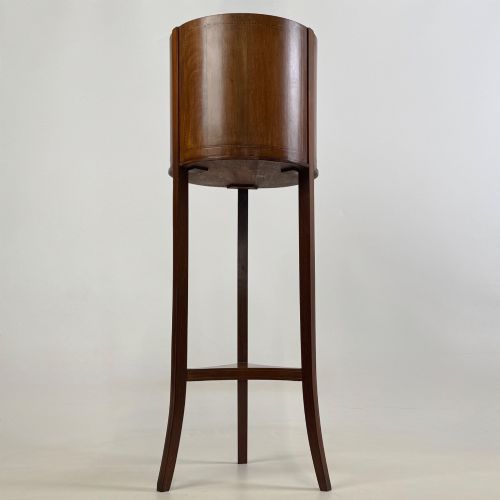
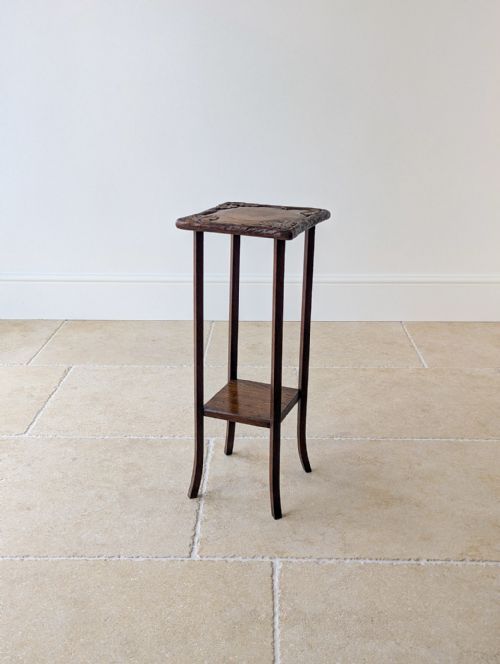
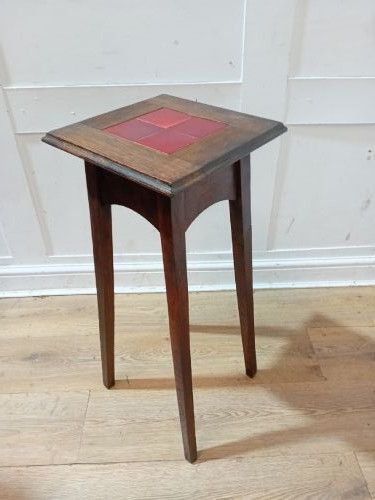
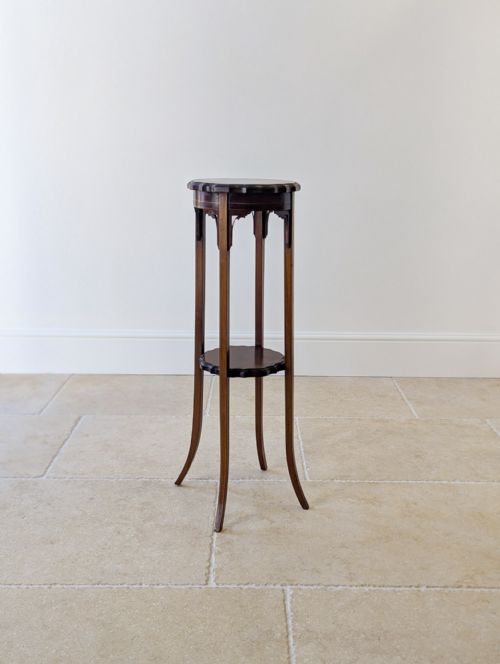
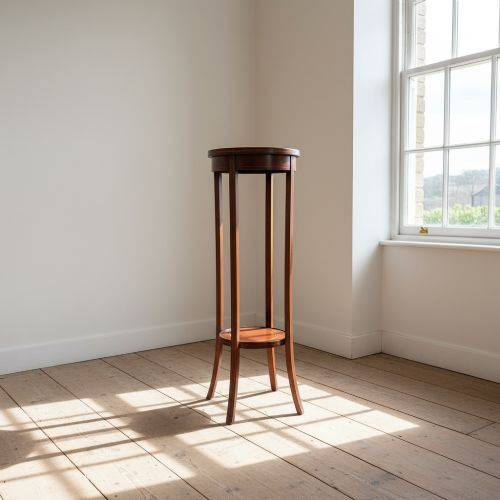
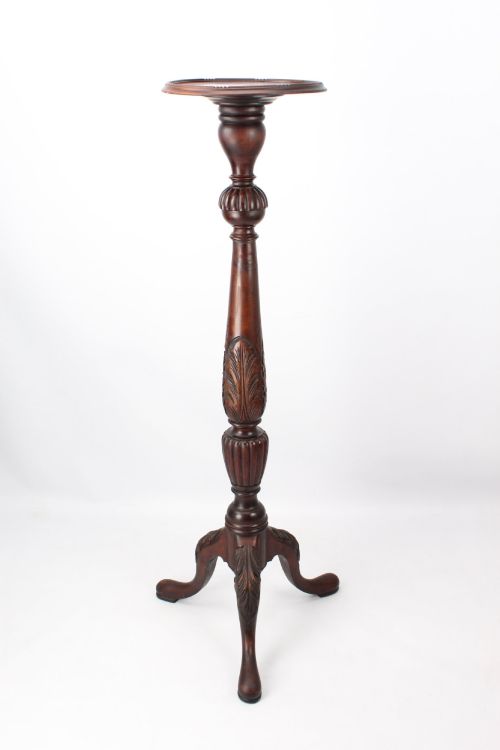
The edwardian jardiniere encompasses a wide variety of plant stands, occasional tables, troughs, and floor-standing planters designed for interior display. Many examples take the form of tall, slender stands intended to elevate potted plants into corners or window spaces.
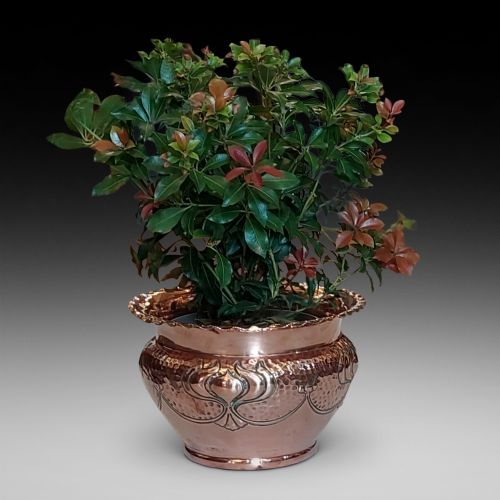
Vessels constructed directly as jardiniere bowls or troughs often rest on dedicated stands or feature integrated brass carrying handles. The crossover between plant stands and side tables is frequent, with many pieces functioning equally well as lamp tables or torcheres.
Materials and Construction Methods
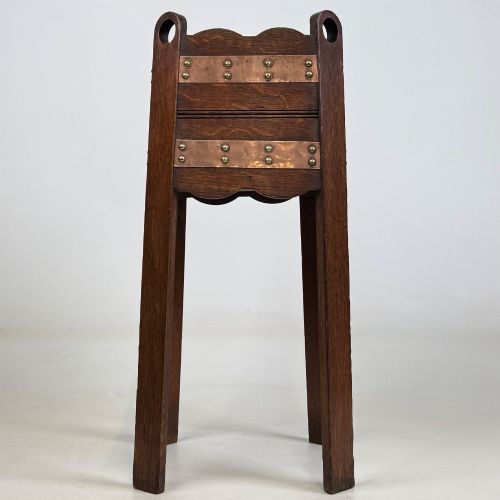
Timbers such as mahogany, oak, satinwood, and walnut form the structural backbone of wooden stands and planters, often decorated with contrasting stringing or marquetry inlay. Metal vessels utilise solid copper, brass, and cast iron, sometimes shaped into Art Nouveau motifs or bound with metal bands.
Craftsmen applied techniques ranging from hand-carving and turning to metal-spinning and riveting. Many wooden stands incorporate metal liners to protect the timber from moisture during watering.
The inventory combines mahogany, oak, satinwood, copper, brass, and wrought iron into plant stands and planters spanning the Victorian and Edwardian eras.
Assessing Quality and Execution
Quality reveals itself in the choice of timber and the precision of the joinery rather than the sheer complexity of the design. Superior mahogany and satinwood pieces display thoughtful grain matching and crisp, intact inlay work.
Metal vessels show their standard through the thickness of the copper or brass and the neatness of the seaming and riveting. Original metal liners and stable, well-balanced support stands elevate the standing of a piece.
Royal Doulton·Liberty of London·W.A. Adderley·Wedgwood·RA Lister and Co
The Edwardian Jardiniere Glossary
- Jardiniere
- An ornamental pot or stand for holding plants or flowers. These vessels appear in ceramic, metal, and wood.
- Torchere
- A tall, slender stand designed to support a lamp, plant, or decorative urn. They frequently feature round tops and tripod or column bases.
- Inlay
- A technique of inserting pieces of contrasting wood or other materials into a recessed base to form a pattern. Satinwood and lighter stringing lines are common on mahogany frames.
- Arts and Crafts
- A design movement favouring hand-craftsmanship, simple forms, and honest materials. Copper and solid oak dominate pieces from this tradition.
- Art Nouveau
- A style characterised by organic, flowing lines inspired by natural forms. This aesthetic influences the curves of metal planters and plant holders.
Edwardian Jardiniere: Frequently Asked Questions
What is an Edwardian jardiniere used for?
These pieces served to hold potted palms, ferns, and flowering plants inside domestic rooms and conservatories during the early twentieth century. They allowed homeowners to incorporate greenery into formal living spaces without risking water damage to furniture.
Today, they function in much the same way, serving as plant stands, lamp tables, or decorative focal points in period hallways and living areas.
Are metal planters prone to tarnish?
Copper and brass naturally develop a darker patina over time through oxidation when exposed to air and moisture. Many collectors appreciate this aged surface as evidence of authenticity.
Polishing is a matter of personal preference, though gentle cleaning is usually sufficient to maintain the metal without stripping away its historic character.
How can I tell an Edwardian piece from a Victorian one?
Edwardian designs tend to be lighter, brighter, and less ornate than their heavier Victorian predecessors. Lighter woods like satinwood and simpler inlaid motifs became more common after the turn of the century.
Victorian pieces often rely on darker timbers, heavier carvings, and more complex ornamentation, though stylistic overlap during the transitional decades is common.