
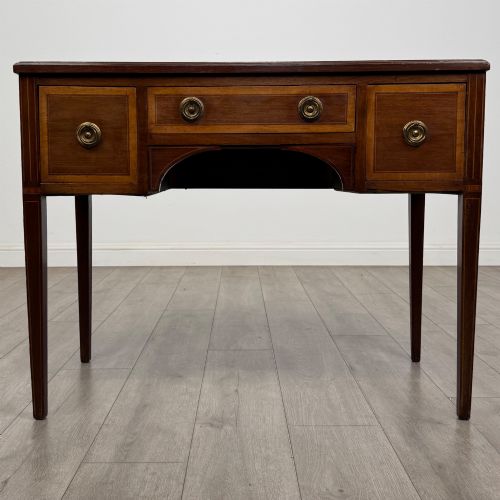
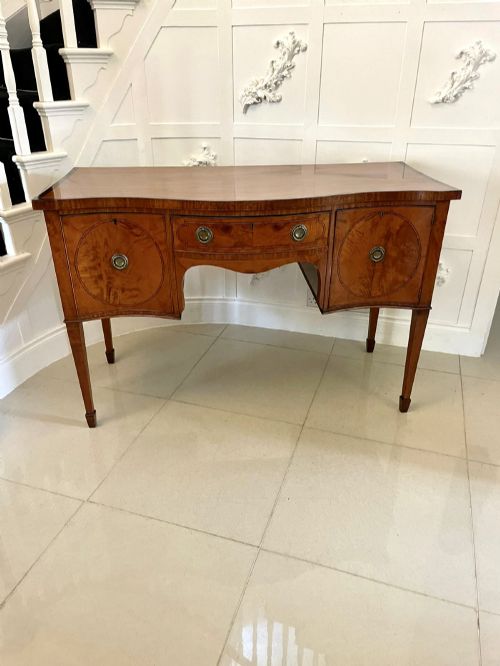
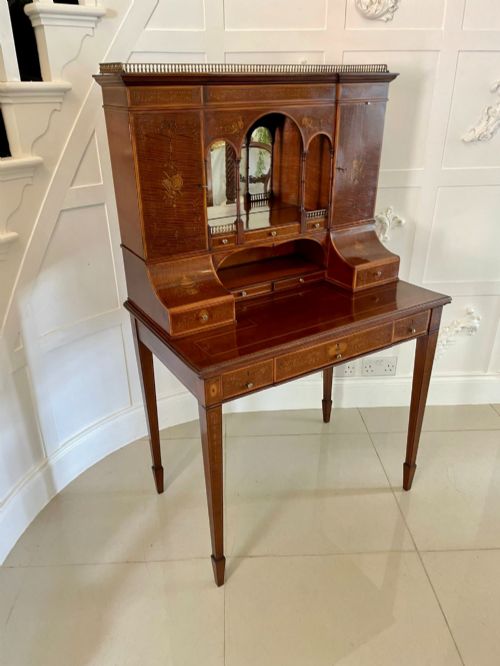
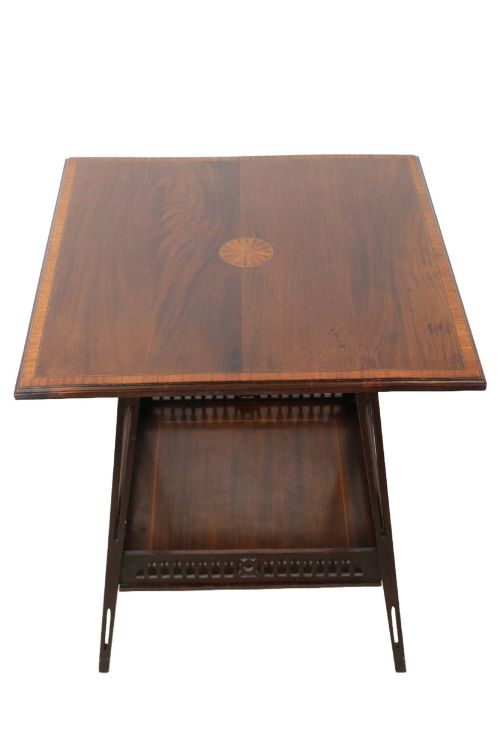
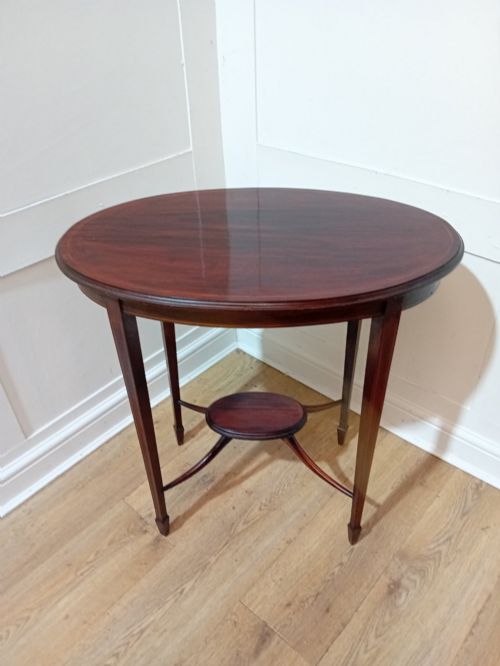
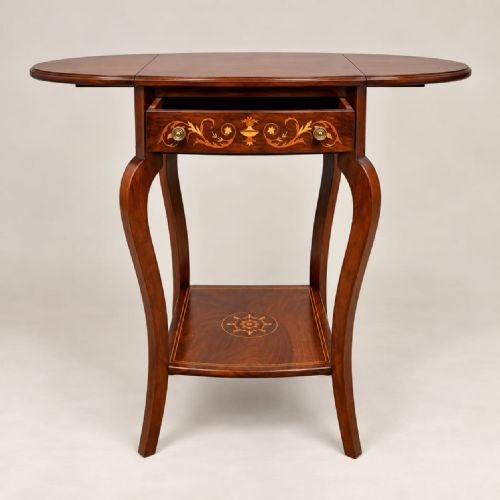


Edwardian Inlay Table
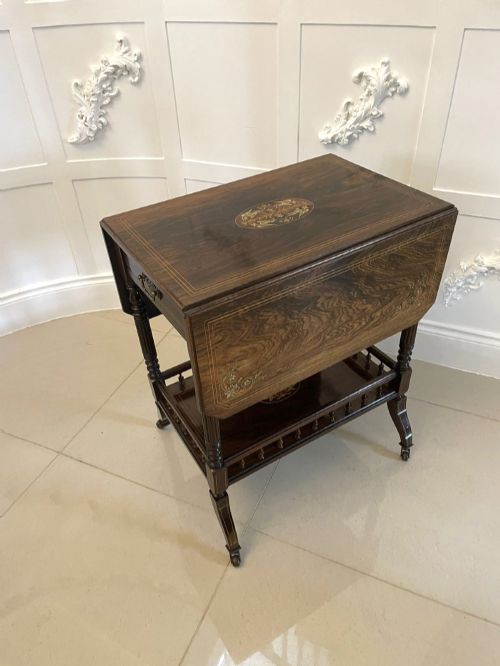
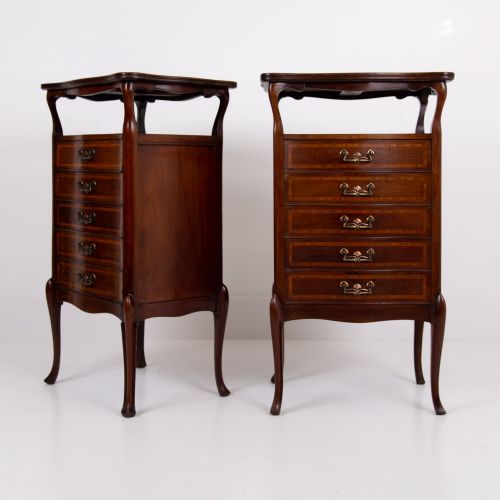
These edwardian inlay table pieces combine refined timber surfaces with delicate contrasting decoration, offering both utility and period charm for a room.
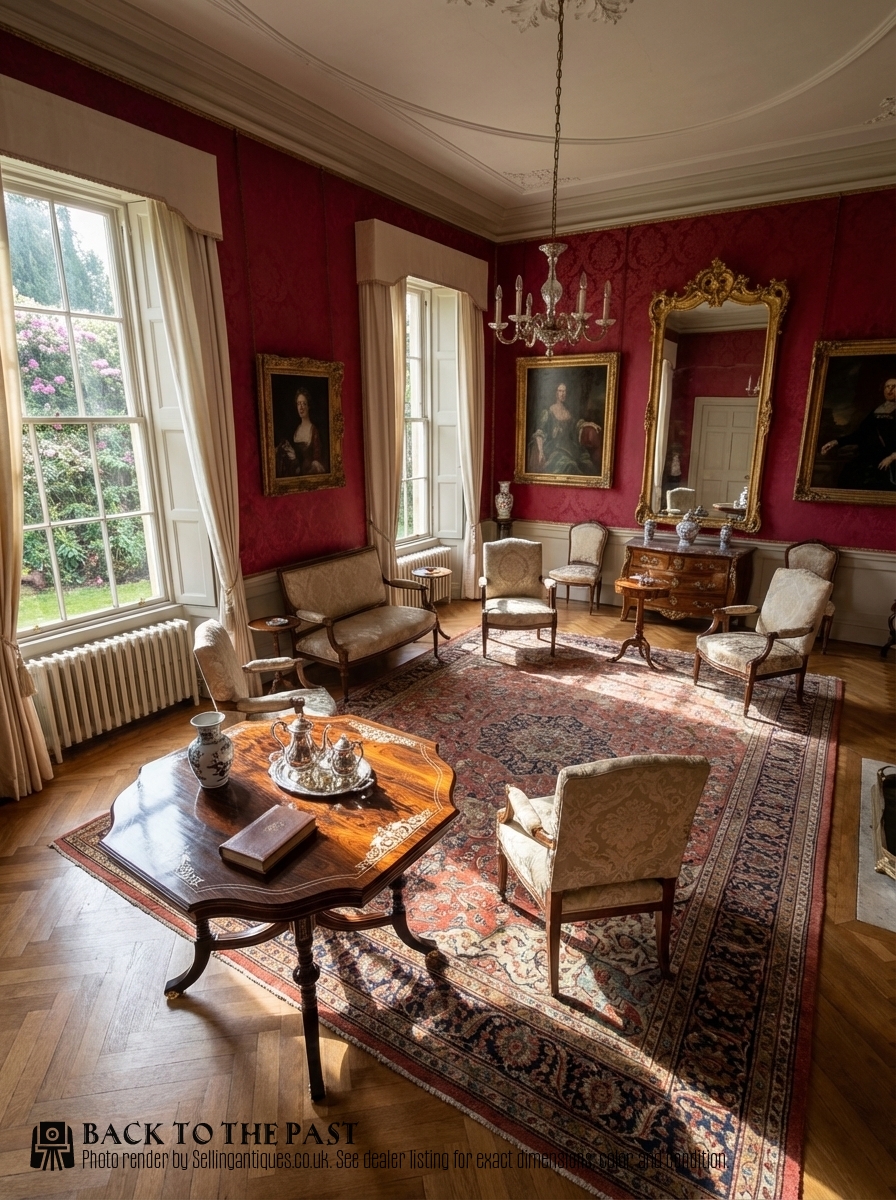
Edwardian Inlay Table
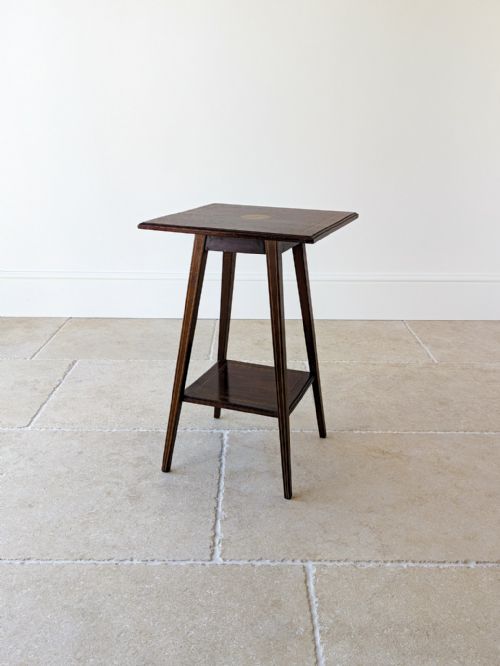
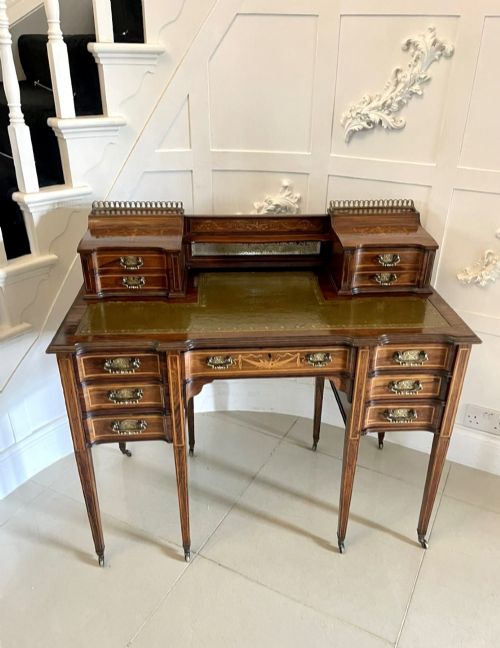
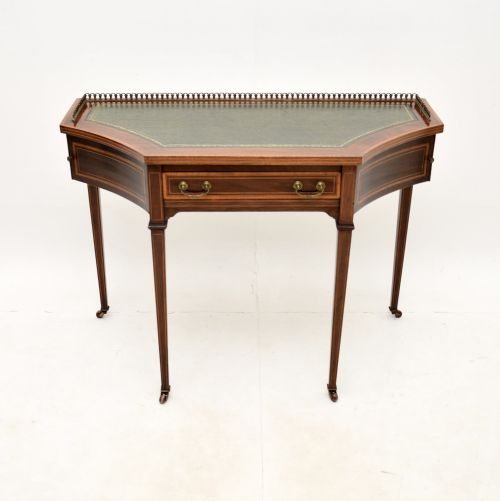
An edwardian inlay table typically appears as an occasional table, side table, or writing desk dating from the early twentieth century or late nineteenth century. These items were designed to serve functional roles in domestic interiors, ranging from lamp display to correspondence.
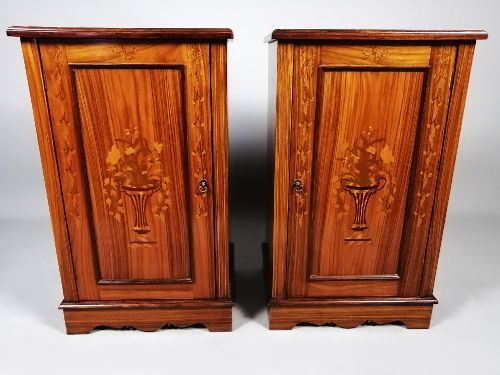
The most common examples on this page are constructed from mahogany and rosewood, frequently enhanced by contrasting light wood banding or decorative motifs. They reflect the continuation of Sheraton Revival tastes alongside Edwardian elegance.
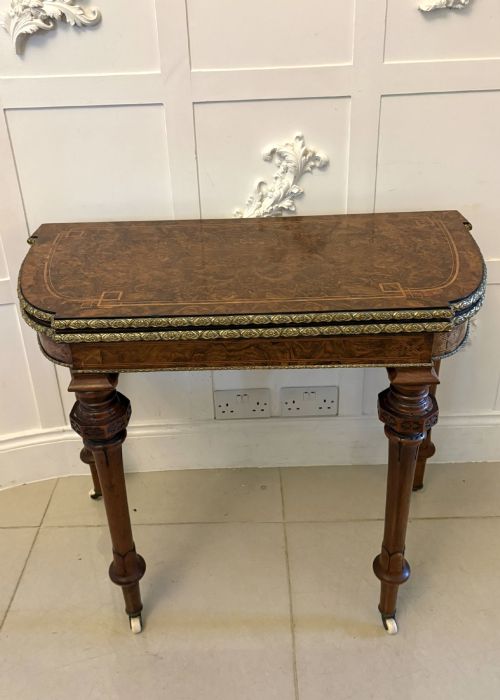
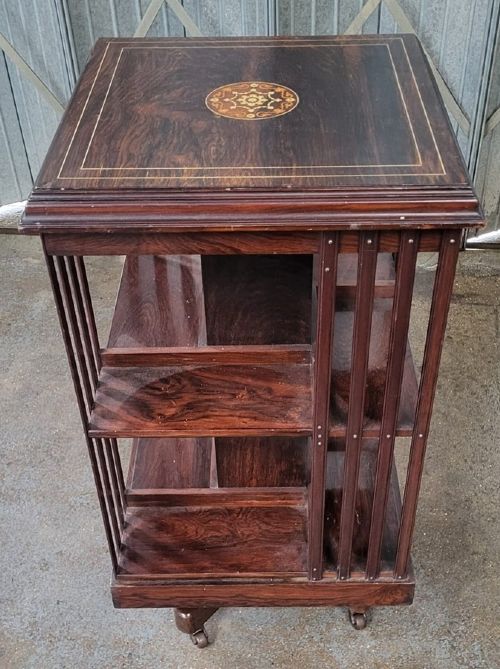
Beyond standard side tables, the selection includes specialised forms such as envelope card tables, nest of tables, and revolving bookcases. Each type demonstrates the period's preference for versatile, space-saving furniture.
Materials and Construction
Makers utilised solid timbers and veneers of mahogany and rosewood as the primary structural bodies, supplemented by brass fittings and leather inserts on writing surfaces. The underlying framework relies on traditional joinery suited to light domestic furniture.
Decoration is achieved through contrasting wood inlay, incorporating satinwood, boxwood, and ebony to create geometric lines, floral motifs, or sunburst patterns. These decorative elements are carefully set flush into the primary timber surface.
Secondary woods provide stability for drawer linings and internal framing, while specialised variations employ walnut, burr walnut, and oak to suit different stylistic movements such as Arts and Crafts.
Some tables transform cleverly, expanding from compact side pieces into full games surfaces or tiered display stands with a gentle twist.
Distinctions in Execution
The standard of an edwardian inlay table is dictated by the precision of the cabinet work and the crispness of the contrasting woodwork. Superior examples exhibit tightly fitted joints and seamless integration of decorative stringing without gaps.
Material selection creates a clear division across pieces, where finely figured flame mahogany or richly grained rosewood paired with intricate satinwood and boxwood banding denotes superior workshop output. Simpler constructions utilise plainer timber bases and minimal linear stringing.
Trevor Page & Co·Edwards & Roberts·Ollivant & Botsford·William Birch·Liberty & Co
The Edwardian Inlay Table Glossary
- Inlay
- A technique where pieces of contrasting wood, shell, or metal are inserted into a recessed surface to form a decorative pattern. This method creates flat ornamentation across table tops and drawer fronts.
- Satinwood
- A durable, lustrous yellow timber utilised extensively for contrasting details and banding. It provides the bright visual element in multi-wood decoration.
- Sheraton Revival
- A decorative style inspired by eighteenth-century neoclassical designs, characterised by slender tapered legs and delicate inlay. It experienced a strong resurgence during the late Victorian and Edwardian periods.
- Boxwood
- A dense, pale wood frequently employed for fine stringing and linear borders. Its uniform pale colour contrasts sharply with darker grounds like mahogany.
- Occasional Table
- A small, movable table designed for specific, intermittent domestic uses such as holding a lamp or books. These pieces form the majority of everyday tables from the period.
Edwardian Inlay Table: Frequently Asked Questions
What woods were used in these tables?
Makers relied heavily on mahogany and rosewood for the main body and surfaces of the furniture. Satinwood, boxwood, and ebony were then added as contrasting elements for decorative banding and motifs.
Secondary timbers like oak and pine appear in internal components such as drawer linings. Occasional pieces also incorporate burr walnut and maple depending on the specific stylistic workshop.
How do I date an Edwardian table?
Dating relies on a combination of stylistic cues, construction methods, and materials typical of the years spanning from the late nineteenth century to the early twentieth century. Pieces often exhibit Sheraton Revival influences, combining lighter proportions with refined stringing.
Makers' marks, brass hardware styles, and documented workshop labels provide further chronological anchors. Most items originate from the period between eighteen-eighty and nineteen-twenty.
How were envelope card tables used?
An envelope card table served as a multifunctional piece of furniture for the Victorian and Edwardian drawing room. The folding top rotated and unfolded into a square surface lined with baize or leather for card games.
When closed, the clever triangular flap mechanism formed a compact table suitable for display or occasional writing. They provided space-saving utility without sacrificing formal appearance.
What is a nest of tables?
A nest of tables consists of a set of graduating smaller tables that slide neatly beneath one another. This format became popular for entertaining, allowing hosts to deploy multiple small surfaces for tea or writing as needed.
Edwardian examples often feature square tapered legs and delicate satinwood cross-banding on the top surfaces. They demonstrate the era's focus on adaptable domestic design.