
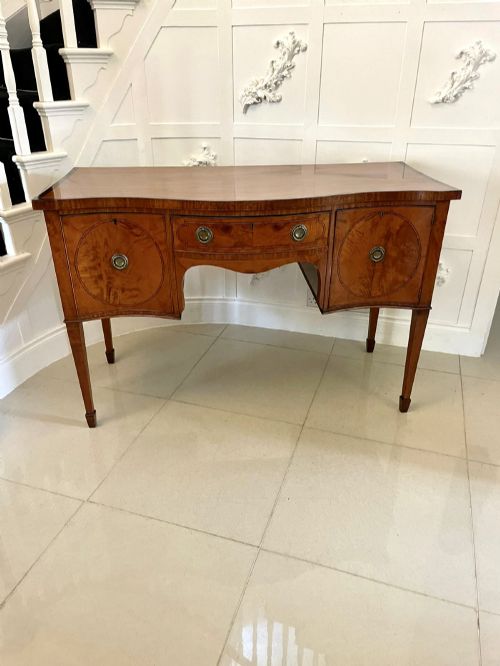
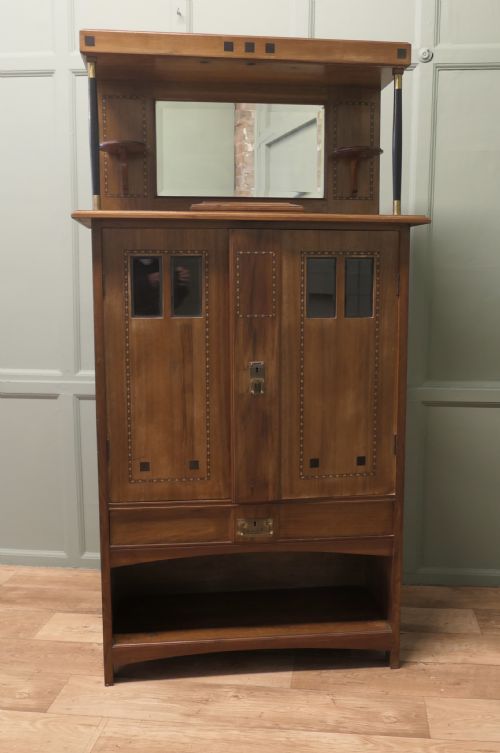
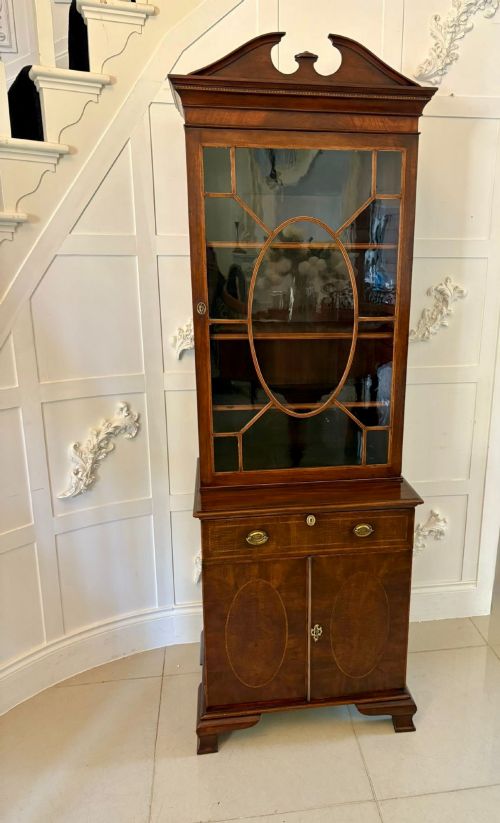
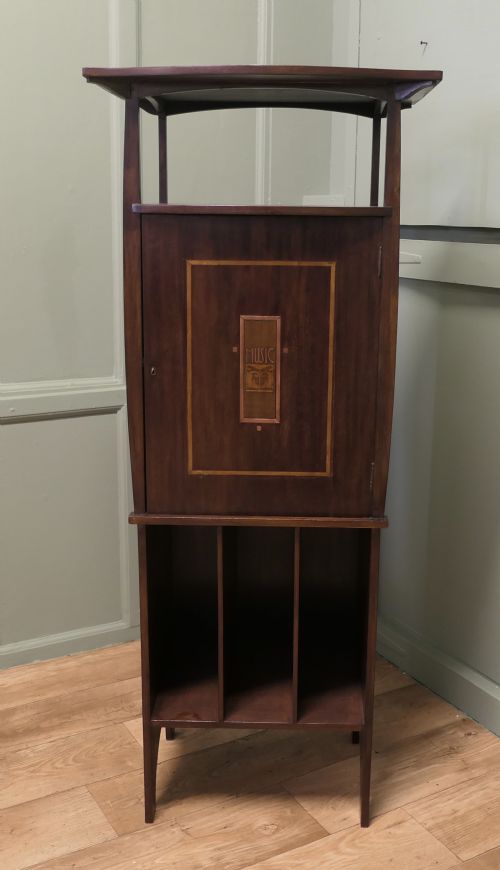
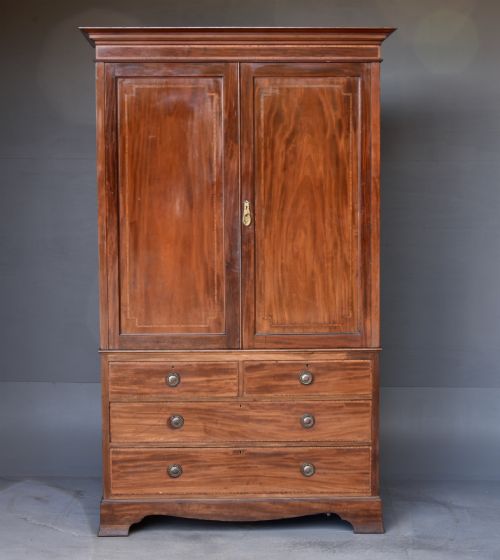
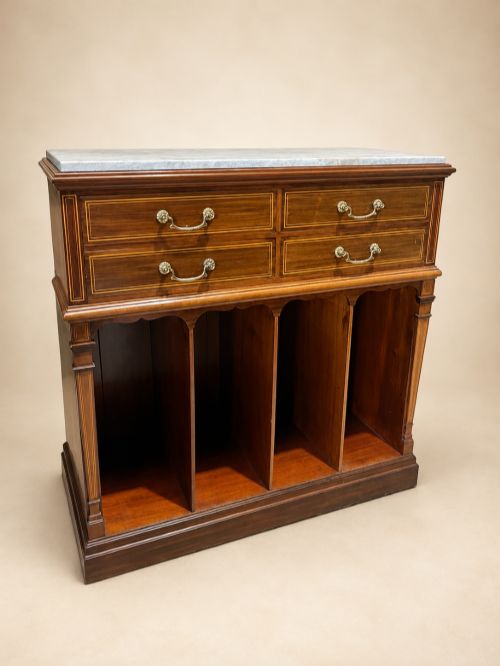
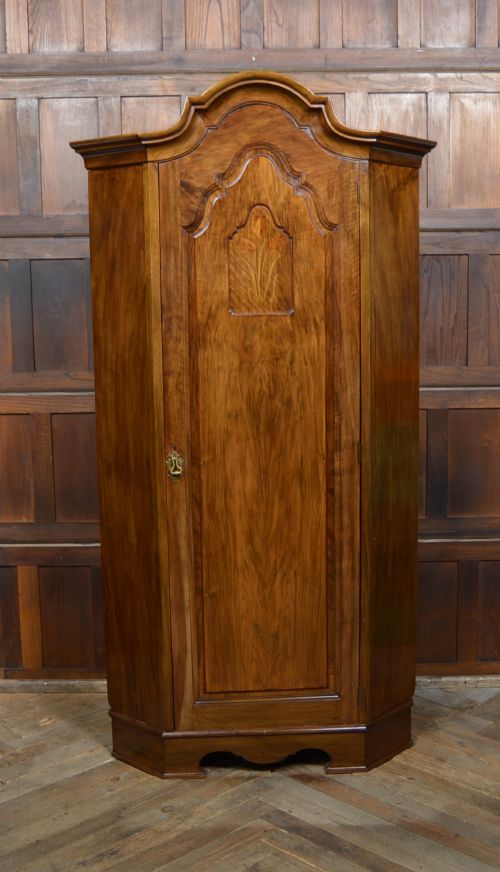
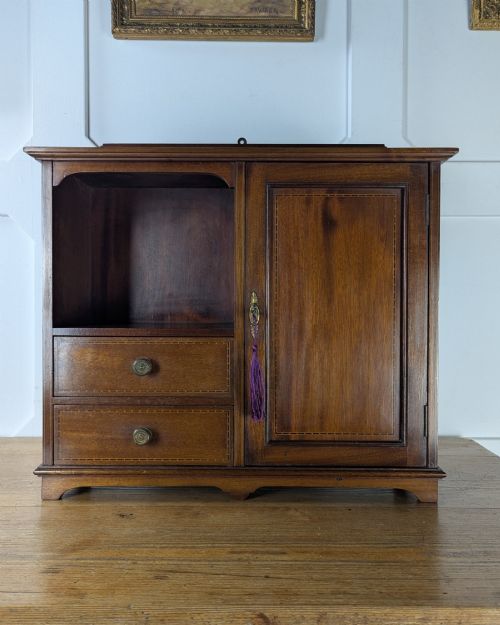

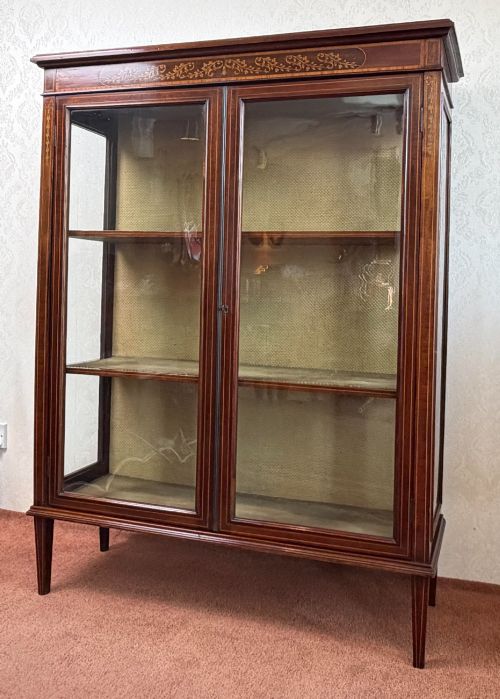

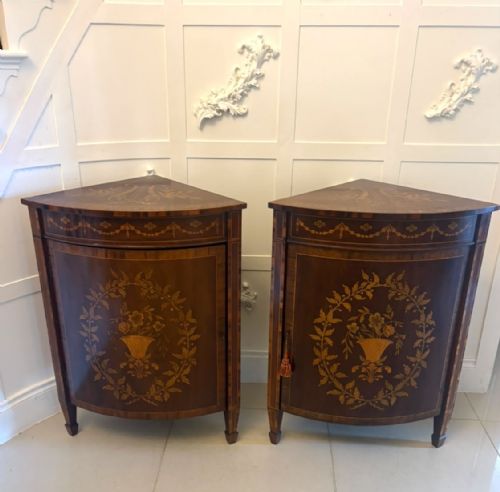
Edwardian Inlaid Storage Cabinet
An edwardian inlaid storage cabinet brings refined timber and delicate marquetry together to anchor a room with period utility.
Edwardian Inlaid Storage Cabinet
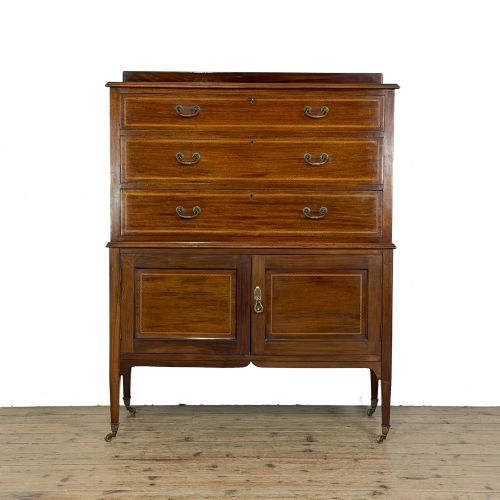
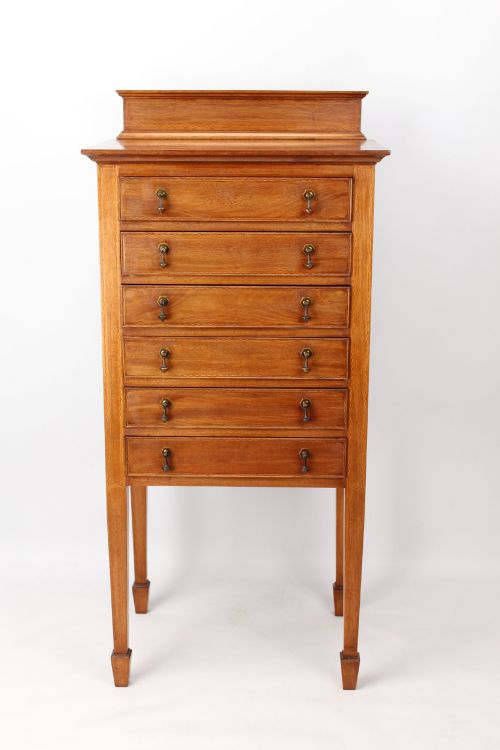
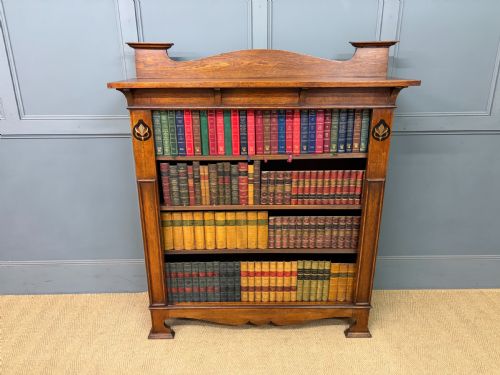
When you search for an edwardian inlaid storage cabinet, you encounter pieces designed for specialised domestic storage alongside broader household furniture. The selections span Edwardian music cabinets, display pieces, bedside units, and tallboys built to organise household goods with decorative elegance.
The pieces most frequently met on this page date from the Edwardian period and the late nineteenth century. Makers of these years drew on earlier Sheraton Revival tastes, applying contrasting stringing and floral motifs to standard timber carcases.
Materials and construction methods
Makers built the carcases of these cabinets in solid mahogany, rosewood, burr walnut, and oak, often applying veneers of satinwood across the primary surfaces. Brass handles, hinges, and glass panels complete the structural vocabulary.
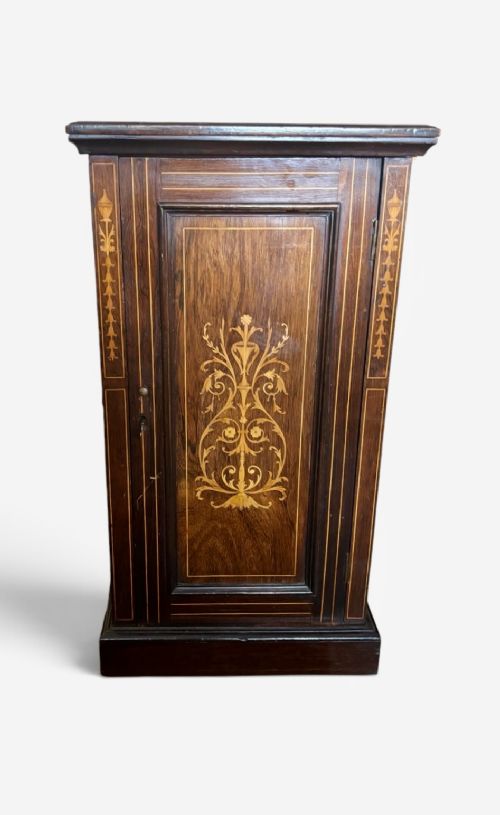
Decoration relied on precision cutting of boxwood and satinwood inlay to form geometric stringing, scrolling foliage, and classical urn motifs. Marquetry panels integrated contrasting timber grains into tabletops and door fronts.
Listings feature mahogany, satinwood, rosewood, burr walnut, and boxwood across Edwardian, Victorian, and Georgian styles.
Distinctions in craftsmanship
The standard of an edwardian inlaid storage cabinet rests on the precision of its marquetry and the choice of primary timber. Finer examples display tight, seamless joins in the satinwood and boxwood inlay without lifting or filler.
Structural integrity separates workshop production from standard commercial output, seen in drawer linings of solid mahogany and well-hung doors that close true. The depth of the timber grain and the crispness of brass hardware further distinguish the upper tier.
GM Elwood for JS Henry·maples & co·Druce & Co·Waring & Gillow·Whytock & Reid of Edinburgh
The Edwardian Inlaid Storage Cabinet Glossary
- Inlay
- A technique where contrasting woods or metals are fitted into recesses flush with the surrounding surface. This creates flat, decorative patterns across cabinet doors and drawer fronts.
- Marquetry
- The art of forming decorative veneers from various tinted woods, arranged to create pictorial or symmetrical designs. It appears extensively on top-tier Edwardian and Victorian case pieces.
- Satinwood
- A lustrous, yellow-hued timber prized for its fine grain and reflective quality. It served frequently as a primary veneer or contrasting inlay material.
- Stringing
- Thin lines of contrasting timber inlaid into grooves around cabinet edges or drawer perimeters. It provides subtle geometric framing to the main panel.
- Tallboy
- A tall storage piece combining a chest of drawers with an upper cupboard or additional drawer tiers. They maximise vertical storage capacity in bedrooms.
Edwardian Inlaid Storage Cabinet: Frequently Asked Questions
What were these cabinets used for?
These cabinets served specific domestic functions, from holding sheet music and folios to displaying porcelain and storing household linen.
Their varied internal configurations reflect the orderly domestic habits of the early twentieth century and the late Victorian household.
How do I identify an Edwardian piece?
Edwardian cabinets typically display lighter timbers, restrained neoclassical motifs, and Sheraton Revival proportions compared to heavier Victorian furniture.
The use of satinwood veneer and delicate boxwood stringing points directly to this lighter turn of the century aesthetic.
Where should I place one?
Compact storage pieces fit well in hallways, living rooms, and bedrooms where floor space is at a premium yet surface character is desired.
Display cabinets suit corners or alcoves, while music cabinets and bedside units function neatly beside seating or beds.
How do I care for inlaid wood?
Keep inlaid timber furniture away from direct sunlight and steady heat sources to prevent the delicate veneers and stringing from drying out.
Apply a light, quality beeswax periodically to nourish the polished mahogany and satinwood surfaces without building up residue.