

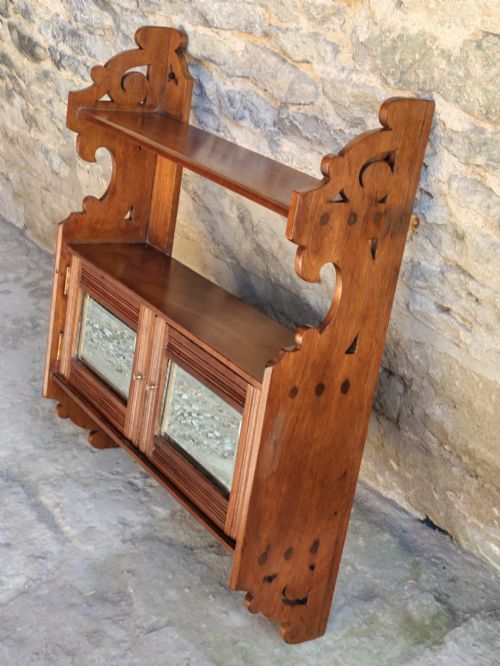


Edwardian Hanging Cabinet
An edwardian hanging cabinet brings compact wall storage and display to domestic spaces, combining timber warmth with period glass.
Edwardian hanging cabinet forms and periods
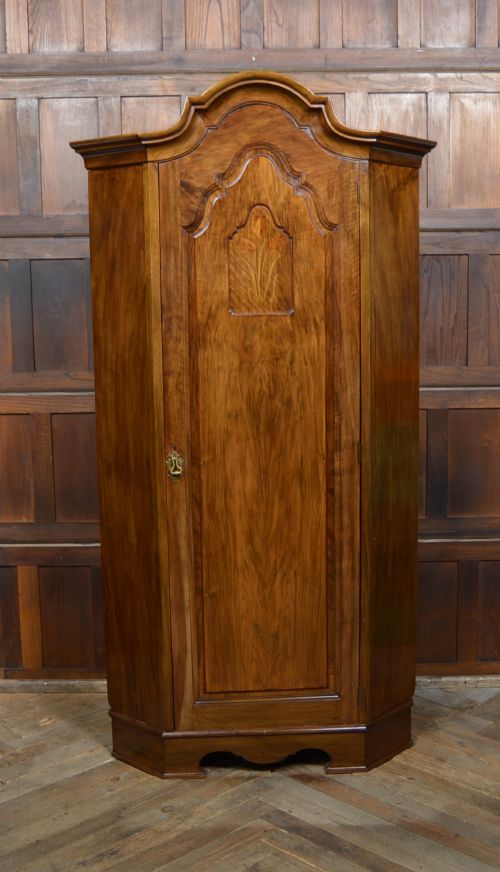
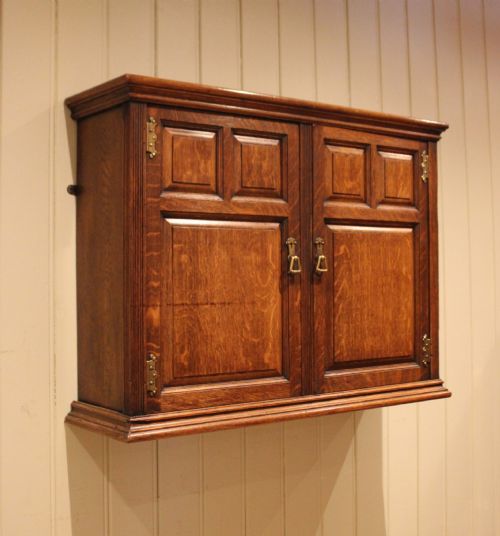
The edwardian hanging cabinet category centres primarily on pieces originating from the Edwardian period, supplemented by occasional Victorian examples. Buyers encounter wall-mounted formats designed to maximise floor space, including corner cupboards, flat wall cabinets, and display units.
Most examples appear in timber with glazed doors, frequently housing shelves for display or smaller domestic items. Corner placements prove particularly common, utilising domestic angles with small cupboards and corner cabinets.
Materials and construction
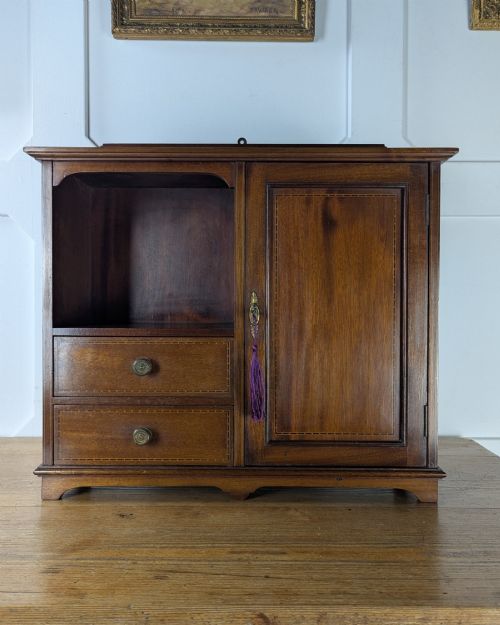
Makers utilised mahogany as the primary timber, alongside American walnut, oak, and rosewood. Satinwood inlay frequently decorates the surfaces, adding tonal contrast through decorative banding and stringing.
Retail Price Guide 2026
Typical UK retail prices for edwardian hanging cabinet, calculated from the Sellingantiques database of over a million retail prices indexed since 2003. This retail price guide relies exclusively on Sellingantiques data; no external sources or auction records are used, so the figures do not describe the wider market.
The records show pieces built in mahogany, oak, walnut, and rosewood, often featuring satinwood inlay and brass hardware.
Qualities of execution
The standard of an edwardian hanging cabinet rests on the precision of its timber selection and inlay work. Finer examples display carefully matched mahogany grain and crisp satinwood stringing rather than printed or painted substitutes.
Hardware integrity also separates standard utility pieces from more ambitious workshops. Original brass hinges, intact glazing bars, and functioning locks with keys indicate superior original manufacture.
Shapland & Petter
The Edwardian Hanging Cabinet Glossary
- Astral glazing
- Wooden bars dividing glass panes within a door. This technique creates geometric patterns common in display furniture.
- Satinwood inlay
- Contrasting light timber insertions set into a darker ground. Artisans use this method to create fine borders and motifs.
- Corner cupboard
- A triangular storage unit designed to fit room angles. These pieces make efficient use of difficult domestic space.
- Escutcheon
- A protective metal plate surrounding a keyhole. Brass examples often accent the door timber.
Frequently Asked Questions
Where were these cabinets placed?
These cabinets were designed to hang securely on walls, freeing up valuable floor space in smaller rooms. Corner versions utilised awkward angles, while flat wall formats sat easily above tables or sideboards.
Domestic interiors used them in hallways, parlours, and bedrooms for storage or display.
How do I hang a heavy cabinet?
Wall mounting requires locating proper wall studs or using suitable masonry fixings to support the timber weight safely. Period pieces often feature original hanging brackets or plates screwed directly into the back frame.
Ensure the fixings match the wall type before placing any heavy items inside the shelves.
What is astral glazing?
Astral glazing refers to the delicate wooden framework that holds individual small panes of glass within a cabinet door. This method creates a grid pattern, allowing visibility while maintaining structural integrity.
It differentiates glazed display doors from simple large single-pane glass.
How do I care for the timber?
Keep wooden cabinets away from direct sunlight and extreme heat sources to prevent the mahogany or walnut from drying out and cracking. Dust regularly with a dry cloth and apply a quality wax occasionally to nourish the polished surface.
Avoid liquid cleaning products that might damage the antique finish or the satinwood inlay.