

Edwardian Hall Stick Stand
An edwardian hall stick stand brings practical elegance to an entranceway through period craftsmanship in oak, brass, and cast iron.
Edwardian Hall Stick Stand
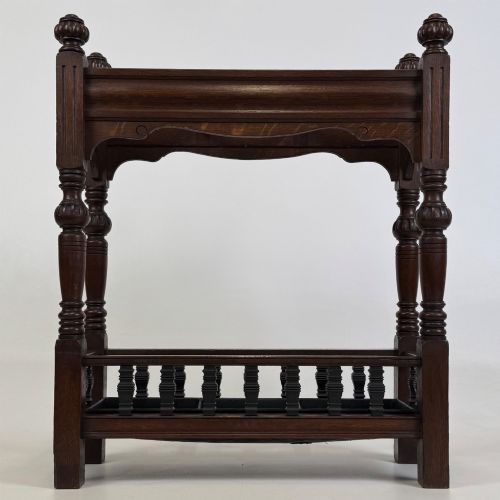
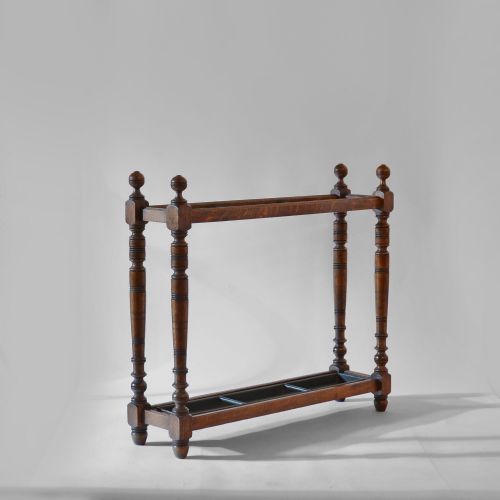
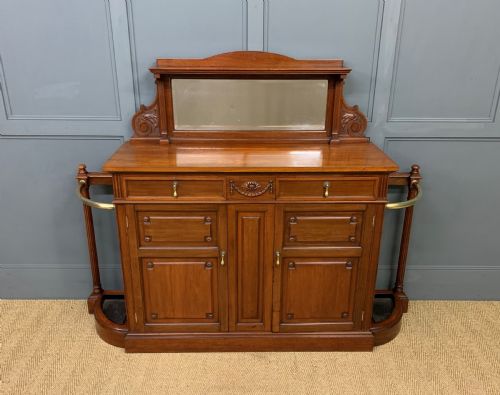
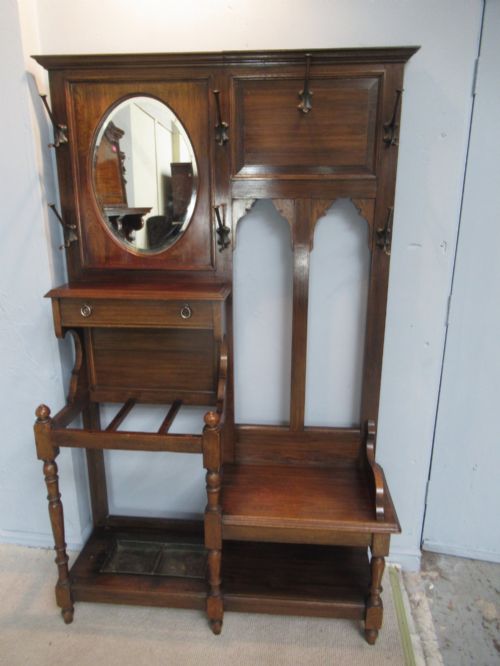
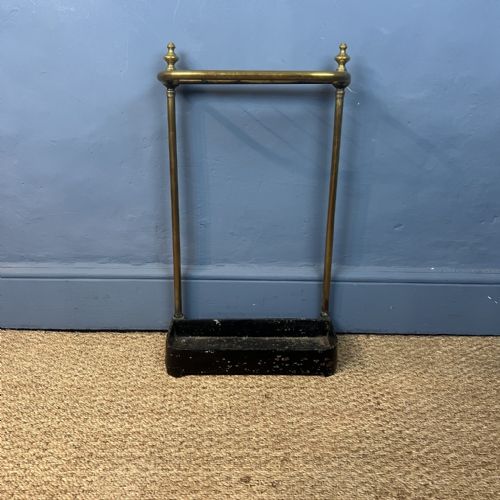
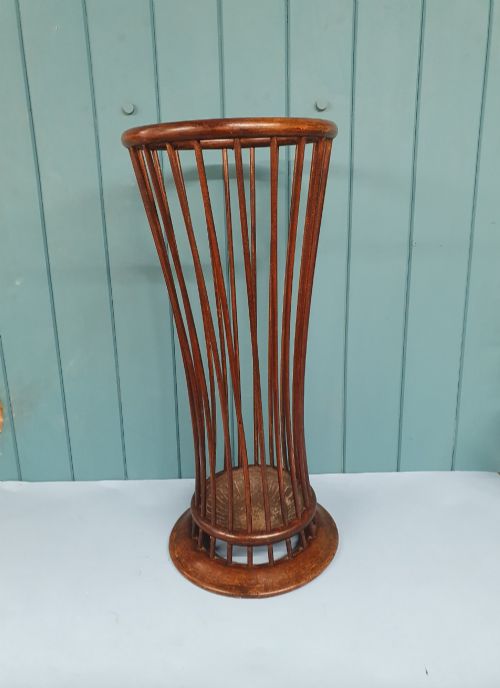
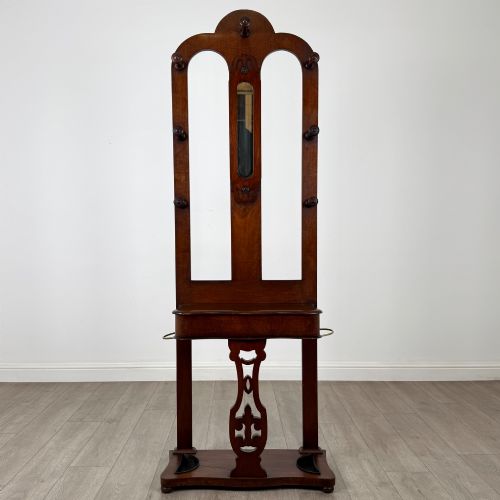
An edwardian hall stick stand serves as a dedicated entranceway receptacle for walking canes, umbrellas, and parasols. These pieces frequently manifest as standalone racks or form part of larger hall furniture combining hooks, mirrors, and seats.
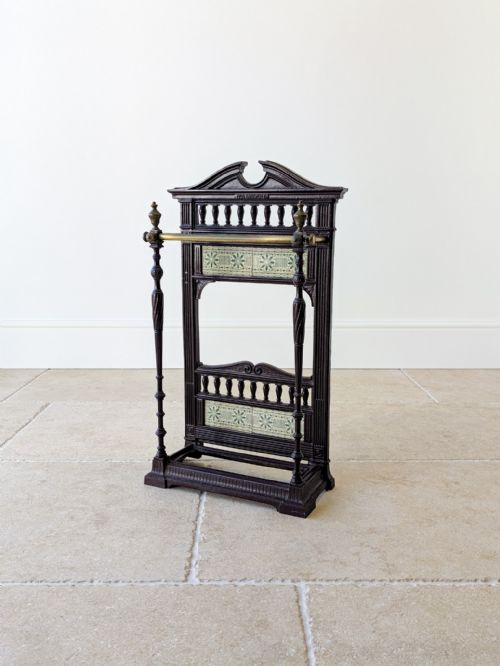
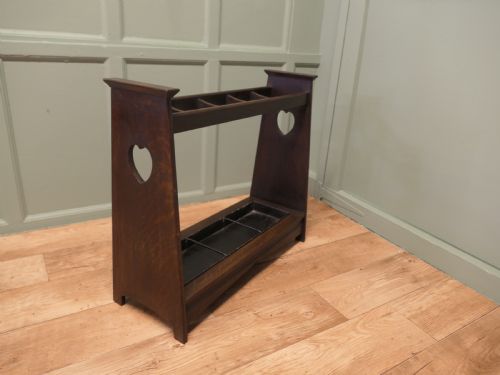
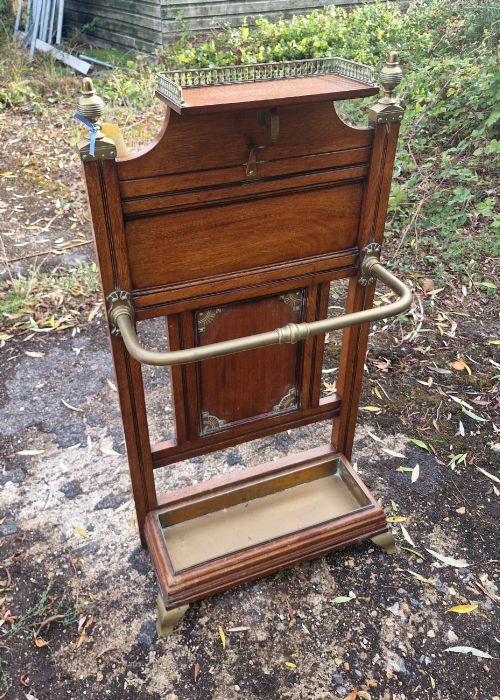
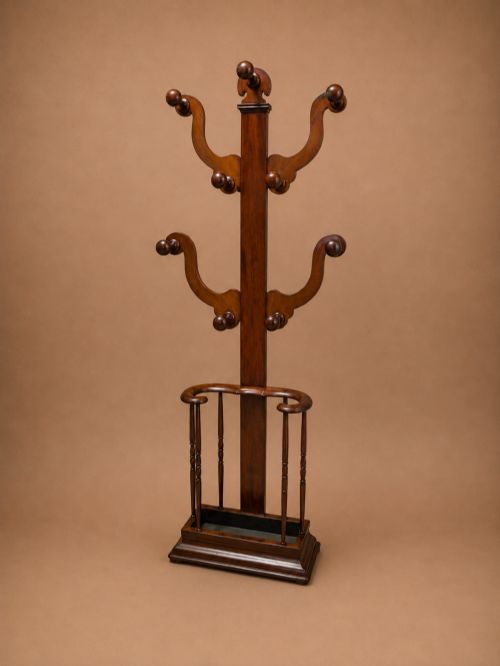
The objects appearing on this page span the late Victorian, Edwardian, and Arts and Crafts eras, utilising timber frames or metal castings to organise hallway foot traffic. Oak and mahogany predominate alongside bentwood and brass assemblies.
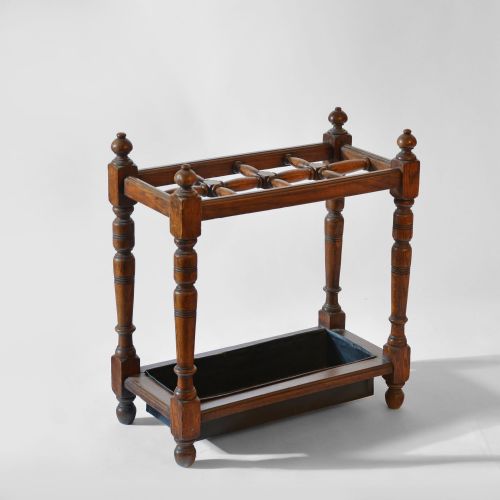
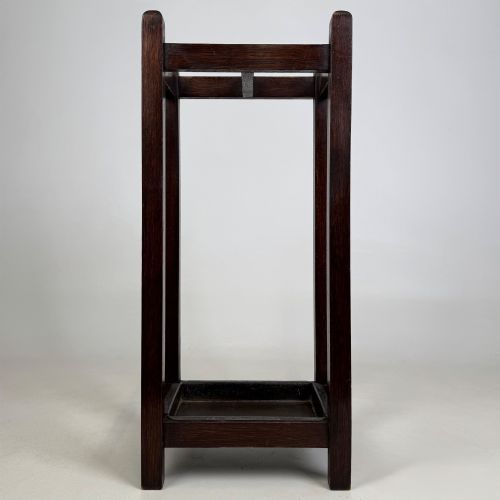
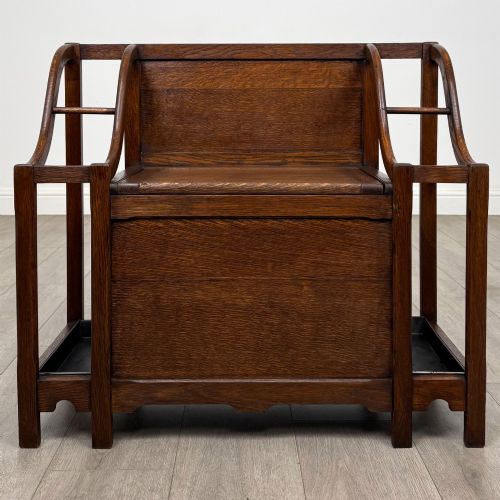
Buyers most commonly encounter timber frameworks featuring dedicated divisions and removable metal drip trays to catch rainwater. Compact demi-lune configurations and revolving models also appear regularly within domestic British interiors.
Materials and Construction
Makers constructed these stands using solid oak, walnut, and mahogany, frequently pairing timber bodies with cast iron or brass fittings. Bentwood techniques allowed for curved components in beech frames, while copper and brass panels added decorative contrast.
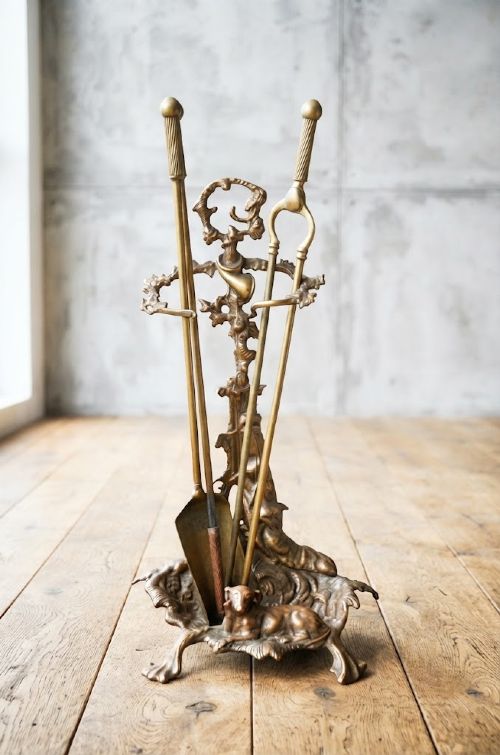
Cast iron examples utilised detailed moulds to produce scrolling floral patterns and heavy supporting bases, often attributed to notable foundries. Removable zinc or iron drip trays protected internal wooden bases from water damage.
Joinery techniques relied on sturdy dowels, tenons, and structural screws to withstand daily household use. Carved details, mirror panels, and metal hardware completed the assembly of combined coat and stick furniture.
Listings feature oak, walnut, mahogany, and pitch pine alongside brass and cast iron components.
Evaluating Execution
Quality rests upon the weight and integrity of the materials, separating robust cast iron and solid quarter-sawn oak from lighter veneered alternatives. Superior pieces maintain structural rigidity without relying on excessive secondary bracing.
The presence of original drip trays and matching hardware elevates a piece's integrity. Intricate hand-carved motifs and refined metalwork distinguish standard utility items from sophisticated studio productions.
Coalbrookdale·Shoolbred and Co·Heals of London·J Parker of Woodstock·John Collard Vickery
The Edwardian Hall Stick Stand Glossary
- Demi-lune
- A half-moon shape used for hall furniture designed to sit flat against an entryway wall. This profile allows narrow stands to occupy tight spaces.
- Drip tray
- A removable metal basin positioned at the base of a rack to catch moisture from wet umbrellas. These liners protect flooring and timber frames.
- Bentwood
- Wood softened through steaming and bent into curved structural forms. It appears frequently in lighter Edwardian hall furniture.
- Arts and Crafts
- A design movement prioritising simple forms, visible construction, and honest materials. Pieces from this style often feature exposed grain and hammered metal accents.
- Aesthetic Movement
- A late nineteenth-century design current promoting beauty as the primary objective in home furnishings. It embraced eclectic decorative details and dark woods.
Edwardian Hall Stick Stand: Frequently Asked Questions
What is an edwardian hall stick stand?
An edwardian hall stick stand is a domestic furnishing designed to hold walking sticks, umbrellas, and canes in a home entranceway. These pieces keep entryways organised by containing wet or cumbersome items in dedicated slots.
They range from compact floor racks to expansive hall furniture incorporating mirrors and coat hooks. Oak and brass are the materials most frequently encountered in these domestic items.
How do I maintain the metal drip tray?
Metal drip trays should be emptied and dried regularly to prevent moisture accumulation and corrosion inside the wooden base. Keeping the liner clean preserves the structural timber surrounding the floor contact point.
Apply a light coat of protective wax to metal surfaces if necessary, avoiding harsh chemical cleaners that might strip historic patination.
Where should I place a stand in my hallway?
Place the stand near the primary entrance door where wet weather accessories are shed upon entering the house. Demi-lune models work particularly well against narrow walls in restricted hallways.
Ensure adequate clearance around the piece so that umbrellas and walking sticks can be retrieved without obstruction.
How do I identify Arts and Crafts influence?
Arts and Crafts examples display plain timber surfaces, exposed construction details, and hand-beaten copper or brass elements. These pieces reject excessive machine ornamentation in favour of honest utility.
Look for sturdy quarter-sawn oak construction and simple geometric divisions that highlight the natural grain of the wood.