


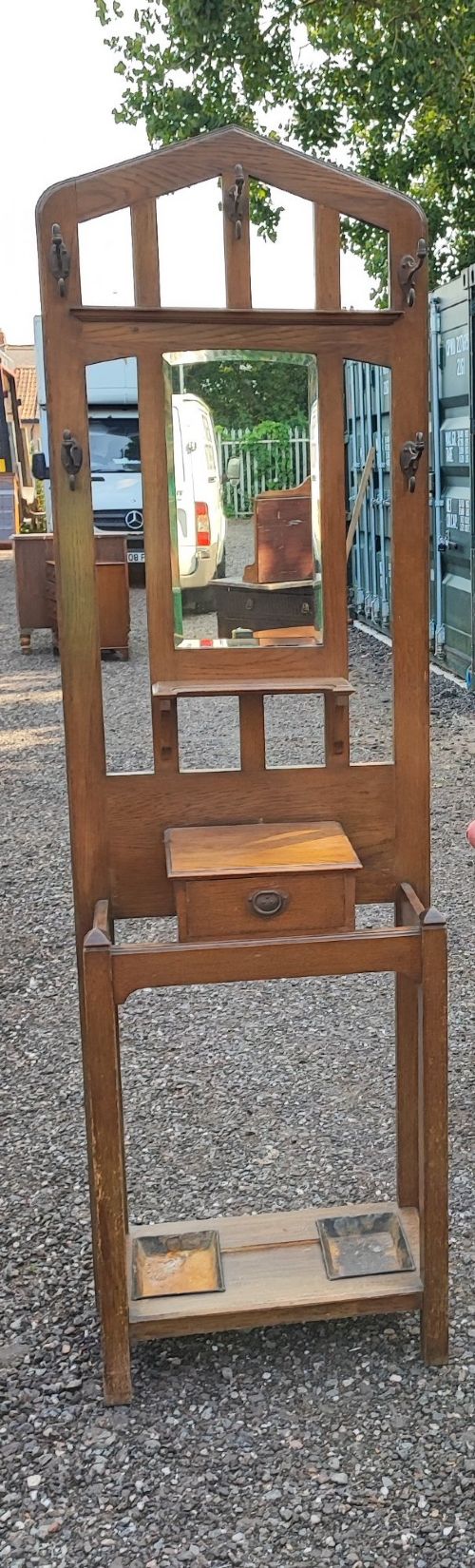
Arts and Crafts Hall Furniture
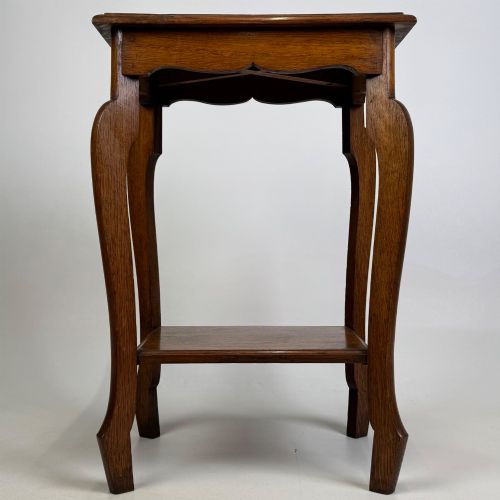
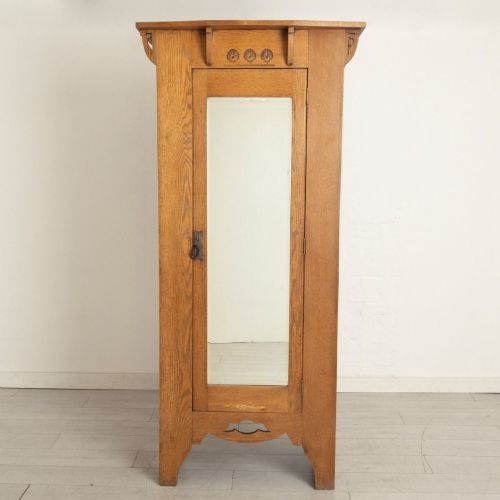
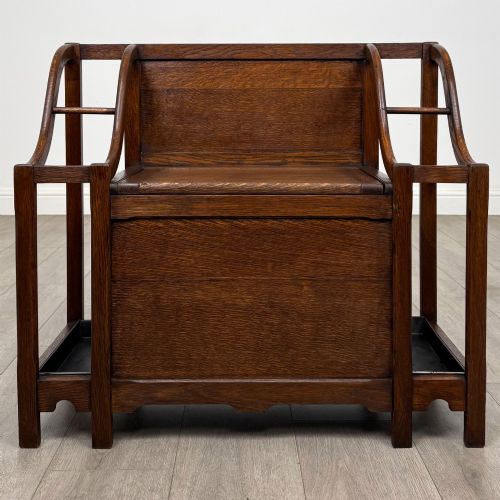
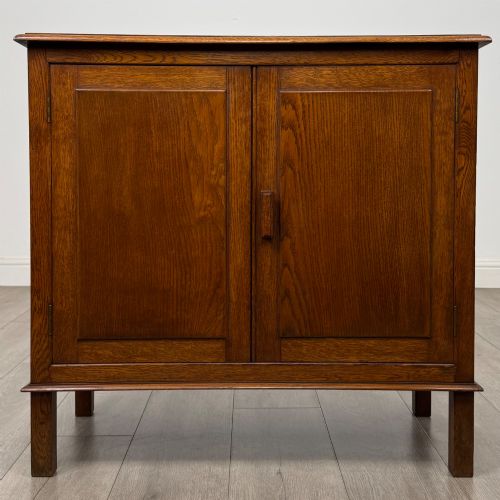
Arts and crafts hall furniture comprises sturdy oak benches, umbrella stands and coat racks designed with functional honesty.
Arts and Crafts Hall Furniture
When you search for arts and crafts hall furniture, you encounter pieces designed to furnish entranceways with practical utility and restrained ornament. These items date from periods spanning the late nineteenth century through to the nineteen twenties, capturing a distinct movement in British design.
Makers and retailers of the period, including Liberty, Heals, and James Shoolbred, shaped the domestic interior by producing hall seats and side tables that prioritised visible construction and honest materials over excessive carving.
Materials and Construction
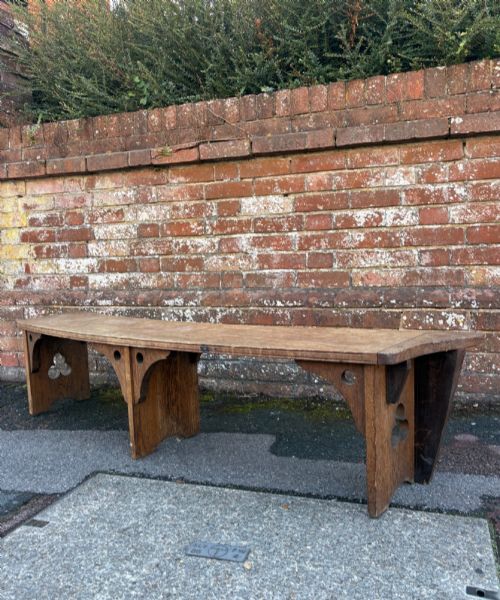
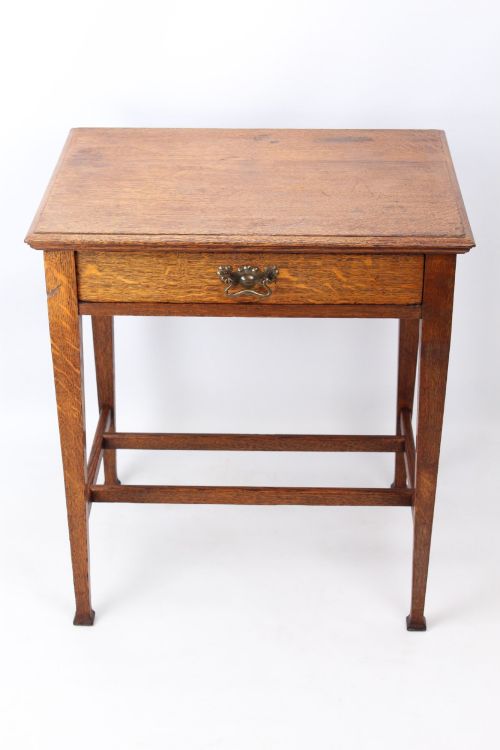
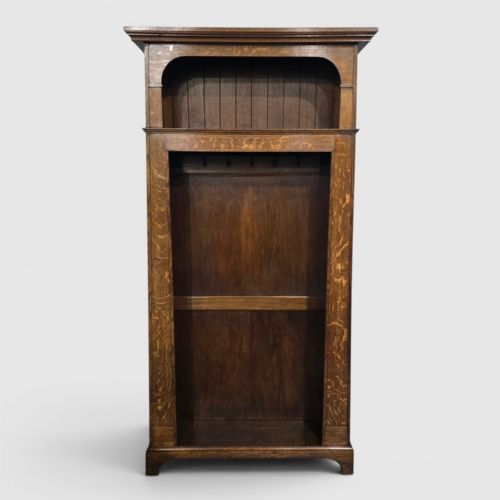
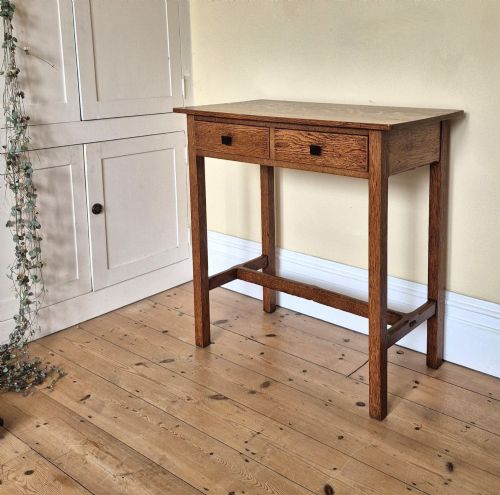
The predominant material across these pieces is solid oak, often selected for its grain and durability in high-traffic entrance areas, occasionally accompanied by mahogany, beech, or metal hardware in brass and iron. Construction techniques rely on visible joinery, pegged tenons, and structural framing that display the hand of the maker.
Surface treatments generally include waxed or polished finishes that protect the timber while revealing its natural figure, occasionally complemented by carved details, trefoil supports, or inset ceramic tiles and marble tops.
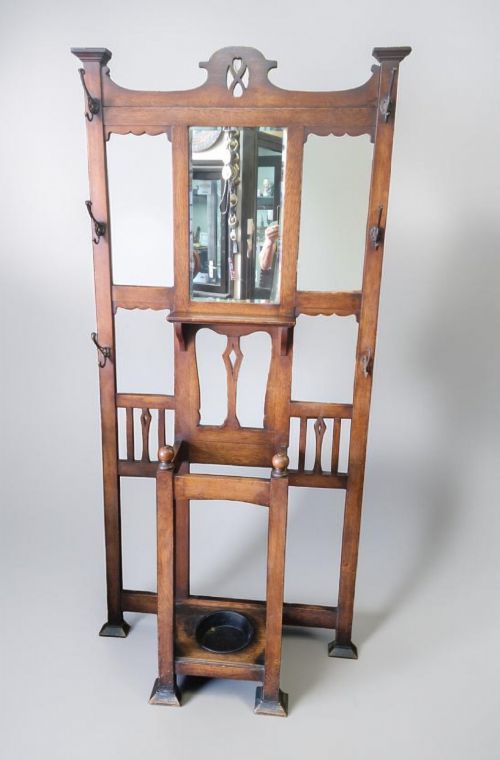
Hardware such as coat hooks, drip trays, and mirror frames integrate functional brass and ironwork, securing utility directly to the structural wooden body.
The listings span the Victorian, Edwardian, and nineteen twenties periods, with oak appearing as the dominant material throughout.
Distinctions in Quality
Quality in these items rests upon the integrity of the timber selection and the precision of the joinery rather than superfluous decoration. Pieces retaining their original brass hooks, drip pans, and glass mirrors demonstrate higher integrity than those modified or stripped of hardware.
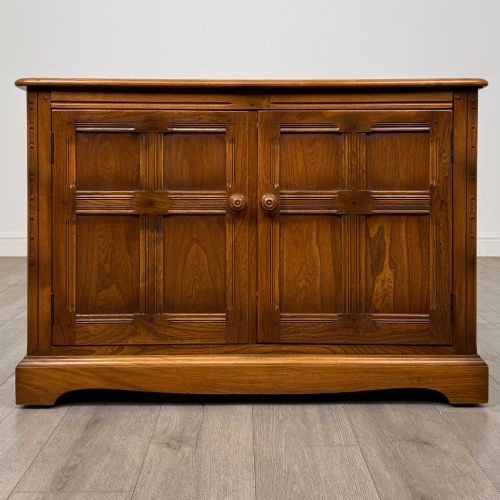
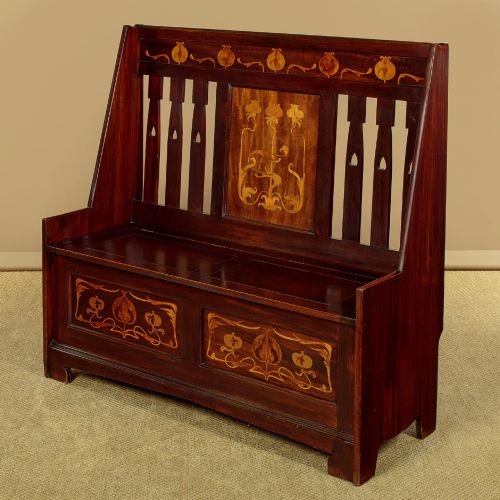
Attribution to documented makers or workshops elevates a piece, as does the complexity of the form, moving from simple utilitarian umbrella stands to architectural hall seats with integrated storage cupboards and carved supports.
James Shoolbred and Co·Hubert Simpson of Kendal·Heals of London·Liberty and Co·Shapland and Petter·Wylie Lockhead·GW Evans London
The Arts and Crafts Hall Furniture Glossary
- Settle
- A wooden bench with high back and solid arms, often featuring box storage beneath the seat. These served to block cold draughts in entrance halls.
- Hall stand
- A tall piece combining coat hooks, a mirror, and a base for umbrellas and walking sticks. They organise the domestic threshold.
- Trefoil
- A three-lobed decorative carving resembling clover leaves. This motif appears frequently in Gothic Revival joinery.
- Golden oak
- A warm, honey-toned timber finish applied to oak furniture during the Edwardian period. It highlights the medullary rays in quarter-sawn boards.
Arts and Crafts Hall Furniture: Frequently Asked Questions
What defines arts and crafts hall furniture?
These pieces combine straightforward utility with construction methods that celebrate honest materials. You will find exposed joints, solid oak construction, and practical forms built for everyday use.
Items range from simple umbrella stands to large hall seats with built-in cupboards and coat hooks, originating primarily from the late Victorian and Edwardian eras.
How do I identify a Liberty piece?
Look for distinct structural lines, characteristic hardware, and occasionally paper labels or stamps associated with the retailer. Their designs often emphasise simplicity and quality timber.
Many pieces attributed to this firm also share stylistic traits with items produced by contemporary workshops active around nineteen hundred.
Where were stick stands placed?
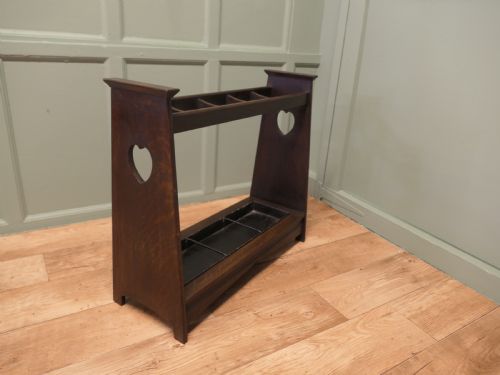
Umbrella and stick stands sat immediately inside the front door to catch rainwater and mud from walking canes. Metal drip trays at the base protected the wooden framing.
They formed an essential part of the entrance hall layout alongside coat racks and hall benches.
How do I care for golden oak?
Maintain the timber by applying appropriate wax polish sparingly to nourish the grain. Avoid placing pieces near direct heat sources that might dry out the wood.
Keep brass hardware clean using non-abrasive cloths to preserve the finish without damaging surrounding timber.