

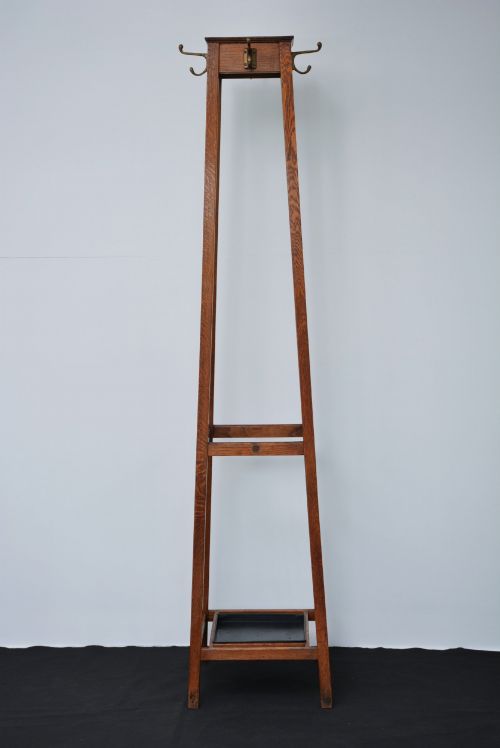


Solid Oak Umbrella Stand
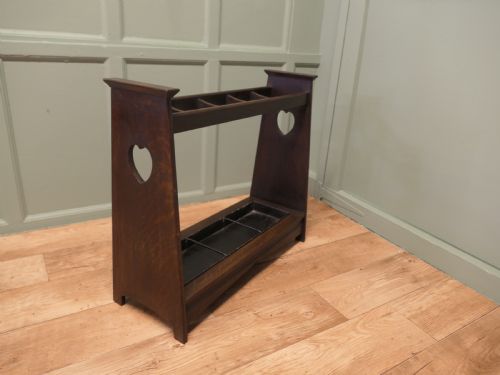
A solid oak umbrella stand brings robust utility to an entranceway, combining heavy timber construction with practical metal drip trays.
Solid Oak Umbrella Stand
A solid oak umbrella stand is a piece of entrance hall furniture designed to hold wet walking sticks and umbrellas. These items typically combine heavy timber uprights with metal liners to catch water.
The versions most commonly found here originate from the Victorian era through the early twentieth century. Many adopt the distinctive geometric lines and honesty of material associated with the Arts and Crafts movement.
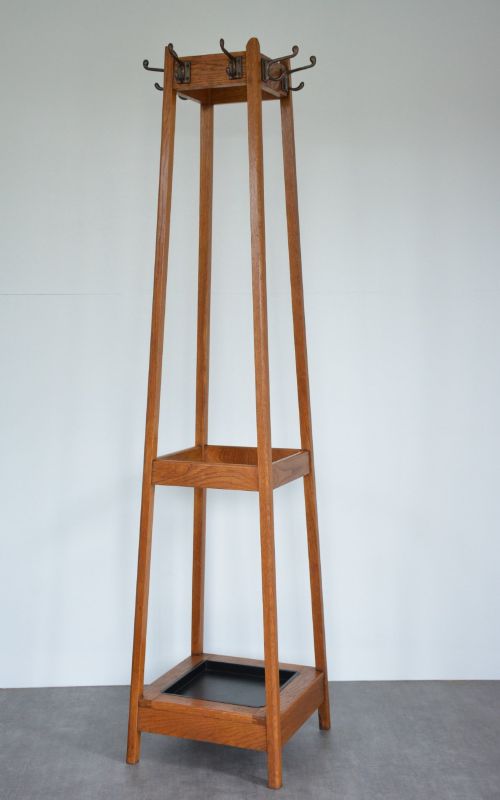
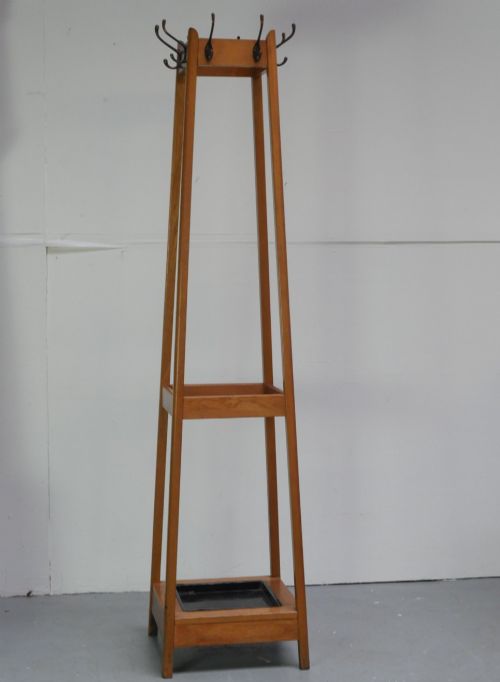
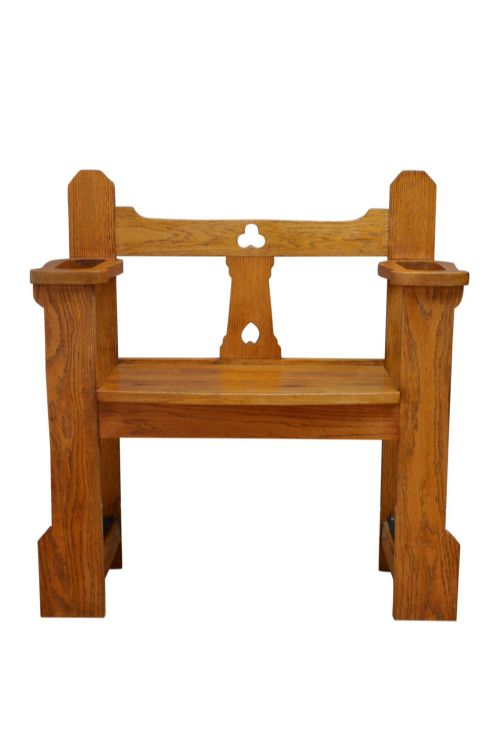
Beyond standalone stick holders, the category encompasses larger hall stands, coat stands and hall seats incorporating umbrella sections. These multipurpose pieces reflect the needs of period reception halls.
How they were made
Makers utilised solid oak, selected for its density and durability, to build the heavy frames required to support wet wooden sticks and heavy metal fittings. Joinery was built to withstand daily use in busy entranceways.
Metal components such as brass, iron and copper form an integral part of the construction, appearing as drip trays at the base or mounting rails and hooks for hats and coats. Glass mirrors and tiled backs occasionally feature in the larger hall furniture variants.
One notable Victorian stand includes canted corners, ensuring fewer bruised shins for family members rushing for the front door.
What varies in quality
Quality in a solid oak umbrella stand rests on the substance of the timber and the integrity of the hardware. Pieces featuring heavy, solid construction and substantial brass or copper drip trays sit at the upper end of the range.
Design ambition separates standard utility items from better examples. Pieces bearing the thoughtful joinery and stylistic hallmarks of the Arts and Crafts movement or specific makers show superior design over plain utilitarian hall furniture.
Astrola·Liberty Design
The Solid Oak Umbrella Stand Glossary
- Arts and Crafts
- A design movement prioritising traditional craftsmanship, visible construction and simple forms over mass-produced ornamentation. It heavily influences many of the oak stands from this period.
- Drip tray
- A removable metal basin placed at the bottom of a stand to catch water from wet umbrellas. These are frequently fashioned from brass, copper or iron.
- Hall stand
- A larger piece of entrance furniture combining an umbrella stand with coat hooks, a mirror and sometimes a bench seat. They dominated Victorian and Edwardian hallways.
- Stick stand
- A piece designed specifically for walking sticks and canes, sharing the same form and function as an umbrella holder. The terms are often used interchangeably in period listings.
Solid Oak Umbrella Stand: Frequently Asked Questions
How do I clean a solid oak umbrella stand?
Wipe the wooden surfaces with a dry or barely damp cloth, avoiding excess moisture that could damage the timber. Periodically nourish the oak with a suitable wax to maintain the finish.
Ensure metal drip trays are regularly emptied and dried to prevent corrosion from accumulated rainwater.
What is the difference between a stick stand and an umbrella stand?
Historically, stick stands were built narrower to accommodate walking canes, while umbrella stands provided slightly wider apertures. In practice, makers designed most pieces to handle both.
Listings frequently group these terms together because the physical form and internal divisions suit both items.
How do I spot an Arts and Crafts umbrella stand?
Look for unpretentious construction, exposed tenon joints and a focus on the natural grain of the solid oak. These pieces often feature hand-hammered copper or brass details.
They tend to avoid heavy Victorian machine carving in favour of clean architectural lines.
Are these stands suitable for modern hallways?
Solid oak stands provide functional storage for modern entryways while adding period character. Their compact footprint suits narrow spaces.
Because they incorporate metal drip trays, they safely contain wet modern umbrellas just as they did historical ones.