
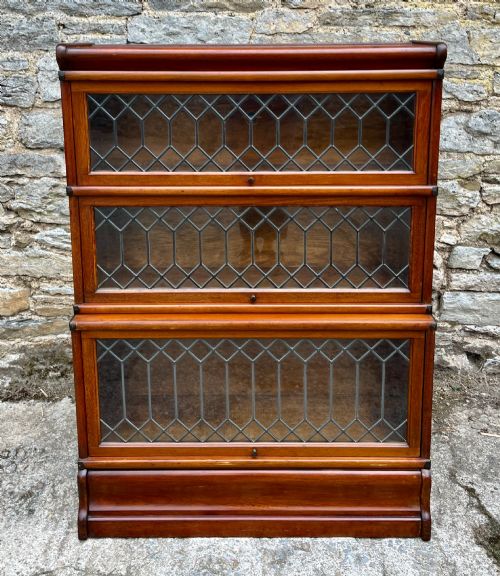
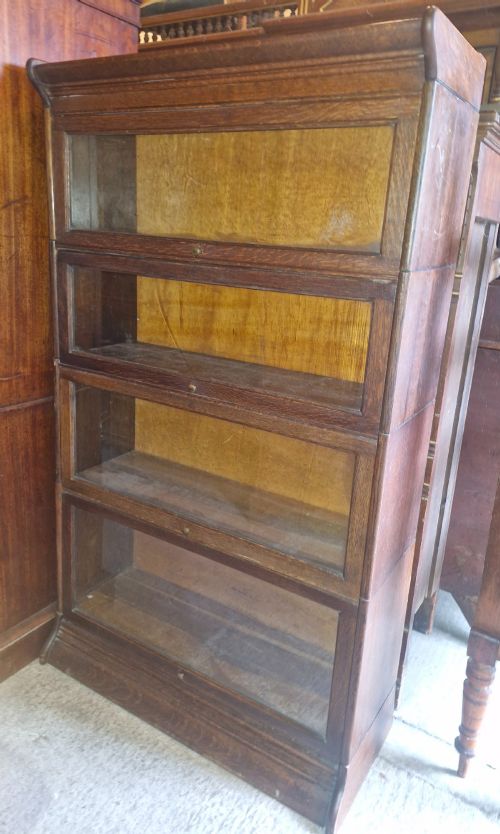
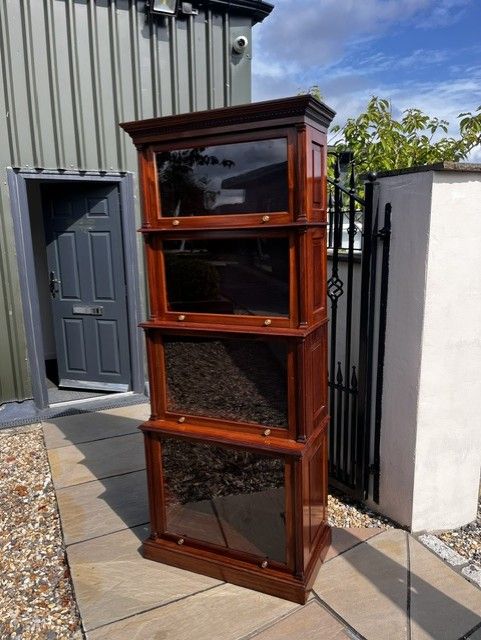
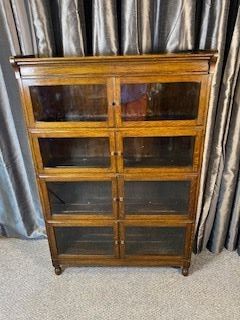
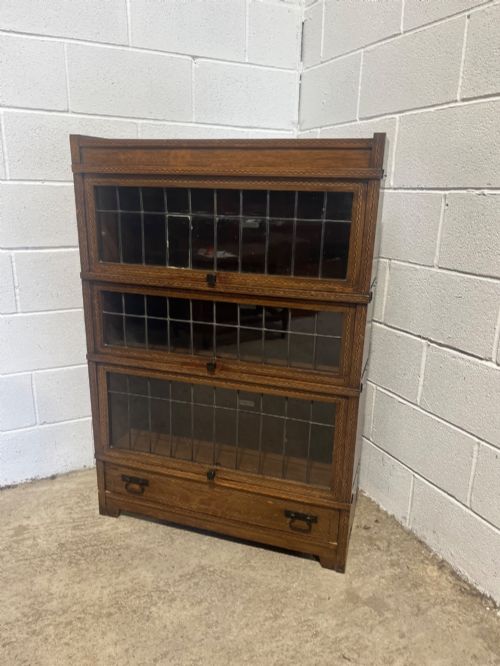
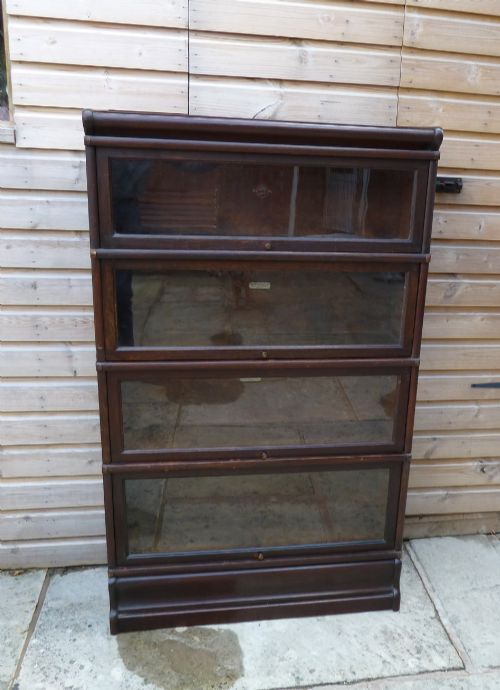

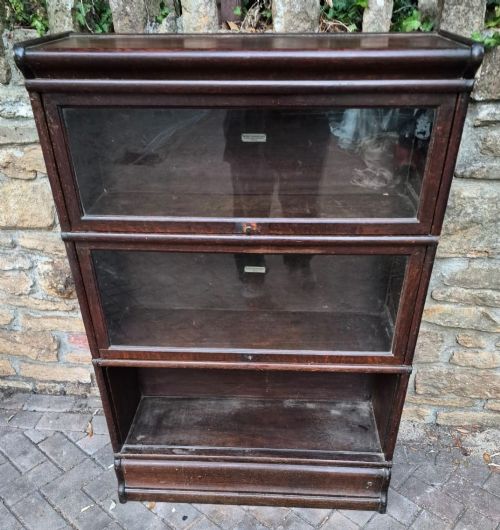
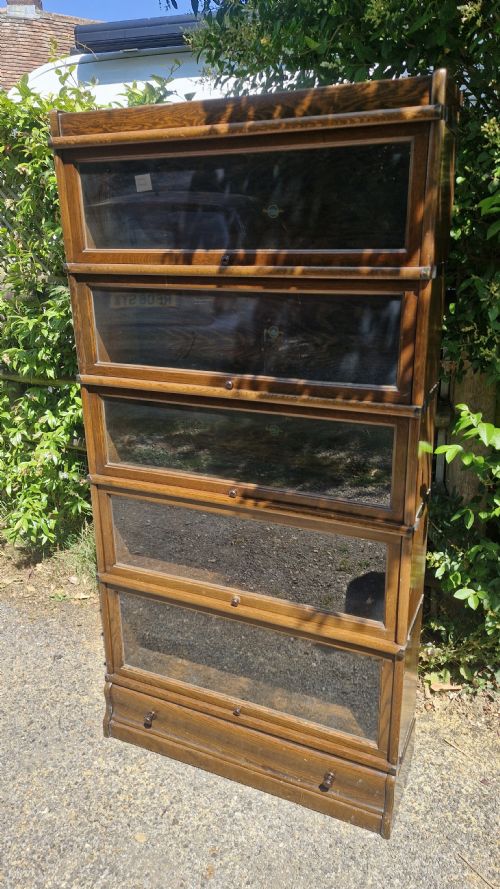
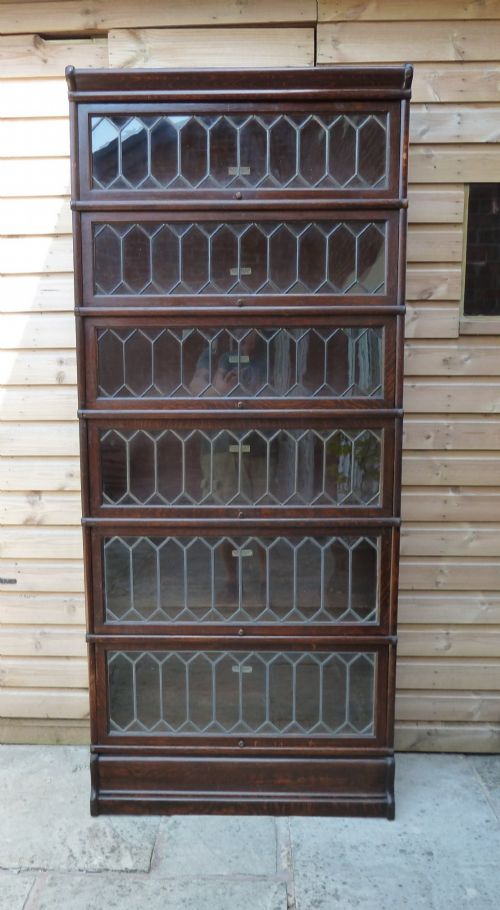
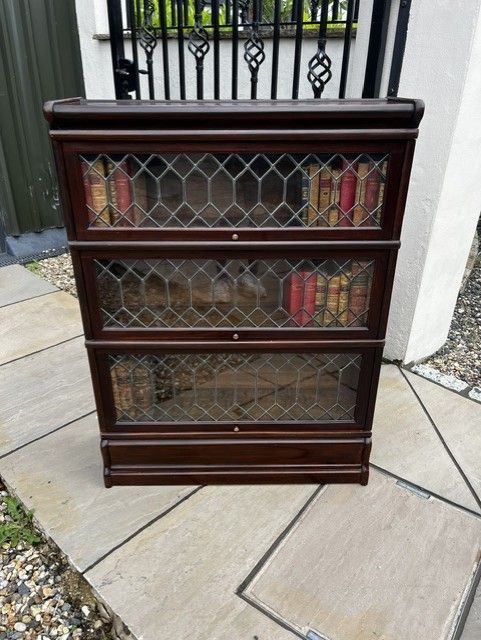
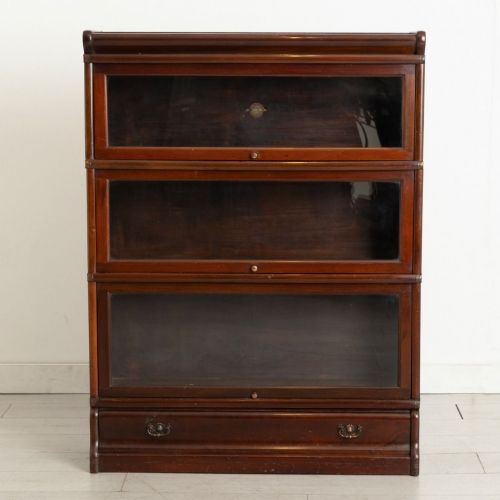
Edwardian Globe Wernicke Bookcase
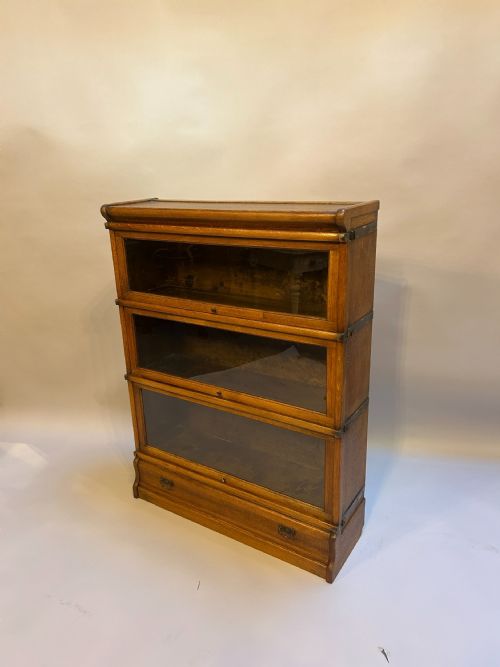
These modular edwardian globe wernicke bookcase designs offer practical library storage through stacking glazed tiers.
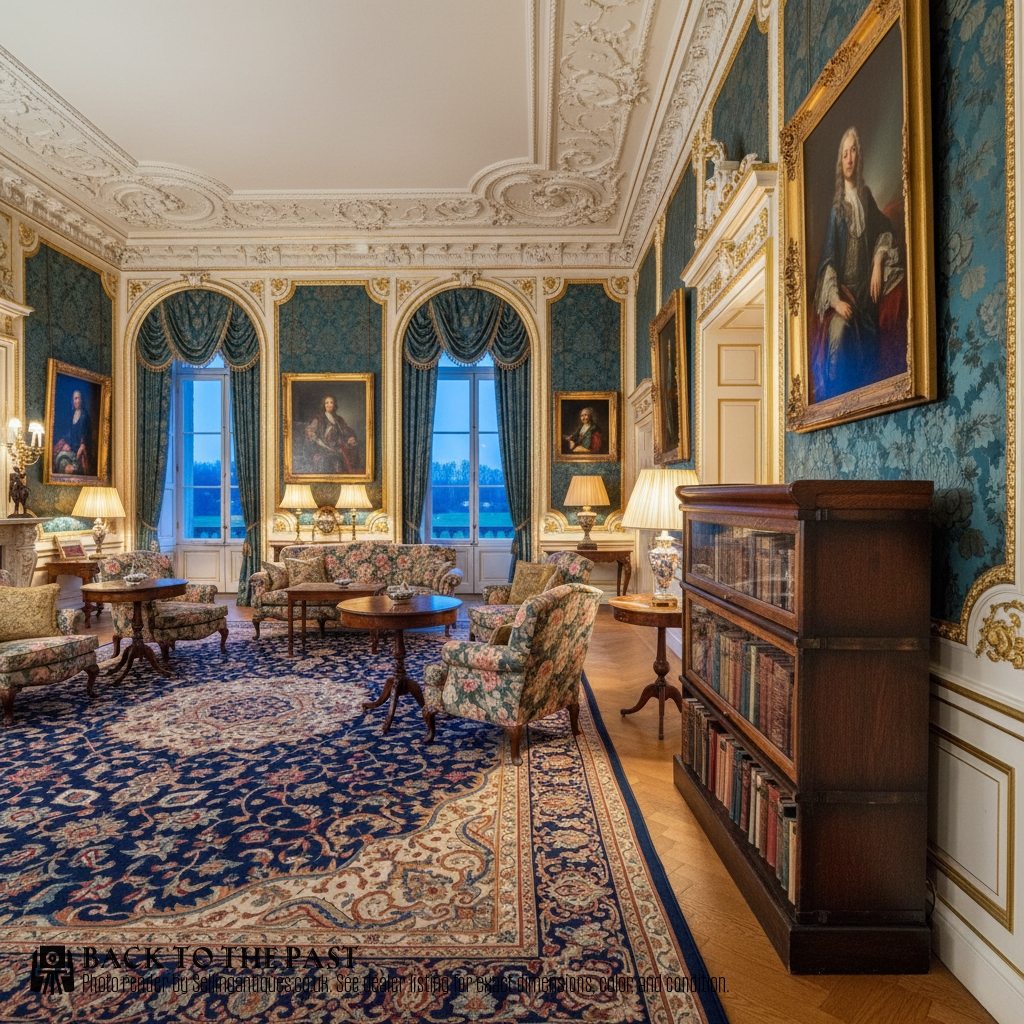
Edwardian Globe Wernicke Bookcase
An edwardian globe wernicke bookcase comprises modular stacking sections designed to protect volumes behind individual glazed lifting doors. These modular library pieces emerge frequently in oak and mahogany across periods spanning from nineteen hundred to nineteen thirty.
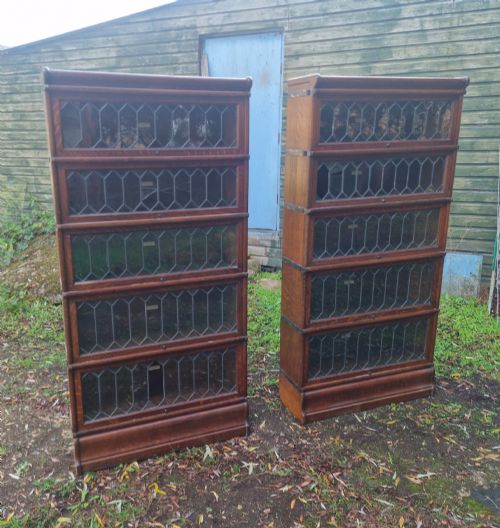
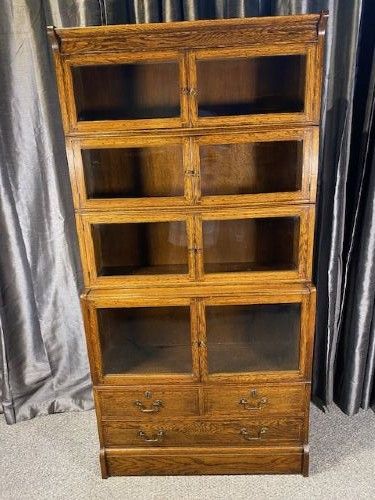
Buyers encounter three, four, and five tier configurations alongside taller six section cabinets and paired arrangements. These modular units served professional chambers and domestic studies alike, providing adaptable shelving that expanded alongside a library collection.
Makers such as Globe Wernicke, Lebus, Minty, AMYL, and Gunn produced these sectional bookcases during the early twentieth century. The design allows each glazed tier to stack independently upon a base plinth and beneath a cornice top.
Factors of Quality
The tier count and wood selection dictate the scale of the bookcase, with solid mahogany and figured oak commanding strong interest. Original matching cornices and base plints indicate complete modular sets rather than assembled sections from disparate sources.
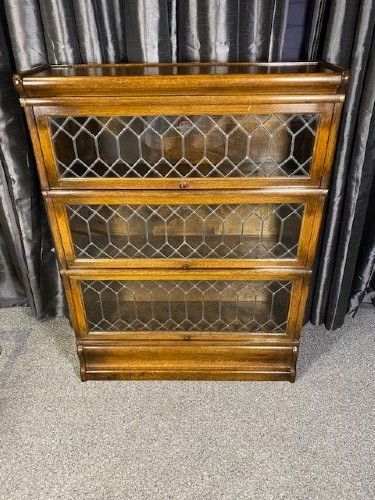
The presence of leaded glass panes, inlaid woodwork details, and maker stamps from firms like Globe Wernicke or Lebus elevate the standing of a piece. Original operable door mechanisms and unbroken brass fittings distinguish well preserved examples from later adaptations.
Modular sectional formats span from three to six tiers, recorded across makers including Globe Wernicke, Lebus, Minty, Gunn, and AMYL.
Globe Wernicke·Lebus·Minty·Gunn·AMYL
The Edwardian Globe Wernicke Bookcase Glossary
- Tier
- A single stacking modular section of the bookcase containing its own glazed lifting door and shelf space. Tiers can be added or removed independently.
- Barrister
- A term describing sectional stacking bookcases traditionally used by lawyers to transport and store law volumes. These cabinets protect books behind glass while offering modular portability.
- Cornice
- The decorative moulded timber projection that forms the top crown of the stacking bookcase. It sits securely above the uppermost tier.
- Plinth
- The foundational base moulding upon which the lowest stacking tier rests. It elevates the bookcase off the floor surface.
- Leaded glass
- Small window panes joined together by lead cames within the wooden door frame. This technique creates geometric patterns across the cabinet front.
Edwardian Globe Wernicke Bookcase: Frequently Asked Questions
How do the stacking tiers separate?
Each tier lifts away independently from the section below once the side locking mechanisms or pins are disengaged. The modular design relies on gravity and internal alignment rather than fixed mechanical fasteners.
This construction allowed libraries to grow by simply adding new tiers to the top of an existing stack without replacing the entire cabinet.
Were these bookcases made for offices or homes?
These sectional cabinets served both professional chambers and domestic studies during the early twentieth century. Lawyers utilised them to protect valuable law reports, which earned them the common barrister designation.
In domestic settings, the enclosed glass shelves protected leather bound volumes from household dust and soot prevalent in early twentieth century homes.
How do I identify a Globe Wernicke piece?
Authentic pieces often bear maker stamps, paper labels, or patent marks placed inside the wooden carcass or along the interior shelf edges. The hardware mechanisms on the door arms frequently display specific manufacturer patent dates.
Beyond marks, the proprietary stacking design and brass connector pins distinguish original Globe Wernicke output from contemporary competitors like Minty or Lebus.
Can individual sections be rearranged?
Tiers of matching depth and width can be swapped between positions within the stack, provided the plinth and cornice remain at the bottom and top. Height variations among tiers mean deeper or taller sections must remain at the base for stability.
Checking the internal dimensions ensures that upper tiers do not attempt to accommodate books that are too tall for the shelf clearance.