
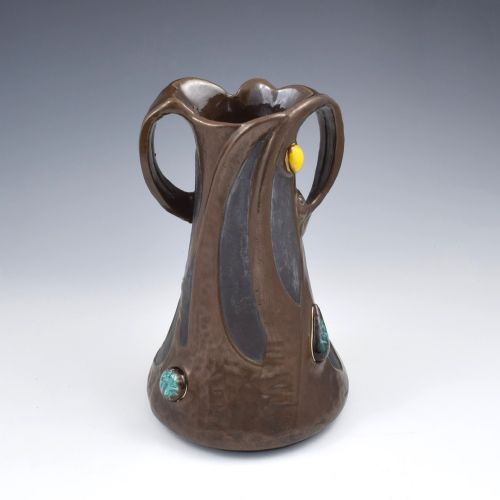
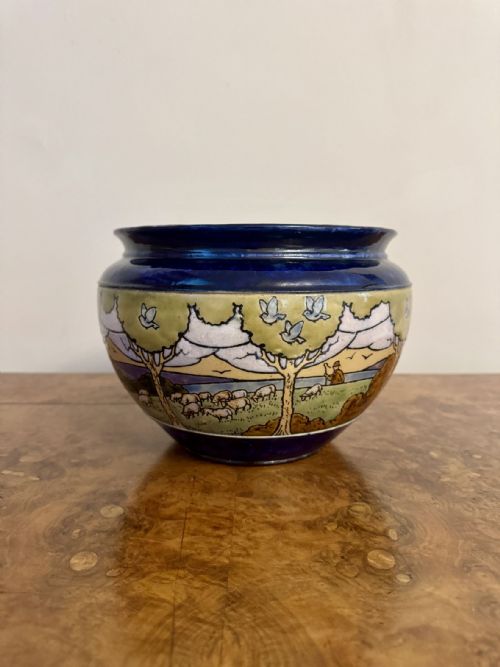
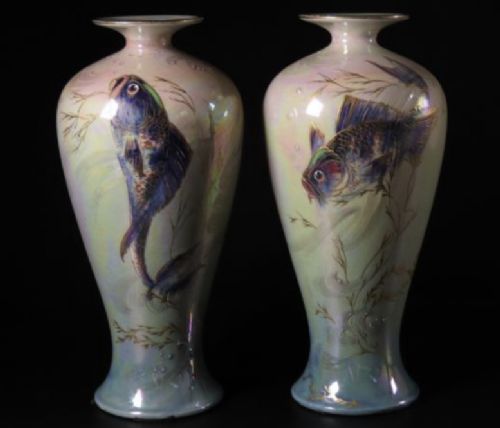
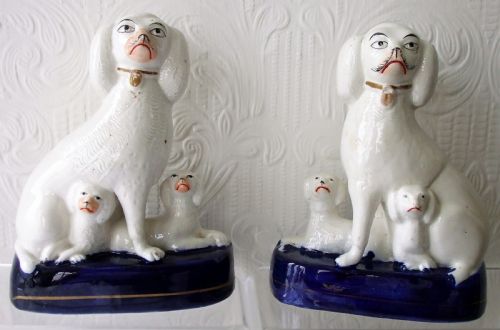
Edwardian Glazed Pottery
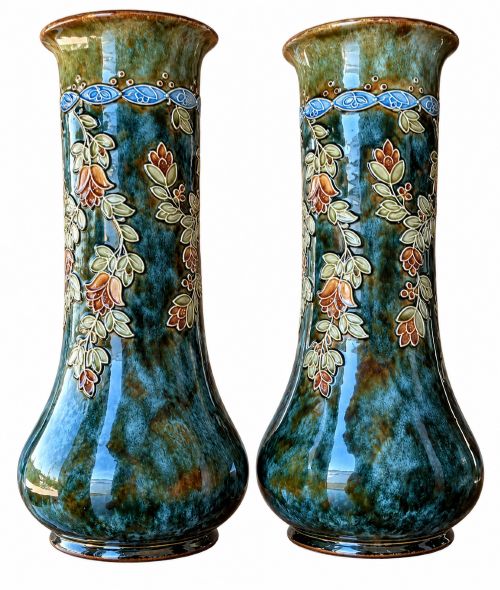
Edwardian glazed pottery brings together earthenware and stoneware forms shaped by Art Nouveau and Arts and Crafts ideals.
Edwardian Glazed Pottery
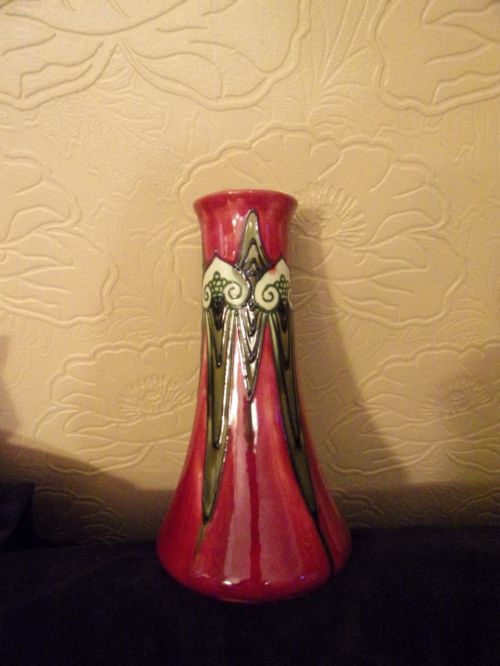
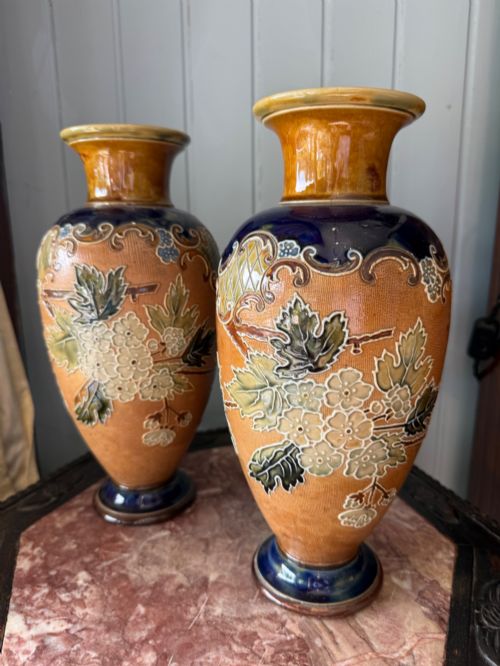
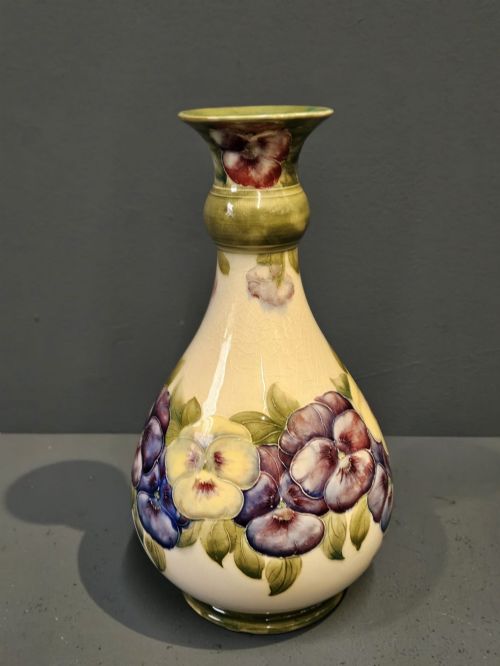
Edwardian glazed pottery covers utilitarian vessels and decorative objects produced during the late nineteenth and early twentieth centuries. These pieces reflect prevailing aesthetic movements including Art Nouveau, Arts and Crafts, and early Art Deco.
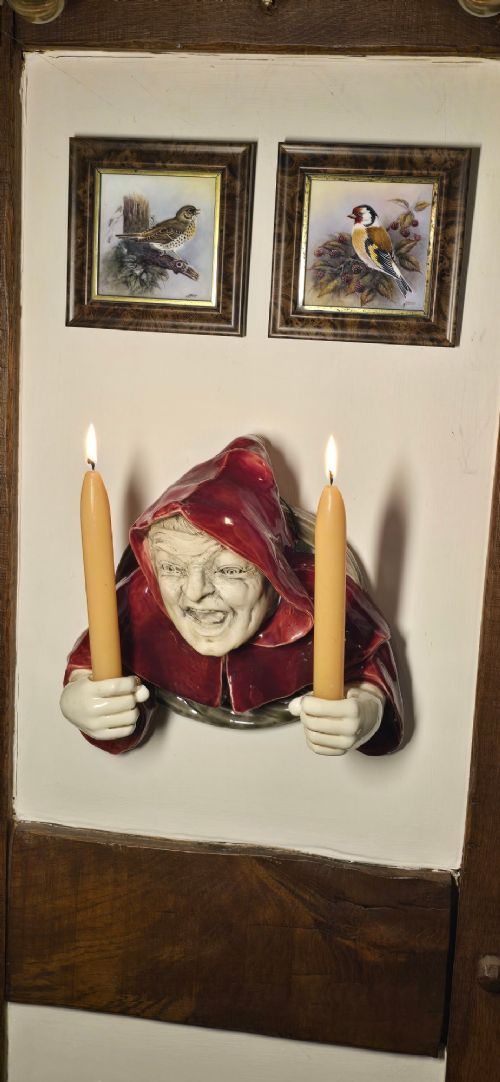
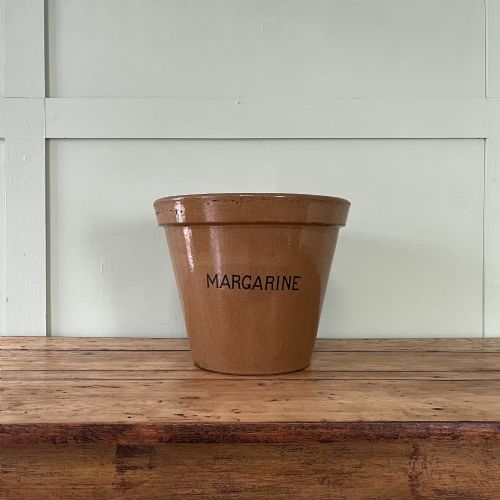
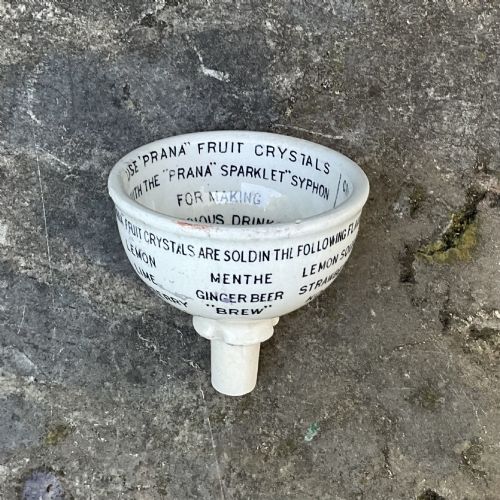
Vases, jugs, decorative bowls, and jardinieres dominate the current selection alongside wall art, tiles, and functional household items. Stoneware and earthenware serve as the primary media for these diverse domestic objects.
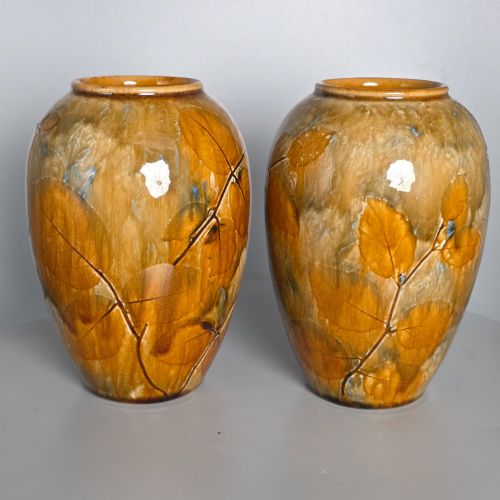
Makers working within this period combined traditional ceramic bodies with inventive surface finishes. Studio potteries and major industrial potteries alike contributed to the robust output of glazed domestic wares.
Materials and Technique
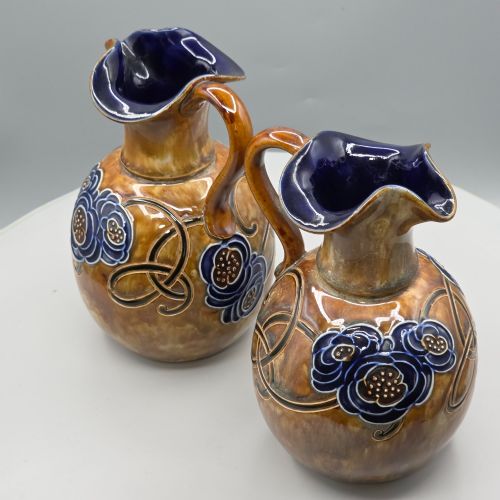
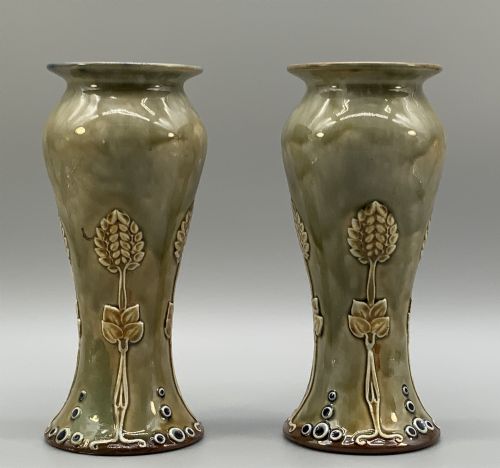
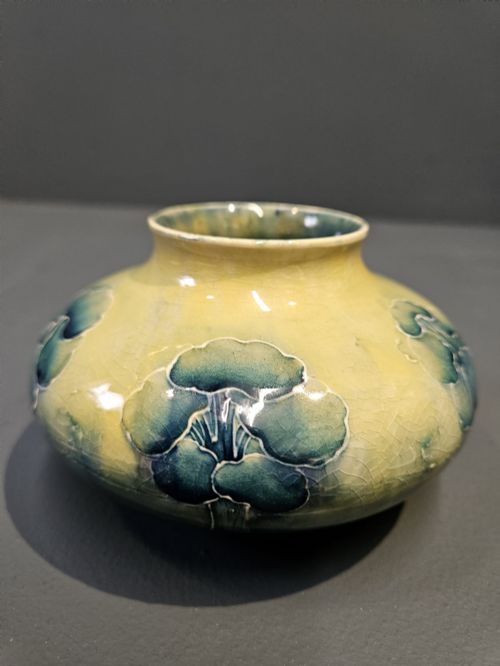
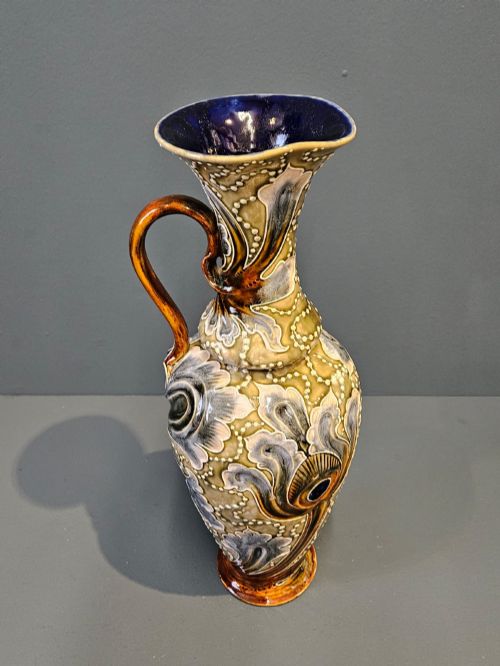
Potters shaped earthenware and stoneware bodies on the wheel or by moulding before applying liquid clay slips and specialised glazes. Many pieces incorporate tube-lined decoration, where raised clay lines contain pools of coloured glaze.
Firing techniques utilised high temperatures to vitrify stoneware and fuse metallic oxides into the glaze layers. Secondary additions such as gold leaf, enamel highlights, and applied cabochons occur on select decorative items.
Current listings feature earthenware and stoneware from the late Victorian period through the nineteen-twenties, incorporating glazes, gold leaf, and enamel.
Quality and Execution
Distinctions in quality rest on the precision of the modelling and the depth of the glaze chemistry. Hand-painted or tube-lined patterns executed with sharp definition separate standard production items from superior studio pieces.
The reputation of the designer and the prestige of the studio heavily influence the standing of an object. Collaborative works involving recognised artists and established potteries demonstrate elevated artistic ambition.
Royal Doulton Lambeth·Minton·Moorcroft·Sir Edmund Elton·Shelley·Wemyss
The Edwardian Glazed Pottery Glossary
- Stoneware
- A hard, vitrified ceramic pottery fired at high temperatures until impervious to liquid. It forms a durable base for salt-glazed and slip-decorated vessels.
- Earthenware
- Porous pottery fired at lower temperatures that requires a vitreous glaze to hold liquids. It provides an accessible canvas for bright coloured pigments and enamels.
- Tube-lining
- A ceramic decoration technique where liquid clay is squeezed through a nozzle onto a vessel body to form raised outlines. Glazes are subsequently painted within these compartmentalised cells.
- Lustre
- A metallic surface sheen achieved through a specialised reduction firing that deposits a thin film of metal on the glaze. This technique creates iridescent reflections under changing light.
Edwardian Glazed Pottery: Frequently Asked Questions
What defines Edwardian pottery?
Edwardian pottery encompasses ceramic wares produced during the reign of King Edward VII and the surrounding transitional years. These objects bridge late Victorian historicism and the flowing contours of early twentieth-century design.
The selection draws heavily on Arts and Crafts ideals and Art Nouveau styling. Common outputs range from utilitarian household vessels to highly decorative studio art pottery.
How were these pots used?
Many Edwardian ceramic pieces served practical domestic functions, including holding flowers, serving liquids, or outfitting washstands. Jugs, bowls, and ewers formed essential parts of daily household management.
Simultaneously, decorative items like wall plaques, mantel clocks, and ornamental vases fulfilled purely aesthetic roles within the Edwardian interior. Displaying such objects demonstrated taste and engagement with modern craft.
How do I identify a studio piece?
Studio pottery of this era often bears incised artist signatures, monogram stamps, or specific pottery marks on the base. Individual makers experimented freely with unique glaze combinations rather than relying on uniform factory output.
Look for distinctive hand-thrown irregularities and individual artistic touches that set independent workshops apart from mass-production lines. Reference marks against recorded factory histories to confirm attribution.
How do I care for glazed ceramics?
Glazed ceramics require gentle cleaning with a soft, damp cloth to remove dust without harming delicate surface enamels or gold leaf. Avoid harsh chemical cleaners or abrasive scouring pads that can scratch the glaze matrix.
Display pieces safely away from direct edges where accidental impacts might occur. Protect antique earthenware from prolonged exposure to moisture if the underlying clay body remains porous.