



Traditional Glazed Vessel
These traditional glazed vessel selections bring utilitarian history into your home, offering tactile earthiness and centuries of functional craftsmanship.
Traditional Glazed Vessel
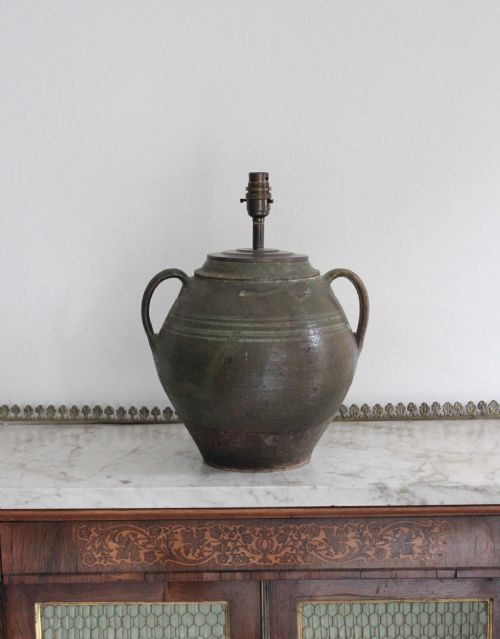
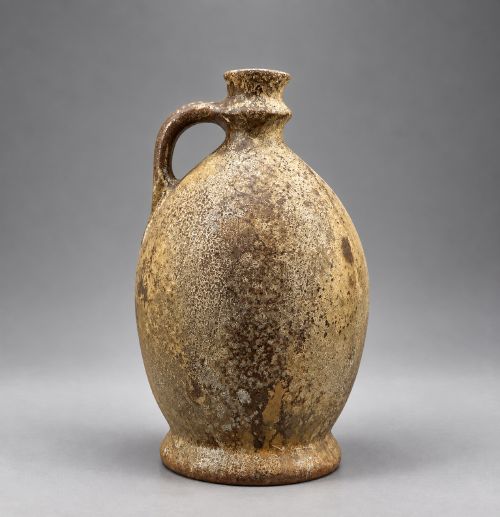
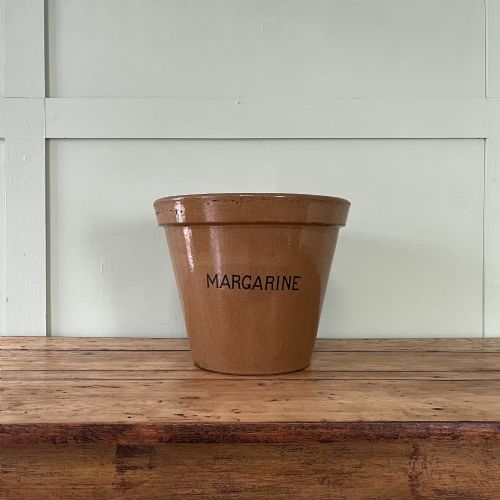
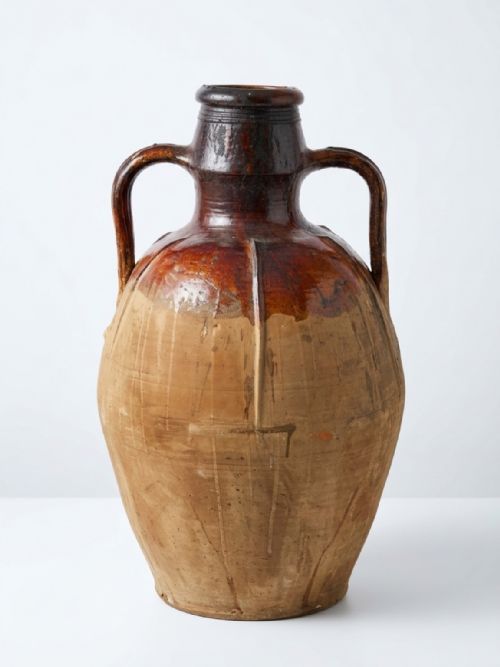
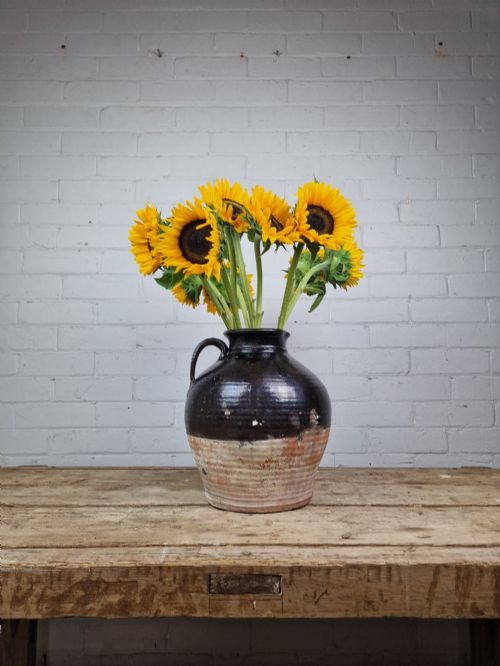
A traditional glazed vessel represents a diverse group of historical utility items, ranging from large wine jars to smaller storage crocks and dairy bowls. When exploring this selection, you encounter pieces intended for food preparation, storage, and daily domestic service across various European and Asian traditions.
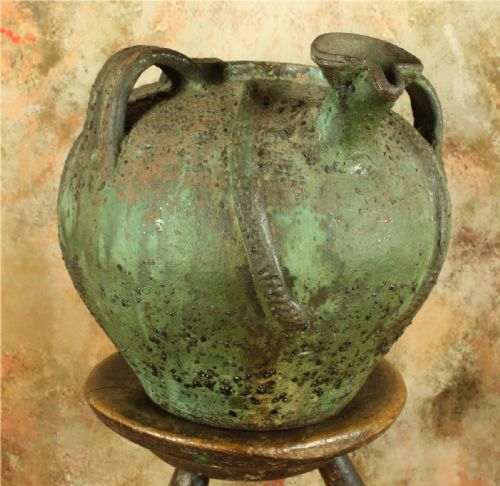
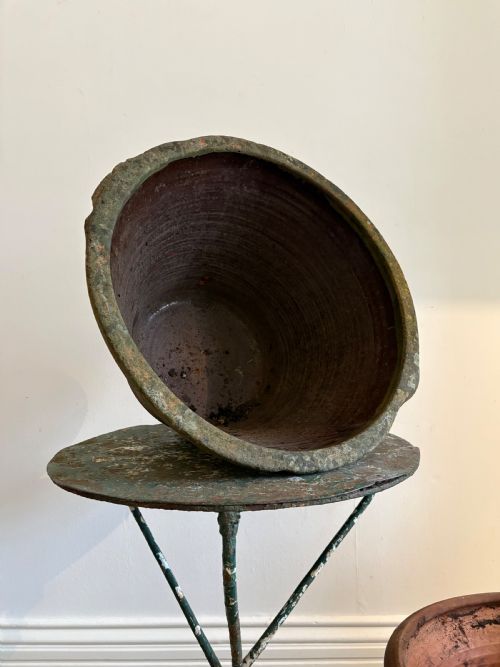
The objects appearing most frequently on this page span the eighteenth and nineteenth centuries, alongside early twentieth-century examples. These include French confit pots, three-handled jugs, salt-glazed vinegar barrels, and terracotta dairy bowls, each retaining the distinct character of its original regional use.
Origins stretch across English, French, Italian, Turkish, and Chinese potteries, showing how different cultures adapted basic ceramic forms for practical liquids and dry goods. The common thread uniting these items is their heritage as working objects that survived centuries of domestic routine.
How They Were Made
Potters shaped these pieces from fundamental earthen materials including clay, terracotta, earthenware, and stoneware, relying on manual throw or press-moulding techniques. The resulting bodies provided durable structures designed to withstand heavy everyday use in dairies, kitchens, and cellars.
Surface treatments define these vessels through various glazing methods, notably tin glaze, salt glaze, and slip decoration applied before firing. These coatings provided both watertight functionality for liquids like vinegar, wine, and oil, and a decorative finish to otherwise utilitarian forms.
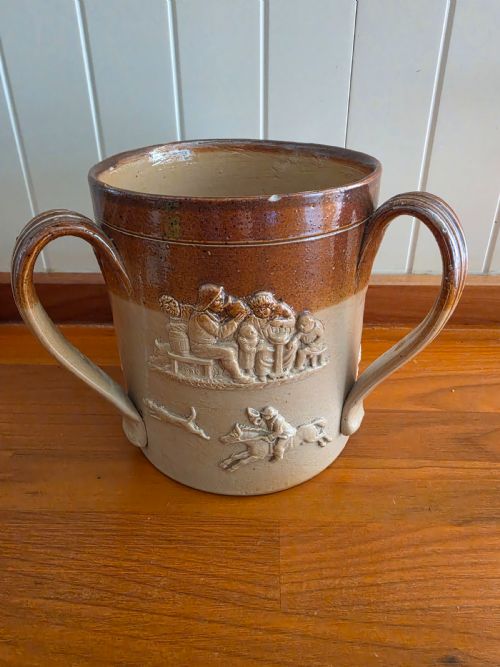
Several pieces feature multiple handles, thoughtfully included so medieval and historic drinkers could pass the ale securely around the table.
What Varies in Quality
Distinctions in quality often rest on the fluency of the potter's hand in shaping generous forms, such as handles and flaring necks, with balanced proportions. Superior examples display confident throwing marks and well-integrated spouts or multiple handles that serve their structural purpose gracefully.
The application and preservation of the glaze layer also mark the gradation between standard utilitarian ware and finer decorative output. Even surfaces, rich colour depth, and minimal firing distortions distinguish the more accomplished pieces within this ceramic tradition.
The Traditional Glazed Vessel Glossary
- Slipware
- Pottery decorated with a liquid clay mixture called slip, trailed or brushed onto the unfired body before glazing.
- Tyg
- A large drinking vessel featuring multiple handles, traditionally designed to be passed around a table among several drinkers.
- Confit Pot
- A French earthenware jar with a glazed interior, historically utilised for preserving and storing meats or confit.
- Maiolica
- Tin-glazed earthenware produced in Italy, typically featuring brightly coloured painted designs on an opaque white background.
- Salt Glaze
- A glossy, slightly textured finish achieved by throwing common salt into the kiln during high-temperature firing.
Traditional Glazed Vessel: Frequently Asked Questions
How were traditional glazed vessels used?
These vessels served fundamental roles in historical domestic life, storing liquids such as wine, oil, and vinegar, or holding foodstuffs like milk and preserves. Many functioned as daily kitchen implements or dairy equipment rather than decorative ornaments.
Larger forms handled bulk storage in cellars and larders, while smaller jugs and pots moved between pantry and table for immediate consumption. Their robust construction ensured they could endure the rigorous demands of farmhouses and merchant kitchens.
How do I clean an antique vessel?
Cleaning requires gentle care using warm water and a mild detergent, avoiding harsh chemical cleaners that might harm aged ceramic bodies or delicate glazes. Soft cloths or sponges prevent scratching the historical surfaces during maintenance.
Submerging porous earthen materials for extended periods should be avoided to protect the internal structure. Allow the piece to dry completely after washing before returning it to display.
Can I use these vessels for food?
Utilising historical ceramics for modern dining depends entirely on the condition and chemical composition of the internal glaze layer. Many older glazes contain materials unsuitable for contemporary food safety standards.
It is generally advisable to treat these items as decorative display pieces or use them exclusively for dry storage. Consulting a specialist helps determine the suitability of an individual piece for culinary use.
How do I distinguish regional styles?
Regional identification relies on observing specific local clay colours, characteristic glaze tones, and traditional vessel shapes particular to certain countries or provinces. French confit pots, for instance, bear distinct profiles compared to English dairy bowls or Italian wine jars.
Examining throwing techniques and typical finishing details provides further clues to a piece's geographical origin. Comparing forms against documented examples helps clarify where a specific potter worked.