


Vintage Dairy Vessel
These vintage dairy vessel pieces are practical farm items turned domestic display, offering authentic rural character for country interiors.
Vintage Dairy Vessel
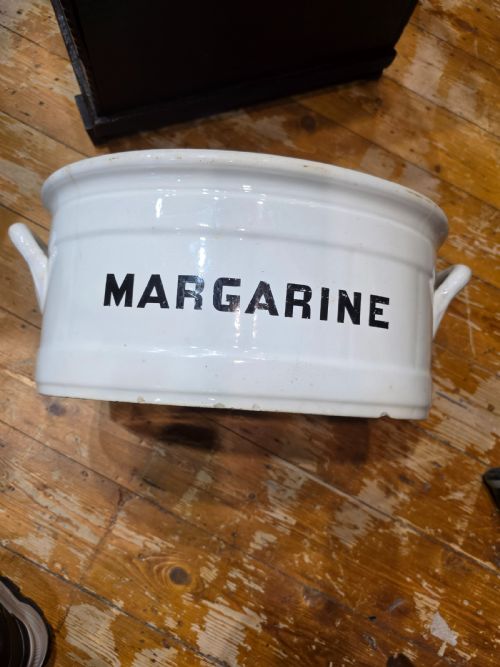
A vintage dairy vessel encompasses utilitarian items originally used for processing milk, cream, and butter on farms. Buyers looking at this phrase encounter heavy utilitarian wares designed for daily agricultural labour rather than delicate display.
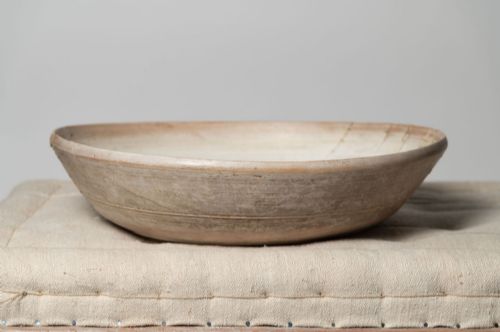
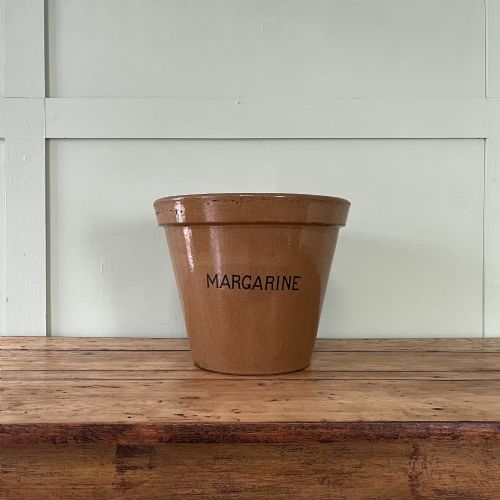
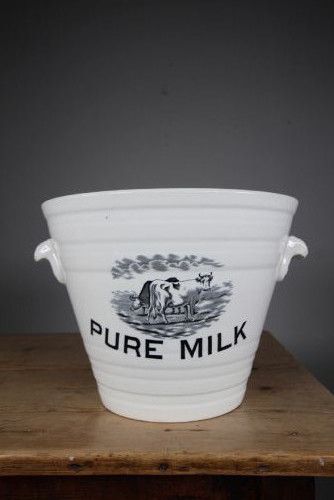
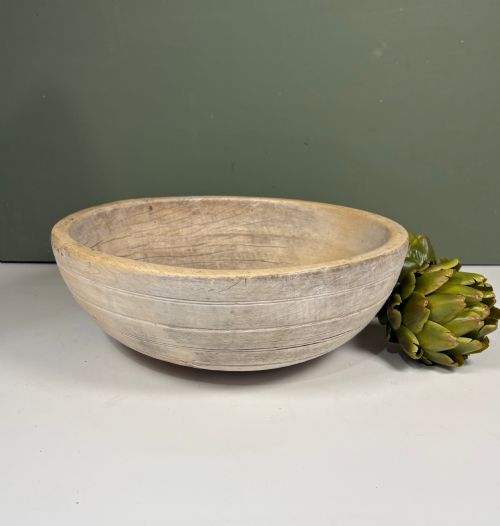
The selection on this page centres on sturdy forms from the nineteenth and early twentieth centuries, including Edwardian and Victorian pieces. Domestic buyers most frequently meet glazed stoneware bowls, terracotta salting crocks, and wooden sycamore bowls.
Geographic origins span English, French, and Scandinavian country traditions, reflecting local agricultural methods. These items range from cream cans and setting pans to large dairy pails and storage crocks.
How they were made
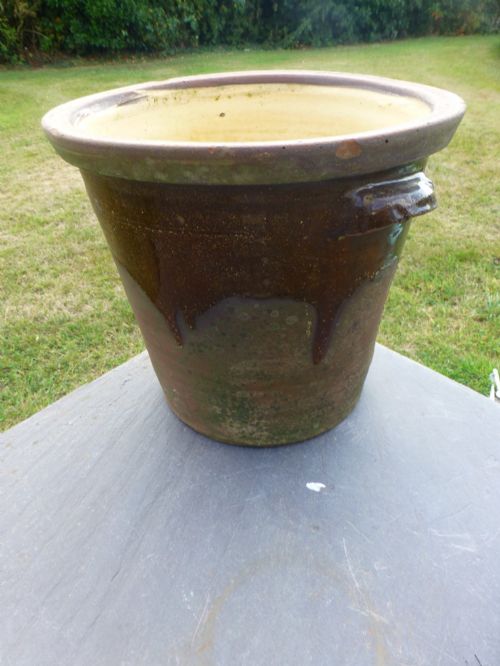
Potters shaped durable clay into thick-walled stoneware and terracotta vessels, applying salt or liquid glaze inside to create a waterproof surface for holding liquids. These dense ceramic bodies endured constant scrubbing and heavy farm use without absorbing moisture.
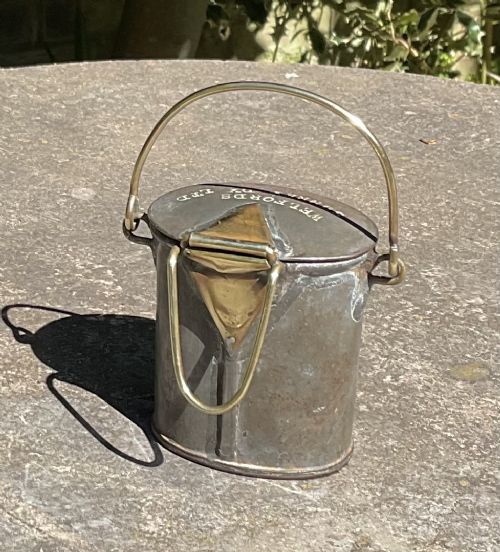
Coopers and turners carved wooden vessels from sycamore, selecting dense domestic timber that resisted splitting when exposed to damp conditions and dairy products. Metal workers hammered sheet copper and brass into seamless pans and pails, joining seams securely to handle heavy liquid loads.
What varies in quality
The calibre of a piece rests upon the honesty of its wear and the integrity of its original construction. Simple utility wares show genuine signs of daily farm work through soft surface patination rather than manufactured distress.
Thick ceramic glazes that pool evenly and timber bowls showing clear tool marks demonstrate superior craftsmanship. Better examples retain their original structural mass and intended fittings, such as sturdy copper handles or intact brass rims.
The Vintage Dairy Vessel Glossary
- Sycamore dairy bowl
- A turned wooden basin used for skimming cream from milk, valued for its light weight and non-porous grain.
- Salting crock
- A heavy earthenware container used for preserving food, featuring thick walls to maintain a stable internal temperature.
- Cream setting pan
- A wide, shallow vessel designed to maximise the surface area of milk so the cream rises naturally to the top.
- Stoneware
- A dense, vitreous ceramic fired at high temperatures, impervious to liquids even without a surface glaze.
Vintage Dairy Vessel: Frequently Asked Questions
What were dairy vessels used for?
Farmers and dairyladies utilised these vessels for milking, separating cream, churning butter, and storing provisions. Their thick walls and specific shapes helped maintain the proper temperatures required for dairy production.
Over time, these utilitarian objects transitioned from working farm environments into domestic spaces, where their robust forms suited household storage and display.
How do I date an antique dairy bowl?
Dating relies on observing the material, manufacturing marks, and wear patterns consistent with known periods. Nineteenth-century wooden bowls often show hand-turned tool marks, whereas later twentieth-century pieces display more uniform machine finishing.
Glazed ceramics provide clues through the colour and composition of the clay body, alongside any maker stamps or regional stylistic traits typical of the Victorian and Edwardian eras.
Are wooden dairy bowls waterproof?
Historic wooden bowls made from sycamore were designed to hold liquids during dairy work, but dry conditions over the centuries often alter the wood. Modern owners generally use them for dry storage or display rather than filling them with water.
Applying occasional natural oils helps nourish the dry timber without damaging the historic surface patina accumulated from decades of agricultural use.
How do I style dairy vessels at home?
These pieces integrate naturally into rustic, country, and traditional interiors as standalone decorative objects or functional storage containers. Large terracotta bowls and copper pans suit floor placement or open shelving where their scale and texture stand out.
Smaller wooden bowls and stoneware crocks work well on kitchen counters or tables, holding everyday items while adding historical warmth to the room.