


Edwardian Glass Basket
An edwardian glass basket brings colour and pierced metalwork together, offering a portable serving piece that collectors prize for its vibrant coloured glass liner.
Edwardian Glass Basket
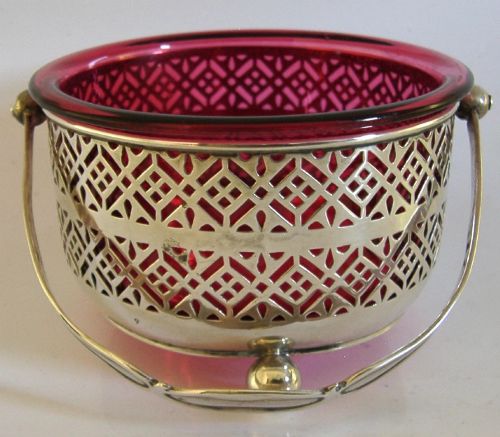
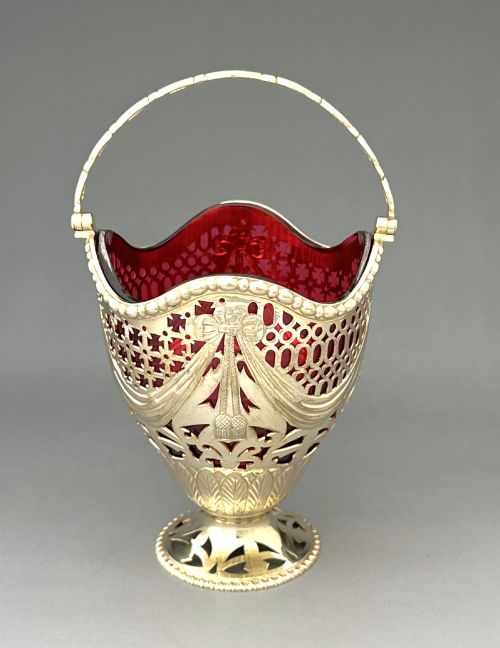
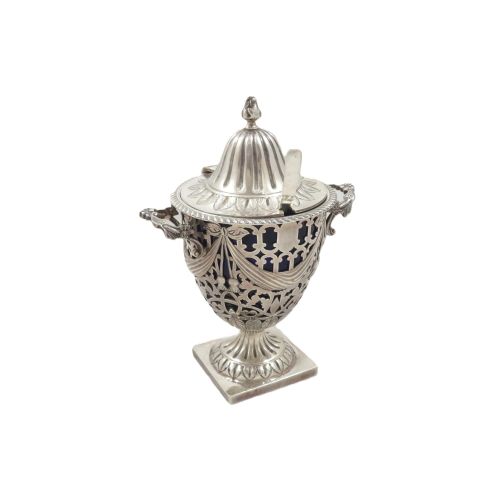
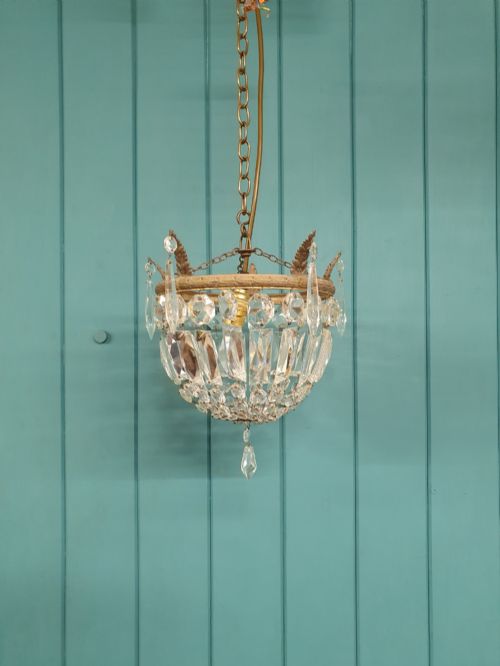
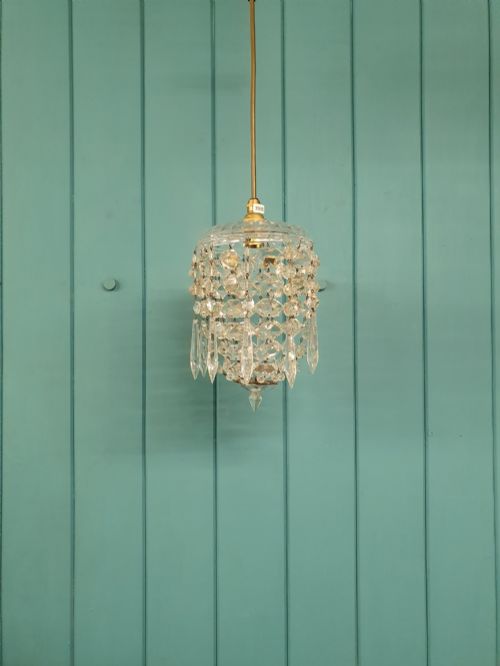
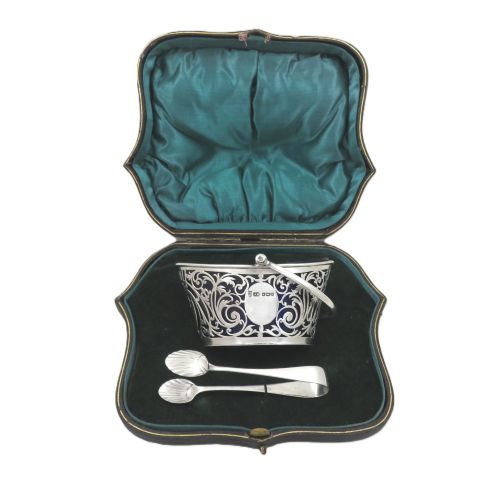
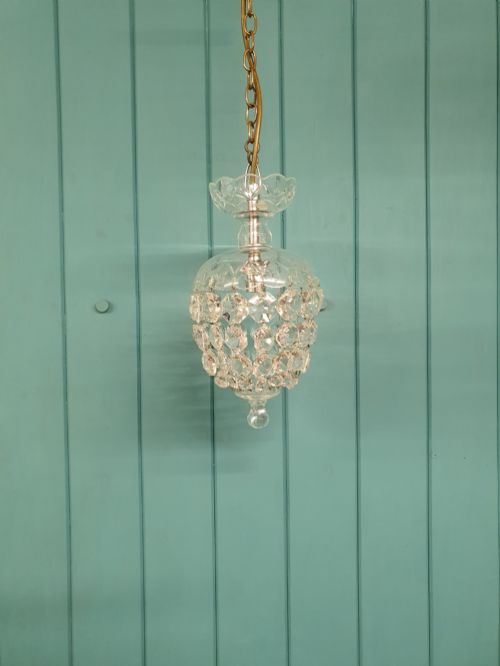
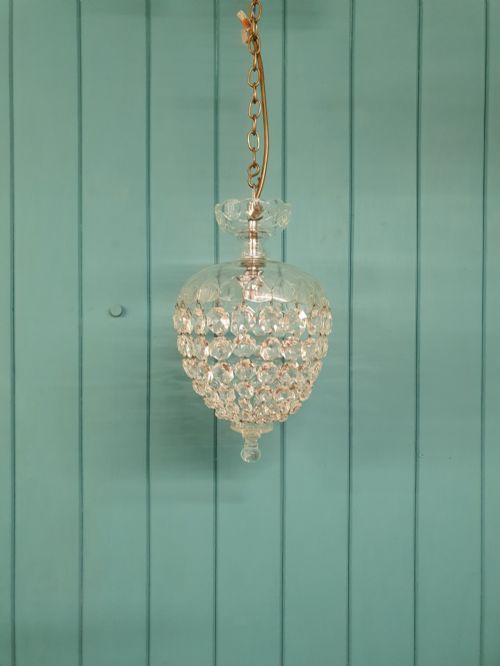
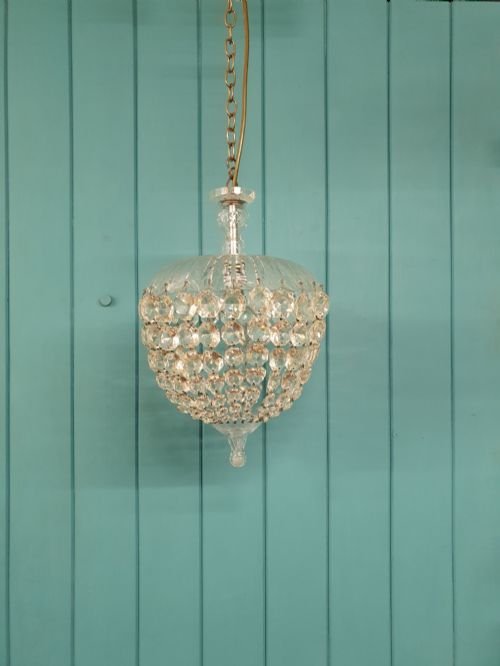
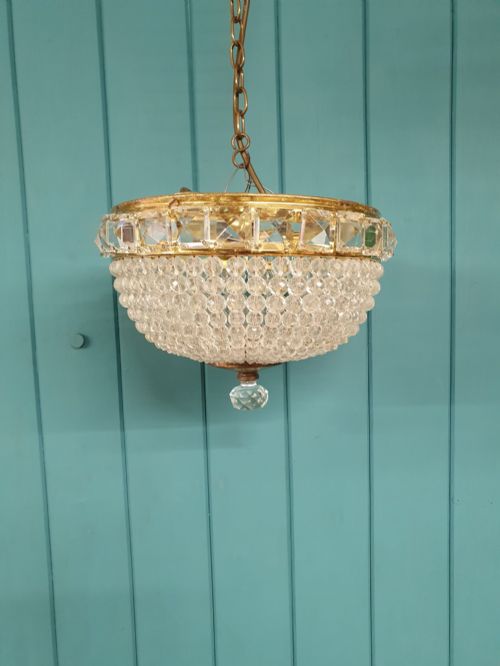
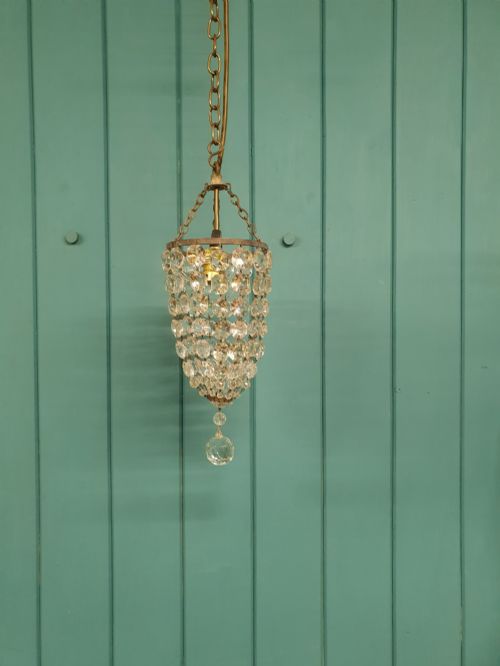
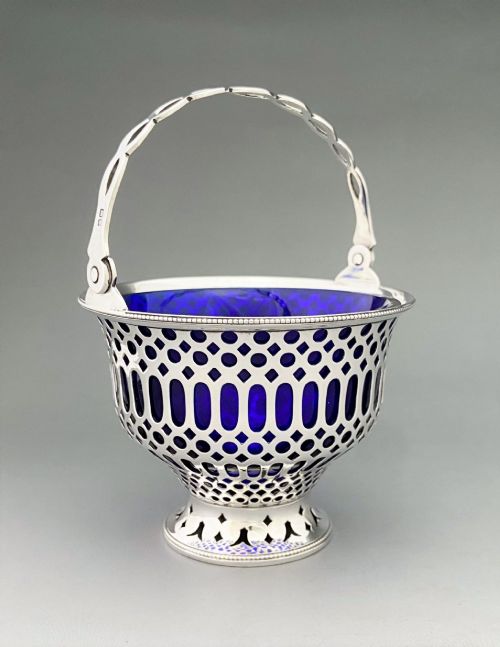
The term edwardian glass basket covers small handled vessels designed for sugar, fruit, or preserves, alongside distinct ceiling light fixtures known as basket chandeliers. You will encounter table vessels featuring metal stands fitted with colourful glass inserts, as well as hanging lighting forms constructed from brass frames and cut glass drops.
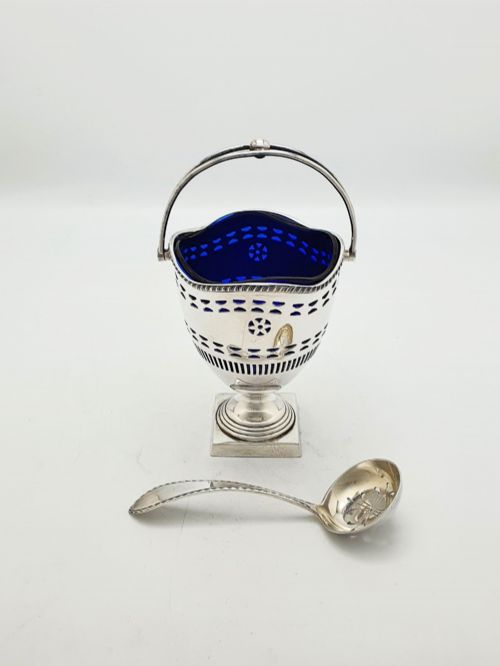
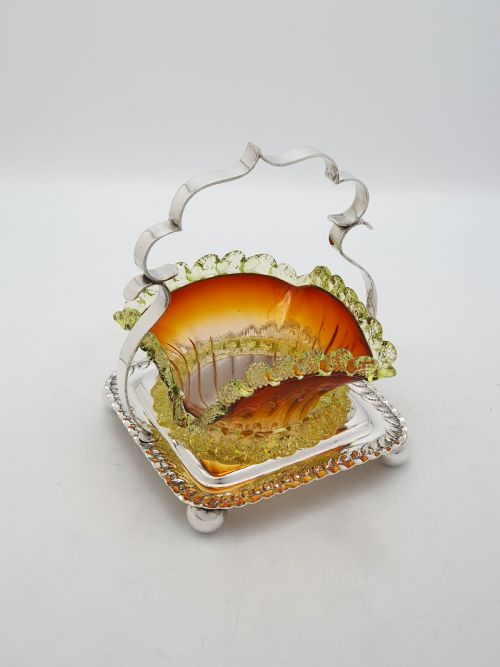
The metal portions span sterling silver, silver plate, and brass, often shaped with openwork piercing. Glass liners appear in shades of cranberry, cobalt, ruby, amber, green, blue, and amethyst, creating strong visual contrast against the polished metal framework.
Most table examples date from the opening decade of the twentieth century, aligning with the Edwardian period and adjacent years around nineteen hundred. These domestic tableware items sit alongside pendant lighting pieces that share the distinctive basket or bag silhouette.
How they were made
Makers combined glassblowing and metal smithing techniques, utilising sterling silver or silver plate for swing handles, frames, and pierced stands. Piercing work required precise piercing saws to create open lattice patterns in the metal mounts.
Liners were blown from coloured glass, sometimes incorporating overlaid or cased techniques to achieve deep tones like cranberry and ruby. Lighting forms integrated brass frames strung with cut glass crystals, beads, and prisms to refract illumination.
Some baskets feature tiny pierced feet shaped like tiny claw toes, elevating the sugar above the tablecloth.
What varies in quality
Quality rests upon the weight and crispness of the metal mounts, where deep hand-piercing and substantial silver gauges outlast thin plating. The presence of the original coloured glass liner, matching the exact contours of the basket without replacement, dictates authenticity and desirability.
In lighting forms, the density and cut of the crystal prisms define the standard, with precision-faceted drops creating superior light refraction compared to plain pressed glass.
William Comyns
The Edwardian Glass Basket Glossary
- Swing handle
- A movable metal handle attached to the rim of a basket by pinned pivots. It allows the vessel to fold down flat for table access.
- Pierced work
- Metal decorated by cutting small geometric or floral shapes through the solid sheet. This technique lightened the visual weight of silver and silver plate.
- Cranberry glass
- Transparent glass coloured with gold chloride to produce a rich pinkish red hue. It remains a defining material of the period.
- Bag chandelier
- A light fixture featuring a rounded lower basket of glass beads resembling a small pouch. The top mounts to a ceiling canopy via brass rings.
- Sugar basket
- A small footed bowl with a handle, designed to hold lump sugar on the dining table. They frequently include cobalt or blue glass liners.
Edwardian Glass Basket: Frequently Asked Questions
What were glass baskets used for?
These vessels served dining tables as receptacles for sugar lumps, preserves, or small portions of fruit. Their swing handles made them easy to pass among guests during formal meals.
Lighting versions hung from ceilings in hallways and small rooms, providing decorative illumination through cut glass prisms.
How do I clean my silver basket?
Wash the removable glass liner in warm soapy water and dry it thoroughly before replacing it in the frame. Clean the metal mount with a soft cloth and a dedicated silver polish, taking care to avoid abrasive materials.
Keep polish away from the glass edges where mounts meet the insert to prevent residue buildup.
Are the glass liners original?
Original liners fit snugly into the metal framework without excessive movement or gaps. The colour and glass type should match the manufacturing standards of the period.
Replacement liners often show slight variations in thickness or hue compared to the surrounding metal stand.
How do I date an edwardian basket?
Look for hallmarks stamped on silver mounts, which indicate the assay office, standard of metal, and date letter. Pieces without silver hallmarks rely on style, construction methods, and registration numbers.
Design motifs leaning towards heavy piercing and vibrant glass colours typically point to the opening decade of the twentieth century.