

Edwardian Furniture Storage
Edwardian furniture storage brings together timber cabinets, chests and stands designed to organise rooms with practical elegance.
Edwardian Furniture Storage
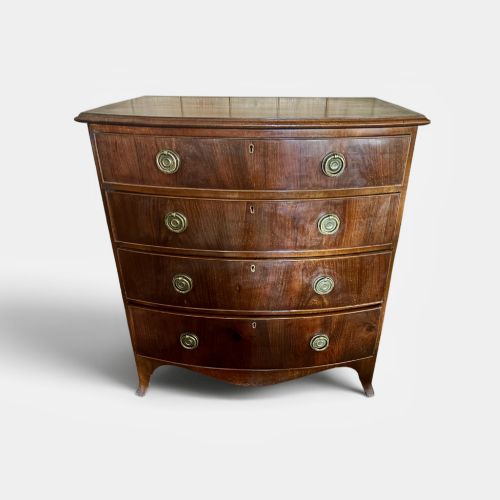
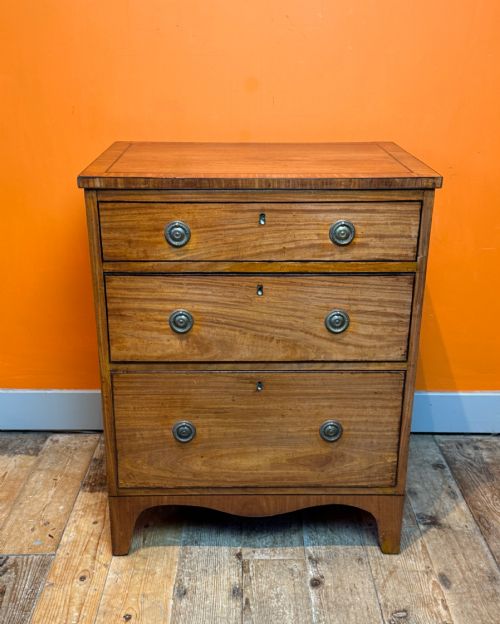
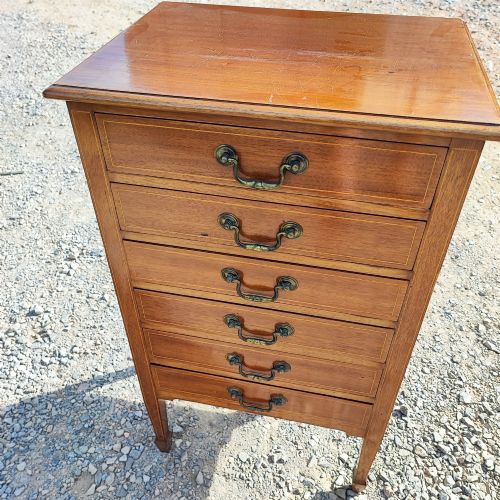
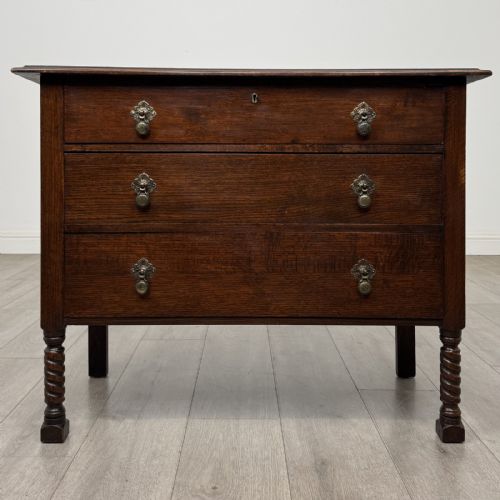
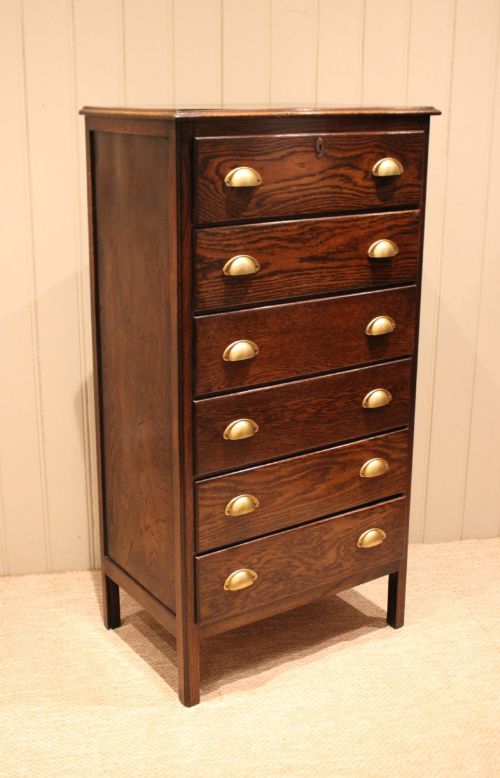
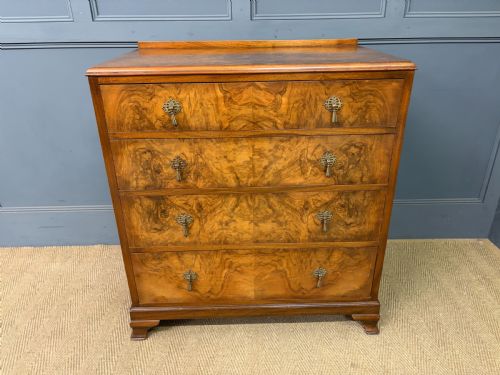
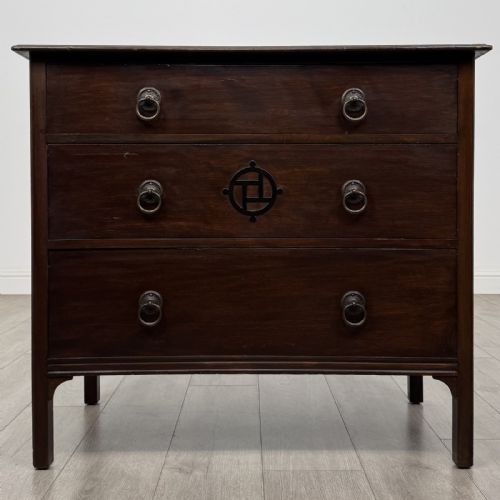
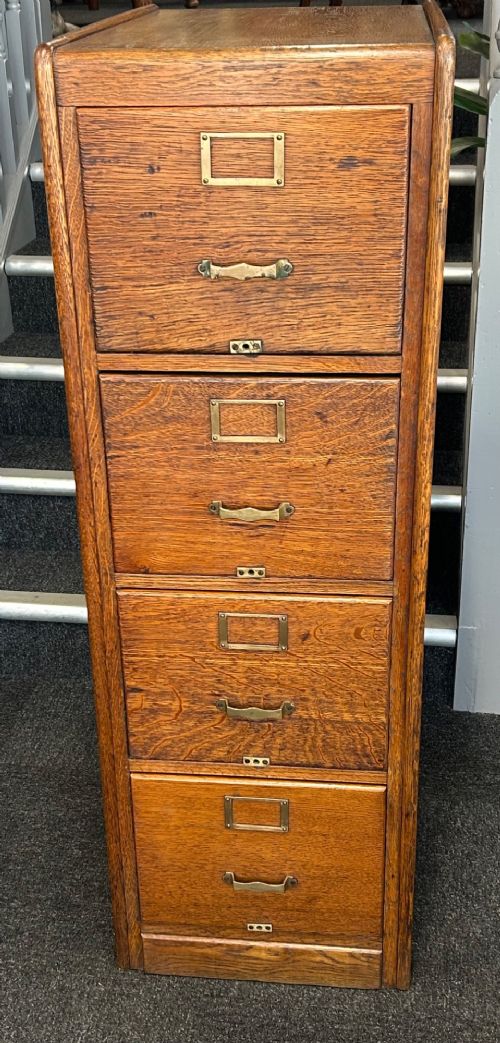
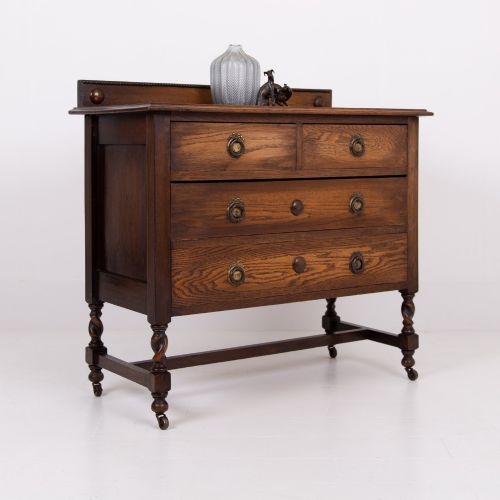
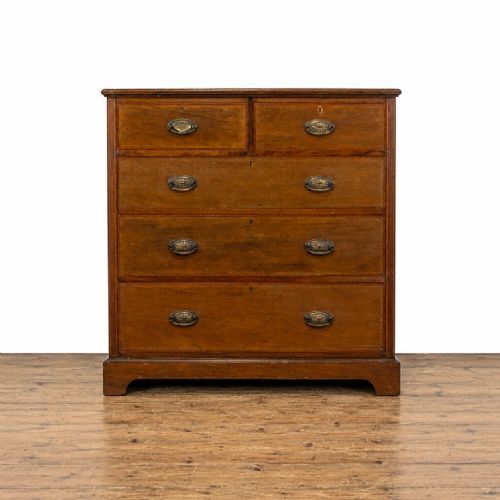
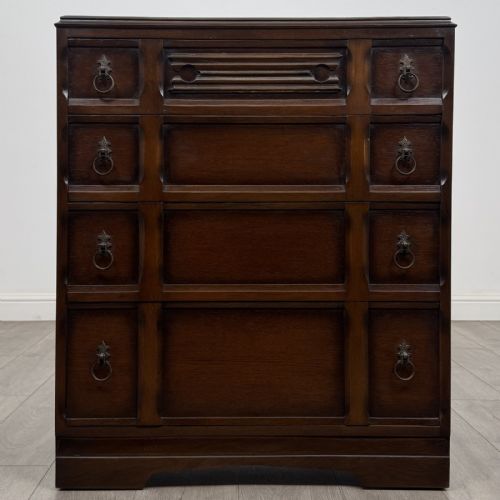
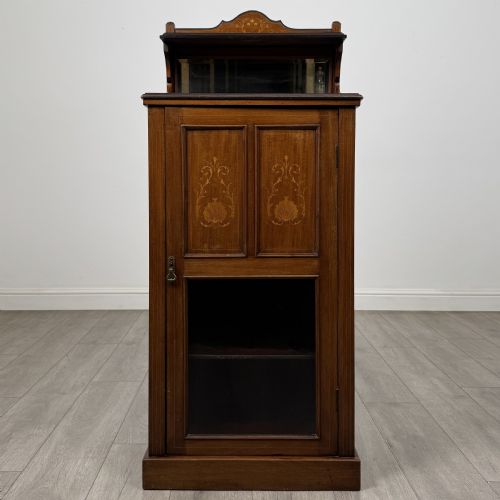
When you search for edwardian furniture storage, you encounter practical items designed to hold belongings within domestic spaces. Chests of drawers dominate the selections, alongside cabinets, music cabinets, filing cabinets, and specialised stands.
The pieces span various periods beyond the Edwardian era itself, incorporating Victorian, Regency, and early twentieth century items. Oak and mahogany serve as the primary timbers, shaped into upright bookcases, cupboards, and hall stands.
Materials and construction
Cabinet makers utilised solid oak, mahogany, walnut, and satinwood to build robust storage furniture. Timber surfaces often featured contrasting inlay work, burr walnut veneers, or carved details such as barley twist legs and raised galleries.
Hardware selections included brass handles, ring pulls, and original brass acorn fixtures. Glass panels appeared on display and china cabinets, while metal components supported vertical filing cabinets and sectional bookcases.
Edwardian Furniture Storage Retail Price Guide 2026
Typical asking prices for edwardian furniture storage among the pieces listed under this phrase on Sellingantiques today, from the lower quarter to the upper quarter. They describe what is for sale here now, not the wider market.
Listings feature storage items constructed from oak, mahogany, walnut, and satinwood across Edwardian, Victorian, and Regency periods.
Distinctions in craftsmanship
Superior pieces display careful timber selection, such as matched grain patterns in burr walnut and clean joinery on drawers and cabinets. Finer examples incorporate thoughtful decorative elements like marquetry inlay, carved top edges, and period-appropriate brass hardware rather than utilitarian fastenings.
Makers known for distinguished design and workshop execution elevate the standing of individual items. The integration of functional storage with distinct styles like Arts and Crafts, Art Nouveau, or Jacobean Revival distinguishes standard utility furniture from exceptional pieces.
Waring and Gillow·Shapland and Petter·Lebus·Whytock and Reid·GM Elwood for JS Henry·Liberty Design·Shoolbred and Co
The Edwardian Furniture Storage Glossary
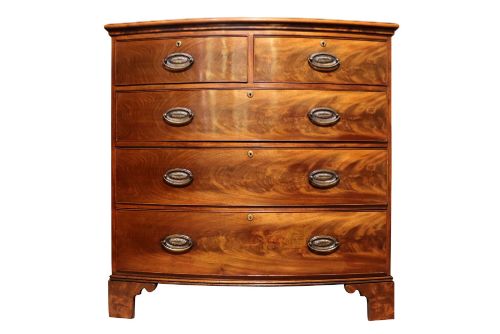
- Bow front
- A convex curved front section on a chest of drawers or cabinet. This design softens the profile of large wooden pieces.
- Purdonium
- A specialised cabinet designed to store coal near a fireplace. These domestic items usually include an internal metal liner and a sloping front.
- Sectional bookcase
- A modular bookcase built in stacked horizontal tiers with glass doors. This clever design allows units to be separated or reassembled as needed.
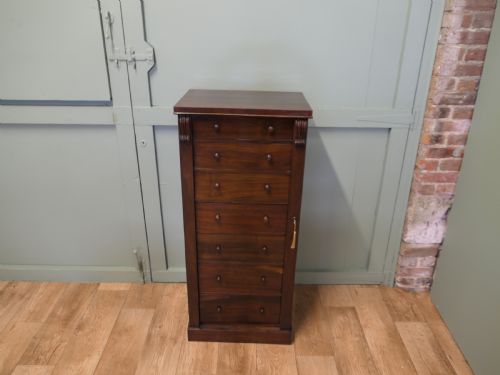
- Wellington chest
- A tall, narrow chest of drawers secured by a hinged locking stile on one side. The locking mechanism fastens all drawers simultaneously with a single key.
- Satinwood
- A pale, lustrous hardwood utilised for decorative furniture inlay and fine cabinet work. Its golden sheen reflects light distinctively.
Edwardian Furniture Storage: Frequently Asked Questions
What fits inside an Edwardian music cabinet?
Music cabinets were originally built to hold sheet music and scores within compartmentalised internal shelves or drop-down drawers.
Today, these compact wooden cabinets work well for organising paperwork, stationery, or small personal items in living spaces.
How do I use a vertical filing cabinet?
Vertical filing cabinets provide deep drawer space designed to hold hanging folders and administrative documents upright.
In a modern home or study, they offer sturdy storage for paperwork while maintaining a traditional aesthetic.
Where should I place a hall stand?
Hall stands belong in entryways and hallways where they provide a practical drop-off point for outdoor garments.
They combine hooks for coats, umbrella wells, and sometimes small mirrors or glove drawers into a single upright piece of furniture.