


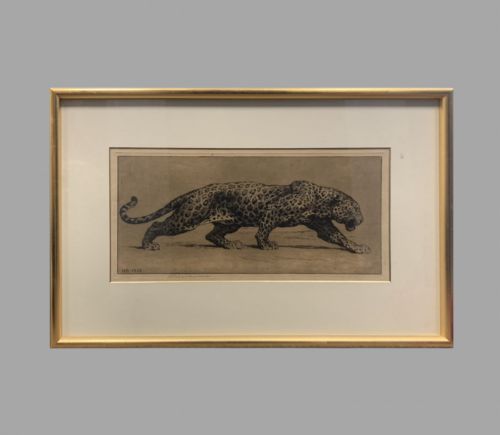
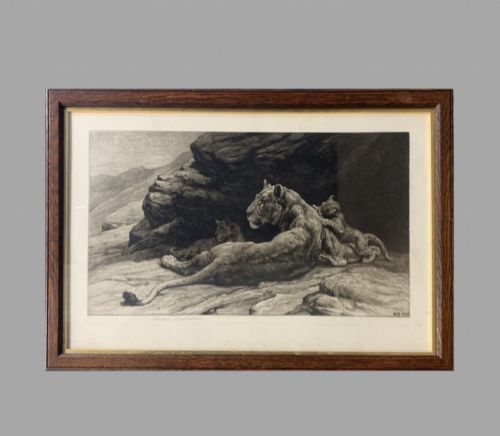
Edwardian Framed Print
An edwardian framed print brings domestic warmth and period character to a wall through historic paper, ink, and glass.
Edwardian Framed Print
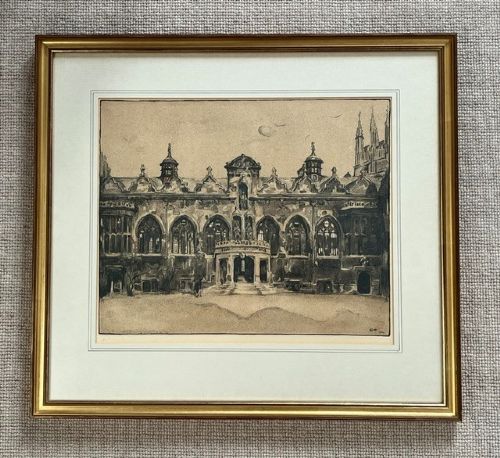
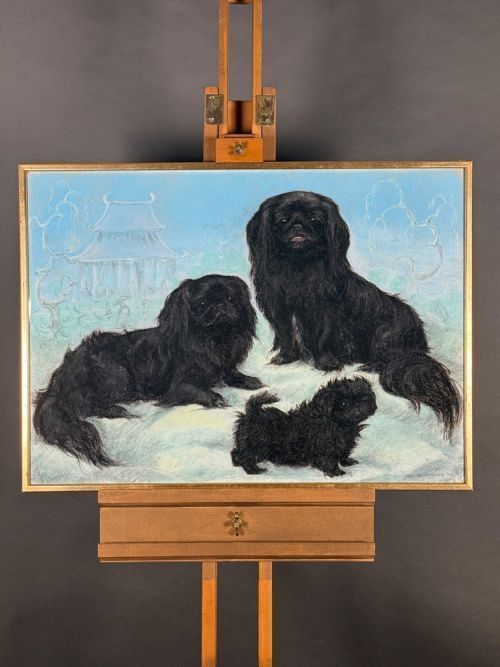
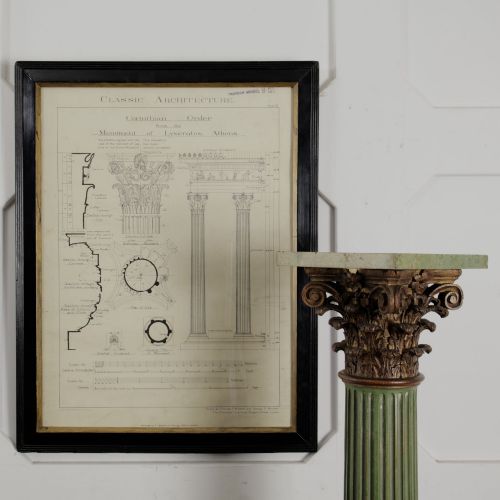
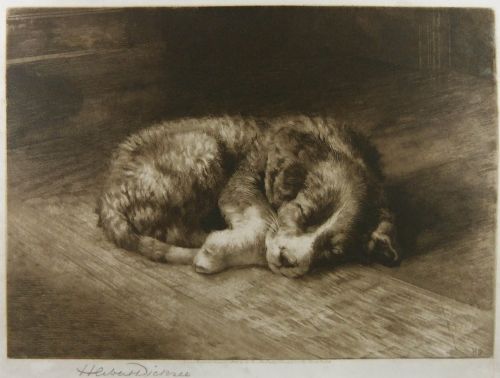
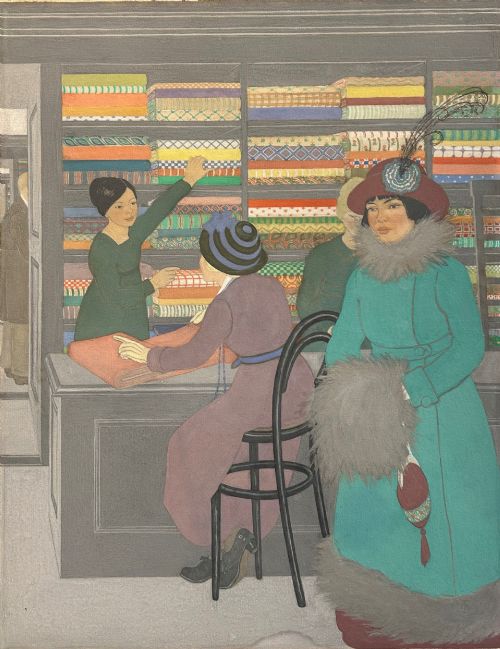
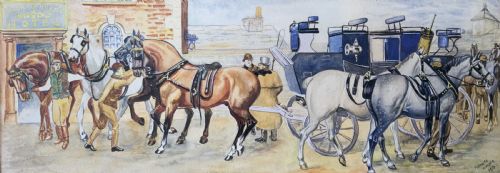
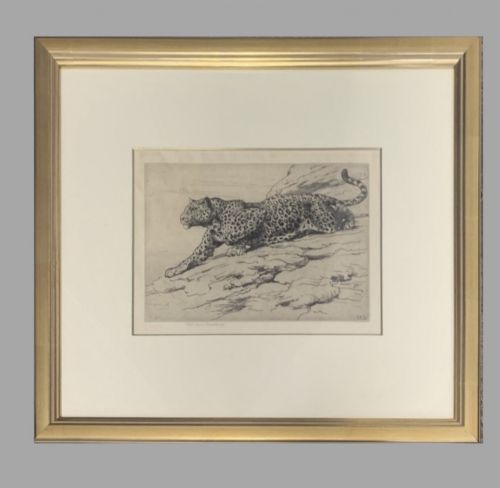
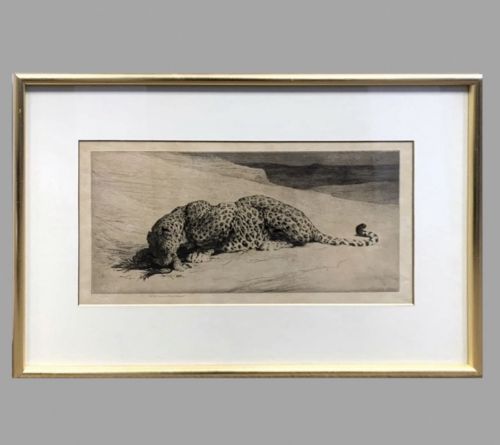
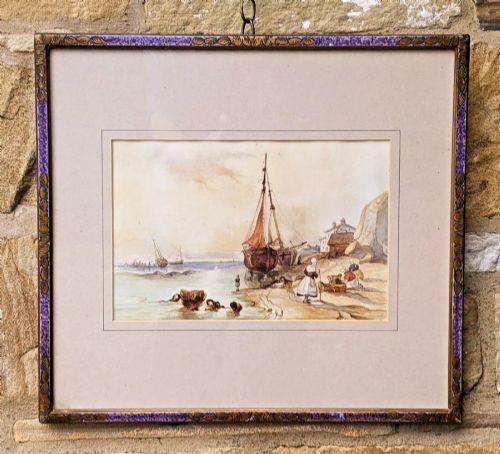
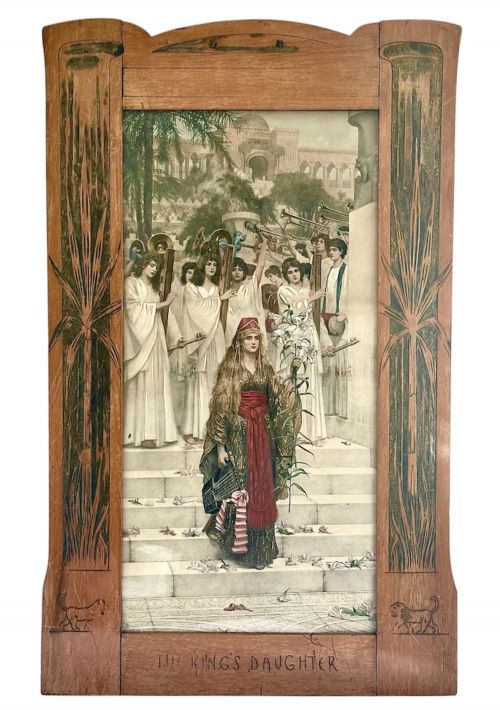
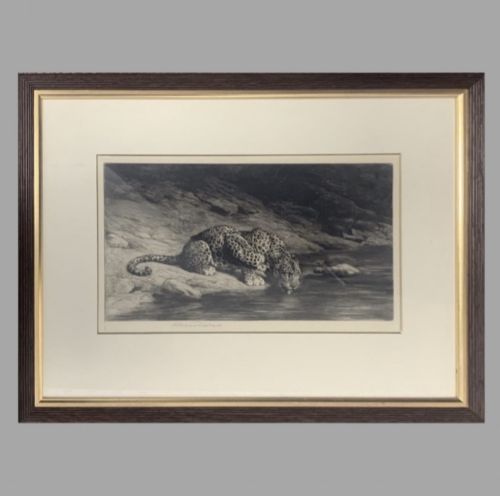
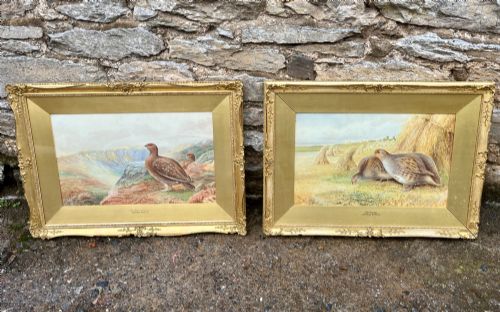
An edwardian framed print encompasses a variety of wall art from the early twentieth century, including etchings, lithographs, photogravures, and illustrated book plates. Buyers encounter subjects ranging from animal studies and pastoral scenes to architectural plates and literary illustrations.
Most examples combine original or period reproduction imagery with contemporary framing materials such as oak, mahogany, or gilt wood. The selection spans standard wall art formats alongside watercolours, oil paintings, and assorted antique prints housed beneath protective glass.
The aesthetic reflects early twentieth-century taste, drawing on Edwardian illustration, Arts and Crafts sensibilities, and occasional neoclassical revival motifs. These pieces serve as direct remnants of domestic interior decoration from the period.
Materials and Technique
Makers utilised paper, card, and vellum as the primary surfaces for ink, pastel, and watercolour applications. Printing methods included etching, lithography, photogravure, and mezzotint engraving.
Framing construction relies predominantly on timber, with oak, mahogany, and giltwood forming the structural surrounds. Glazing with glass protects the paper surfaces from environmental damage.
Listings feature works spanning the Victorian era through the 1940s, executed on paper, card, and vellum.
Defining Quality
Quality rests upon the crispness of the impression and the fidelity of the printing technique, separating signed artist proofs from standard commercial reproductions. The reputation of the artist or printmaker significantly elevates the standing of an individual piece.
The integrity of the original framing, particularly period timber mouldings and matching glass, contributes to the overall desirability. Preservation of the paper ground, free from excessive discolouration or heavy foxing, maintains the visual strength of the artwork.
Herbert Dicksee·Warwick Goble·George Rankin·Sydney Wilson·John Alfred Wheeler
The Edwardian Framed Print Glossary
- Etchings
- Intaglio printmaking processes where lines are incised into a metal plate with acid before receiving ink. This technique allows for fine, expressive line work.
- Lithograph
- Planographic printing methods using a stone or metal plate on which the image area attracts ink. It gained widespread use for colour illustration.
- Photogravure
- Intaglio processes producing photographic images transferred to metal plates and etched. They yield continuous tones resembling photographs.
- Artists Proof
- Early impressions printed before the main edition, typically retained by the artist or checked for quality. They often command greater interest from collectors.
- Vellum
- Prepared calfskin utilised as a durable writing and printing surface instead of paper. It provides a smooth texture for fine graphic work.
Edwardian Framed Print: Frequently Asked Questions
How do I date an edwardian framed print?
Dating relies on stylistic markers within the imagery, typography, and framing techniques. Many pieces carry explicit publication dates or signatures from the early twentieth century.
Paper stock, printing technology, and labels on the reverse provide further chronological context for the object.
Are these prints original period pieces?
The selection includes original prints, etchings, and photogravures produced during the early twentieth century. Some items incorporate later framing or represent period reproductions of earlier artwork.
Examining the paper texture, ink application, and framing materials helps distinguish original production eras.
What framing styles are typical?
Oak and mahogany frames predominate, often featuring simple mouldings suited to early twentieth-century interiors. Gilt wood variations also appear among finer artistic works.
Original glazing and backing boards frequently accompany these frames, preserving the historic integrity of the assembly.
How should I care for antique paper art?
Protect the paper from direct sunlight to prevent fading of inks, watercolours, and paper grounds. Maintaining stable indoor humidity prevents foxing and mould growth.
Keep the glass clean using appropriate methods that prevent moisture seeping behind the frame into the print.