


Edwardian Flower Holder
An edwardian flower holder brings the refined formality of early twentieth-century horticulture straight into domestic interior spaces.
Edwardian Flower Holder
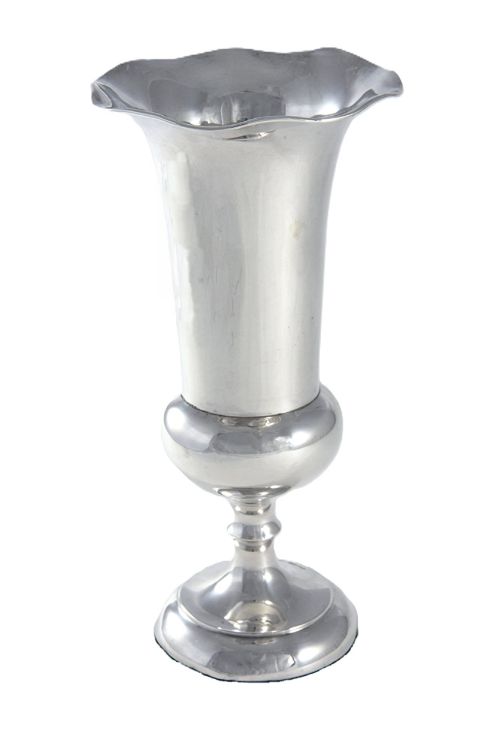
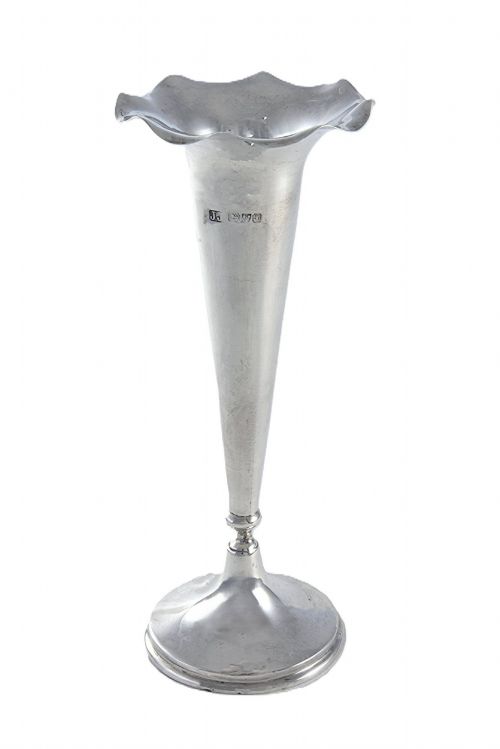
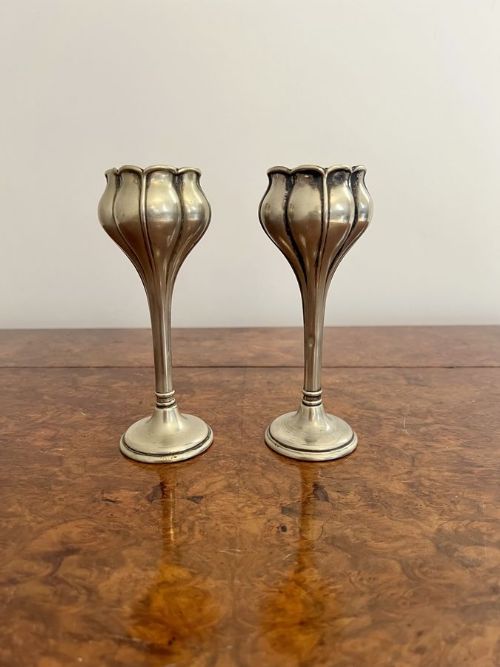
An edwardian flower holder encompasses a diverse group of objects designed for displaying cut blooms, foliage, and potted plants within the home. When you search for this phrase, you encounter vessels ranging from intimate silver posy vases and buttonhole pins to substantial brass and copper jardinieres.
The versions most frequently met on this page date from the Edwardian era itself, alongside related pieces spanning the Victorian period through to the 1930s. Forms include spill vases, plant stands, rose bowls, and centrepieces suited for tabletops and mantelpieces.
Makers and manufacturers utilised varied scales, moving from delicate porcelain figures to large metal planters furnished with lion mask handles. Each form reflects the period's intense enthusiasm for indoor botany and floral decoration.
How they were made
Metals form a core material group, with sterling silver, silver plate, brass, and copper shaped through spinning, casting, and hand-hammering. Arts and Crafts examples often display visible tool marks and riveted construction, whereas silver pieces rely on precise hallmarking and polished finishes.
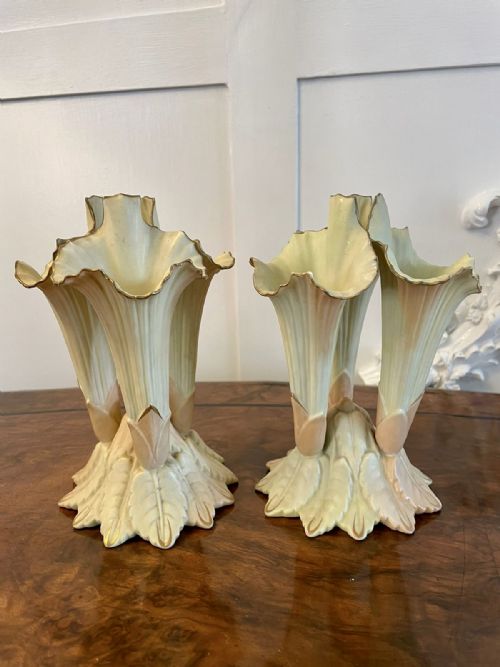
Ceramic examples combine porcelain and ironstone bodies with glazed surfaces, sometimes decorated with hand-painted scenes or transfer prints. Factories applied specialist techniques such as blush ivory glazes and enamel highlights to achieve distinctive textural and visual depth.
Woodwork appears in specific forms like oak and mahogany, frequently utilising turned elements such as barley twist columns to support plant stands and jardiniere frames.
The listings span the nineteenth century through the 1930s, uniting silver, brass, copper, and porcelain forms.
What varies in quality
The standard of execution in metalwork separates mass-produced items from superior studio creations. Heavier gauges of brass and copper, alongside crisp chasing and securely fastened handles, distinguish finer vessels from lighter, simpler pressings.
Ceramic quality rests upon the fineness of the porcelain body and the artistry of the painted decoration. Hand-painted naturalist scenes by named artists carry greater artistic distinction than standard transfer-printed patterns.
In silver and silver-plated items, the integrity of the hallmarks and the preservation of the original plating layer govern overall desirability. Pieces retaining sharp maker marks and unblemished surfaces demonstrate superior original manufacture.
Locke And Co·Krister KPM Waldenburg·Mason·Royal Doulton·Royal Worcester
The Edwardian Flower Holder Glossary
- Posy vase
- A small vessel specifically proportioned to hold a modest bunch of gathered flowers. These pieces typically sit upon dressing tables or smaller sideboards.
- Jardiniere
- A large decorative pot or stand designed to hold a growing potted plant. They appear frequently in brass, copper, and ceramics.
- Spill vase
- A tall, slender container originally used to hold thin tapers for lighting fires and candles. They transitioned into decorative receptacles for dried or fresh stems.
- Blush ivory
- A porcelain finish characterised by a soft, warm cream ground often highlighted with gilt and floral motifs. Developed primarily by late nineteenth and early twentieth-century potteries.
- Hallmark
- An official stamp applied to precious metals indicating purity, origin, and assay office. These marks provide precise dating for silver items.
Edwardian Flower Holder: Frequently Asked Questions
What is an edwardian flower holder used for?
These vessels were created to display fresh cut flowers, delicate buttonhole stems, or potted indoor plants across domestic rooms. They functioned as both practical horticultural containers and decorative centrepieces for dining tables and mantelpieces.
Different forms served specific botanical arrangements, from single spill vases holding tapers and stems to large jardinieres anchoring heavy potted ferns.
How do I date an edwardian flower holder?
Dating relies on examining silver hallmarks, registry marks, and ceramic factory stamps found on the base of the object. Stylistic indicators such as Art Nouveau curves or Arts and Crafts hand-hammered surfaces also help narrow the period.
Comparing the materials, such as early twentieth-century silver plate versus nineteenth-century copper, provides a reliable chronological framework.
Are these pieces suitable for daily use?
Many metal and ceramic holders remain fully functional for containing water and fresh flowers today. Care should be taken with antique silver plate and delicate porcelain to preserve their historical surfaces during cleaning.
Lined containers and metal inserts often protect the original interior surfaces from moisture damage over extended periods of display.
How do Art Nouveau and Arts and Crafts styles differ?
Art Nouveau designs emphasise organic, flowing lines, stylised plant motifs, and whipped curves in brass and copper. They focus on graceful asymmetry and botanical grace.
Arts and Crafts pieces highlight visible craftsmanship, hand-hammered textures, and structural honesty, celebrating the role of the individual maker.