


Solid Silver Vase
A solid silver vase brings weight and polish to a room, holding cut flowers or standing alone as a formal centrepiece.
Solid Silver Vase
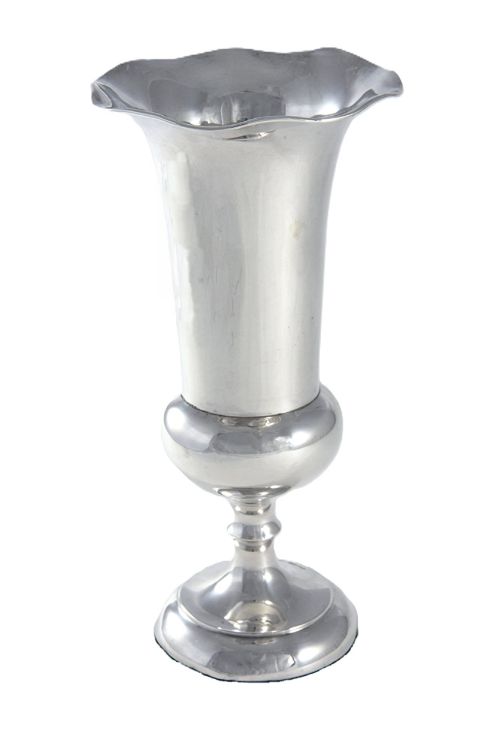
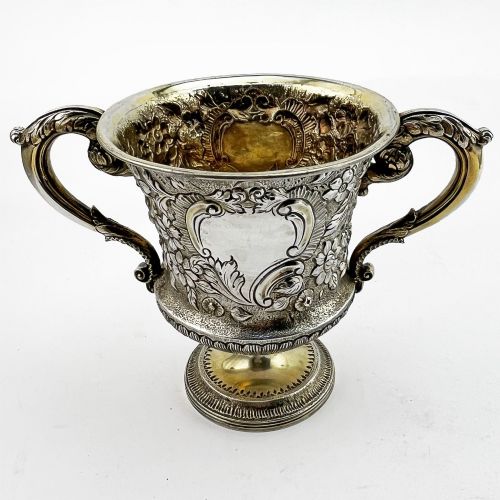
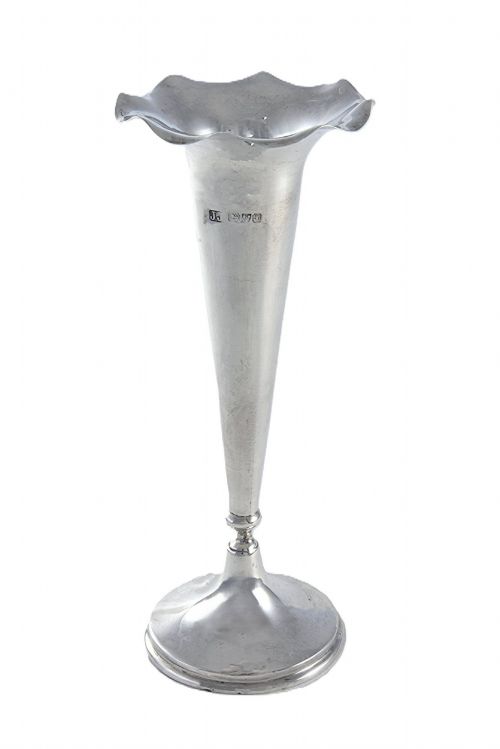
A solid silver vase takes many forms across the centuries, ranging from small posy holders and trumpet shapes to large flower vessels and campana cups. Buyers searching for a solid silver vase will frequently encounter Edwardian and Victorian examples designed for domestic display.
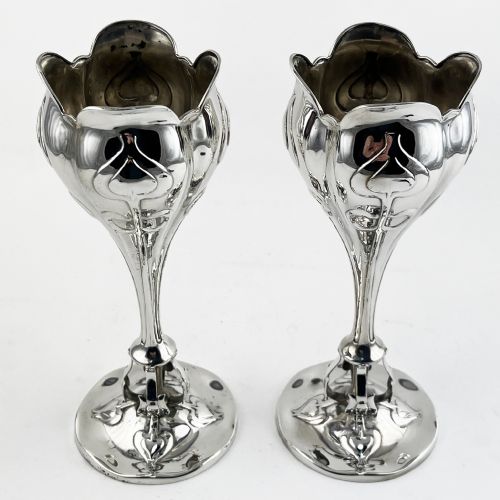
The selection also includes earlier Georgian items alongside mid twentieth century specimens and Middle Eastern pieces. Forms vary from simple bud vases and stem vases to matched pairs and multi-vase epergnes.
How they were made
Silversmiths shaped these items using sterling silver, frequently employing techniques such as embossing to create raised surface decoration. Certain vessels incorporate silver gilt surfaces or include fitted glass liners to protect the metal from water.
Maker marks and hallmarks struck directly into the silver record the assay town and year of production. These stamps connect individual pieces to workshops in London, Birmingham, Sheffield, and Chester.
Several examples double as duck egg cups, proving that Victorian dining tables demanded elegance even at breakfast.
What varies in quality
Quality rests in the heaviness of the gauge and the crispness of the chased or embossed detail rather than the mere presence of silver. Substantial wall thickness and well-balanced proportions separate finer vessels from lighter production pieces.
The integrity of the form, clear hallmarks, and the survival of original components such as glass liners dictate the standing of an example within the wider range.
Goldsmiths & Silversmiths·George Nathan & Ridley Hayes·John Septimus Beresford·Gervase Wheeler·Fenton Brothers·Joseph Gloster·William Comyns
The Solid Silver Vase Glossary
- Hallmark
- A set of official marks stamped on precious metals to guarantee the purity standard, assay office, and date of manufacture. These small punches provide the primary method for dating British silver.
- Sterling silver
- An alloy containing a fixed proportion of pure silver alongside other metals to ensure durability in household objects. British items bearing this standard meet a strict statutory fineness.
- Posy vase
- A small vessel created specifically to hold a compact bunch of short-stemmed flowers. These pieces often feature weighted bases to prevent tipping.
- Trumpet vase
- A vessel characterised by a narrow base that flares outwards towards a wide rim in the shape of a horn. This silhouette remains common among Edwardian specimens.
- Silver gilt
- Silver that has been coated with a thin layer of gold on its surface, usually applied to the interior of cups and urns. This technique protects the underlying metal from tarnishing caused by liquids.
Solid Silver Vase: Frequently Asked Questions
How do I clean a silver vase?
Use a specialist silver polish applied with a soft cloth, working gently around any embossed details to avoid removing the finish. Rinse the item thoroughly afterwards and dry it completely with a clean cloth.
Avoid abrasive pads or harsh chemical dips that strip the natural patina accumulated over decades. Regular, gentle wiping maintains the shine without wearing down the hallmarks.
Can I put water in an antique vase?
Many silver vessels tolerate water well, particularly those fitted with original glass liners designed to keep moisture away from the metal. For unlined pieces, check the interior for any historic repairs or thin spots before filling.
Empty the water promptly after use and dry the inside thoroughly to prevent mineral deposits or tarnishing. Modern floral foam should be kept out to avoid scratching the base.
How do I read silver hallmarks?
A standard British silver mark sequence includes the maker's mark, the lion passant indicating sterling standard, the town mark for the assay office, and a date letter. Together these symbols reveal where and when the silversmith hammered the metal.
Reference books and online date letter tables help match the specific shield shape and letter font to a precise year. Faded marks still offer clues through the maker initials.