

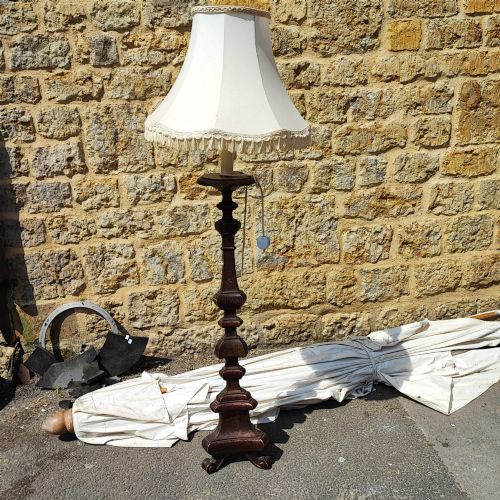
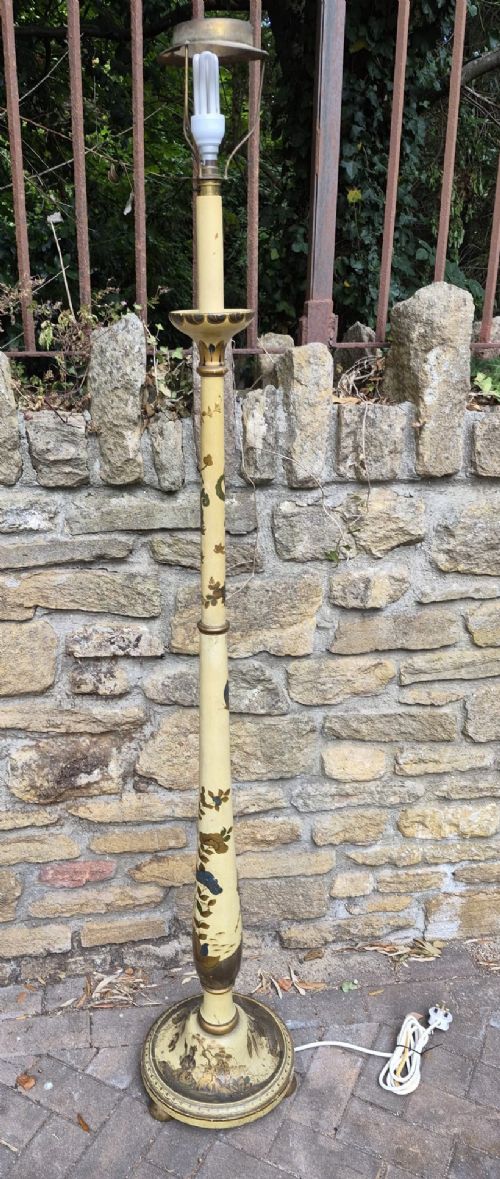
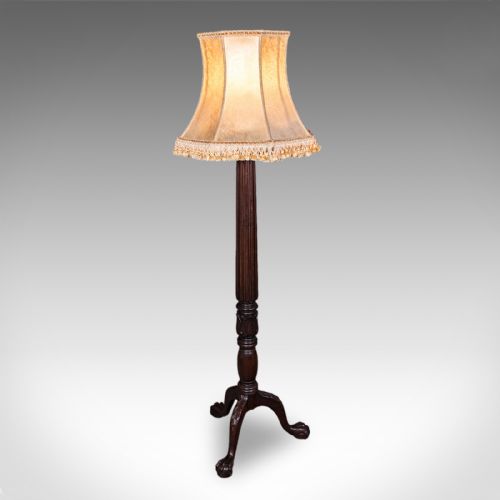
Edwardian Floor Standing Light
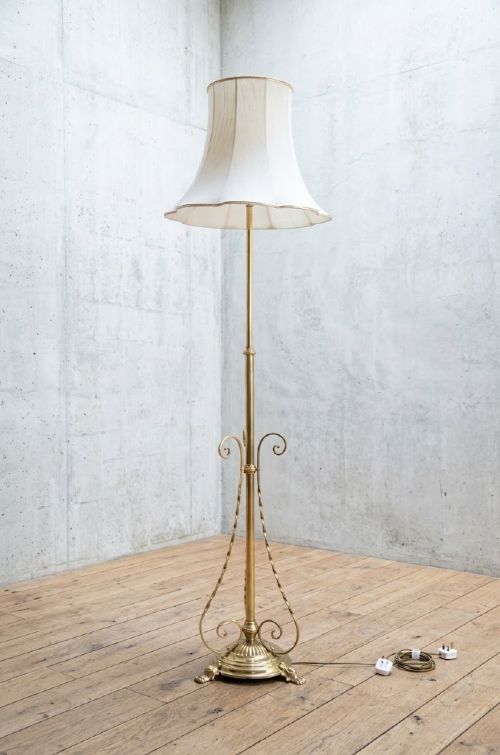
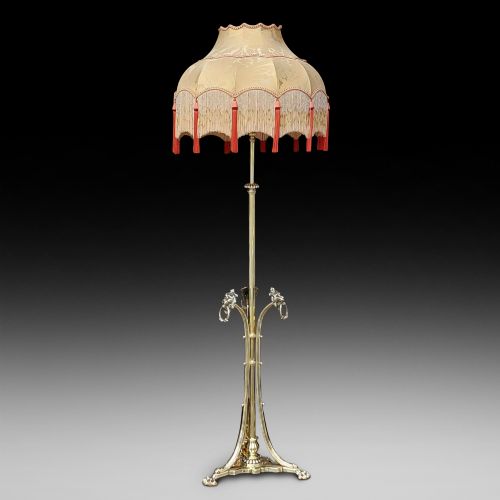
Edwardian floor standing light designs bring substantial vertical presence and adjustable illumination to a room, drawing the eye upwards through period craftsmanship.
Edwardian Floor Standing Light
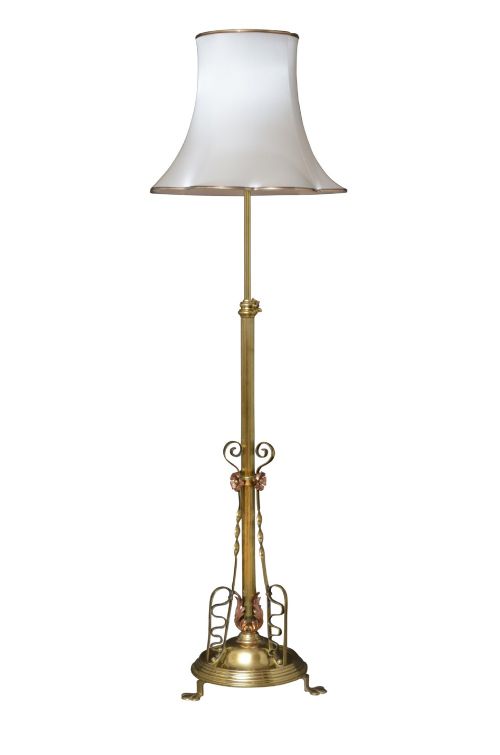
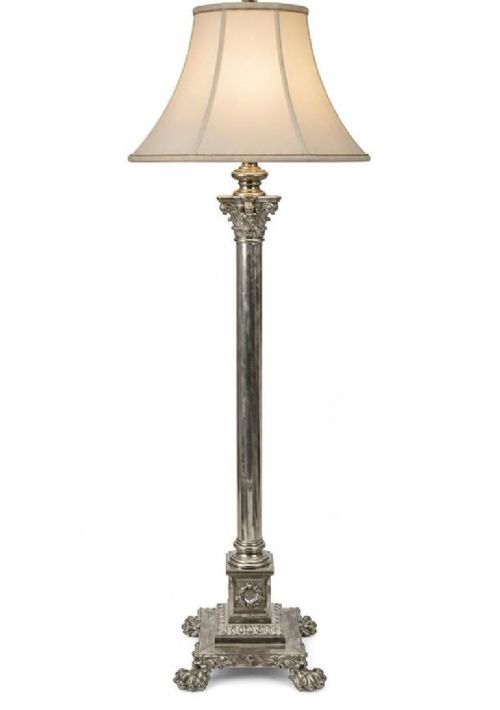
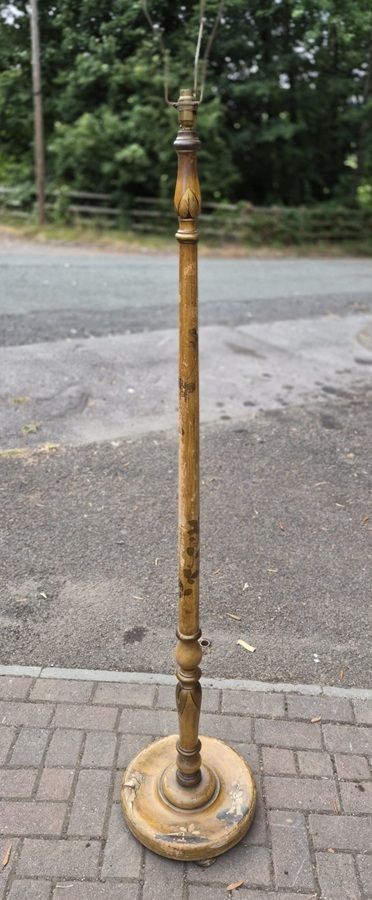
When searching for an edwardian floor standing light, buyers encounter tall vertical fixtures designed to illuminate larger spaces without crowding tabletops. The selections span standard lamps, floor lamps, and floor standing oil lamps originating across the late nineteenth and early twentieth centuries.
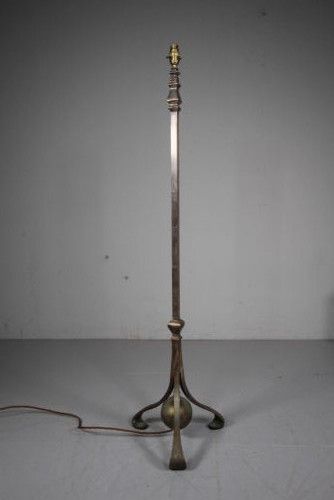
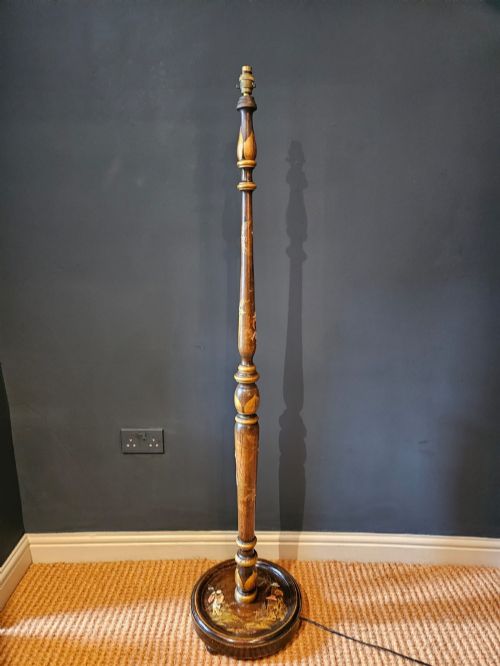
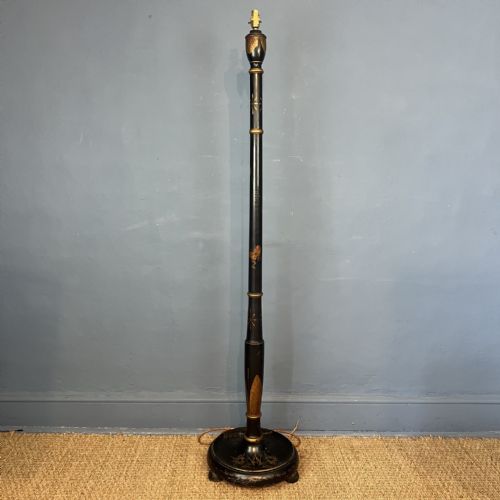
Examples frequently date from the Edwardian period, the Victorian era, and the 1920s, incorporating distinct styles such as Arts and Crafts, Art Nouveau, Neoclassical, and Chinoiserie. Common variations include height-adjustable stems, tripod bases, and decorated black lacquer finishes.
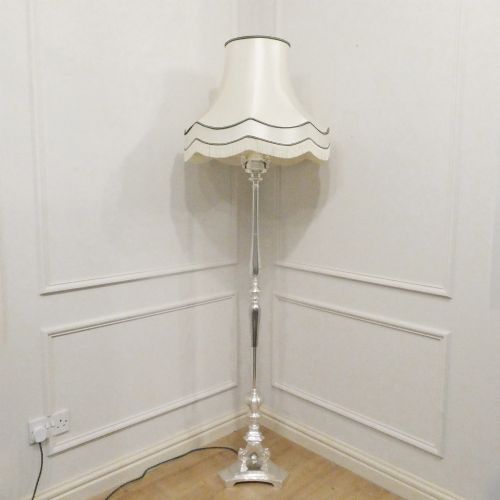
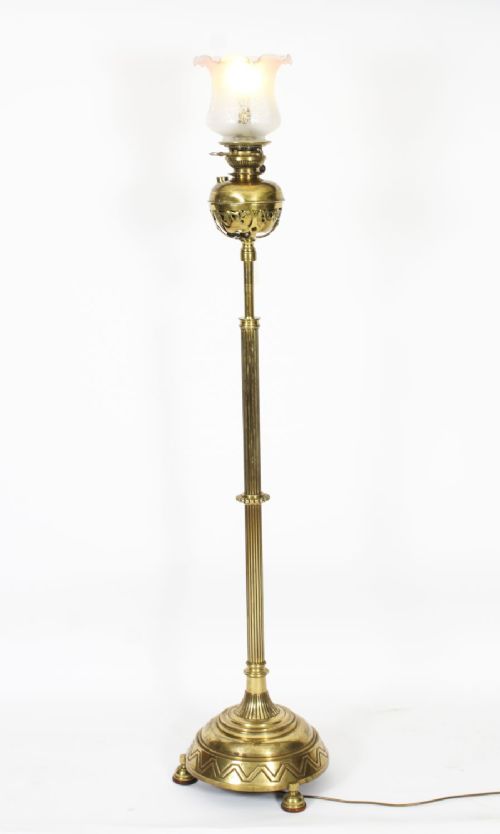
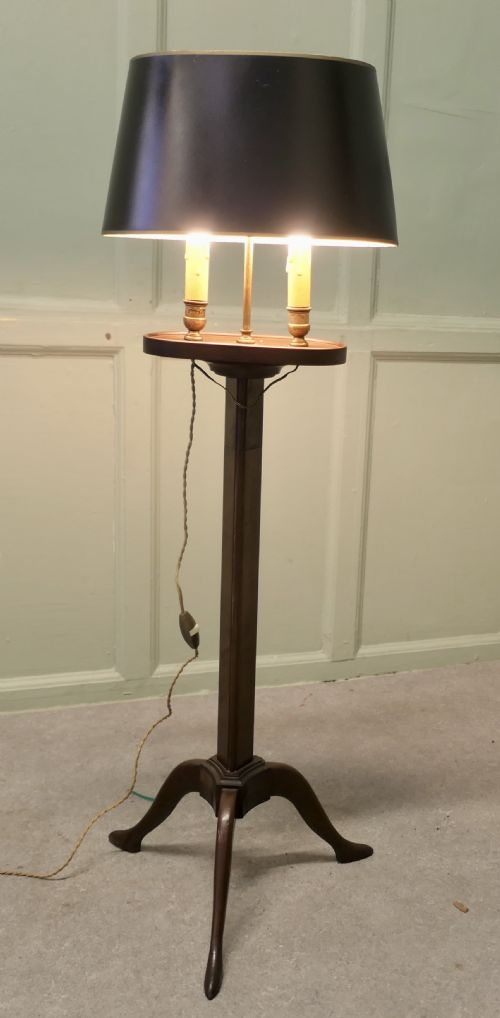
Most entries combine functional height with decorative columns in brass, copper, silver plate, or mahogany. Certain pieces retain original oil lamp burners or incorporate twin candle configurations adapted for floor placement.
Materials and construction
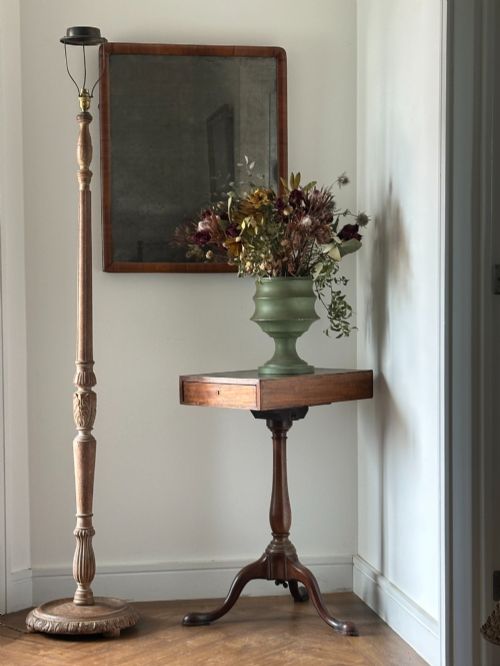
Makers utilised cast and spun brass, patinated copper, and silver plate to build durable, heavy columns that support substantial fabric or glass shades. Wood variants employ turned mahogany, walnut, and limed oak, often featuring tripod or circular stepped bases for stability.
Engineering details include sliding height adjustment mechanisms, scroll arms, and weighted internal components designed to keep tall standards balanced. Decorative surfaces incorporate applied ormolu, gilt bronze, hand-painted Chinoiserie lacquer, and floral openwork casting.
Materials span brass, copper, silver plate, mahogany, walnut, oak, and fabric, alongside decorative black lacquer.
Craftsmanship and proportion
Superior examples demonstrate careful balance between a heavy, stable base and a slender, upright shaft, ensuring the piece stands securely when adjusted to maximum height. Castings exhibit crisp detail in floral openwork, Corinthian capitals, and ormolu mounts rather than soft or blurred edges.
Surface finishes distinguish finer items, whether through deep patination on unlacquered brass and copper or meticulous hand-applied lacquer work on Chinoiserie standards. Mechanical elements such as height-adjustment screws and collars operate smoothly and align precisely.
The Edwardian Floor Standing Light Glossary
- Standard lamp
- A tall floor lamp designed to hold a single bulb and shade at eye level or above. These fixtures provide ambient illumination in living spaces.
- Chinoiserie
- European decorative style imitating Chinese artistic traditions. Pieces feature painted black lacquer backgrounds with gilt motifs.
- Ormolu
- Gilt bronze ornamentation applied to furniture and metalwork. The technique gives a rich gold appearance to cast brass elements.
- Corinthian
- An architectural column order featuring ornate acanthus leaves on the capital. This design appears frequently on classical metal lamp shafts.
- Bouillotte lamp
- A shaded reading lamp with one or more candles or bulbs. Floor-standing variants position this arrangement on a tall vertical standard.
Edwardian Floor Standing Light: Frequently Asked Questions
How tall are these floor lamps?
Heights vary depending on the specific period and adjustable mechanisms built into the column. Many include height-adjustable stems to alter the vertical reach.
Most standards stand well above table height to project light downward across seating areas.
Were these originally oil lamps?
Certain Victorian and Edwardian examples began as oil-burning fixtures before conversion to electricity. These often retain brass fonts, burners, or cranberry glass reservoirs.
Other examples were built from inception as electrical standards or candle-adapted fixtures.
Where should I place a standard lamp?
These tall fixtures suit corners, beside reading armchairs, or near heavy wooden furniture in a reception room. Their vertical presence draws the eye upward.
Adjustable stems allow direct task lighting or diffused ambient room illumination.
How do I identify an Edwardian piece?
Edwardian lighting often favors lighter forms, Neoclassical revival motifs, or polished brass and silver-plated finishes. They bridge late Victorian heaviness and the cleaner lines of the 1920s.
Chinoiserie lacquer work also gained popularity during the Edwardian decade.