

Standing Floor Light
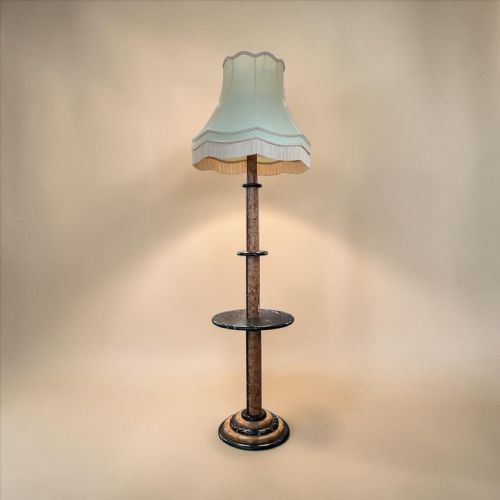
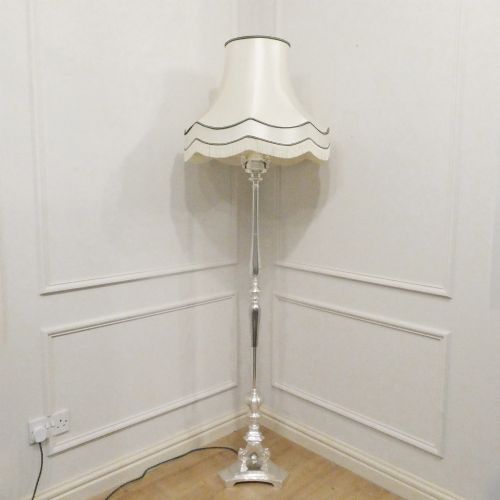
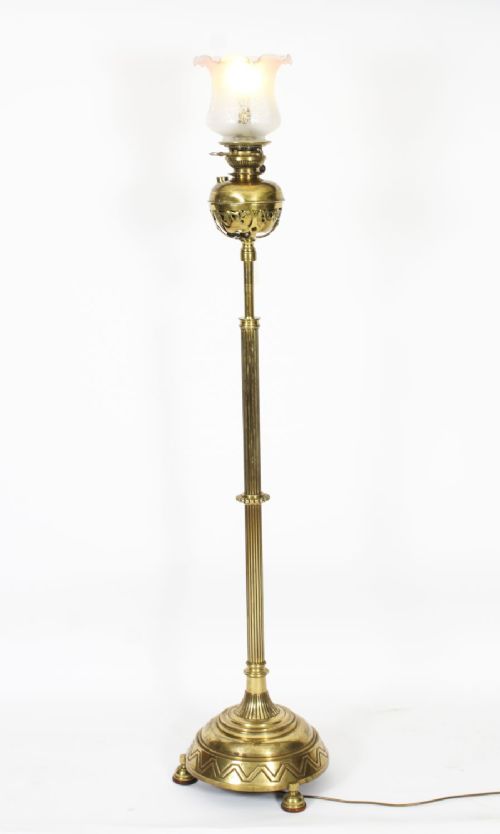
A standing floor light brings targeted illumination and vertical presence to a room, ranging from converted Victorian oil burners to sleek Art Deco columns.
Standing Floor Light
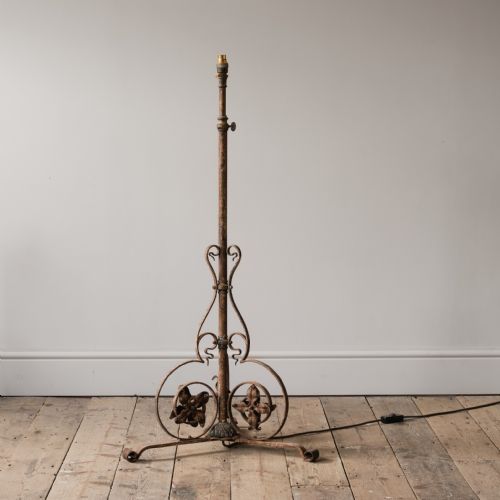
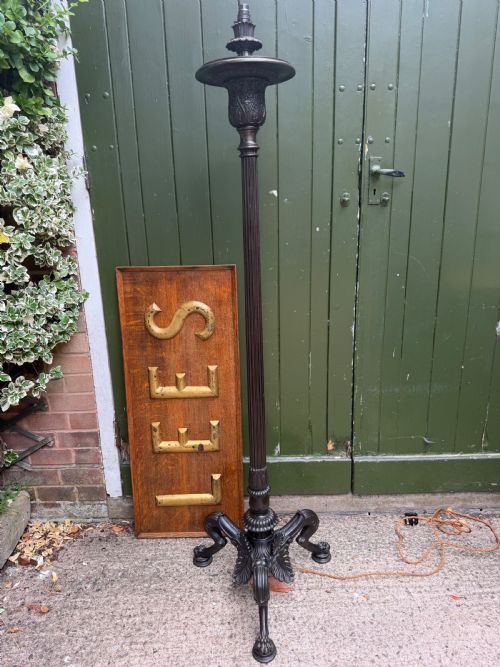
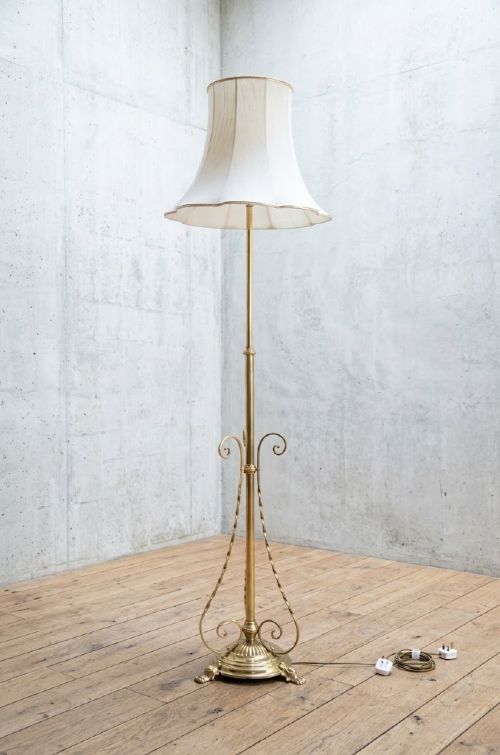
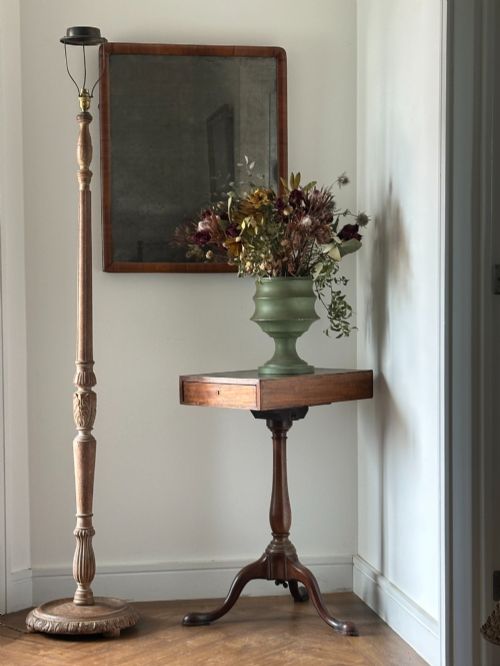
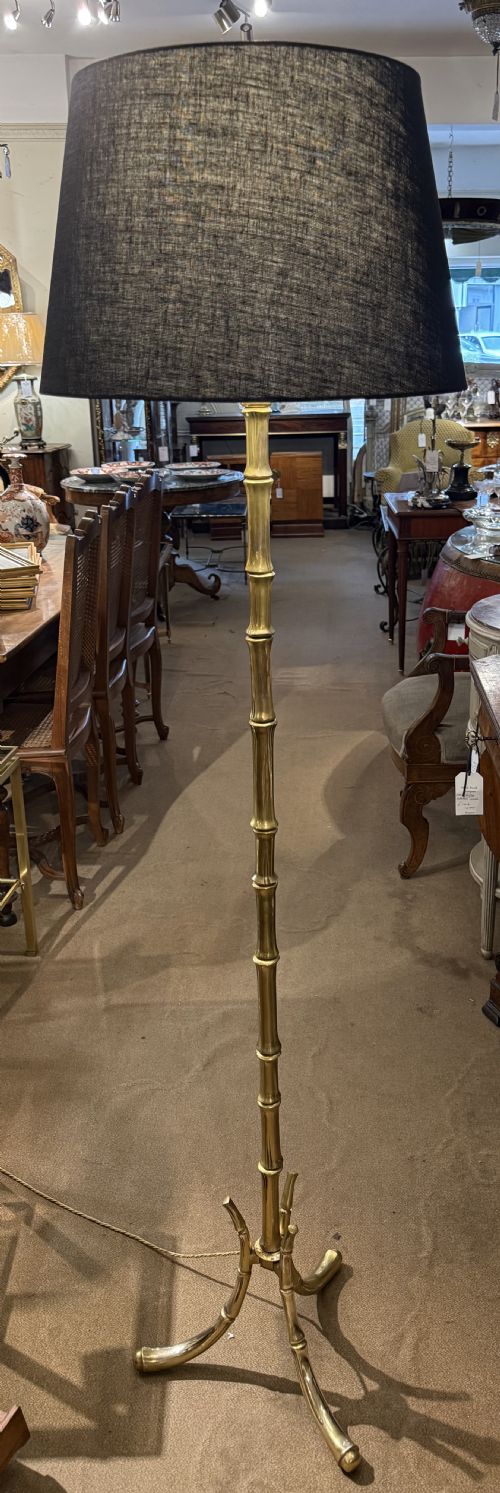
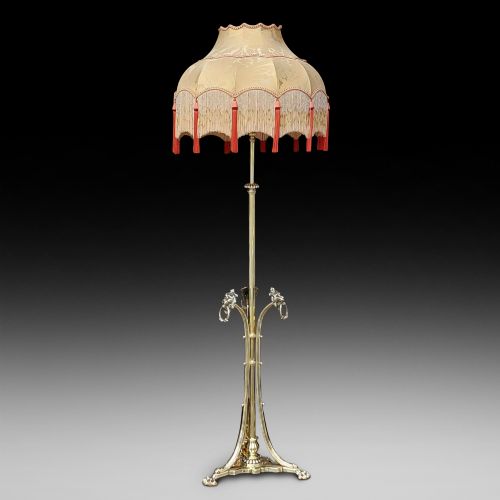
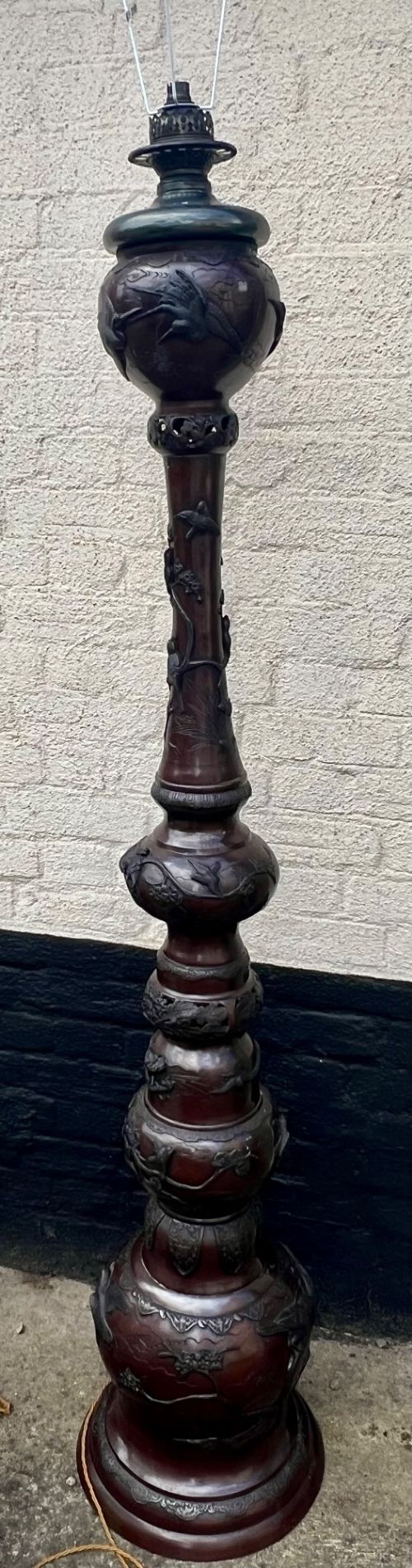
A standing floor light provides ambient or reading illumination through a raised vertical shaft supported by a sturdy base. When exploring this selection, buyers frequently encounter heavy brass columns, carved wooden pedestals, and adjustable metal standards designed to position light precisely where needed.
The objects span multiple centuries of domestic lighting, originating from early candle stands and rushlights through to electrified oil lamps and modernist geometric designs. Victorian and Edwardian brass models appear alongside 1930s satinwood and lacquer pieces, reflecting shifts in interior taste from ornate revivalism to cleaner geometric forms.
How they were made
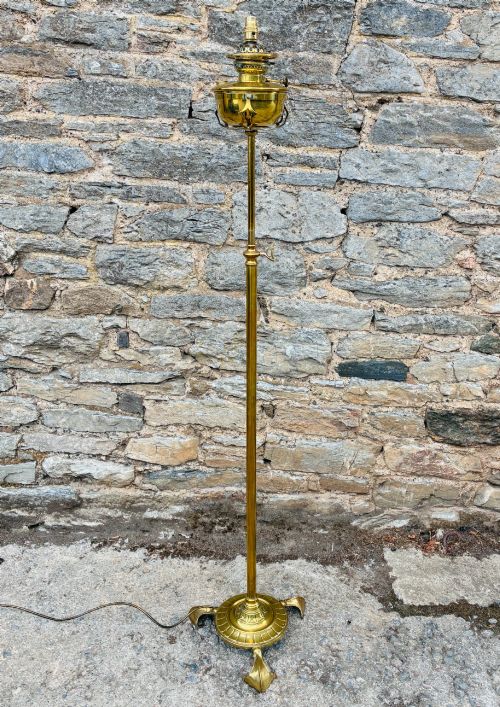
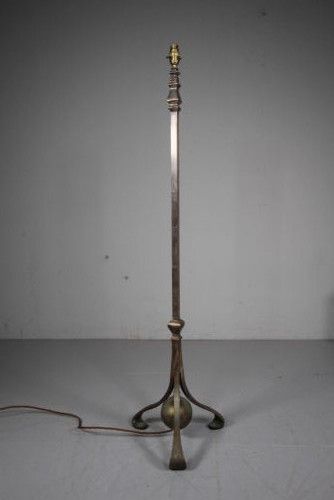
Makers utilised durable metals such as brass, bronze, silver plate, and forged wrought iron to construct weight-bearing shafts and decorative bases. These metal components were frequently cast, patinated, or plated, incorporating telescopic mechanisms for height adjustment.
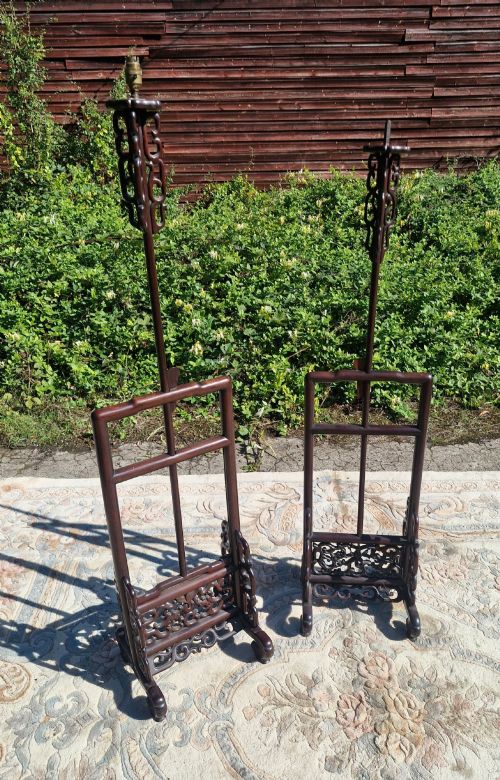
Wooden examples rely on cabinet-making traditions, employing carved oak, walnut, giltwood, and lacquered surfaces often associated with Chinoiserie decoration. Fabric and vellum shades complete the upper portion, diffusing the light cast from single or multiple bulbs.
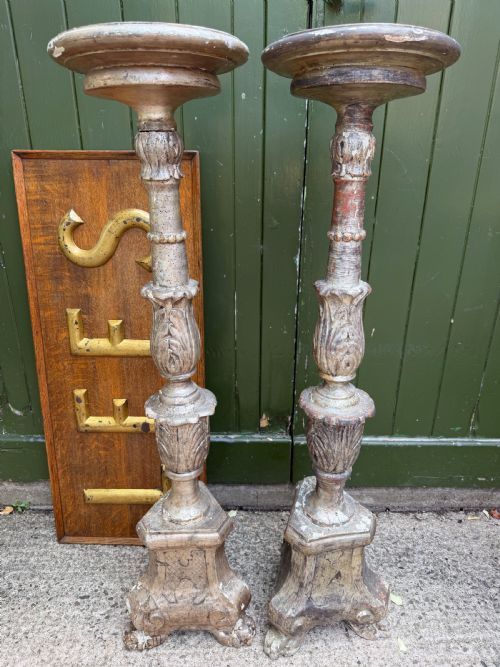
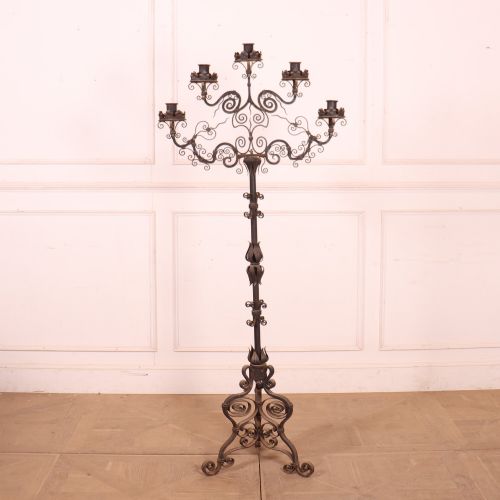
Object terms in the archive range from primitive rushlight stands to elaborate Italian altar torcheres and Art Deco standard lamps.
What varies in quality
The standard of a standing floor light rests upon the integrity of its materials and the weight distribution of its base. Solid cast metals and dense hardwoods provide stability, whereas thinner plated or hollow components compromise the physical balance of tall shafts.
Refinement in surface decoration and mechanism design further separates examples. Smooth telescopic adjustment actions and crisp hand-carved or cast ornamentation indicate skilled workshop execution rather than mass production.
Maison Bagues·Hinks of B'ham·WMF
The Standing Floor Light Glossary
- Torchere
- A tall ornamental stand originally intended to carry a candle or torch. Antique versions frequently appear adapted for electric illumination.
- Bouillotte
- A type of lamp featuring an adjustable shade moving on a central upright rod. These derive from traditional French card-playing lamps.
- Rushlight
- An early form of lighting utilising a rush stem peeled and dried, then soaked in fat or grease. Held in iron clips on a tall stand, these represent the earliest domestic floor lights in the archive.
Standing Floor Light: Frequently Asked Questions
How do I wire an antique floor lamp?
Most antique floor lamps require rewiring to meet modern safety standards, especially those converted from oil or gas. A qualified electrician can thread modern flex through the central channel without altering the exterior metal or woodwork.
Retaining original switches and plug tops where possible preserves historical character, provided the internal electrical components comply with current regulations.
What is the difference between a torchere and a standard lamp?
A torchere is fundamentally a decorative pedestal or stand designed to display a light source or decorative object at height. They tend to be slender and ornamental, originating from periods before electric lighting.
Standard lamps are specifically engineered floor-standing fixtures intended to support a lampshade and bulb for functional room illumination. Many later Victorian and Edwardian designs incorporate telescopic adjustments for reading.
How do I choose the right shade for a floor lamp?
Selecting a shade depends on the proportions of the vertical shaft and the intended function of the light. Tall, heavy brass columns typically require wider drum or empire shades to balance the visual weight of the base.
Materials such as silk, vellum, or pleated fabric should complement the period of the stand, echoing Art Deco geometries or Victorian traditionalism accordingly.
Can I adjust the height of all antique floor lamps?
Height adjustment is a common feature on many brass and metal floor lamps from the late nineteenth and early twentieth centuries. Telescopic mechanisms allow the upper shaft to slide and lock into position via a key or screw.
Fixed-height wooden standards and decorative torcheres do not possess this capability and remain at their original manufactured dimension.