


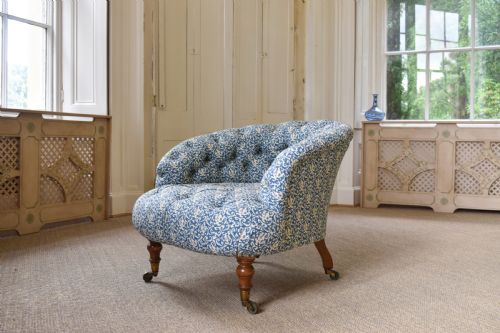
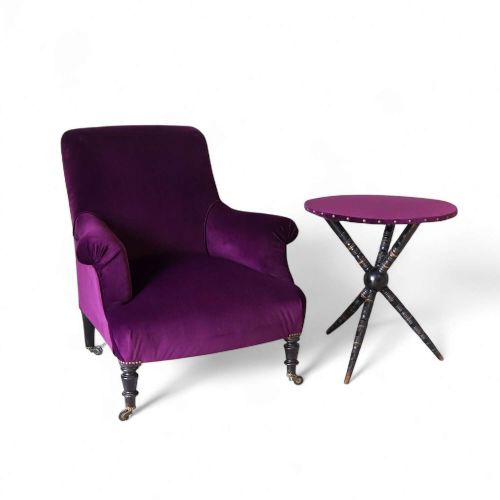
Edwardian Fireside Armchair
An edwardian fireside armchair offers deep-seated comfort by the hearth, combining sturdy timber frames with sprung upholstery for relaxed living.
Understanding the edwardian fireside armchair
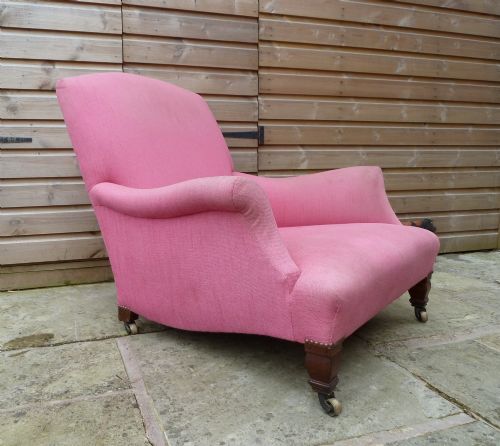
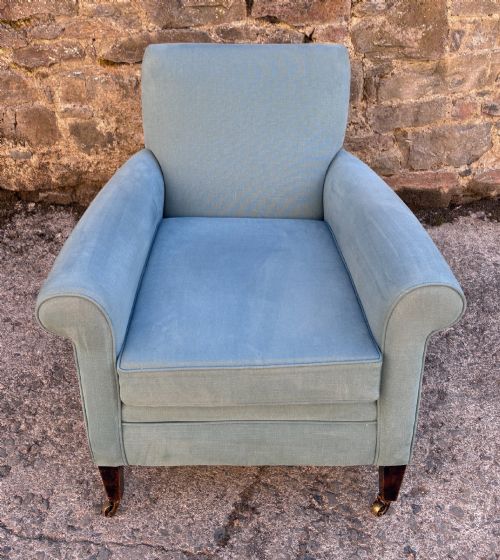
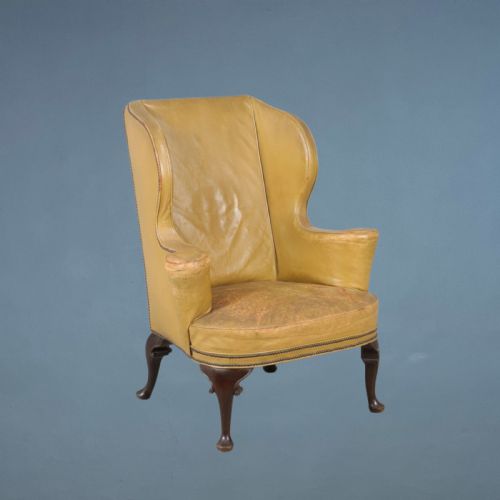
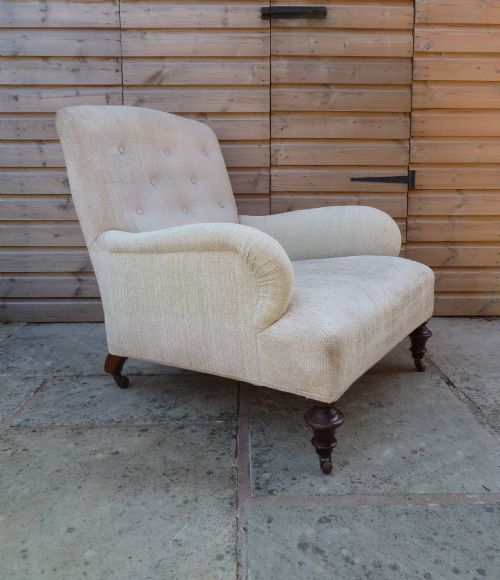
When searching for an edwardian fireside armchair, buyers encounter comfortable seating primarily rooted in the Edwardian period alongside earlier Victorian examples. These pieces typically manifest as wingback, tub, and easy armchairs designed specifically for parlour and fireside placement.
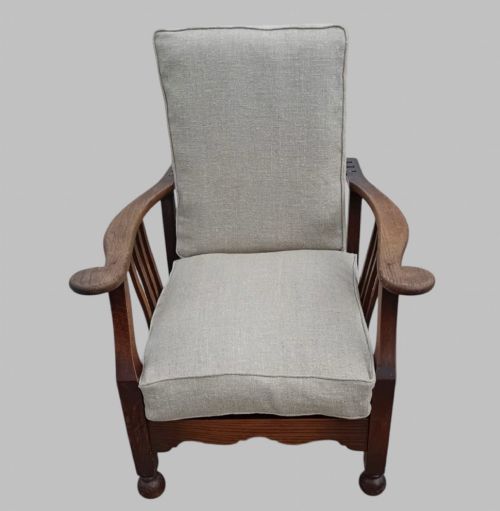
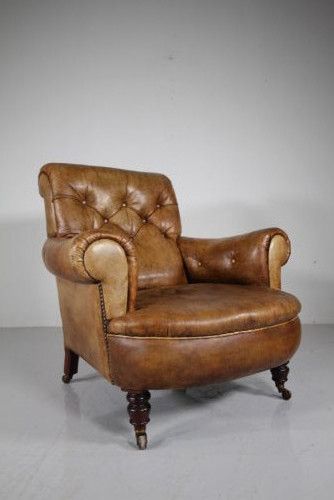
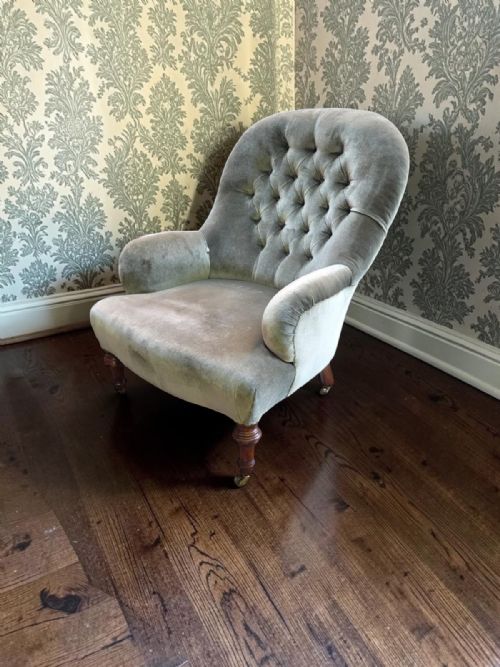
The selections span standard upholstered models, deep-buttoned versions, and specific regional interpretations such as Woodstock style. Timber frames in mahogany, walnut, beech, and oak underpin the upholstered bodies.
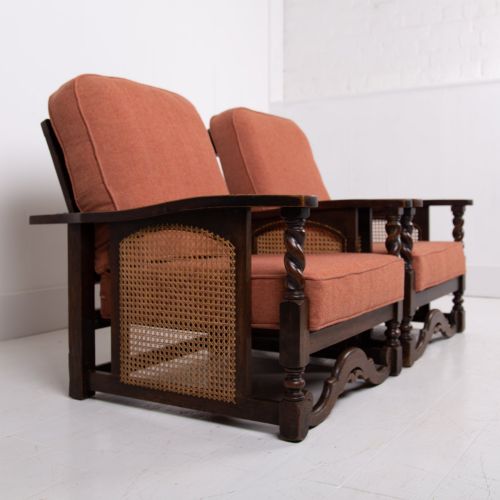
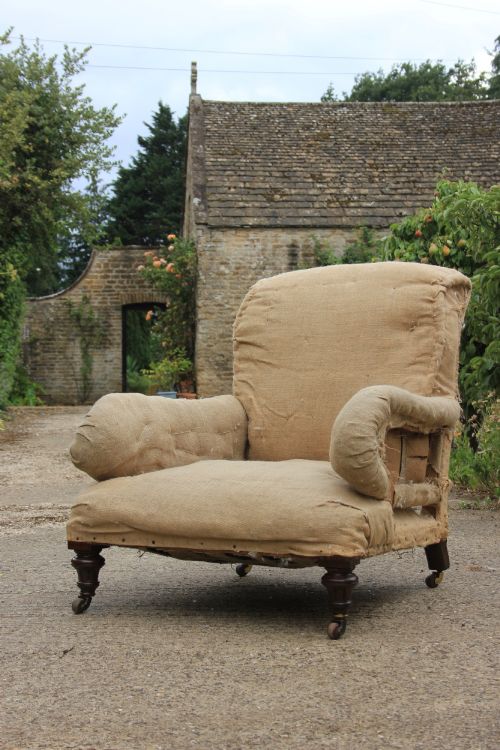
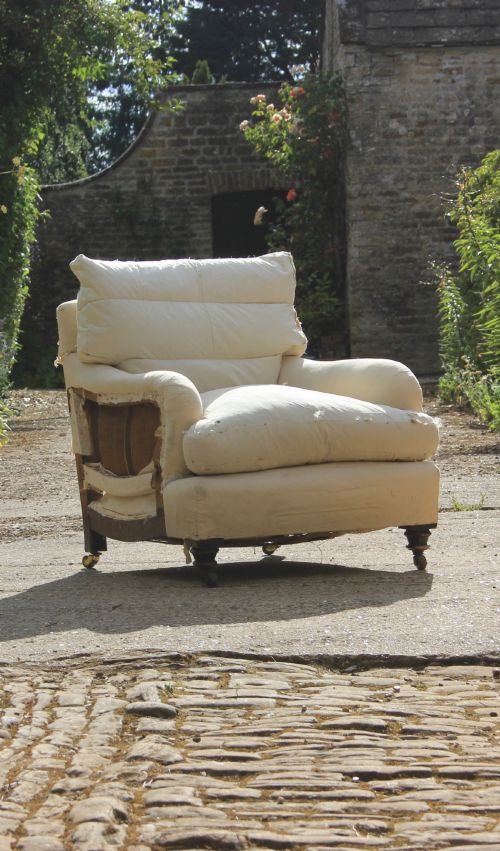
Beyond standard seating, variations include horse racing themes, carved frames, and pad feet. Some examples appear ready for re-upholstery, whilst others retain their original fabric coverings.
Assessing quality and craftsmanship
Superior examples of the edwardian fireside armchair display robust timber framing, such as substantial mahogany or carved walnut, joined with secure cabinetmaking methods. The integrity of the internal springs and the weight of the wood distinguish finer pieces.
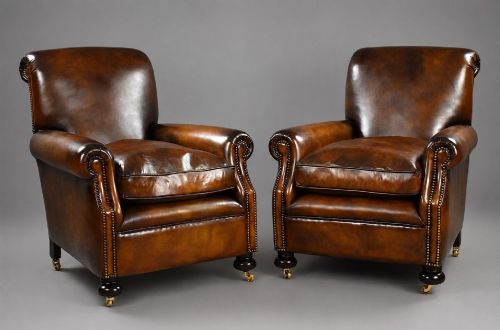
The refinement of the carving, the choice of covering materials from leather to fine textiles, and the retention of original frames elevate certain pieces. Chairs retaining their structural soundness without heavy alterations represent the upper tier of the range.
Retail Price Guide 2026
Typical UK retail prices for edwardian fireside armchair, calculated from the Sellingantiques database of over a million retail prices indexed since 2003. This retail price guide relies exclusively on Sellingantiques data; no external sources or auction records are used, so the figures do not describe the wider market.
Listings feature frames made from mahogany, beech, oak, walnut, and general timber, upholstered in leather, fabric, linen, and hessian.
The Edwardian Fireside Armchair Glossary
- Wingback
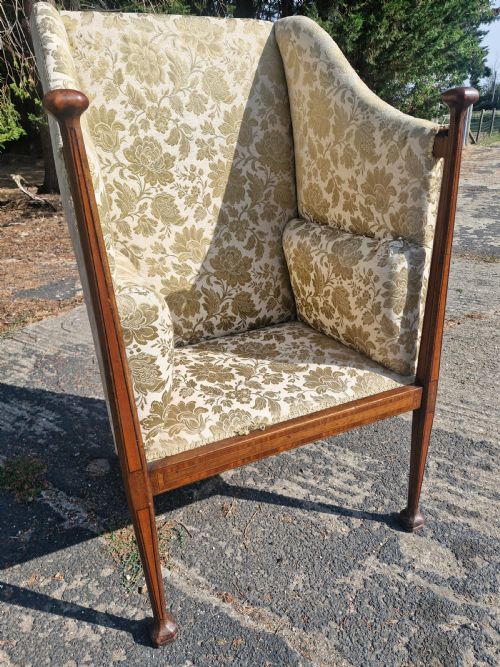
- An armchair style featuring protective side panels designed to shield the sitter from draughts near a fireplace. These wings extend from the upholstered backrest.
- Button back
- An upholstery technique where depressions are created across the backrest by pulling tufting cord or thread tight and securing it with covered buttons. This method keeps internal padding evenly distributed.
- Tub armchair
- A comfortable seat featuring a curved, semi-circular backrest that flows continuously into low arms. This form wraps closely around the occupant.
- Pad foot
- A flat, rounded foot resting directly on the floor at the base of a cabriole or straight leg. It distributes weight evenly without sharp edges.
- Woodstock style
- A regional or workshop aesthetic associated with specific regional furniture production during the Edwardian era. It denotes particular proportions and vernacular joinery.
Frequently Asked Questions
What defines an edwardian fireside armchair?
An edwardian fireside armchair is a low-slung, comfortable seat produced during the Edwardian period, typically featuring an upholstered body supported by a timber frame.
These chairs often incorporate wingbacks, tub shapes, or deep buttoning designed for domestic relaxation.
How were these armchairs used?
Households placed these chairs near hearths and fireplaces to provide sheltered seating away from cold draughts. They served as comfortable lounge, parlour, or reading seats.
Some variations also functioned as desk chairs or bedroom seating depending on their proportions.
Which woods were used for the frames?
Framing timbers commonly include mahogany, walnut, oak, and beech. These hardwoods provided the necessary structural strength to support internal springing and heavy upholstery.
Visible woodwork often featured carved decoration or simple polished finishes.
How do I spot an Edwardian piece?
Edwardian seating typically exhibits lighter proportions than heavy Victorian furniture, alongside specific stylistic revivals and tapered or cabriole legs.
Construction details, timber choices, and traditional upholstery methods help distinguish the period from later reproductions.